

Why Oral Health is Key to Your Overall Wellbeing
Connection between Oral Health and Overall Health
Maintaining good oral health is vital because mouth, teeth, and gum conditions can directly influence overall health. Gum disease has been linked to systemic issues such as cardiovascular disease, diabetes, and respiratory infections. Poor oral hygiene may also increase risks during pregnancy and contribute to other chronic diseases.
Importance of Regular Dental Care
Regular dental checkups, typically every six months, are essential for early detection of oral problems and prevention of more serious health issues. Professional cleanings remove plaque and tartar that daily brushing cannot eliminate, helping prevent cavities, gum disease, and oral cancer.
Overview of Preventive Dental Practices
Effective oral hygiene habits include brushing twice daily with fluoride toothpaste, flossing daily to clean between teeth, and using an antibacterial mouthwash. A balanced diet low in sugary and acidic foods supports dental health. Avoiding tobacco products and staying hydrated with water also protect teeth and gums, promoting overall wellbeing.
Key Facts on Routine Oral Health Practices
- Regular dental checkups every six months are crucial for early detection of dental issues.
- Proper brushing technique involves twice daily, two-minute sessions with fluoride toothpaste.
- Daily flossing removes plaque from between teeth and under the gumline, preventing gingivitis and cavities.
- Incorporating tongue brushing reduces bacteria, freshens breath, and supports overall oral hygiene.
- An alcohol-free antibacterial mouthwash helps reduce bacteria and plaque while strengthening enamel.
- A balanced diet rich in calcium, Vitamin C, and phosphorus supports strong teeth and healthy gums.
- Avoiding tobacco and limiting alcohol reduces risks of gum disease and oral cancer.
- Custom mouthguards protect against sports injuries and night grinding, preventing dental damage.
- Managing stress diminishes habits like teeth clenching, protecting dental health and overall wellbeing.
- Replacing your toothbrush every 3-4 months prevents bacterial buildup and maintains cleaning effectiveness.
1. Schedule Regular Dental Checkups Every Six Months

The Role of Routine Dental Visits in Early Detection
Regular dental checkups, recommended at least every six months, play a crucial role in detecting dental problems early. These visits enable dentists to identify issues like cavities, gingivitis and periodontitis, oral cancer, and other oral health concerns before they progress into more serious conditions. Early detection helps improve treatment outcomes and protects overall health.
Professional Cleanings to Remove Plaque and Tartar
During these routine visits, professional cleanings are performed to remove plaque and tartar buildup that brushing and flossing at home cannot eliminate. This process not only reduces the risk of tooth decay and gum infection but also contributes to fresher breath and a brighter smile. Polishing teeth during cleanings also helps remove surface stains, enhancing appearance and confidence.
Preventing Cavities, Gum Disease, and Oral Cancer
Consistent six-month checkups are essential for preventing cavities and gum disease, conditions linked to systemic health problems like heart disease and diabetes. Additionally, regular oral cancer screenings during these exams help detect early signs of cancer, thereby increasing the chances of successful treatment. For residents in Rio Rancho and beyond, maintaining this routine supports long-term oral and overall wellness.
2. Brush Properly Twice a Day Using Fluoride Toothpaste
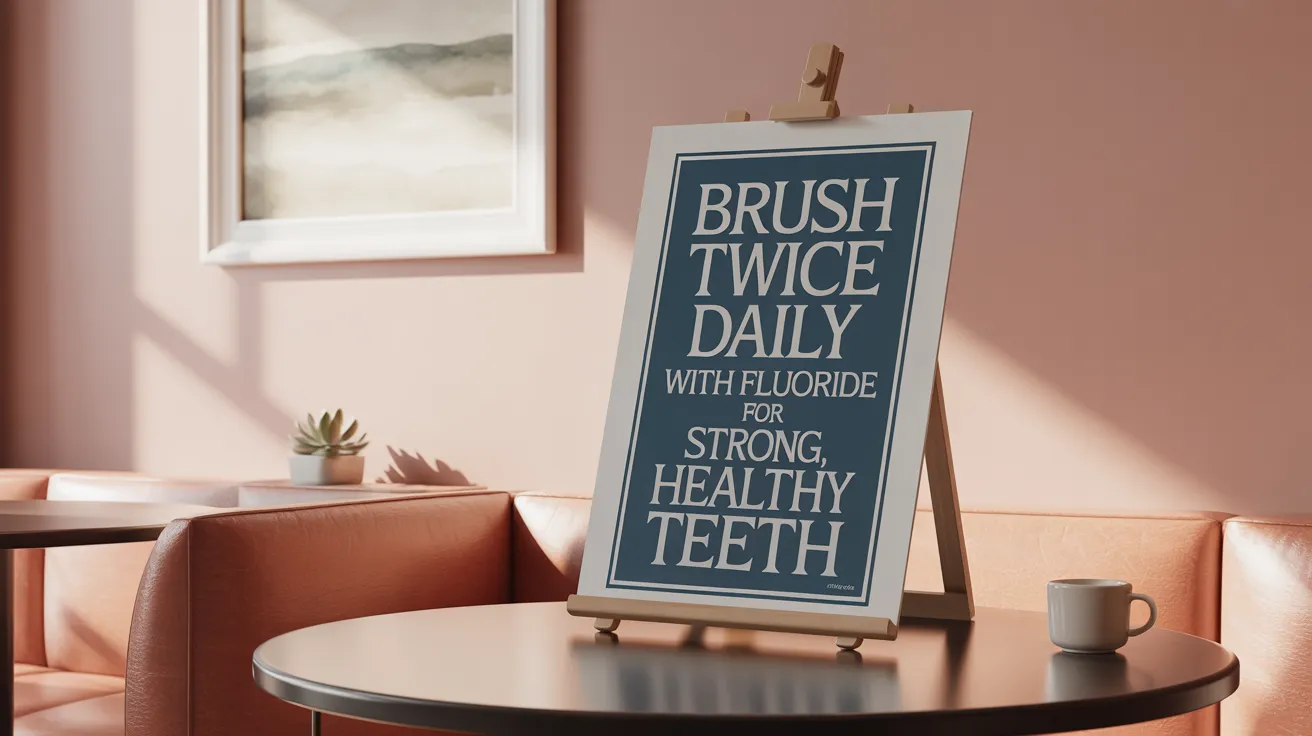
How Should You Brush Your Teeth Effectively?
Proper oral hygiene techniques are vital for maintaining healthy teeth and gums. Use a soft-bristled toothbrush angled at 45 degrees toward the gumline, which helps remove plaque efficiently without damaging delicate gum tissue. Brush all surfaces of your teeth — outer, inner, and chewing surfaces — gently but thoroughly.
How Long Should You Brush for Optimal Cleaning?
Spend at least two minutes brushing twice daily. Studies show brushing teeth twice daily for two minutes significantly reduces plaque buildup compared to shorter durations. Using a timer or a toothbrush with a built-in timer can help you achieve this goal consistently.
Why Is Fluoride Toothpaste Important?
Fluoride is essential because it strengthens tooth enamel, making teeth more resistant to acid attacks from plaque bacteria and sugars. Using fluoride toothpaste regularly helps prevent cavities and tooth decay, supporting long-term oral health. The ADA recommends fluoride toothpaste as a core part of daily oral care.
Maintaining these brushing habits ensures effective plaque removal, enamel protection, and overall oral wellbeing. Consistent brushing lays the foundation for preventing cavities, gum disease, and other dental problems.
3. Floss Daily to Clean Between Teeth and Under the Gumline
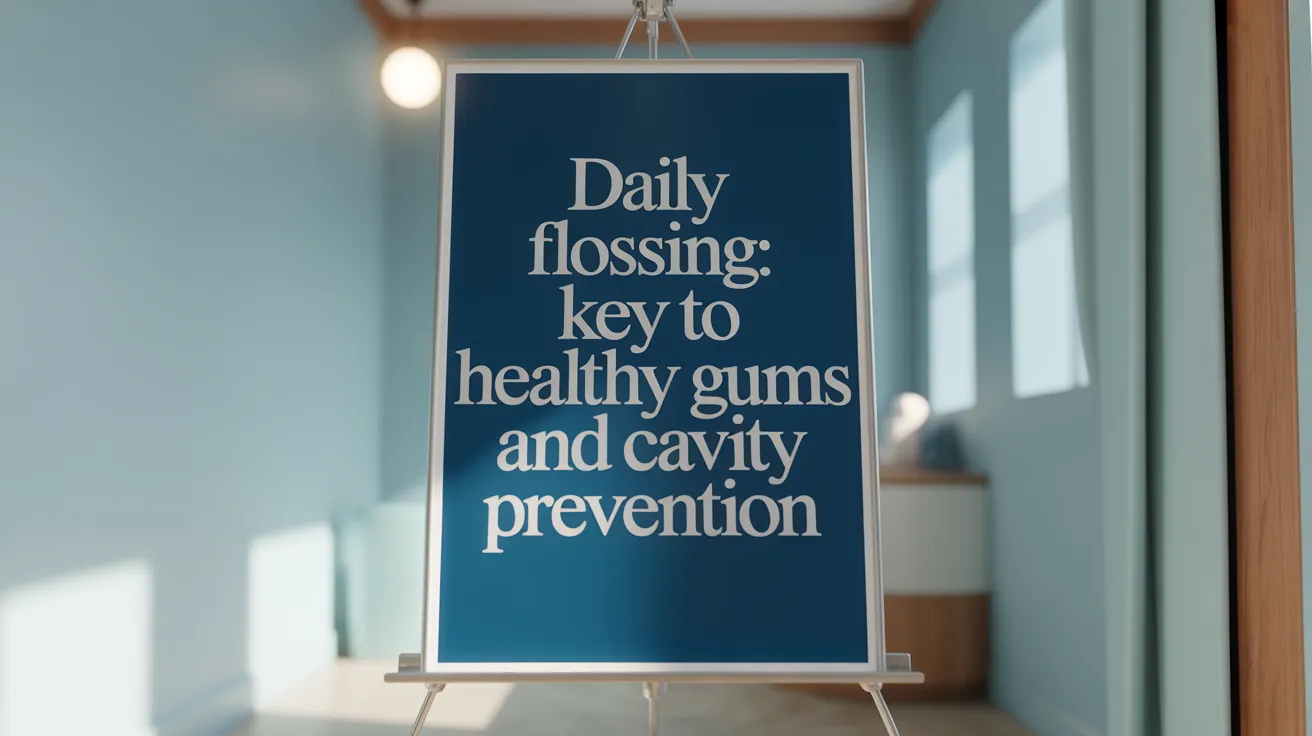
Why is Daily flossing benefits essential for oral health?
Daily flossing plays a crucial role in removing plaque from areas that toothbrushes cannot easily reach, particularly between teeth and under the gumline. These hard-to-clean spaces are common sites where food debris and bacteria accumulate, increasing the risk of cavities and gum disease.
How does flossing help prevent gum disease and cavities?
By effectively clearing plaque and trapped food particles, flossing disrupts the formation of bacterial biofilms that cause inflammation and decay. This preventative step significantly reduces the chances of developing gingivitis and periodontitis, both of which can lead to tooth loss if untreated.
What types of flossing tools can be used?
While traditional floss is effective, Using interdental brushes are an excellent alternative for individuals with larger gaps between teeth or dental work such as bridges. Choosing a flossing method tailored to personal comfort and dental anatomy enhances consistency and oral health outcomes.
Incorporating Daily flossing benefits into your Oral hygiene best practices supports not only healthy gums and teeth but also contributes to Oral health and overall health by preventing infections linked to systemic conditions.
4. Incorporate Tongue Brushing into Your Oral Care Routine

Why is tongue brushing important for oral health?
Tongue brushing is a vital part of Oral hygiene best practices that helps remove bacteria responsible for bad breath. The tongue's surface can harbor germs and food debris that brushing teeth alone may not eliminate.
Regularly brushing your tongue enhances overall mouth cleanliness by reducing the bacterial load in the oral cavity. This simple step contributes to fresher breath and a cleaner feeling mouth.
Additionally, maintaining a healthy microbial balance on the tongue supports a healthier oral environment. This balance helps prevent the overgrowth of harmful bacteria that can cause disease.
By adding Brushing the tongue to your daily routine along with regular brushing and flossing, you ensure a comprehensive approach to oral care and promote long-term dental health.
5. Use an Alcohol-Free Antibacterial Mouthwash for Extra Protection
How does an alcohol-free antibacterial mouthwash help reduce harmful bacteria and plaque buildup?
Using an antibacterial mouthwash daily can effectively reduce the levels of harmful bacteria in your mouth that cause plaque buildup and gum disease. Since toothbrushes and floss may miss certain areas, mouthwash reaches these spots to help control bacterial growth and maintain oral hygiene.
How does fluoride in mouthwash contribute to strengthening enamel?
Mouthwashes containing fluoride help strengthen tooth enamel, making teeth more resistant to decay and erosion. This mineral reinforcement supports your teeth's natural defenses against cavities, promoting long-term oral health.
Why choose alcohol-free mouthwash to prevent dry mouth?
Alcohol-based mouthwashes can sometimes cause dryness and irritation due to their drying effect on oral tissues. Choosing an alcohol-free formula helps maintain moisture levels in the mouth, prevents discomfort, and supports saliva's natural protective functions.
In summary, an alcohol-free antibacterial mouthwash combines effective bacterial control with enamel strengthening benefits, while also reducing dryness, making it a gentle yet powerful addition to your daily oral care routine.
6. Maintain a Balanced Diet to Support Healthy Teeth and Gums
Nutrients Essential for Oral Health: Calcium, Vitamin C, Phosphorus
Maintaining a balanced diet for oral health rich in key nutrients supports strong teeth and healthy gums. Calcium helps strengthen tooth enamel and bone structure, reducing the risk of tooth decay and tooth loss. Vitamin C is vital for gum health, promoting healing and preventing gum disease by supporting collagen production. Phosphorus works alongside calcium to rebuild and maintain tooth enamel.
Limiting Sugary and Acidic Foods to Prevent Enamel Erosion
Consuming excessive sugary and acidic foods can lead to enamel erosion and increase susceptibility to cavities. Sugars feed bacteria that produce acids, breaking down tooth enamel over time. Acidic beverages and snacks similarly wear down enamel, making teeth more vulnerable. Reducing intake of sodas, candies, and citrus fruits can help protect your teeth.
Choosing Water, Especially Fluoridated, to Rinse and Hydrate
Drinking plenty of water throughout the day promotes oral health by rinsing away food particles and diluting harmful acids in the mouth. Fluoridated water offers additional protection by strengthening tooth enamel and preventing decay. Staying hydrated also supports saliva production, which naturally cleanses the mouth and neutralizes bacteria. The water consumption benefits are essential for maintaining oral hygiene and overall health.
Adopting these dietary habits as part of your daily routine can significantly improve your oral health and complement your oral hygiene practices.
7. Avoid Tobacco and Limit Alcohol Consumption to Protect Your Oral Health
How Does Tobacco Use Affect Your Oral Health?
Tobacco use significantly harms oral health by increasing the risk of gum disease and oral cancer, and tooth staining. Chemicals in tobacco products promote plaque buildup and inflammation in the gums, leading to periodontitis, a serious gum infection. It also decreases blood flow to the gums, impairing healing and accelerating tissue damage.
What Is the Impact of Alcohol on Oral Tissues and Hygiene?
Excessive alcohol consumption can dry out the mouth, reducing saliva production which naturally protects teeth and gums. Alcohol's acidity can erode enamel, increasing cavity risk. It may also irritate oral tissues, making them more vulnerable to infections and inflammation.
What Are the Benefits of Quitting Tobacco and Moderating Alcohol Intake?
Quitting tobacco reverses many harmful effects, improving gum health, lowering cancer risk, and reducing discoloration of teeth. Moderating alcohol intake supports saliva production and maintains a balanced oral environment. Together, these steps promote healthier gums, fresher breath, and decrease the chances of serious oral diseases.
Taking control by avoiding tobacco and alcohol is essential for maintaining strong, healthy teeth and gums throughout your life.
8. Use Custom Mouthguards to Protect Teeth During Sports and Night Grinding
Why Are Mouthguards Important for Preventing Sports-Related Injuries?
Participating in sports can put your teeth at risk of injury from impacts or falls. Using custom mouthguards] provides a protective barrier that absorbs shock and reduces the risk of broken teeth, chipped enamel, or injuries to the lips and gums. Wearing a mouthguard specifically designed for your mouth ensures the best fit and comfort, encouraging consistent use during all athletic activities.
How Do Mouthguards Help Avoid Damage From Teeth Grinding?
Bruxism, or night grinding, can wear down tooth enamel and cause jaw pain or tooth sensitivity. A professionally fitted custom mouthguard] acts as a cushion between your upper and lower teeth, preventing the excessive pressure and friction that leads to dental wear and discomfort overnight.
What Are the Benefits of Professionally Fitted Mouthguards?
Custom mouthguards] made by a dental professional offer superior protection compared to over-the-counter options. They are tailored to the unique shape of your teeth and gums, which improves comfort, fit, and durability. This personalized approach reduces irritation and enhances the likelihood that you will wear the device as recommended, whether during sports or at night for grinding.
Investing in a custom mouthguard is a simple but effective step to maintain your dental health and prevent costly damage. Local dental providers in Rio Rancho, NM, such as Comfortable Dentistry 4U] and [Southwest Dental], offer custom fitting services to help protect your smile during high-risk activities and habits.
9. Manage Stress to Reduce Teeth Clenching and Maintain Oral Integrity
How Does Stress Affect Teeth Clenching and Nail-Biting?
Stress often leads to parafunctional habits like teeth clenching and nail-biting. These involuntary actions put excessive pressure on teeth and gums, increasing the risk of enamel wear, tooth fractures, gum recession, and jaw discomfort.
What Stress Relaxation Techniques Protect Dental Health?
Incorporating relaxation methods such as deep breathing, mindfulness meditation, yoga, and progressive muscle relaxation can lower stress levels. Reducing stress helps minimize harmful oral habits and supports healing of any existing dental damage. For more on Stress management for dental health techniques, visit this resource.
Why Is Addressing Stress Important for Oral and Overall Wellbeing?
Managing stress is essential not only for protecting dental structures but also for enhancing overall health. Stress contributes to inflammation and may worsen oral health conditions like gingivitis and periodontitis. Holistic care that includes stress management supports comprehensive wellbeing, making it a vital part of Oral health and overall health maintenance in Rio Rancho and beyond.
10. Replace Your Toothbrush Regularly to Ensure Effective Cleaning
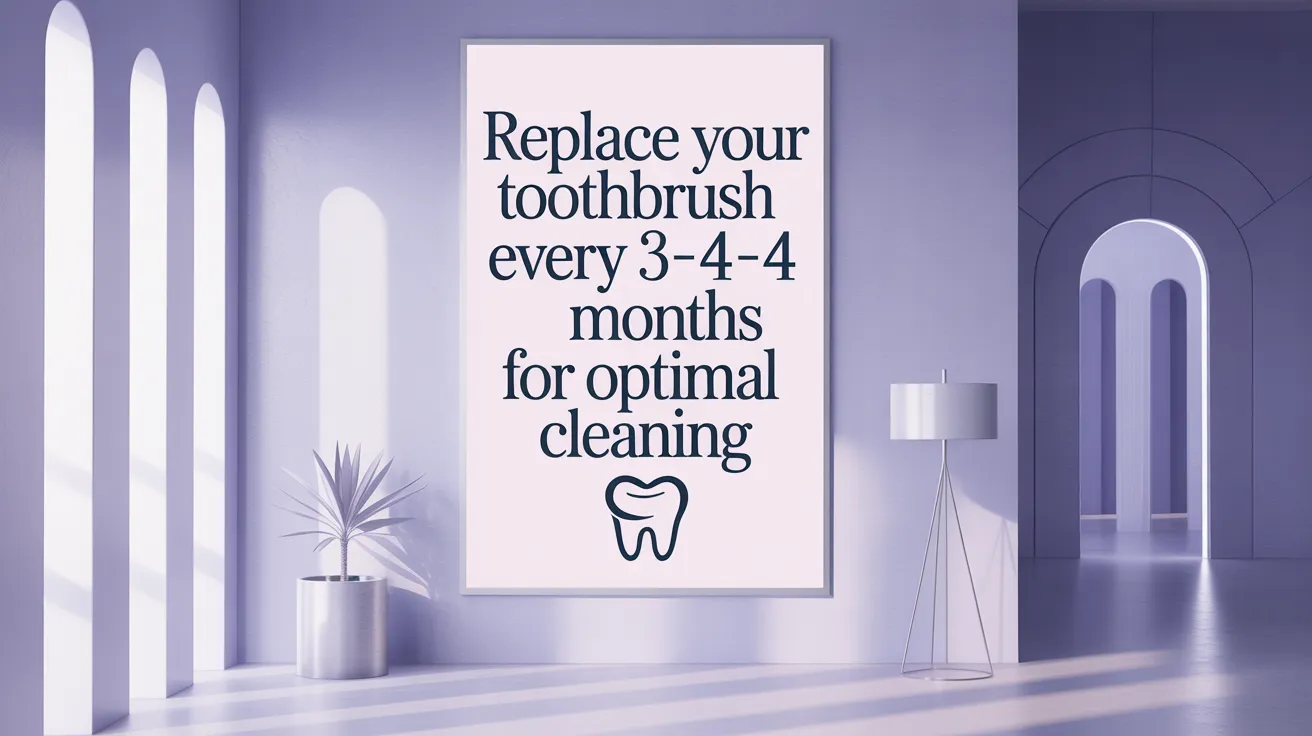
Why Replace Your Toothbrush Every Three to Four Months?
Replacing your toothbrush every three to four months is recommended to maintain effective cleaning. Over time, toothbrush bristles wear out and lose their ability to thoroughly remove plaque and debris from your teeth and gums. For more on Oral hygiene best practices, including the importance of replacing your toothbrush regularly, see this resource.
Preventing Bacterial Buildup on Toothbrushes
Old toothbrushes can harbor bacteria, which may increase the risk of oral infections. Regular replacement reduces bacterial accumulation, ensuring a cleaner tool that supports your oral health. Learn more about Oral Hygiene Best Practices and how proper tools help prevent bacterial buildup.
Maintaining Optimal Tools for Home Oral Care
Along with using fluoride toothpaste and proper brushing techniques, keeping your toothbrush fresh is a crucial part of your daily oral hygiene. Using a worn or contaminated toothbrush diminishes the benefits of your routine care, so timely replacement helps maintain optimal dental cleanliness and prevent dental problems. For detailed guidance, check Instructions for a good oral routine.
Empower Your Smile with Consistent Care and Professional Support
Essential Oral Health Habits for a Radiant Smile
Maintaining a healthy smile starts at home with simple daily practices. Brush your teeth twice a day for two minutes using a soft-bristled toothbrush and fluoride toothpaste. Floss daily to remove plaque and food debris from areas your toothbrush can’t reach. Don’t forget to gently brush your tongue to reduce bacteria and freshen breath. Using an alcohol-free antibacterial mouthwash can further help control harmful germs. Complement these habits with a balanced diet rich in calcium and vitamins, while limiting sugary and acidic foods that wear down enamel.
Integrating Dental Care into Overall Wellness
Oral health reflects and impacts your complete wellbeing. Gum disease and oral infections have been linked to serious conditions like heart disease, diabetes, and stroke. Keeping your mouth healthy supports your body's natural defenses and can prevent systemic problems. Regular professional cleanings and checkups, recommended at least twice a year, help detect issues early. Staying hydrated with fluoridated water and avoiding tobacco also play vital roles in safeguarding both dental and overall health.
Personalized Dental Support in Rio Rancho
Residents of Rio Rancho, NM benefit from access to dedicated dental professionals who emphasize patient comfort and tailored care. Practices such as Comfortable Dentistry 4U and Rio Rancho Dental Arts provide comprehensive services including preventive cleanings, restorative treatments, and cosmetic procedures. Scheduling regular dental visits ensures you receive expert guidance suited to your unique needs, empowering you to maintain a bright, confident smile for years to come.