

Understanding the Connection Between Emotional Stress and Dental Wellness
Chronic emotional tension often moves beyond the mind, triggering a physiological response that significantly influences oral health. When you experience prolonged stress, your body releases cortisol, a hormone that can suppress your immune system per 2024 research. This change leaves your gum tissue more vulnerable to infection, sometimes allowing gingivitis to progress into periodontitis according to the National Institutes of Health.
Common symptoms often include subconscious muscle tension, which frequently manifests as bruxism—the involuntary grinding or clenching of teeth as documented by the Cleveland Clinic. This habit can lead to significant dental wear, fractured enamel, and persistent jaw pain via NCBI research. Many people also notice an increase in painful mouth sores or developing issues with dry mouth, which reduces the saliva necessary to neutralize harmful bacteria.
At sbdental.com, we believe a proactive, patient-centered approach is the most effective way to protect your smile during high-stress periods. While other practices might offer generic guidance, our team performs thorough screenings to identify early signs of grinding patterns. By using custom-fitted appliances and maintaining a consistent hygiene schedule, we help you mitigate the long-term effects of stress before they require more complex intervention. Prioritizing regular cleanings ensures that even when life feels overwhelming, your dental wellness remains steady.
The Physiological Link Between Stress and Oral Health
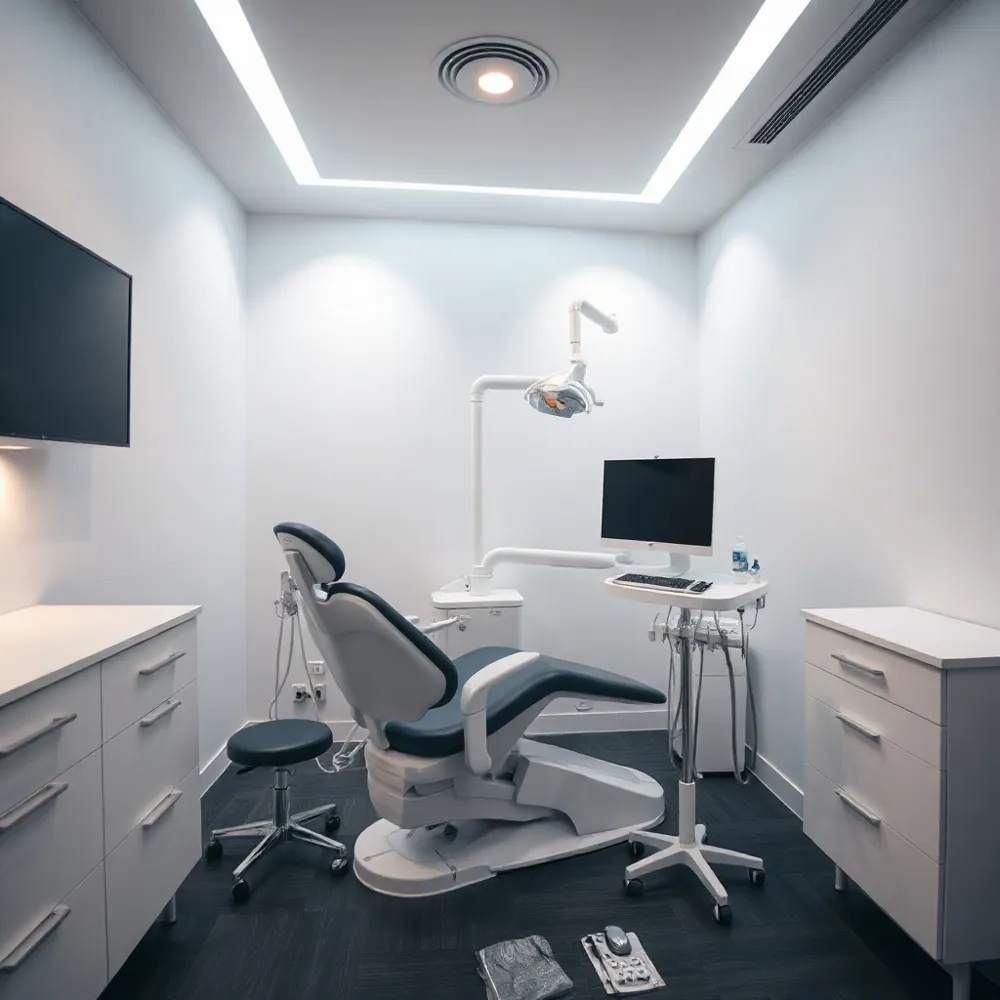 Chronic tension affects more than your peace of mind. When your body enters an extended state of stress, it triggers the sustained release of cortisol, a hormone that acts as a natural suppressant for your immune system. This systemic shift directly hinders your ability to fight off oral pathogens, leaving you more vulnerable to issues like periodontal disease and persistent infections.
At sbdental.com, we emphasize that a weakened immune system often struggles to protect gum tissue against the bacteria that cause inflammation. Unlike clinics that treat oral health in isolation, we focus on the systemic connection where cortisol reduces saliva production, compromising the mouth's primary defense against decay.
What is the relationship between stress and oral health?
Chronic stress significantly impacts your oral health by weakening your immune system and altering the body's natural defense mechanisms, making you more susceptible to infections and periodontal disease. The release of stress hormones like cortisol can reduce saliva production, leading to dry mouth and an increased risk of cavities, while also potentially masking the early symptoms of dental decay. Behaviorally, stress often leads to a neglect of daily hygiene routines and poor dietary choices that further jeopardize your dental wellness, as noted by PMC. Furthermore, stress commonly manifests physically through bruxism, or teeth grinding, which can cause muscle tension, jaw pain, and damage to your tooth enamel, per Cleveland Clinic.
Common symptoms of this cycle include increased sensitivity or recurring oral sores, which can be indicators that your body's defenses are overwhelmed. If you notice these signs, our team at sbdental.com provides proactive assessments to address these imbalances before they escalate into long-term damage.
Managing Bruxism and Stress Induced Jaw Pain
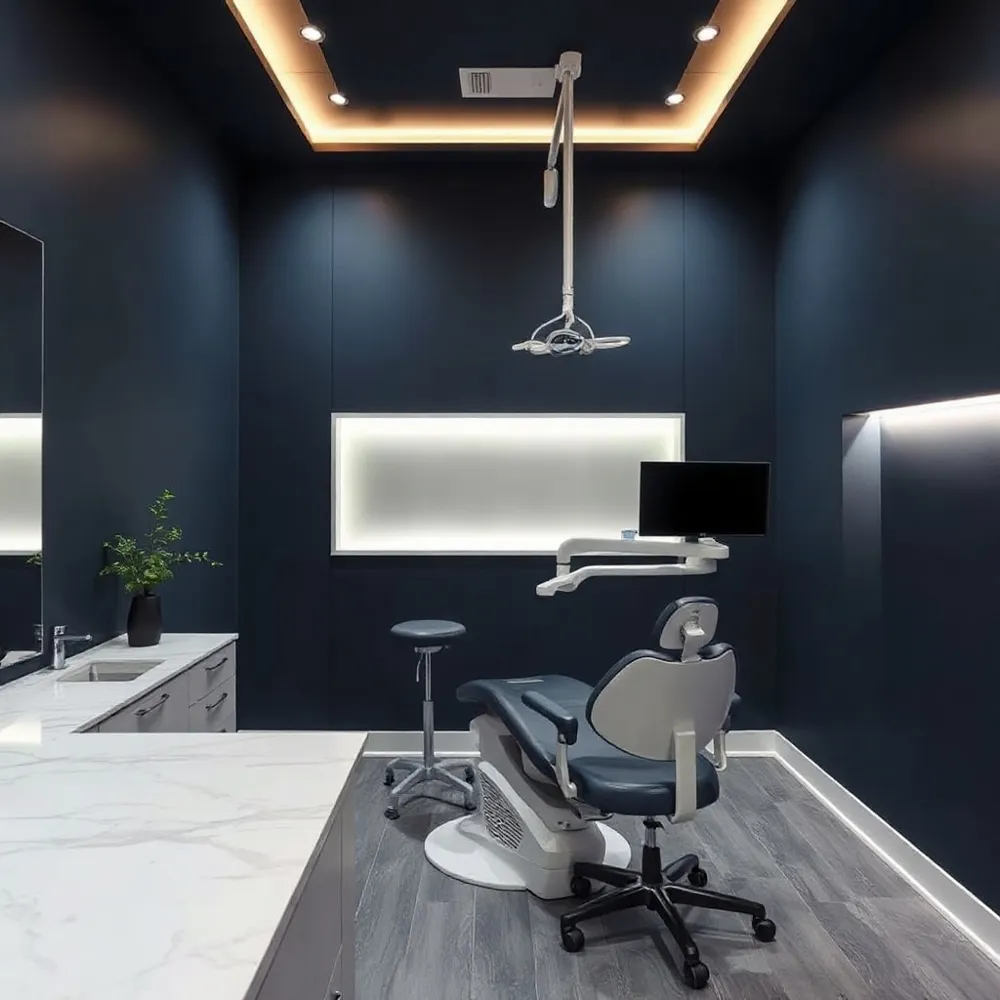 Chronic emotional tension often triggers the sympathetic nervous system, causing an involuntary shift toward muscle tightening as part of a stress response. This reaction frequently manifests in the oral cavity as bruxism, where patients subconsciously clench or grind their teeth. Experts at the Cleveland Clinic note that this habit often happens while awake or asleep, exerting immense pressure that can lead to enamel erosion, cracked teeth, and damage to existing dental work.
Can stress and anxiety cause tooth and jaw pain?
Yes, significant stress and anxiety can contribute to both tooth and jaw pain in several ways. Chronic emotional strain often leads to bruxism, which is the involuntary clenching or grinding of your teeth, frequently occurring during sleep or times of high pressure. This persistent force puts excessive strain on your jaw joints and muscles, often resulting in temporomandibular joint (TMJ) discomfort, facial soreness, and increased tooth sensitivity. Additionally, stress can heighten your body’s perception of pain and may even lead to poor oral hygiene habits that further exacerbate dental issues. If you are experiencing persistent discomfort, we encourage you to visit sbdental.com so we can assess your symptoms and provide a personalized plan to help you find relief and protect your smile.
How does stress contribute to bruxism (teeth grinding)?
Stress is a primary driver of bruxism, as the body often reacts to high levels of anxiety or emotional strain by reflexively holding tension in the jaw muscles. When you are under pressure, the nervous system can trigger a subconscious clenching response, leading to both awake bruxism and sleep-related grinding. According to research published in the National Institutes of Health, this activity can lead to various physical symptoms, including chronic tension headaches, earaches, tinnitus, and significant jaw muscle fatigue. Recognizing the link between your emotional well-being and your oral health is a vital first step, and we encourage you to reach out to our team to help protect your long-term dental integrity.
Addressing Oral Sores and Dry Mouth Symptoms
 When you face prolonged periods of emotional tension, the body often reacts in ways that disrupt your mouth's delicate environment. Canker sores, which are painful non-contagious ulcers appearing inside the mouth, frequently emerge during times of high pressure. These sores are often linked to a compromised immune system that struggles to maintain healthy oral tissue. At sbdental.com, we recognize that identifying these symptoms early is critical to your long-term comfort.
Beyond surface sores, stress often causes xerostomia, or dry mouth, by inhibiting adequate saliva production. Saliva serves as a natural defensive barrier against bacteria and food debris. When flow decreases, the mouth becomes more acidic, significantly raising your risk for tooth decay and cavity formation. This condition is particularly common during high-stress episodes when normal hydration habits may slip.
To mitigate these symptoms, focus on proactive daily management. Staying hydrated by drinking plenty of water remains your first line of defense against tissue irritation. Choosing sugar-free gum can also stimulate salivary glands, providing the moisture your mouth needs to cleanse itself. If you find yourself prone to painful sores, consider avoiding acidic or spicy foods like citrus and tomatoes until your tissues recover, as these can easily inflame sensitive areas. We recommend consistent routine care at sbdental.com to monitor these changes and ensure your oral health stays resilient even during challenging times.
Reversing Damage from Long Term Neglect
Neglecting your oral health for an extended period is a common experience, but you do not have to carry the burden of past dental avoidance alone. Many patients fear judgment when returning to a practice after several years, yet at sbdental.com, we prioritize a supportive, non-judgmental environment where your focus remains entirely on your path to recovery.
The first step toward restoration involves a comprehensive assessment to understand your unique needs. Unlike clinics that rush through diagnostic procedures, sbdental.com emphasizes gentle, methodical treatment planning. We help you establish a baseline for your oral wellness, ensuring that every step is taken transparently to rebuild your confidence and physical health.
Implementing the 2-2-2 rule for consistent recovery
Maintaining a steady rhythm is the most effective way to reverse damage from prolonged neglect. Our team recommends the 2-2-2 rule to keep your routine manageable and impactful. This involves brushing twice a day for two minutes, flossing daily to reach bacteria your brush misses, and scheduling two professional cleaning visits every year to manage potential issues before they escalate into periodontitis, which sbdental.com notes can progress from simple inflammation to significant bone destruction.
Supporting systemic health through lifestyle changes
Because oral health and general wellness are inextricably linked, your recovery plan extends beyond the chair. Per sbdental.com, addressing shared risk factors such as sugary diets, stress, and chronic inflammation helps protect your immune system. By incorporating these daily habits alongside expert care, you can effectively resolve long-term damage and reclaim a healthier, more vibrant smile.
Prioritizing Your Mental and Oral Wellbeing Together
Your oral health serves as a vital indicator of your overall state of being. When psychological stress begins to influence your physical habits, it often manifests through tension in the jaw or neglected hygiene routines. Integrating restorative practices such as mindfulness, daily exercise, and deep breathing can dampen your body's stress response, effectively shielding your teeth and gums from the impacts of anxiety.
Breaking negative stress-related habits requires a proactive shift. If you find yourself struggling to maintain consistent self-care, seeking support from behavioral health experts is a powerful step toward long-term wellness. At sbdental.com, we view our patients as partners in care. Unlike impersonal systems that often overlook the emotional roots of dental issues, our focus is on comprehensive, patient-centered approaches that address both your immediate comfort and the underlying causes of your tension.
Routine checkups act as a necessary safety net against the silent progression of stress-induced damage, such as periodontal disease or bruxism. We encourage you to schedule a visit to ensure these symptoms are managed early. By staying consistent with your appointments, you preserve the strength of your smile while maintaining a healthier balance between your mental and oral health.