

Understanding Gentle Laser Periodontal Therapy
Laser technology is employed in gum‑disease care because specific wavelengths (diode 810‑980 nm, Nd:YAG 1064 nm, Er:YAG 2940 nm) can selectively vaporize inflamed tissue and pathogenic biofilm while sparing healthy structures. The photothermal and photobiomodulatory effects lower bacterial load, achieve hemostasis, and stimulate fibroblast activity, which together promote faster, more comfortable healing.
Key benefits of a minimally invasive laser approach include reduced postoperative pain, swelling, and bleeding; often the need for sutures or extensive anesthesia; and quicker return to normal oral‑hygiene routines—typically within 24‑48 hours. Clinical data show probing‑pocket reductions of 1.5‑2.5 mm and modest gains in clinical attachment level, while patients report higher satisfaction compared with conventional flap surgery.
During a laser appointment the clinician first administers a local anesthetic, then uses a fine‑tipped fiber or handpiece to decontaminate the pocket and gently ablate diseased tissue. The laser simultaneously coagulates small vessels, creating a clean, blood‑free field. The whole session usually lasts 60‑90 minutes and is followed by simple post‑op instructions—soft diet, gentle brushing, and an antimicrobial rinse—to support rapid tissue re‑attachment and long‑term periodontal stability.
Pros, Cons, Cost, and Effectiveness of Laser Gum Treatment
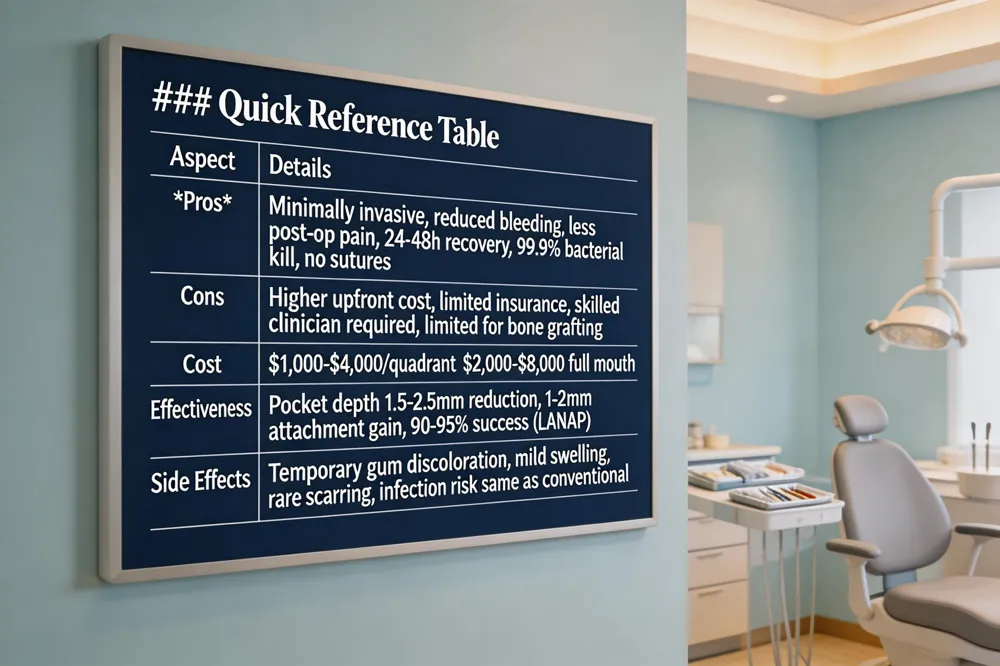 | |
| Laser therapy offers a minimally invasive alternative to traditional flap surgery. By using diode, Nd:YAG or Er:YAG wavelengths, it precisely ablates diseased tissue, achieves hemostasis, and can reduce bacterial load by up to 99.9 %. Patients typically experience less bleeding, reduced postoperative pain, and faster healing, often returning to normal activities within 24‑48 hours. Potential drawbacks include higher upfront costs, limited insurance coverage, and the need for skilled clinicians; advanced cases requiring extensive bone grafting may still need conventional surgery. Financially, treatment ranges from $1,000‑$4,000 per quadrant ($2,000‑$8,000 for a full mouth), with price variations based on disease severity and technology used. Clinical studies report pocket‑depth reductions of 1.5‑2.5 mm and clinical‑attachment gains of 1‑2 mm, translating to success rates of 90‑95 % for protocols such as LANAP. Disadvantages can include temporary gum discoloration, mild swelling, and, rarely, tissue scarring or pigment changes; infection risk remains comparable to other surgical methods. |

Side Effects, After‑Care, and Daily Habits After Laser Gum Surgery
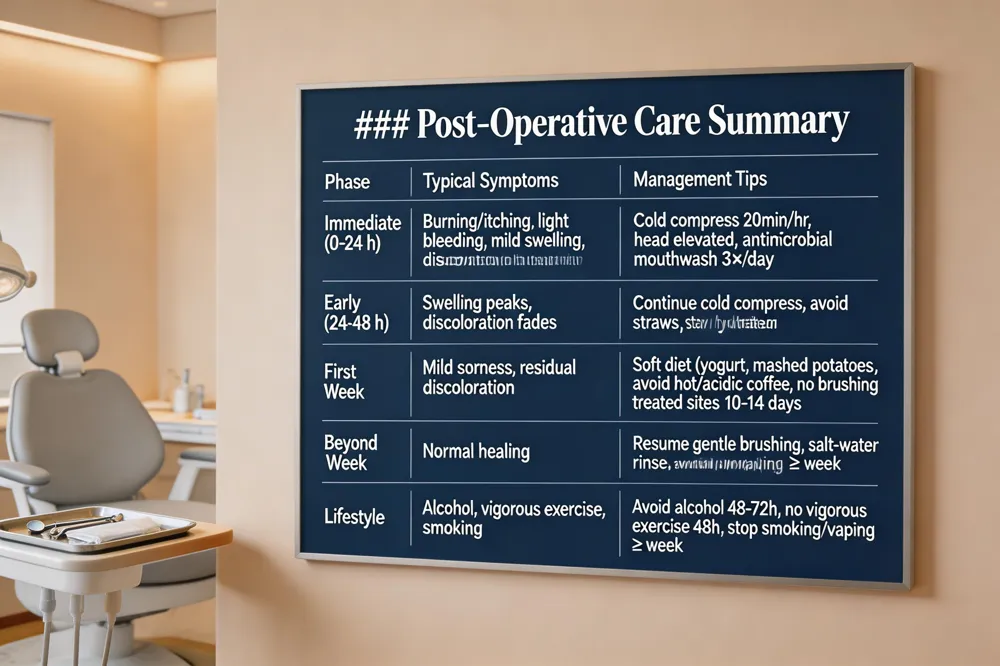 | ||
| Common short‑term reactions | ||
| Laser gum surgery is minimally invasive, yet patients may notice a brief burning or itching sensation during the procedure. Afterward, light bleeding, mild swelling, slight gum discoloration (gray‑yellow‑purple) and temporary tooth sensitivity are typical and usually resolve within 24‑48 hours. Rarely, a small amount of thermal irritation can cause delayed healing, but serious complications are uncommon when performed by a trained clinician. |

Managing bleeding, swelling, and discoloration Apply a cold compress for 20 minutes each hour on the day of treatment, keep the head elevated, and use a gentle antimicrobial or‑water rinse three times daily. Swelling and discoloration fade as the clot stabilizes and tissue re‑epithelializes.
Guidelines for diet, oral hygiene, and activity
- Diet: Liquids immediately; soft foods (yogurt, mashed potatoes, scrambled eggs) from day 2‑7; avoid straws for 24‑48 hours.
- Oral hygiene: Do not brush the treated sites for 10‑14 days; brush other areas with a soft brush. After the initial period, resume gentle brushing with a soft‑bristled brush and a mild salt‑water rinse.
- Activity: Rest the first day, then resume light activities; avoid vigorous exercise for 48 hours.
Alcohol, coffee, and other lifestyle considerations Avoid alcohol for at least 48‑72 hours (or until cleared) because it thins blood and can disrupt clot formation. Skip hot or acidic coffee for the first 24‑48 hours; when resumed, sip cool, lukewarm coffee without a straw. Refrain from smoking, vaping, and strenuous oral habits for at least a week to support optimal healing.
Accelerating Gum Tissue Healing After Laser Therapy
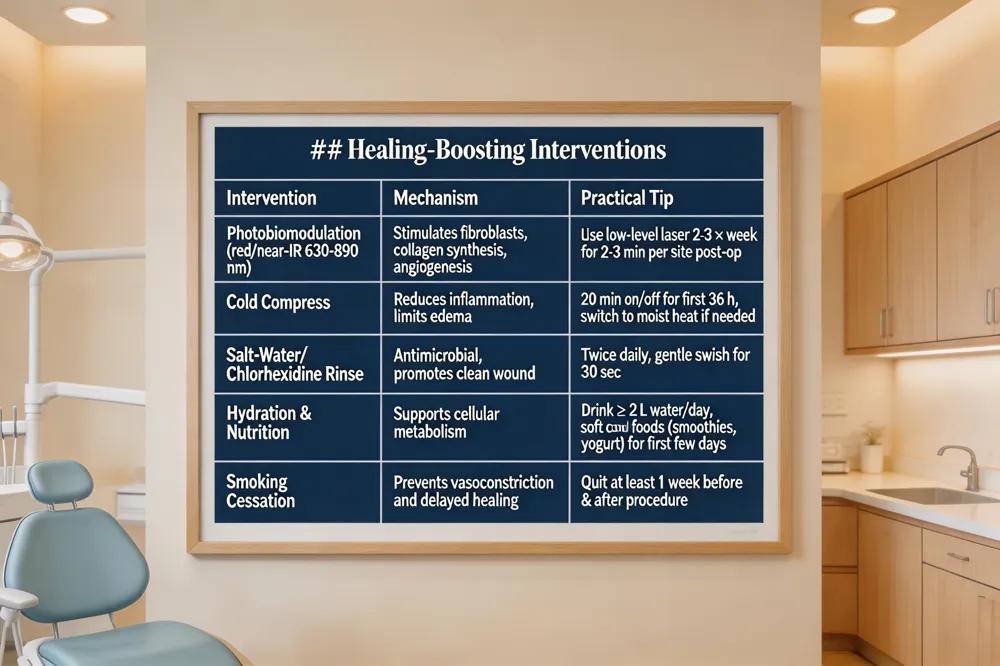 | ||
| Laser energy does more than cut; its biostimulatory effect (photobiomodulation) activates fibroblasts, boosts collagen synthesis, and promotes angiogenesis, speeding the re‑epithelialization of treated pockets. |

Practical post‑operative care tips – Follow your dentist’s instructions: rest with the head elevated for the first 24‑48 hours, apply a cold compress (20 min on/off) for the initial 36 hours, and then switch to moist heat if needed. Use a gentle salt‑water or chlorhexidine rinse twice daily, avoid brushing the treated area for 48 hours, and keep the mouth clean with a soft‑bristled toothbrush around the site after a week.
Lifestyle choices that influence recovery – Stay well‑hydrated, quit smoking, limit alcohol, and avoid hot, spicy, or acidic foods that can irritate the gums. Eat soft, cool foods (smoothies, yogurt, mashed potatoes) for the first few days, then transition to soft solids. Regular gentle oral hygiene and a balanced diet support tissue regeneration.
When to seek professional help – Contact your dentist if swelling worsens after 48 hours, bleeding persists beyond a few days, pain becomes severe, or you develop fever or pus. Prompt evaluation prevents complications and ensures optimal healing.
Laser Technology, Wavelengths, and Safety Protocols
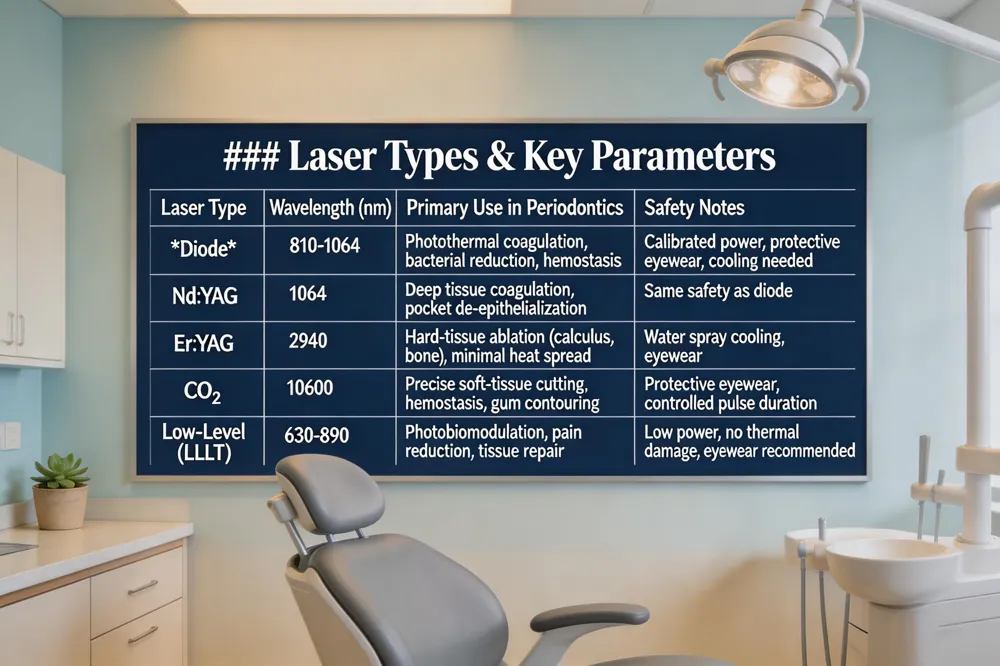 | |||
| Diode (810‑1064 nm), Nd:YAG (1064 nm), Er:YAG (2940 nm) and CO₂ (10 600 nm) lasers each target specific periodontal tissues. Diode and Nd:YAG lasers provide photothermal effects that coagulate vessels, reduce bacterial load and aid hemostasis, while Er:YAG and CO₂ lasers efficiently ablate calculus and hard tissue with minimal heat spread. Low‑level photobiomodulation (red‑near‑infrared 630‑890 nm) stimulates fibroblasts, collagen and angiogenesis, accelerating soft‑tissue repair. Safety protocols require calibrated power settings, protective eyewear for patient and staff, and cooling to prevent thermal injury; contraindications include pregnancy, photosensitivity, pacemakers and uncontrolled systemic disease. Emerging AI‑driven laser platforms promise real‑time wavelength selection and dose optimization, enhancing precision and reducing operator variability. |

Mouth laser treatment uses a focused light beam to remove diseased tissue, reshape gums and sterilize the site, often eliminating drills, sutures and extensive anesthesia. Red‑level laser therapy (630‑660 nm) reduces gum inflammation by stimulating mitochondrial activity and blood flow, supporting tissue repair. Soft‑laser therapy (As‑Ga, He‑Ne) shows modest pain relief but limited evidence of superior healing in periodontal surgery. Laser non‑surgical therapy adjunctively disinfects pockets, de‑epithelializes tissue and improves root surfaces, delivering better short‑term pocket‑depth reduction and patient comfort than scaling alone.
Key Laser Procedures: Curettage, LANAP, and Gum Reduction
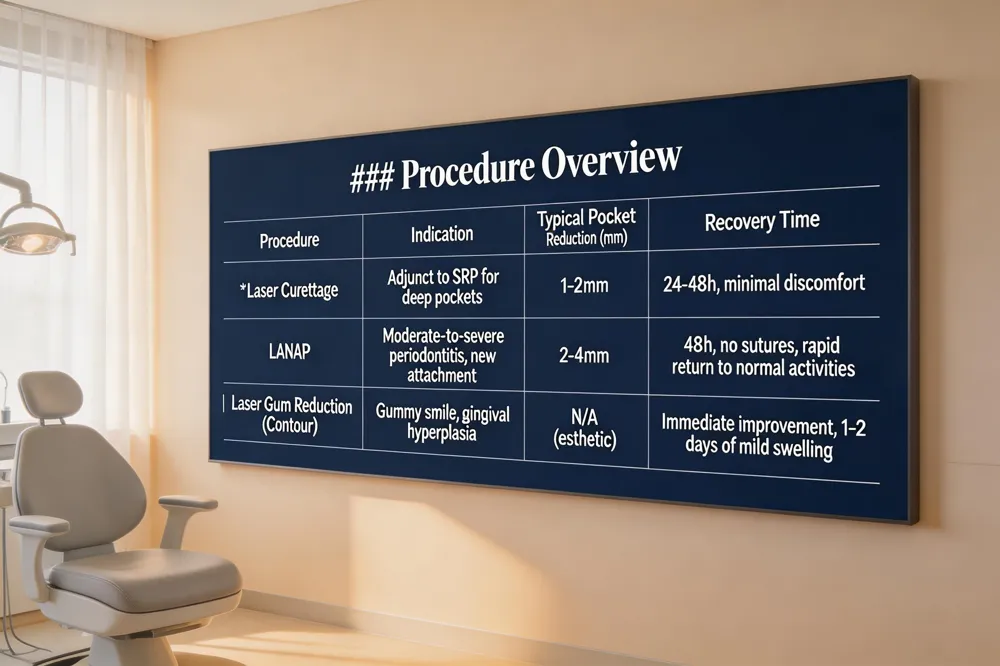 | |||
| Laser curettage is a minimally invasive adjunct to scaling and root planing. A focused diode or Nd:YAG beam removes diseased soft tissue and bacterial biofilm from deep pockets, reducing probing depth, bleeding and promoting faster re‑attachment of gums to teeth. LANAP (Laser‑Assisted New Attachment Procedure uses an 810‑nm diode or Nd:YAG laser to selectively ablate inflamed pocket epithelium while preserving healthy connective tissue. The laser creates a sterile fibrin clot that encourages natural bone and connective‑tissue regeneration, delivering pocket‑depth reductions of 2‑4 mm and clinical‑attachment gains with little pain, no sutures and a 48‑hour recovery. Laser gum reduction (gum contouring) precisely trims excess gingiva that creates a “gummy” smile or uneven gumline, using diode or CO₂ lasers that coagulate vessels for a blood‑free field, resulting in rapid healing and immediate aesthetic improvement. For gingival hyperplasia, soft‑tissue lasers (CO₂, Nd:YAG, diode, Er:YAG) ablate overgrown tissue while sterilizing the site, minimizing bleeding, scar formation and postoperative discomfort. |

Patient Experience, Reviews, and Comparative Effectiveness
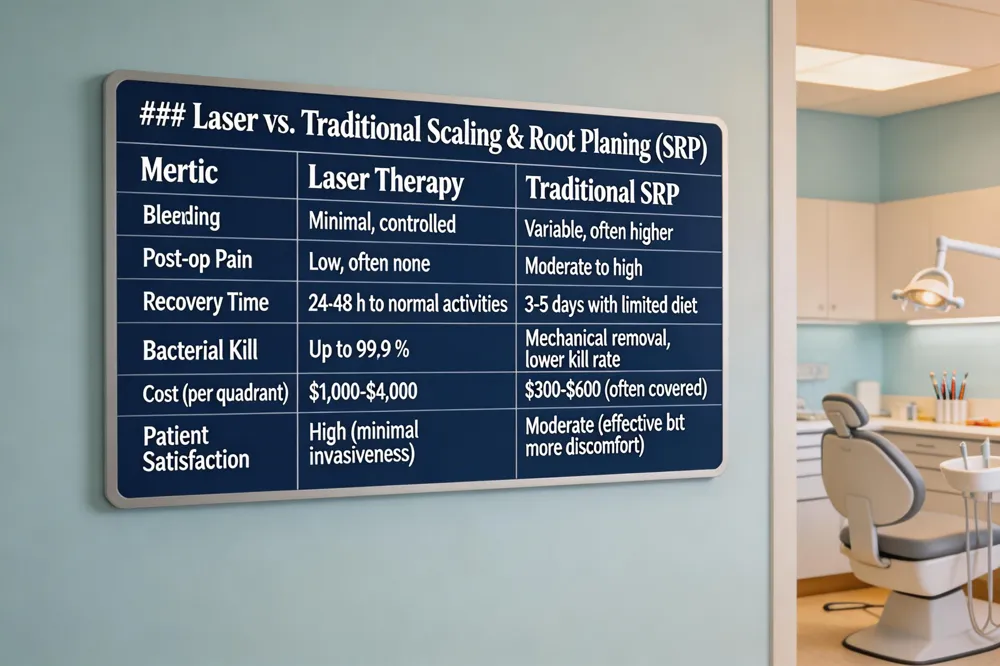 | ||
| Real‑world patient feedback consistently highlights the gentle nature of laser periodontal therapy. Many describe a "minimally invasive" experience with little bleeding, reduced swelling, and a quick return to normal activities, especially when compared with traditional scaling and root planing (SRP). Clinical reviews confirm that lasers can disinfect deep pockets, achieve up to a 99.9 % bacterial kill rate, and promote faster tissue healing, though systematic reviews note that long‑term, large‑scale studies are still limited. |

When laser gum treatment is pitted against deep cleaning, the laser’s focused light eliminates bacteria and diseased tissue beneath the gumline while preserving healthy structures, often resulting in less postoperative discomfort. SRP remains highly effective at mechanically removing heavy calculus and plaque, but it can cause more pain and swelling. Cost is higher for laser therapy (≈$1,000‑$4,000 per quadrant) and may not be fully covered by insurance, whereas deep cleaning is usually covered.
Overall effectiveness of laser therapy is strong for appropriate candidates, showing significant pocket‑depth reductions, clinical attachment gains, and lower risk of tooth loss. Choosing laser over conventional methods should consider disease severity, pain tolerance, budget, and the clinician’s expertise with laser protocols. A personalized consultation with a qualified periodontist ensures the best fit for each patient’s gum‑health goals.
Finding Laser Periodontal Care Near You and Understanding Costs
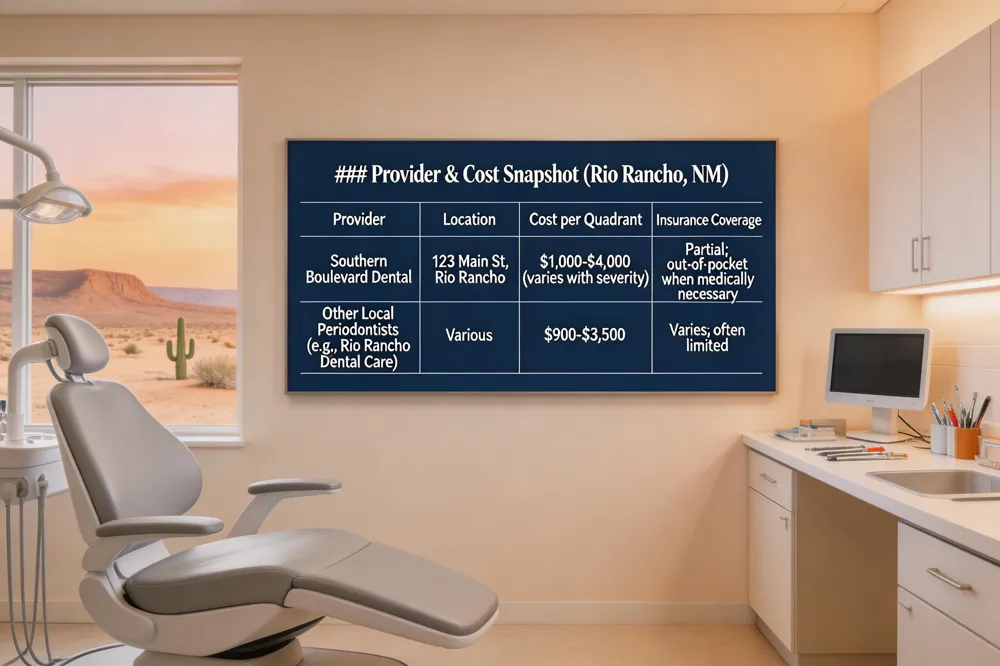 | |||
| Laser assisted periodontal therapy is now readily available in Rio Rancho, NM. Southern Boulevard Dental offers the FDA‑cleared LANAP system, which uses a precise diode or Nd:YAG laser to disinfect pockets, remove diseased tissue, and seal wounds while minimizing bleeding, pain, and swelling. During your initial consultation the periodontist performs a comprehensive exam, measures pocket depths, and creates a customized treatment plan that outlines the number of laser passes, any adjunctive scaling, and expected healing timelines. |

Laser assisted periodontal therapy near me – Our Rio Rancho office provides minimally invasive laser gum care that speeds recovery and often eliminates the need for sutures or extensive anesthesia.
Laser assisted periodontal therapy cost – Typical pricing ranges from $1,000 to $4,000 per quadrant, depending on disease severity and the number of sessions. Full‑mouth treatment may fall between $2,000 and $8,000.
Laser periodontal therapy near me – Southern Boulevard Dental’s skilled team delivers laser‑assisted periodontal therapy with a patient‑focused, comfortable approach.
Insurance may cover part of the procedure when deemed medically necessary, but many patients pay out‑of‑pocket. We offer flexible payment options and a complimentary consultation to provide a clear, personalized cost estimate before any work begins.
Future Directions and Safety Considerations in Laser Periodontics
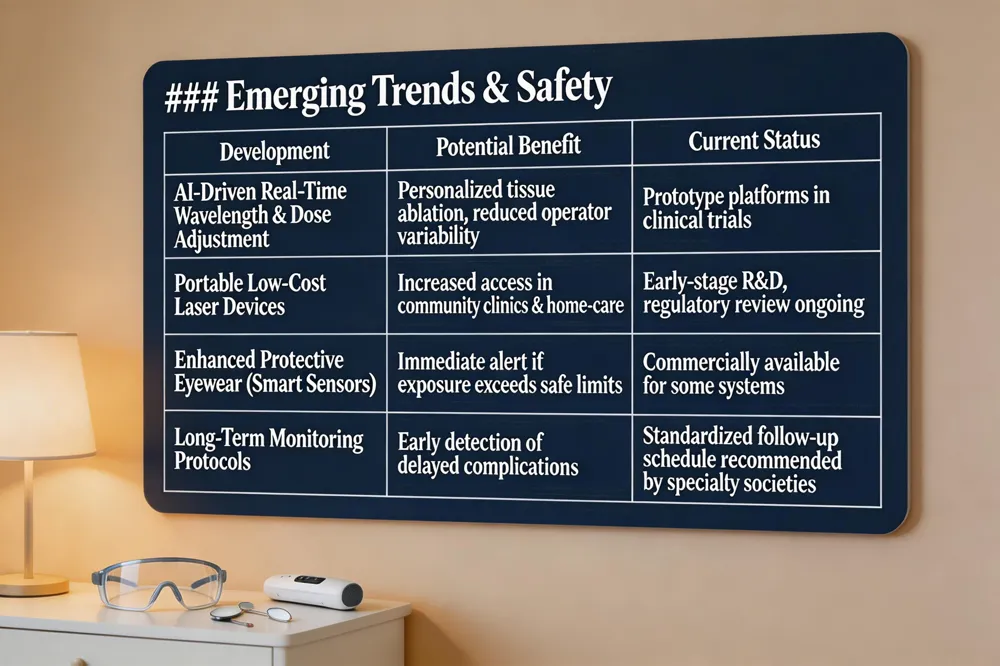 | ||
| Emerging AI‑driven laser systems promise real‑time adjustment of wavelength and power, allowing clinicians to personalize tissue ablation while minimizing thermal damage. At the same time, portable, low‑cost devices are being developed to bring minimally invasive periodontal care to community clinics and even home‑care settings. Safety protocols remain essential: clinicians must wear protective eyewear and calibrate settings for each tissue type, and follow strict sterilization procedures. Contraindications include pregnancy, photosensitivity, pacemaker presence, and uncontrolled systemic disease. Long‑term monitoring involves regular periodontal charting, radiographs, and maintenance visits to assess attachment stability and detect any delayed complications. | ||
| What are the disadvantages of laser therapy in periodontics? Scarring, tissue pigment changes, and infection are possible long‑term risks, though they are uncommon when protocols are followed. | ||
| Laser gum surgery side effects include a brief burning or itching sensation during treatment, followed by light bleeding, slight swelling, mild gum discoloration, temporary tooth sensitivity, and rare temporary gum recession. | ||
| Laser assisted periodontal therapy cost ranges from $1,000‑$4,000 per quadrant (≈$2,000‑$8,000 for a full mouth), with insurance coverage variable; Southern Boulevard Dental offers a complimentary consultation for personalized estimates. |

The Gentle Future of Gum Health
Laser‑assisted periodontal therapy has proven to lower pocket depths, improve clinical attachment levels, and reduce bleeding on probing while delivering less postoperative pain and swelling than traditional flap surgery. Soft‑tissue diode and Nd:YAG lasers selectively vaporize diseased gum tissue, sterilize pockets, and promote hemostasis, creating a cleaner surgical field and faster healing. At Southern Boulevard Dental, each treatment plan is customized to the patient’s unique periodontal status, oral‑hygiene habits, and health history. Our certified periodontists select the optimal wavelength—whether diode, Nd:YAG, or Er:YAG—and adjust power settings to maximize bacterial reduction while protecting healthy tissues. We combine laser debridement with meticulous scaling and root planing, then guide patients through a gentle post‑operative regimen that includes soft foods, antimicrobial rinses, and protective eyewear protocols. If you’re curious about how laser technology can fit into your gum‑health journey, schedule a consultation with our team; we’ll explain the options, address safety concerns, and design a comfortable, evidence‑based plan tailored just for you.