

Why Dental Costs Matter
The Rising Unaffordability of Dental Care
The financial barrier to dental care is significant. A 2023 study found that 58% of individuals consider dental care unaffordable, even those with dental insurance. This widespread concern is the primary reason people postpone or skip necessary treatment, leading to more serious problems down the road.
The Impact of Delayed Treatment
Delaying care often turns a simple issue into a costly one. An alarming 83% of respondents in the same study said they would consider postponing emergency dental treatment due to cost. This can transform a manageable condition into a complex, expensive procedure, sometimes requiring root canals, extractions, or even hospital care.
The Importance of Preventive Care
Regular preventive visits—including cleanings, exams, and X-rays—are the most effective way to manage long-term costs. Most insurance plans cover these services at 100%, helping patients avoid restorative work. Prioritizing prevention is not just about saving money; it is essential for maintaining overall health and avoiding more complex treatments. | Aspect | Key Insight | | --- | --- | | Unaffordability | 58% of people find dental care unaffordable, even with insurance. | | Delayed Treatment | 83% would postpone emergency care due to cost, worsening outcomes. | | Preventive Care | Regular visits catch problems early, reducing the need for expensive procedures. |
Membership Plans & Discount Programs
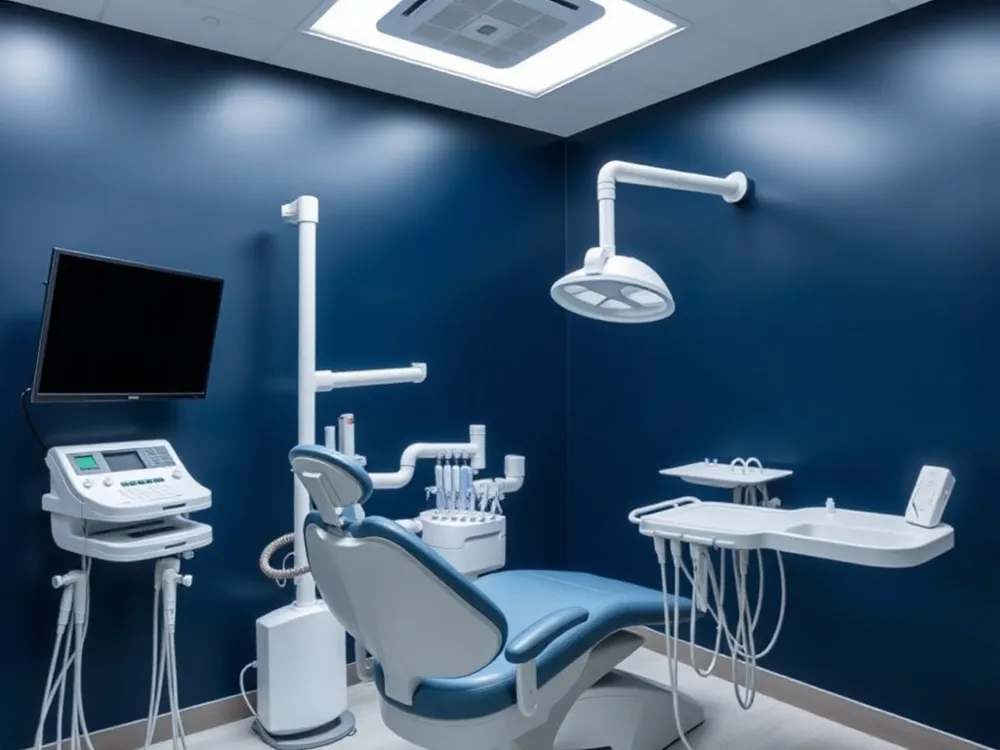
Understanding Dental savings plans, also known as discount plans, are membership programs that offer reduced fees on dental procedures. For an annual fee, typically $80–$200, members receive discounts of 10–60% from participating dentists. Unlike insurance, there are no deductibles, annual maximums, or no waiting periods. You simply pay the discounted rate directly at the time of service. This makes them an excellent option for individuals without employer-sponsored insurance, including freelancers, part-time workers, and retirees.
Cigna Dental Savings Plan: A Closer Look
The Cigna Dental Savings Plan is a membership-based discount program that provides savings of 15–40% on a wide range of services. For a low annual fee, members can access care immediately after enrollment—no waiting periods. You pay the discounted fee at the appointment, and the plan handles claim paperwork. This can be a cost-effective alternative to traditional insurance, especially for those needing major work like crowns or implants.
No Waiting Periods: Immediate Savings
A key advantage of dental savings plans is the absence of waiting periods. You can schedule care as soon as you join, which is ideal for urgent needs. This contrasts with traditional insurance, which often requires waiting 6–12 months for major procedures. Plans from providers like Cigna, Humana, and UnitedHealthcare all highlight this immediate-access feature.
Comparing Discount Plans vs. Insurance
| Feature | Dental Savings Plan | Traditional Insurance |
|---|---|---|
| Cost | Annual fee ($50–$200) | Monthly premiums ($25–$50) |
| Waiting Periods | None | Common (6–12 months for major work) |
| Annual Maximum | None | $1,000–$2,000 |
| How You Pay | Discounted fee at visit | Copays, deductibles, coinsurance |
| Best For | Immediate care, major procedures | Routine preventive care for families |
Free and Low-Cost Dental Discount Cards
For a truly no-cost option, the Carefree Dental card is available for free with no obligation. It provides 15–50% savings at over 262,000 participating locations. While activation may involve a fee, the card itself is free, and there is a 30-day money-back guarantee. This is a practical way to access discounted care without any upfront membership commitment.
Best Discount Plans & Treatment‑Specific Costs
 What is the best dental discount plan for adults?
The best adult discount plan depends on your location and needs, but top national options include plans from Cigna, Humana, and networks through DentalPlans.com. These plans offer 20–50% savings on most procedures with no waiting periods, deductibles, or annual maximums—ideal for adults wanting predictable costs. Humana’s Dental Savings Plus provides 20–40% discounts, while Cigna’s plans often include added lifestyle benefits. Comparing network dentists, covered procedures, and monthly fees is key. At Southern Boulevard Dental, we recommend discussing your options with your dentist to find a plan matching your specific needs.
Understanding the 80/20 rule in dentistry
The 80/20 rule (Pareto Principle) applies to dental practice management: 80% of income typically comes from 20% of patients, while 20% of clinical time often generates 80% of revenue. This suggests focusing on high-value, loyal patients can increase profitability and reduce stress. Many dentists find that gently raising fees naturally attracts ideal patients and helps build a more efficient practice.
Metal crown tooth price
Metal crowns cost between $900 and $2,500 per tooth, averaging around $1,300. Made from gold or base metal alloys, they offer exceptional durability of 7–20+ years, making them ideal for back molars where chewing forces are greatest. Final price varies by location, alloy type, and additional procedures like core buildups. Most dental insurance covers about 50% of the cost.
Price of crowns for teeth
Dental crown costs typically range from $800 to $2,500 without insurance, depending on the material. The national average for a porcelain crown is around $1,399, while temporary resin crowns average $697. Additional procedures like exams, X‑rays, or root canals can increase total cost. Many insurance plans cover 50% of medically necessary crowns, subject to annual caps.
Cost for teeth caps
Dental crowns (tooth caps) range from $697 to $2,500 per tooth. Porcelain crowns average $1,399, metal crowns $900–$2,500, and temporary resin crowns about $697. Factors include tooth location, material, and insurance coverage. For an accurate estimate, schedule a consultation at Southern Boulevard Dental.
I need dental work but have no money
If you need dental work but lack funds, consider dental school clinics where supervised students provide reduced‑rate services. Federally Qualified Health Centers offer sliding‑scale fees based on income. Nonprofits like Dental Lifeline Network provide free comprehensive care for adults over 65, those with permanent disabilities, or serious medical needs. Some dentists offer membership savings plans or host free care days, and events like Mission of Mercy clinics can help. For children, Medicaid and CHIP may cover costs.
General Cost Reduction & Insurance Tools
General Cost Reduction & Insurance Tools
How can I lower my dental costs? Ask your dentist about in‑house membership plans, which offer fixed annual rates for routine care. Federally Qualified Health Centers and dental school clinics provide sliding‑scale or reduced fees. Nonprofit events such as Give Kids A Smile offer free services, while Medicaid and CHIP cover children in low‑income families.
Dental work tax deductible? Yes, if you itemize deductions on Schedule A. Qualified medically necessary treatments exceeding 7.5% of your adjusted gross income are deductible, but cosmetic procedures like whitening are not. Transportation costs to appointments may also qualify.
Best dental insurance cost reduction? Choose low‑deductible plans or dental savings plans (e.g., Cigna, Spirit Dental) that offer up to 50% off without annual limits. Compare providers for no waiting periods and ensure your preferred dentist is in‑network to maximize savings.
Should I get dental insurance for wisdom teeth removal? Dental insurance often covers 70–80% of the procedure after the deductible. Check waiting periods and annual maximums before enrolling to avoid surprises.
Finding low‑cost clinics: Community health centers, dental schools, and the Dental Lifeline Network offer reduced‑cost care. Use the Health Insurance Marketplace for child coverage and explore state Medicaid programs for eligible adults.
Community Resources & Preventive Rules
Low Income Dental Clinic Near Me
Community health centers and dental schools offer sliding‑scale fees based on income. In New Mexico, First Choice Community Healthcare and the University of New Mexico School of Dentistry provide affordable care. The New Mexico Mission of Mercy also hosts free annual events.
What Is the 2‑2‑2 Rule in Dentistry?
Brush your teeth twice a day for two minutes each time, and visit your dentist twice a year. This simple routine removes plaque daily and catches issues early, preventing costly restorative work.
What Is the 3‑3‑3 Dental Rule?
For dental pain, take 3 tablets of ibuprofen (200 mg each) every 3 hours for a maximum of 3 days to control inflammation, which is the primary cause of most toothaches.
Can a Dentist Prescribe Ambien?
Yes, dentists can prescribe sedative‑hypnotics like Ambien (zolpidem) or benzodiazepines such as Valium to manage anxiety during procedures.
Free Dental Care for Adults Without Insurance
Adults without insurance can access low‑cost care through community health centers, dental schools, and programs like Dental Lifeline Network, which serves seniors and people with disabilities. Contact your local health department to learn about free or sliding‑scale services in your area.
Dental Care for Low‑Income Adults & Denture Options
What options exist for low‑income adults seeking dental care?
Low‑income adults can access care through federally qualified health centers that adjust fees based on income, often at no cost. Government programs like Medicaid (called Denti‑Cal in California) provide essential services, and similar coverage is available in New Mexico through the state’s Medical Assistance Program. Calling 2‑1‑1 helps locate nearby low‑cost clinics. Community dental fairs, such as the New Mexico Mission of Mercy, offer free screenings and basic treatment.
How much do dentures cost?
Denture prices vary widely by type and quality. National averages range from around $452 for budget options to over $6,514 for premium dentures (dentures may run $1,000–$28,000). At Southern Boulevard Dental in Rio Rancho, we offer personalized consultations to choose dentures—full, partial, or implant‑supported—that fit your budget. Contact our office for a custom estimate.
What resources are available for uninsured adults?
Uninsured adults can turn to nonprofit programs like Donated Dental Services, which provides free care to qualifying individuals. Many dental schools and community health centers offer sliding‑scale fees. Your local health department and Southern Boulevard Dental can help connect you with assistance programs.
Putting It All Together – Actionable Next Steps
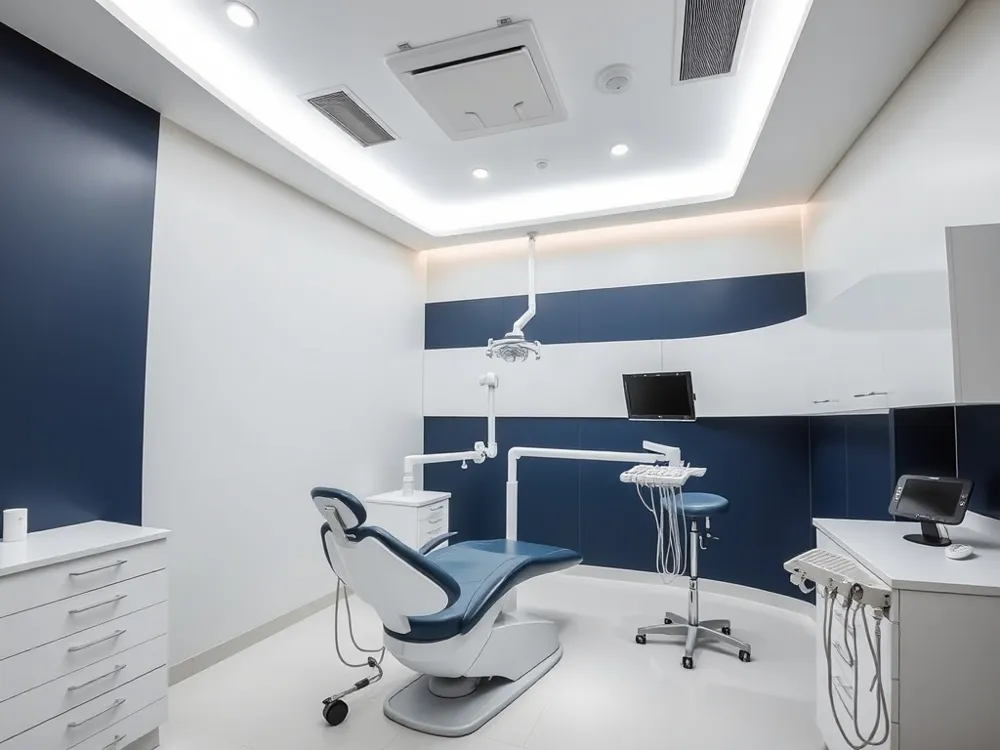
Create a personalized oral-health plan
Start by scheduling a consultation to build a care roadmap tailored to your needs and budget. Discuss your financial situation openly with your dentist—practices can often suggest alternative materials or adjust treatment timelines to spread costs. A clear, itemized treatment plan lets you prioritize essential procedures and avoid surprises.
Leverage preventive care to avoid big bills
Preventive visits (cleanings, exams, X‑rays) catch small issues before they become expensive problems like root canals or crowns. Most insurance and discount plans cover preventive services at the highest level—often 100%. Daily brushing, flossing, and a low‑sugar diet further reduce the need for costly restorative work.
Select the right financing or membership option
Review the following options to find the best fit for your situation:
| Option | How It Works | Key Detail |
|---|---|---|
| Traditional dental insurance | Monthly premium; covers preventive at 100%, shares cost of other procedures | Annual max $1,000–$2,000; deductibles apply |
| Dental savings (discount) plan | Annual fee ($80–$200); 10–60% off at participating dentists | No waiting periods or deductibles |
| In‑office membership plan | Fixed monthly/annual fee; free or discounted routine care | Predictable costs; no insurance needed |
| Third‑party financing (e.g., CareCredit) | Revolving credit; often 0% APR promotional periods | Practice paid quickly; patient pays over time |
| FSA/HSA pre‑tax accounts | Withhold pre‑tax dollars for dental expenses | Reduces effective cost by up to 30% |
Stay informed about local resources
Federally Qualified Health Centers and dental school clinics offer sliding‑scale fees based on income. Charitable programs such as Dental Lifeline Network and Give Kids A Smile provide free or low‑cost services for qualifying patients. Check with your county health department or call 2‑1‑1 to find nearby reduced‑care options.
Your Path to Affordable, High‑Quality Dental Care
From sliding-scale fees and dental school clinics to in-house membership plans and third-party financing, the ten strategies above show that high-quality dental care can fit your budget. Regular preventive visits and smart use of FSAs or HSAs further reduce long-term costs.
Take the Next Step Today
Putting off care often leads to more expensive problems. Contact Southern Boulevard Dental today to discuss which option—discount plan, financing, or community resource—works best for your needs. Our team is ready to create a personalized, stress‑free plan that keeps your smile healthy and your wallet comfortable.