
Why Budget‑Friendly Dental Care Matters
Good oral health is a cornerstone of overall wellbeing; untreated decay or gum disease can affect nutrition, heart health, and confidence. Yet dental procedures are becoming increasingly expensive, with a single crown often exceeding $1,500 and cosmetic treatments such as veneers reaching $2,500 per tooth. Because costs add up quickly, many patients postpone care, which can lead to more complex, costly problems later. Prioritizing preventive care—regular cleanings, fluoride treatments, and early cavity detection—can stop issues before they require major work, saving both money and discomfort. Smarter planning further reduces expenses: using flexible spending accounts or health‑saving accounts, taking advantage of dental discount or membership plans, and scheduling work during promotional periods or off‑peak seasons can cut fees by 10‑50 %. Together, these strategies keep smiles healthy without breaking the bank. By combining good habits with smart financial tools, families can enjoy lasting oral health and a brighter smile.
Navigating Free and Low‑Cost Dental Resources
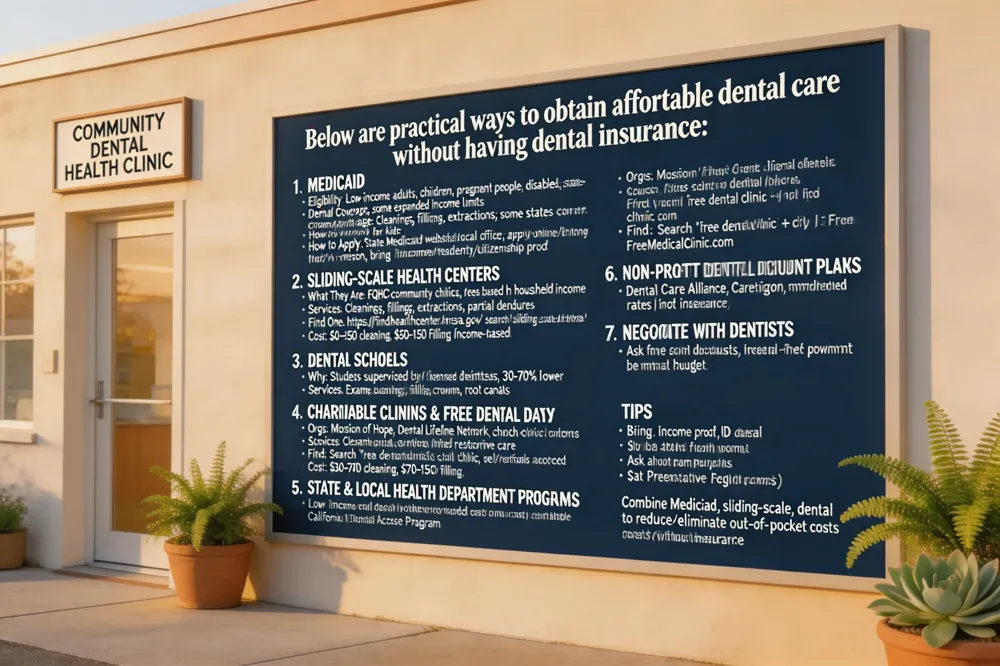
Finding affordable dental care without insurance is easier than many think, especially when you know where to look.
Eligibility for Medicaid and CHIP– Children and teens qualify for comprehensive dental coverage through Medicaid and CHIP in every state; adults may receive emergency and preventive services in many states, so checking your state’s Medicaid portal is a first step.Sliding‑scale community health centers– Federally Qualified Health Centers (FQHCs) and local public health departments offer dental services on a sliding‑scale based on income. The HRSA “Find a Health Center” tool lets you locate centers in Rio Rancho and surrounding areas that will treat adults for as little as $25 after income verification.Dental schools and student clinics– The University of New Mexico College of Dental Medicine and other dental schools charge only material and lab fees, providing supervised care at 30‑50 % lower rates than private practices.Charitable programs– Organizations such as Dental Lifeline Network, Mission of Mercy, and Give Kids A Smile host free‑clinic days and volunteer‑driven events. The New Mexico Mission of Mercy, for example, offers no‑cost fillings, extractions and cleanings on a first‑come, first‑served basis.Practical steps for adults without insurance – Start by contacting Southern Boulevard Dental, which can help you verify Medicaid eligibility, connect you with nearby FQHCs, and refer you to student clinics or charitable events. Bring proof of income (pay stubs, tax returns, SSI/VA benefits) and identification to any appointment. The practice also offers flexible financing and payment‑arrangement options for any remaining costs, ensuring essential dental care is within reach.
Financing Options When Cash Is Tight
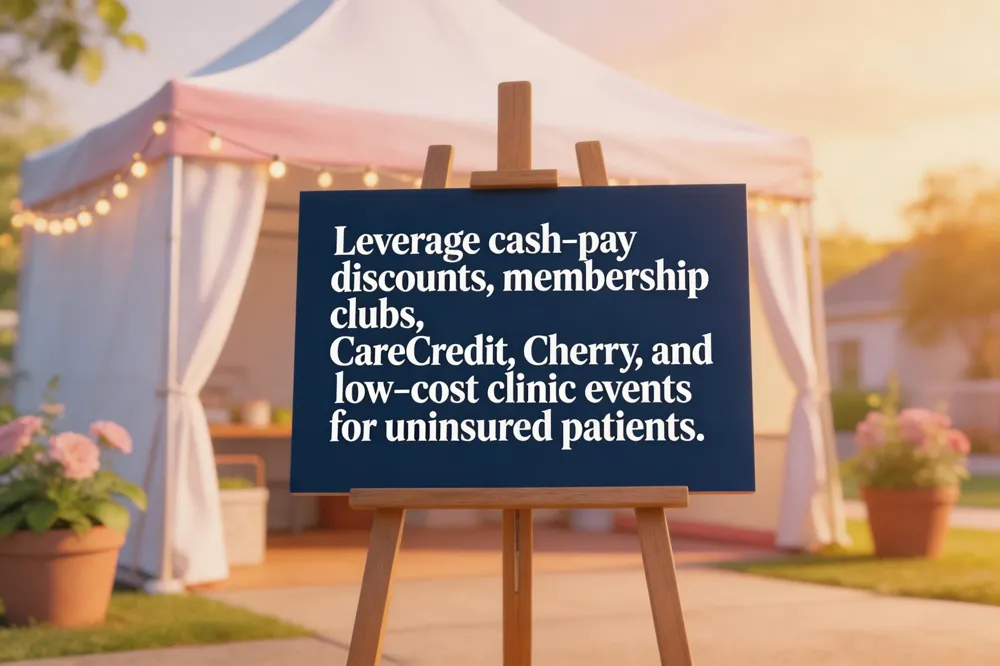
Low cost dental care for uninsured– Take advantage of cash‑pay discounts, membership clubs, local free‑clinic events, school‑based clinics, and Medicaid‑eligible programs.Financing options for cosmetic work – Use CareCredit or Cherry for monthly payments, and apply membership discounts for veneers, bonding, or whitening.
Budget‑Friendly Cosmetic Solutions
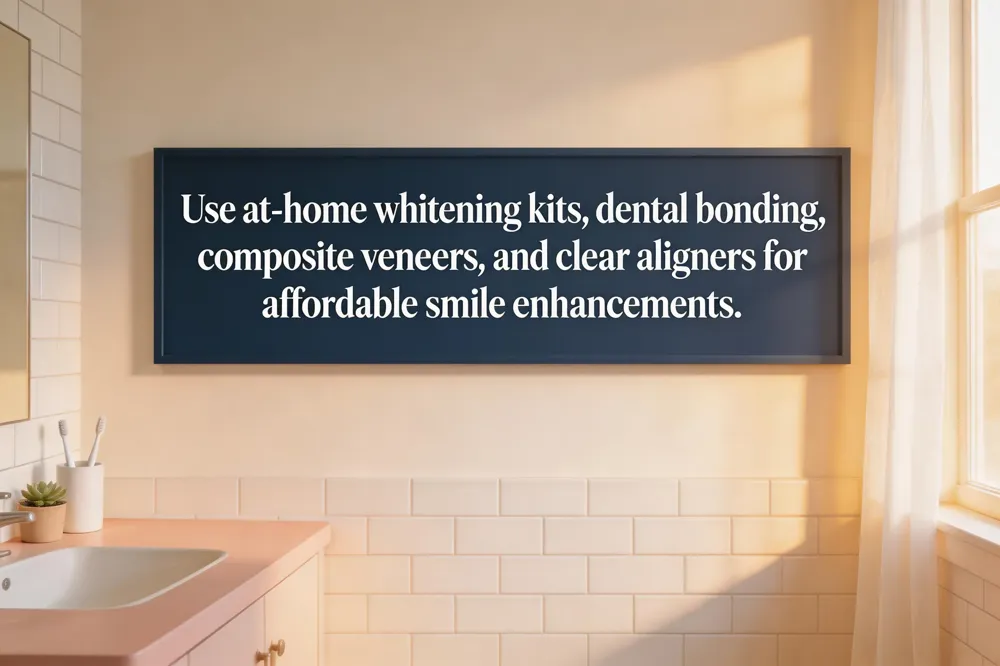
Professional‑grade at‑home whitening kits are the most cost‑effective way to brighten a smile, often delivering several shade improvements for $100‑$400—far less than the $300‑$800 in‑office options. For minor chips, gaps or discoloration, dental bonding with composite resin ( $100‑$400 per tooth, while composite veneers run $250‑$1,500 per tooth, offering a middle ground between bonding and porcelain veneers. When teeth are mildly misaligned, clear aligner therapy (e.g., Invisalign) can correct a few teeth for a fraction of the price of traditional braces, especially when treatment is limited to the visible front teeth. A partial smile makeover focuses on the most front teeth, costing $1,000‑$4,000, whereas a full comprehensive makeover can exceed $8,000‑$30,000.
What is the cheapest way to fix your smile? Professional‑grade at‑home whitening kits, combined with selective bonding or composite veneers, provide the biggest visual impact for the lowest price.Can diabetics get help with dental treatment? Yes—many Medicaid plans, community health centers and nonprofits (e.g., Dental Lifeline Network) prioritize diabetic patients, offering reduced‑cost or free services and coordinating care with medical providers.What is the 50‑40‑30 rule in dentistry? It’s a design guideline for the contact‑area lengths of the upper front teeth—50 % between central incisors, 40 % between a central and lateral incisor, and 30 % between a lateral incisor and canine—helping dentists achieve a balanced, natural‑looking smile.
Special Considerations: Grants, Charities, and Community Partnerships
When budget constraints meet dental needs, several community‑based resources can bridge the gap.
Dental grants and vouchers– Federal and state health agencies, as well as nonprofit foundations, award grants or vouchers that cover preventive and restorative care for low‑income families, seniors, children, and people with disabilities. For example, the American Academy of Pediatric Dentistry Foundation issues one‑year grants to 501(c)(3) clinics that treat children, and the Dental Lifeline Network provides free or reduced‑cost treatment to adults over 65, permanently disabled, or medically dependent with no other means to pay. Searching “dental care grant” plus your state or contacting your county health department can reveal local voucher programs.Charitable organizations– Groups such as Dental Lifeline Network, America’s Dentists Care Foundation, TeamSmile, and United Way sponsor mobile clinics, volunteer‑staffed events, and voucher distribution. The Smiles for Life Foundation partners with dental offices to donate proceeds from whitening treatments to children’s dental charities and supplies oral‑health kits. Local churches, senior centers, and community health fairs frequently host free‑dental‑day events.Dental schools and teaching clinics– Student‑run clinics at institutions like the University of New Mexico Health Sciences Center, Texas A&M University College of Dentistry, and the University of Texas Health Science Centers offer supervised treatment at 30‑50 % less than private practices, charging only material fees.Local nonprofit events and health fairs – Keep an eye on community calendars for free screenings, fluoride varnish applications, and low‑cost restorative services offered by nonprofits and public health departments. These partnerships make essential dental care attainable for those on a tight budget.
Southern Boulevard Dental’s Commitment to Affordable Care
Southern Boulevard Dental (SBD) in Rio Rancho offers an in‑house membership club that bundles two cleanings, exams, X‑rays and emergency visits for a flat annual fee, with 10‑25 % discounts on restorative and cosmetic procedures. For patients who need larger work, SBD partners with third‑party lenders such as CareCredit and provides interest‑free or low‑interest payment plans that spread costs over 6‑24 months. The practice’s patient‑centered approach means every treatment plan is itemized up front, so patients see exactly what they will pay and can compare options before committing. SBD also participates in community outreach, referring patients to local Federally Qualified Health Centers, dental‑school clinics and nonprofit programs that offer sliding‑scale or free care.
Dental assistance programs for adults: Adults can obtain low‑cost or free dental care through Medicaid dental benefits (e.g., New Mexico’s Medicaid), the Dental Lifeline Network’s donated services, federally qualified health centers, dental‑school clinics and ACA Marketplace dental plans. SBD can help determine eligibility and connect patients with these resources.
Dental insurance for adults: While free dental insurance is rare, Medicaid often covers comprehensive services for low‑income adults, and the ACA Marketplace offers subsidized stand‑alone adult dental plans. Sliding‑scale clinics, dental schools and nonprofit events (Mission of Mercy, Give Kids A Smile) also provide no‑cost or reduced‑cost treatment. SBD’s staff can guide patients to the best affordable‑care options in the Rio Rancho area.
Take the First Step Toward an Affordable Smile
Start by checking whether you qualify for public programs such as Medicaid, CHIP, or the Health Resources and Services Administration’s community health centers, which offer sliding‑scale fees based on income. If you’re uninsured or need additional savings, consider dental discount or membership plans—many Asheville practices (e.g., Gillespie Dental Associates) and Southern Boulevard Dental in Rio Rancho provide low‑cost memberships that include routine cleanings, exams, X‑rays and discounts of 10‑25% on restorative or cosmetic work. Southern Boulevard Dental also partners with third‑party lenders and offers CareCredit financing, allowing you to spread larger expenses over low‑interest monthly payments. Schedule a preventive exam today; a thorough cleaning and early detection can prevent costly procedures later and many offices even offer free or reduced‑price exams for new patients. Finally, maintain daily oral hygiene—brush twice a day with fluoride toothpaste, floss daily, and limit staining foods—to keep your smile healthy and your budget intact.