Why Budget‑Friendly Oral Care Matters
Cost‑effective daily hygiene
A healthy smile doesn't require expensive products. A simple routine built on budget-friendly choices is the foundation of good oral care. The American Dental Association (ADA) confirms that brushing twice daily with a fluoride toothpaste, flossing once a day, and using an alcohol-free mouthwash are the core steps for preventing cavities and gum disease. A soft-bristled toothbrush, available for just a few dollars, does the job when you use it correctly.
Impact of oral health on overall health
Taking care of your mouth does more than protect your teeth and gums. Research shows a clear link between oral health and serious systemic conditions like heart disease, stroke, and diabetes. By sticking to an affordable, consistent home-care routine, you can help reduce your risk of these health problems. Flossing, for example, is a low-cost habit that lowers your chance of developing periodontitis.
How dentist recommendations guide smart buying
Dentists advise looking for products that are proven safe and effective. The simplest way to do this is to choose items carrying the ADA Seal of Acceptance. This seal means the product has been tested and meets strict standards. Generic or store-brand toothpaste often has the same active ingredients as name-brand versions, so you can save money without sacrificing quality. A dentist can help you personalize these recommendations, but the core message is clear: smart, budget-friendly choices keep your whole body healthier.
Building a Budget‑Friendly Oral Hygiene Routine
What is the correct order for an oral hygiene routine?
A consistent, step‑by‑step routine maximizes the benefits of even the most affordable products. Most dentists recommend starting with flossing to dislodge plaque and food from between teeth and under the gumline. Next, brush for two minutes using a fluoride toothpaste and a soft‑bristled brush, cleaning all tooth surfaces and your tongue. Finish with an alcohol‑free, antibacterial mouthwash to reduce bacteria and freshen breath. Interdental brushes or a water flosser can be added for deeper cleaning, especially if you have braces or wider gaps.
What are the best oral hygiene products overall?
The core of any effective routine is a soft‑bristled toothbrush (manual or electric), a fluoride toothpaste with the ADA Seal of Acceptance, and dental floss or interdental cleaners. An alcohol‑free mouthwash with fluoride or antiseptic properties adds an extra layer of protection against cavities and gum disease. For those with sensitive teeth or gums, a desensitizing toothpaste and a water flosser can be helpful without breaking the bank.
Why timing and technique matter
Brushing for a full two minutes is crucial, as most people brush for far less. A budget‑friendly kitchen timer or a two‑minute song can help. Proper technique—holding the brush at a 45‑degree angle to the gums and using gentle circular motions—prevents enamel erosion and gum damage. Using these techniques with low‑cost, dentist‑approved products ensures you get professional‑level care at home.
| Step | Recommended Products | Tips for Success |
|---|---|---|
| Floss | Waxed floss, floss picks, or interdental brushes | Use 18 inches of floss; form a "C" shape around each tooth. |
| Brush | Soft‑bristled brush (manual or electric) + fluoride toothpaste | Brush for two full minutes at a 45‑degree angle. |
| Rinse | Alcohol‑free, fluoride or antibacterial mouthwash | Use once or twice daily after brushing and flossing. |
Choosing the Right Toothpaste Without Overspending
What toothpaste do dentists recommend?
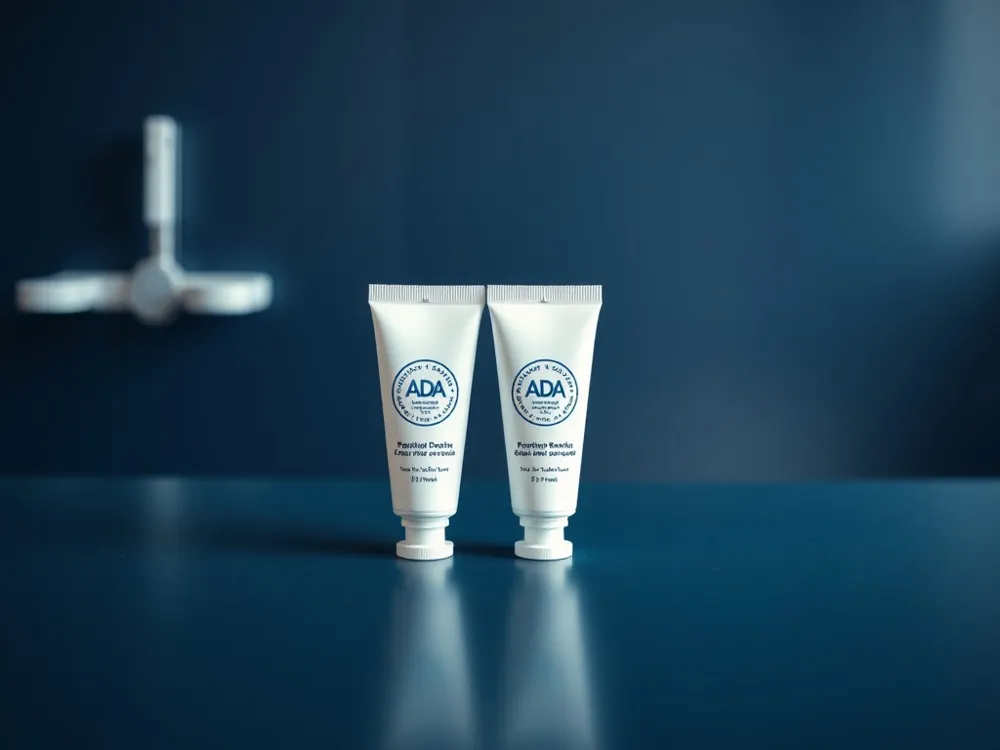
Dentists overwhelmingly recommend a fluoride toothpaste that carries the American Dental Association (ADA) Seal of Acceptance. This seal confirms the product is safe and effective at preventing cavities and strengthening enamel. For comprehensive oral health, many professionals suggest multi-benefit options like Crest Pro-Health Advanced Deep Clean or Colgate Total, which fight plaque, gingivitis, and freshen breath—all without a high price tag.
For those with sensitive teeth, consider Sensodyne Pronamel, which protects enamel and reduces discomfort. If you prefer natural ingredients, Tom’s of Maine offers fluoride-containing, ADA-approved formulas. Arm & Hammer with baking soda provides effective stain removal and whitening at a budget-friendly cost. Ultimately, the best toothpaste depends on your needs, but prioritizing fluoride and the ADA seal is key.
What are the best toothpaste options for whitening recommended by dentists?
Dentist-recommended whitening toothpastes typically contain mild abrasives like silica or hydrated alumina, along with low-concentration hydrogen peroxide or baking soda to gently remove surface stains. Brands like Crest 3D White Brilliance and Colgate Optic White are top choices and often carry the ADA Seal, ensuring safety and effectiveness. For sensitive teeth, Sensodyne Extra Whitening or Pronamel Gentle Whitening are excellent options that provide whitening while reducing discomfort. These toothpastes work best for removing stains from coffee, tea, and wine but cannot change the natural color of teeth.
Which toothpaste is best for preventing cavities?
The best toothpaste for cavity prevention contains fluoride, ideally with the ADA Seal of Acceptance. For enhanced protection, look for stannous fluoride, which helps remineralize enamel and reduces decay-causing bacteria. Top-rated options include Crest Pro-Health Advanced (with stannous fluoride for comprehensive care) and Colgate Cavity Protection (a trusted classic at about $2 per tube). If you have sensitive teeth, Sensodyne Pronamel offers gentle cavity protection while strengthening enamel. Always choose a toothpaste that meets your specific needs while delivering proven anti-cavity benefits, and remember that any budget-friendly brand with the ADA seal is effective.
Quick Guide to Affordable Dentist-Approved Toothpastes
| Need | Recommended Product | Key Feature | Price Range |
|---|---|---|---|
| All-around protection | Crest Pro-Health Advanced Deep Clean | Stannous fluoride, fights plaque & gingivitis | $4 - $7 |
| Cavity prevention | Colgate Cavity Protection | Sodium fluoride, ADA seal | ~$2 |
| Sensitivity relief | Sensodyne Pronamel | Potassium nitrate, enamel repair | $6 - $9 |
| Whitening | Colgate Optic White | Hydrogen peroxide, ADA-approved | $6 - $8 |
| Gum health | Parodontax Complete Protection | Stannous fluoride, reduces bleeding | ~$7 |
| Natural ingredient preference | Tom's of Maine Fluoride Anti-cavity | Fluoride, SLS-free, ADA-approved | $6 - $8 |
| Best value | Store-brand fluoride toothpaste | Same manufacturers, contains fluoride | ~$1 - $3 |
Manual Toothbrushes: The Low‑Cost Workhorse
Why soft bristles matter
The bristle stiffness of a manual toothbrush plays a direct role in your oral health. While a medium or hard toothbrush may seem like a better cleaner, it can actually cause more harm than good. Medium and hard bristles are harsh on gums and can lead to gum recession or enamel wear over time. Dentists universally recommend sticking with a soft‑bristled brush. Soft bristles are flexible enough to gently clean along the gum line without causing irritation or damage, while still being highly effective at removing plaque. This makes a soft‑bristled toothbrush the safe and effective choice for nearly all patients, from children to adults.
ADA‑approved manual brush options
When choosing a manual toothbrush, one simple step can guarantee safety and effectiveness: look for the ADA Seal of Acceptance. This seal proves the brush has been vetted for quality and is free of rough or sharp edges. Among the many budget‑friendly options that carry this seal, several stand out for their gentle cleaning. The Colgate 360 Sensitive Extra Soft (around $12) earned high marks for comfort and cleaning, even featuring a built‑in gum cleaner. The Nimbus Microfine Xtra Soft (around $19) is a top‑scoring manual brush praised for its ultra‑soft feel. For a classic and widely available choice, the Oral‑B Pro‑Health Clinical Pro‑Flex provides good performance at a very low cost. These dentist‑recommended brushes show you don't need to spend a lot for a quality clean.
Replacing brushes on schedule
A toothbrush’s performance doesn’t last forever. The American Dental Association and dentists everywhere agree: you should replace your manual toothbrush every three to four months, or sooner if the bristles start to look frayed or worn. A worn brush loses its ability to remove plaque effectively and can even harbor bacteria. This is a simple, low‑cost habit that keeps your routine effective. A good tip is to change your brush with the start of each new season, so the schedule is easy to remember. This small act of maintenance protects your investment in your oral health and ensures you’re always brushing with a tool that works as intended.
Affordable Electric Toothbrushes – Are They Worth It?
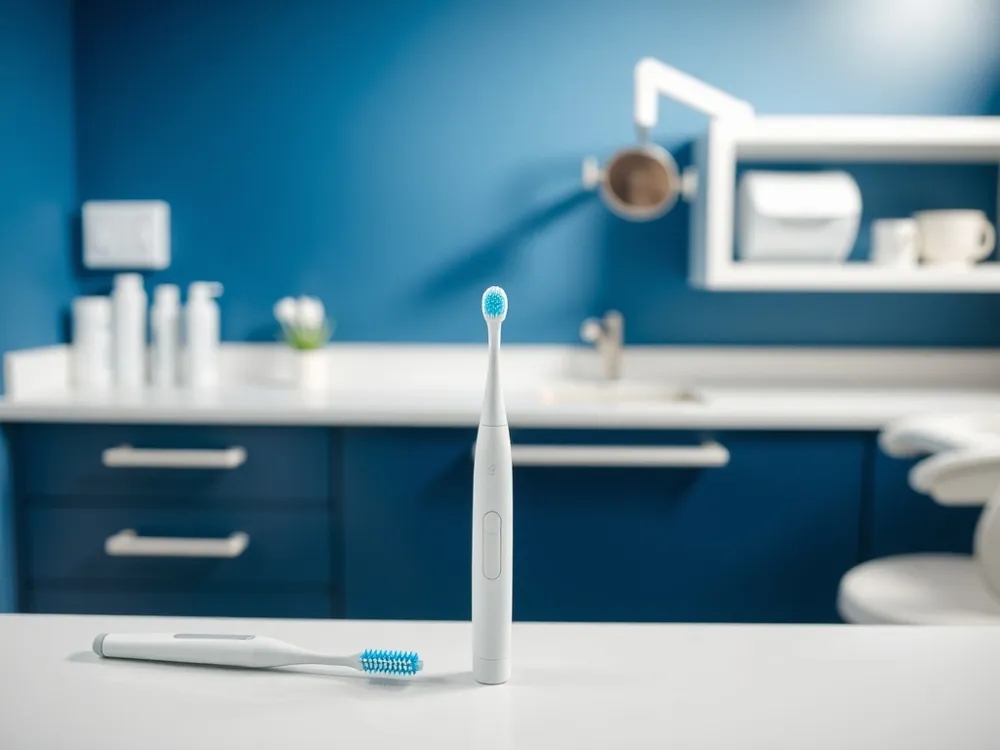 The short answer is yes—a budget-friendly electric toothbrush can be a significant upgrade from a manual brush. However, knowing what you gain (and what you might miss) by choosing a lower-priced model helps you make an informed choice for your smile and your wallet.
Is an affordable electric toothbrush as good as an expensive one?
While a budget brush doesn't offer the same suite of features as a premium model, it can still be highly effective for basic plaque removal. Dentists agree that any electric toothbrush generally outperforms a manual brush, helping to improve oral health and prevent costly dental treatments. The key is to focus on essential features rather than bells and whistles.
What you typically sacrifice in a budget model: multiple cleaning modes (e.g., “whitening,” “gum care”) and a pressure sensor. Expensive brushes often have longer battery life, quieter motors, and smartphone connectivity, but these are not necessary for a thorough clean.
What you still get: a two-minute timer with 30-second quadrant alerts—a feature dental professionals consider crucial for proper brushing. Most affordable models also use proven sonic or oscillating-rotating technology to remove significantly more plaque than a manual brush. For many people, a mid-range model offers the best balance of cost and performance.
Key features to look for in low-cost brushes
When shopping for an affordable electric toothbrush, prioritize these dentist-recommended features:
- Two-minute timer with quadrant alerts: Ensures you brush for the full recommended time in each section of your mouth.
- Soft bristles: Protects enamel and gums from damage; always choose soft or extra-soft brush heads.
- ADA Seal of Acceptance: A quick, reliable indicator that the product has been tested for safety and effectiveness.
- Rechargeable battery: More convenient and cost-effective in the long run than disposable battery models.
- Replaceable brush heads: Heads should be easy to find and affordable; plan to replace them every three months.
Pressure sensors, multiple modes, and premium materials are nice extras but not essential for most people. A simple, well-designed brush with these core features will serve you well.
Top dentist-recommended budget electric brushes
| Model | Approximate Price | Key Features | Why Dentists Recommend It |
|---|---|---|---|
| Philips Sonicare 4100 | ~$40 | Sonic technology, 2-minute timer, pressure sensor, ADA Seal | Excellent plaque removal, long battery life, and a pressure sensor at a budget price. Highly rated by both dentists and testers. |
| Oral-B Pro 1000 | ~$40 | Oscillating-rotating action, 2-minute timer, visible pressure sensor, ADA Seal | A proven workhorse with a widely available, low-cost replacement head. Audible pressure alert prevents over-brushing. |
| quip Adult Electric Toothbrush | ~$20 | Sonic vibrations, built-in timer, replaceable AAA battery, slim design | An ultra-affordable entry point. Perfect for teens, travel, or those who want simple, effective brushing without a bulky charger. |
| Philips Sonicare 1100 | ~$20 | Single-button operation, 2-minute timer, up to 2 weeks battery life | A “starter” electric brush. Very simple to use, though it lacks a pressure sensor and advanced modes. |
| Oral-B Vitality | ~$20 | Basic oscillating-rotating action, 2-minute timer | The most basic Oral-B electric brush. Good for those on the tightest budget who still want the benefits of an electric toothbrush. |
All of these models have received the ADA Seal of Acceptance and are recommended by dentists for their ability to improve daily oral hygiene without a large investment.
Targeting Gingivitis on a Budget
Toothpaste formulations for gum health
- Stannous fluoride paste (e.g., Crest Pro‑Health) adds antibacterial action and cuts bleeding.
- Any ADA‑seal fluoride toothpaste (≥1,000 ppm) is cheap and effective.
- Skip abrasive whitening pastes that may irritate gums.
Interdental cleaning tools that protect gums
- Water flossers (e.g., Waterpik Aquarius) use gentle pressure; under $60.
- Interdental brushes or soft picks reach spots floss can miss, especially with braces.
- Daily use removes plaque that triggers gingivitis.
Mouthwashes that reduce inflammation
- TheraBreath Healthy Gums (zinc chloride) lessens bleeding in a week (~$15).
- Listerine Gum Therapy (essential oils) works clinically (~$10).
- Choose alcohol‑free, ADA‑approved rinses to avoid dryness.
What are the best oral care products for gingivitis?
Pair a stannous‑fluoride toothpaste, an electric brush with a pressure sensor, a water flosser or interdental brush, and an alcohol‑free therapeutic mouthwash such as TheraBreath or Listerine. ADA‑seal items keep the regimen both effective and affordable.
| Product | Example | Cost |
|---|---|---|
| Toothpaste | Crest Pro‑Health (stannous F) | $4 |
| Interdental | Waterpik Aquarius flosser | $60 |
| Mouthwash | TheraBreath Healthy Gums | $15 |
Everyday Interdental & Supplementary Tools
What are the best teeth cleaning products for home use for cleaning between teeth and beyond?
A healthy mouth isn’t just about the toothbrush. Think of it as a team effort: your brush cleans the big surfaces, but the gaps and corners need specialized players. For tight spaces, simple waxed floss or floss picks—like the popular Glide or Cocofloss—are incredibly cost-effective, usually just a few dollars a pack, and remove plaque and food where a brush can’t reach. If you have braces, bridges, or limited dexterity, a water flosser (like Waterpik) is a game-changer; it uses gentle water pressure to flush debris below the gumline without the struggle of string floss.
What does the ADA recommend for dental cleanings and supplementary care?
While the American Dental Association (ADA) strongly recommends daily interdental cleaning with traditional floss or approved alternatives, they also recognize water flossers as a safe and effective option for many patients. To take your routine a step further, add a tongue scraper (often under $10 and highly rated) to banish bad breath by removing bacteria. For a budget-friendly boost, look for alcohol-free mouthwashes like ACT or TheraBreath (around $4–$7) that use fluoride or gentle antibacterial ingredients to fight cavities and freshen breath without stinging. An inexpensive tool like disclosing tablets can show you missed spots, helping you turn a daily chore into a truly effective cleaning session.
| Product | Best For | Price Range | Key Benefit |
|---|---|---|---|
| Traditional Floss (e.g., Glide, Cocofloss) | Tight spaces, between teeth | $3–$10 | Removes plaque from areas toothbrushes miss; very cost-effective per use. |
| Water Flosser (e.g., Waterpik | Braces, bridges, limited dexterity | $40–$100 | Gentle water pressure cleans below gumline; makes flossing easier and more comfortable. |
| Tongue Scraper | Fresher breath, bacteria removal | $6–$10 | Simple tool to reduce odor-causing bacteria, inexpensive and reusable for months. |
| Alcohol-Free Mouthwash (e.g., ACT, TheraBreath) | Daily extra protection, sensitive teeth | $4–$10 | Adds fluoride or antibacterial properties without drying; supports gum health and enamel. |
Smart Shopping Tips for Affordable Oral Care
Dollar‑store and bulk buying strategies
Many dollar stores stock the basics: fluoride toothpaste, dental floss, extra toothbrushes, and sometimes mouthwash. As long as a product carries the American Dental Association (ADA) Seal of Acceptance and contains fluoride, it meets professional safety and efficacy standards. Buying in bulk at warehouse clubs can further lower the cost per unit—just check expiration dates to ensure you can use everything before it expires.
Using coupons and store apps
Printed coupons from newspaper ads or junk mail can offer immediate savings, and digital coupons available through local store websites or apps are often just as valuable. Stacking manufacturer coupons with store discounts, especially during sales events, can significantly reduce the price of dentist‑recommended items like fluoride toothpaste and soft‑bristled brushes.
Choosing generic brands with the same ingredients
Store‑brand or generic oral‑care products are frequently made by the same manufacturers as name‑brand versions. As long as the generic toothpaste contains fluoride and is ADA‑approved, it provides the same cavity‑fighting benefits as a premium brand. The same logic applies to floss and mouthwash—check the active ingredients, and you can save without sacrificing quality.
Free samples from dental offices
Dental practices often give patients a “goodie bag” after a cleaning, which may include a full‑size toothpaste, a toothbrush, floss, or even a small mouthwash. These free samples let you try a new product before committing to a full purchase. Requesting samples at your next visit is a zero‑cost way to discover a budget‑friendly product that works for your family.
Putting It All Together for a Healthier, Cheaper Smile
Recap of Core Budget‑Friendly Products
Building a smart oral care routine doesn't have to be expensive. Start with an ADA‑approved fluoride toothpaste, which you can find for as little as a few dollars. Pair it with a soft‑bristled toothbrush, either a manual one for next to nothing or an affordable electric model with a timer for under $50. Add a roll of standard floss or a pack of floss picks, and you already have a powerful, dentist‑endorsed foundation for a healthy smile.
Emphasis on Consistency and Regular Dental Visits
Consistency is the real secret. Brushing twice a day for two minutes and flossing once a day prevents costly problems down the road. Even the best budget products need a partner: regular six‑month checkups catch small issues before they become big, expensive ones. Most insurance plans cover these visits at 100%, making them a cost‑saving essential.
Encouragement to Personalize Choices Based on Individual Needs
Finally, personalize your routine. If you have sensitive teeth, a desensitizing toothpaste is a worthy investment. If traditional floss is tricky, try a water flosser or interdental brushes. The best products are the ones you will use consistently. Ask your dentist for advice—they can help you choose smart, affordable tools that fit your unique needs and budget.
| Product Type | Budget Example | Key Benefit | Typical Price Range |
|---|---|---|---|
| Toothpaste | ADA‑approved fluoride (store brand) | Cavity prevention & enamel strengthening | $1 – $5 |
| Toothbrush | Soft‑bristle manual or electric with timer | Gentle plaque removal & consistent timing | $2 – $50 |
| Floss | Standard waxed floss or floss picks | Removes plaque between teeth | $2 – $10 |
| Sensitivity toothpaste | Generic potassium nitrate formula | Reduces dentin sensitivity | $5 – $10 |