Understanding Your Options for a Radiant Smile
Modern whitening technologies include LED‑activated in‑office bleaching, high‑concentration peroxide gels, and at‑home kits with custom trays. LED light speeds the chemical reaction of hydrogen or carbamide peroxide, delivering up to eight shade improvements in a single session, while at‑home kits use lower‑strength gels for gradual changes over weeks. Choosing the right method depends on your tooth shade, sensitivity, and lifestyle, which is why personalized treatment plans are essential. A thorough exam, digital shade analysis, and discussion of your aesthetic goals allow the dentist to match the technique—whether a quick in‑office boost or a custom‑fit tray—to your needs. Southern Boulevard Dental combines state‑of‑the‑art LED whitening with expert shade‑matching and custom‑shading options, ensuring safe, effective results and a lasting, natural‑looking glow. Our caring team guides you through each step, guaranteeing comfort and confidence.
Quick DIY Brightening Techniques
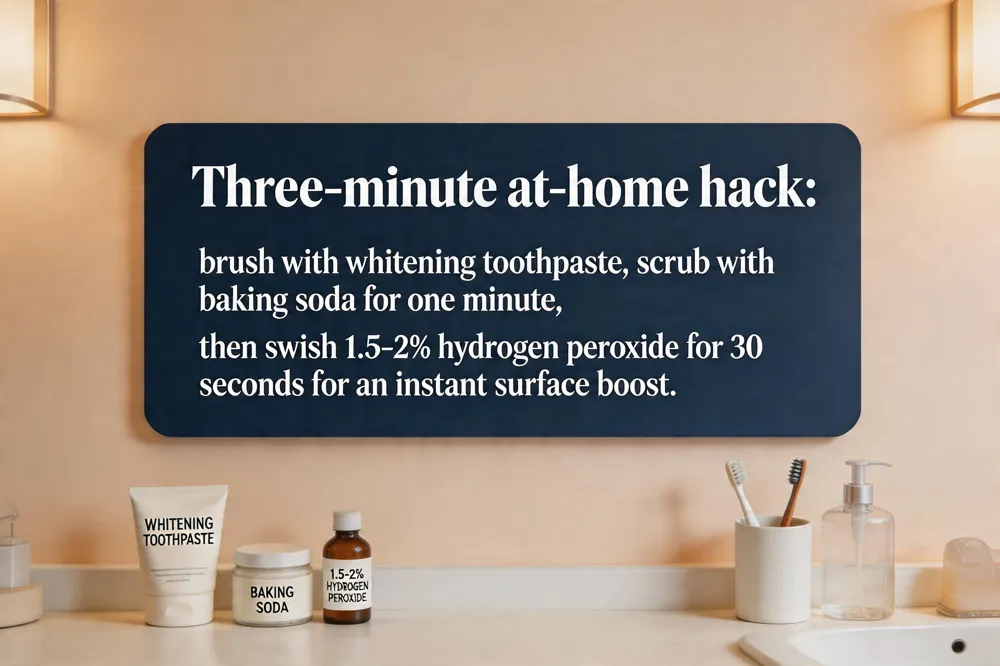 For a rapid smile lift, try a three‑minute whitening hack: brush with a whitening toothpaste, then scrub the front teeth for one minute using a dab of baking soda on a damp brush, followed by a 30‑second swish of a 1.5‑2% hydrogen‑peroxide rinse. Rinse and finish with a brief normal brush. Although this offers a temporary boost, lasting results need professional or consistent at‑home treatment. A two‑minute home routine can polish surface stains but won’t change intrinsic color; over‑use of acidic or abrasive agents may damage enamel and cause sensitivity. For a one‑day toothpaste boost, brush twice a day with a peroxide‑ or baking‑soda toothpaste, add a thin homemade paste (baking soda + 1–2% peroxide) for 30 seconds, and rinse well. To achieve noticeable whitening in a single day at home, use a dentist‑approved peroxide strip or low‑strength tray as directed, brush first, avoid staining foods, and manage any sensitivity with fluoride or desensitizing gel. These short‑term methods brighten surface stains, while professional LED or custom at‑home kits provide deeper, longer‑lasting results.
Professional vs. At‑Home Whitening Options
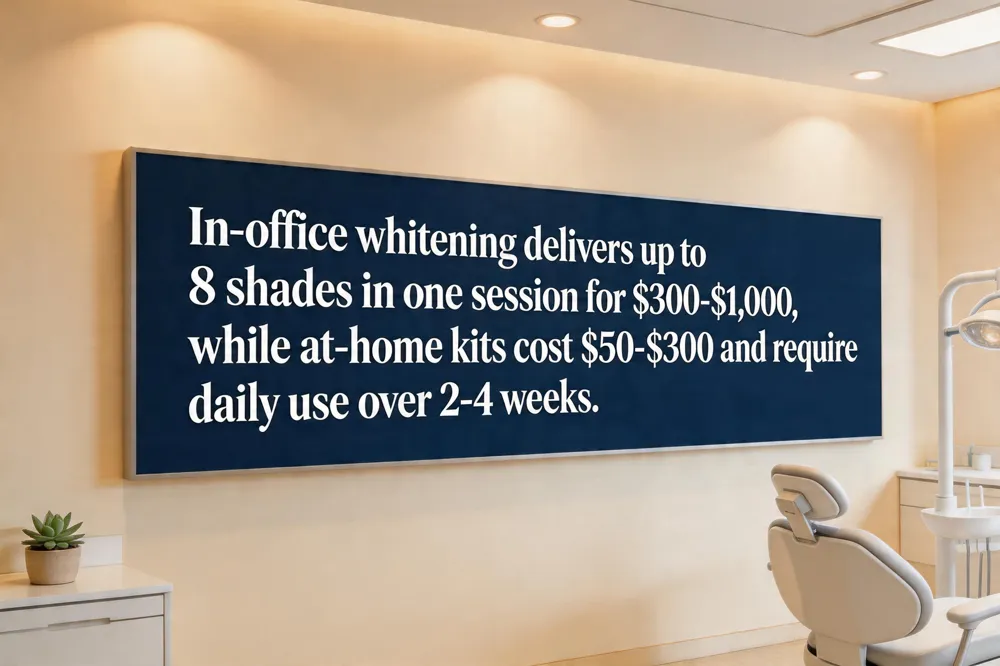 Cost and convenience: In‑office whitening costs $300‑$1,000 for a single session and delivers up to 8‑shade improvement in one visit while at‑home kits range $50‑$300 and require daily 20‑30‑minute applications for 2‑4 weeks. Custom‑fit trays vs. generic kits: Dentists fabricate trays from an impression, ensuring even gel contact and protecting gums whereas over‑the‑counter strips or boil‑and‑bite trays may miss curved teeth and cause irritation. Reddit community insights: Users report professional treatments give faster, brighter results with less sensitivity while DIY kits are praised for low cost and flexibility but need patience and strict adherence to instructions. Local availability in Rio Rancho: Southern Boulevard Dental offers both laser‑activated in‑office whitening (up to eight shades in one hour) and personalized take‑home tray kits. Call (505) 555‑1234 to schedule a consultation and achieve a safe, lasting smile.
Laser and LED Whitening Explained
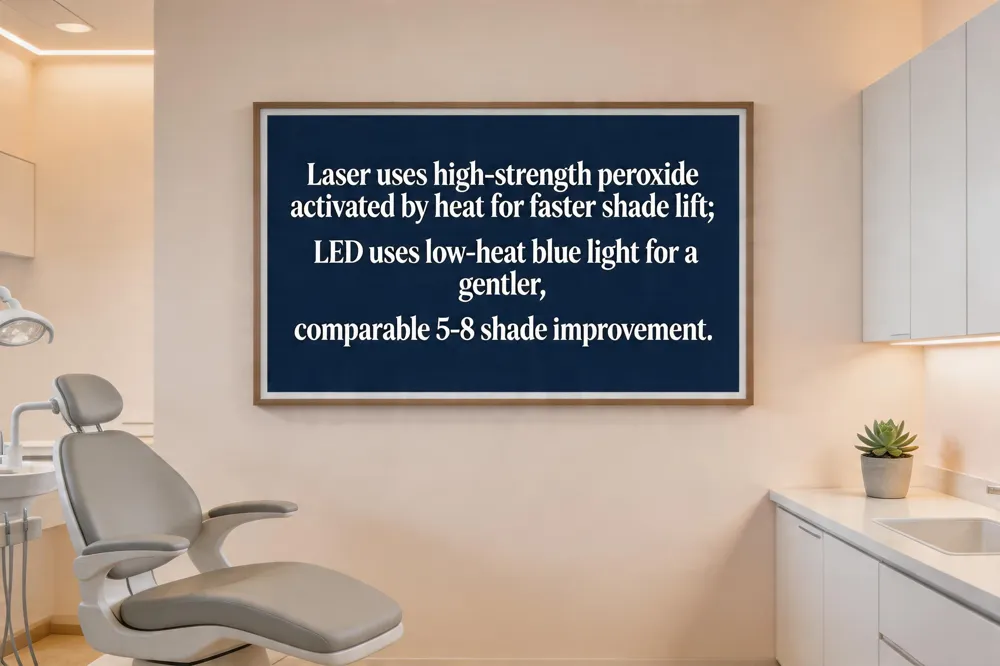 laser activation versus LED light: Laser whitening uses a high‑strength peroxide gel activated by a focused light or laser, accelerating the bleaching reaction with heat. LED whitening employs a low‑heat blue light that simply catalyzes the peroxide gel, making it gentler on gums. In‑office cost range: Laser sessions typically cost $800‑$1,200 per visit, while LED‑based in‑office treatments run $500‑$1,000. Effectiveness and shade gain: Both can lift 5‑8 shades in one appointment, but laser’s heat may achieve slightly faster results; LED provides comparable shade improvement with lower sensitivity risk. Comparison of treatment duration: Laser appointments last 15‑60 minutes; LED sessions are similar in length but may require a second activation cycle.
Laser whitening vs trays: Laser delivers dramatic results in a single 15‑60‑minute session ($800‑$1,200) but may cause temporary sensitivity; custom trays use lower‑strength gel at home for 1‑2 weeks ($300‑$600), offering flexibility and gradual change.
Laser teeth whitening: In‑office laser bleaching uses high‑strength peroxide, brightening teeth 3‑8 shades in under an hour with minimal sensitivity, though results fade over years and may need touch‑ups.
Light teeth whitening vs custom shading cost: In‑office LED/laser whitening costs $500‑$1,200 per session; custom‑fit trays run $150‑$600, delivering gradual shade changes over weeks.
How much should I expect to pay for teeth whitening?: Professional in‑office whitening averages $300‑$1,000 per visit; at‑home kits range $150‑$600. Prices vary by location, technology, and treatment plan.
Custom Shading and Natural Glow Strategies
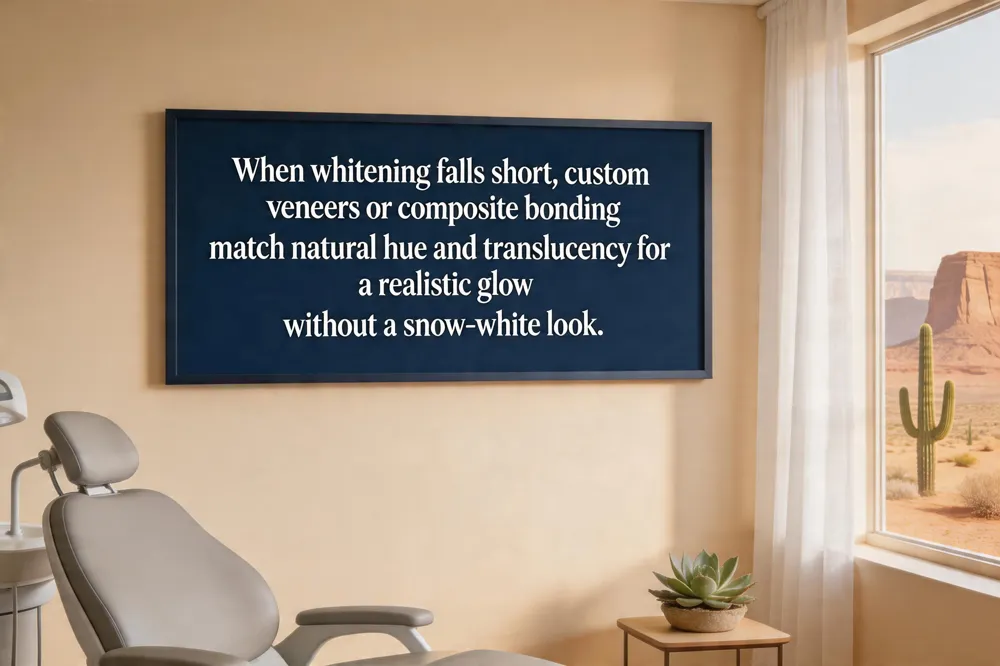 When whitening isn’t enough, a dentist can use custom shading—porcelain veneers or composite bonding—to match the exact hue, translucency and texture of natural teeth, creating a realistic glow that avoids the artificial "snow‑white" look. For a natural at‑home approach, start with diligent oral hygiene: brush twice daily with a whitening fluoride toothpaste, floss daily, and rinse with a fluoride mouthwash. Reduce exposure to staining foods and drinks (tea, coffee, red wine, berries) and use a straw when possible. Incorporate gentle natural whitening agents a few times a week—baking‑soda paste mixed with 1‑3% hydrogen peroxide, oil‑pulling with coconut oil for 10‑15 minutes, or a short‑term strawberry paste—while avoiding over‑use to protect enamel. Crunchy fruits and vegetables such as apples, carrots, and celery act as natural scrubbers and stimulate saliva, further preserving brightness. Finally, integrate custom shading after achieving a uniform base shade with LED whitening, ensuring a harmonious, long‑lasting smile.
Safety, Sensitivity, and Long‑Term Maintenance
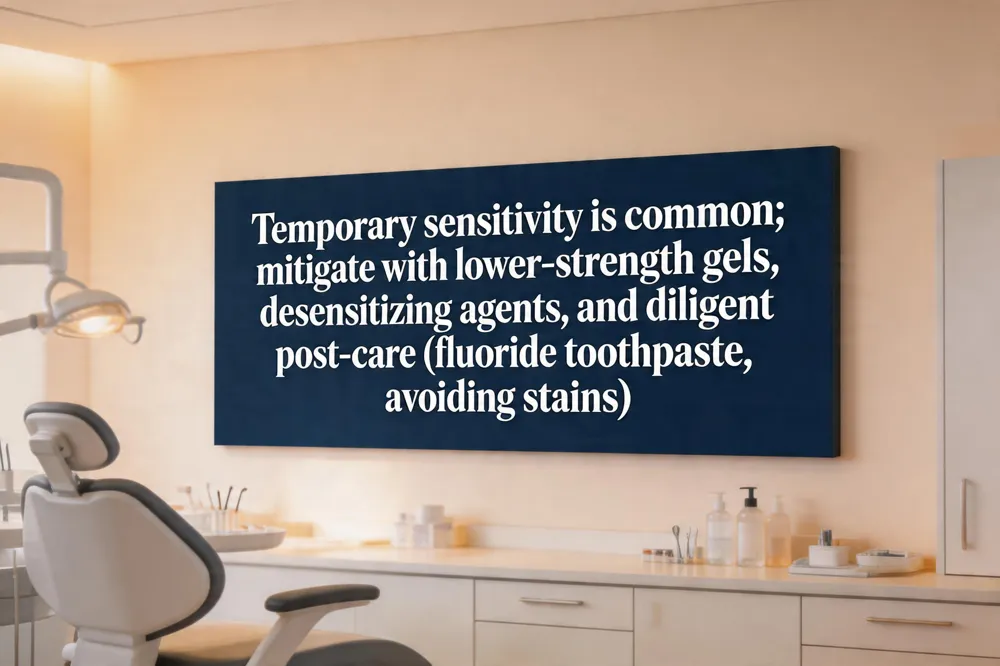 Common side effects of whitening include temporary tooth sensitivity and mild gum irritation, which usually resolve within a few days when the gel is applied correctly and protective barriers are used. Managing sensitivity can be achieved by using lower‑strength peroxide gels, adding desensitizing agents such as potassium nitrate, and spacing treatment sessions. Post‑treatment care is essential: brush twice daily with a non‑abrasive fluoride toothpaste, floss, rinse with a gentle mouthwash, and avoid staining foods and drinks for at least 24‑48 hours. Using a straw for coffee, tea, or wine further reduces re‑staining risk.
Will my teeth turn yellow again after whitening? Teeth can regain a slightly yellow hue after a whitening treatment, but most of the change is temporary and usually occurs within the first 1–2 weeks as the enamel rehydrates. The degree of relapse depends on enamel thickness and lifestyle factors such as coffee, tea, red wine, and smoking. Maintaining your new shade requires diligent post‑whitening care: brush twice daily with a non‑abrasive toothpaste, floss, use a straw for staining drinks, and consider a touch‑up product or professional cleaning every few months. Regular dental visits help remove surface stains and keep the enamel healthy, slowing any further yellowing. With these habits, most patients enjoy a bright smile for many months before any noticeable fade.
Cost Considerations and Insurance Realities
 In‑office LED whitening typically costs $300‑$1,000 per session, while professional take‑home trays range from $100‑$400. Over‑the‑counter kits and strips are far cheaper ($20‑$100), but they deliver slower, less dramatic results. Dental insurance generally treats whitening as a cosmetic service, so coverage is rare; most plans do not reimburse any of the out‑of‑pocket expense. To make treatment more affordable, many practices offer financing options, such as third‑party plans with high approval rates, or bundled packages that combine an initial in‑office session with at‑home touch‑up trays at a reduced total price. In New Mexico, pricing aligns with national averages, with urban clinics in Rio Rancho and surrounding areas quoting similar ranges; however, some local offices may provide promotional discounts or flexible payment plans to accommodate family budgets. Patients should discuss all cost options during the initial consultation to choose the most realistic and sustainable plan.
Realistic Glow: Combining Light Whitening and Custom Shading
 Hybrid treatment plans combine the rapid, dramatic shade lift of professional light‑activated whitening with the precise, lasting color matching of custom shading. In a typical protocol, a patient first undergoes an in‑office LED or laser‑activated whitening session that can lift teeth 3‑8 shades in a single 45‑60‑minute visit. Professional teeth whitening before and after shows an immediate, uniform brightening—often 7‑8 shade levels—captured in before‑and‑after photos that highlight a whiter, more radiant smile. After the whitening phase, the dentist evaluates any residual intrinsic stains or uneven translucency and applies custom‑matched composite or porcelain veneers to restore natural depth and harmony. This balance of brightness and translucency prevents the ‘over‑white’ look while preserving enamel health. Long‑term shade stability is supported by the durability of the custom restoration, which resists staining for 5‑15 years, and by routine oral‑hygiene practices that limit new extrinsic stains. Together, these steps deliver a realistic glow that lasts, giving patients confidence and comfort in their smile.
Choosing the Path to Your Ideal Glow
When deciding between LED whitening kits, in‑office light activation, or custom shading, consider the depth of your stains, your sensitivity level, and how quickly you want results. LED at‑home kits are convenient and gentler, typically offering 1‑3 shade lifts over a few weeks, while professional in‑office whitening can deliver 5‑8 shades in a single hour using higher‑concentration peroxide and a cold‑blue LED that minimizes heat. Custom shading with veneers or composite bonding is best for intrinsic discoloration that bleaching cannot fix, providing a permanent, natural‑looking glow. Schedule a thorough dental exam so the dentist can assess enamel health, discuss your aesthetic goals, and recommend the safest protocol. To preserve your new brightness, practice diligent oral hygiene, avoid staining foods and drinks, and schedule periodic touch‑up appointments as advised.