Understanding Personalized Care in Dentistry
What is Personalized Dental Care?
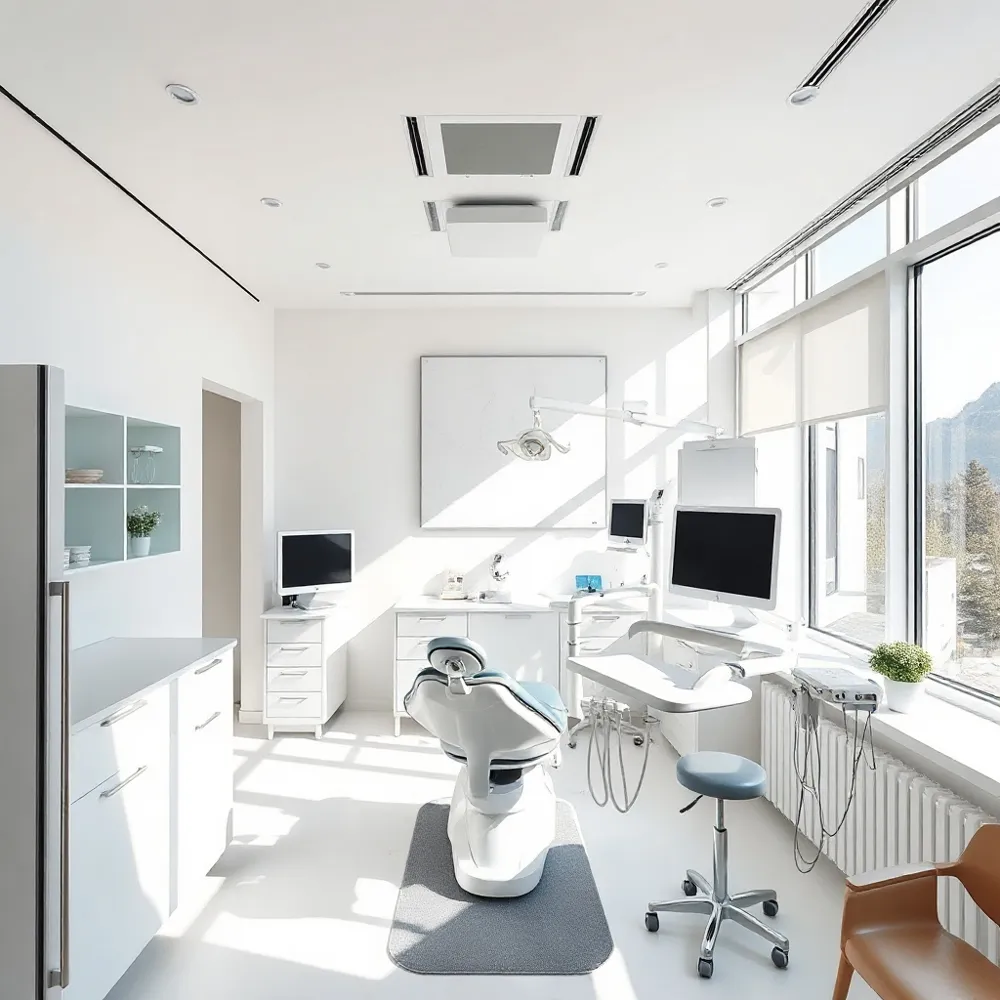
Personalized dental care is an approach that tailors dental treatment to the unique needs, health histories, and lifestyles of each patient. This means no two treatment plans are exactly alike because each person’s oral health conditions, medical background, and preferences are different.
Why is it Important?
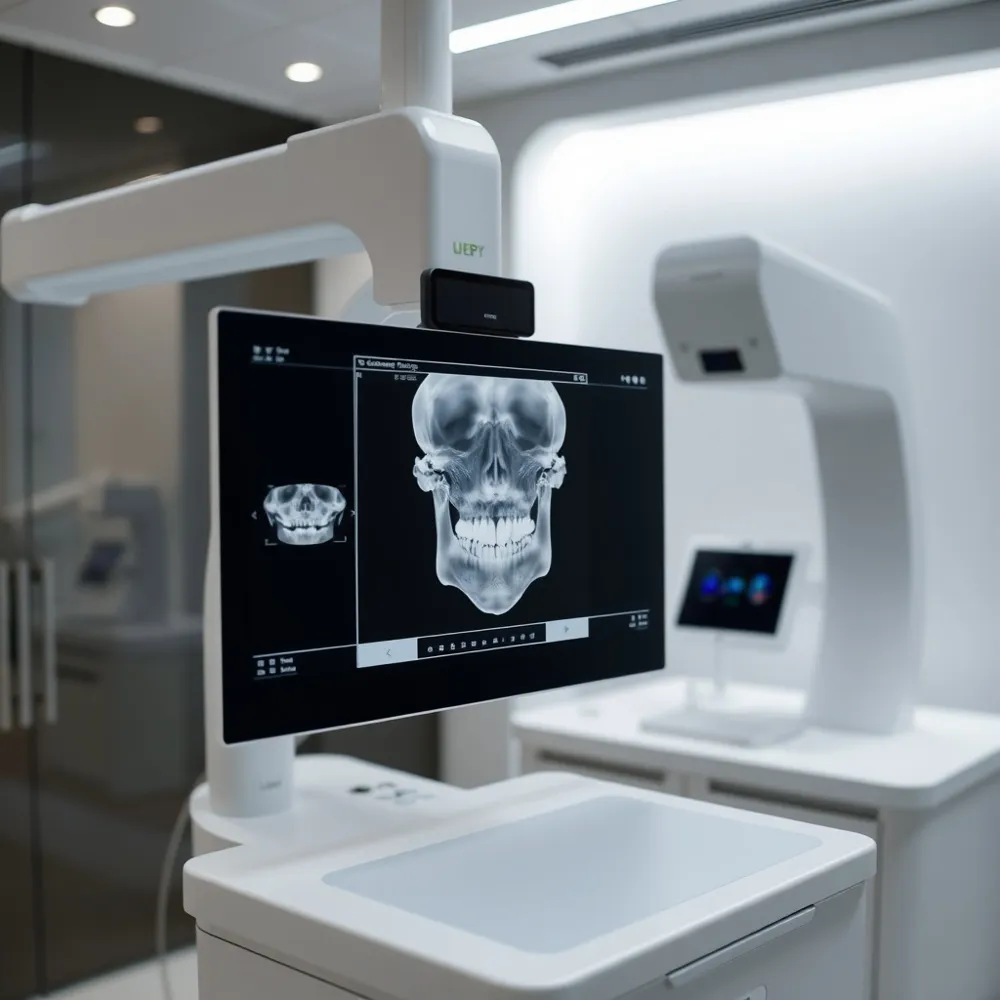
By focusing on individual circumstances, personalized care enhances the effectiveness of treatments and helps prevent issues before they become severe. It often involves advanced diagnostic tools like 3D imaging and digital scans, which allow for precise evaluations and customized care.
Enhancing Comfort and Outcomes
Patients experience less anxiety and better overall satisfaction because personalized care encourages open communication and understanding. Dentists develop treatment plans in partnership with patients, ensuring that procedures are comfortable and aligned with their health goals. This improves long-term oral health and contributes positively to overall well-being.
Advanced Technologies Elevating Dental Care

What advanced technologies are used in modern dental practices to enhance patient care?
Modern dental practices integrate a range of Advanced dental technology to elevate patient care. Digital X-rays are widely used for their ability to reduce radiation exposure substantially while offering rapid, detailed results that aid in Accurate dental diagnoses. Three-dimensional imaging techniques, such as cone beam computed tomography (CBCT), provide comprehensive views of the oral and maxillofacial structures, which are essential for precise treatment planning, especially in implant dentistry and complex procedures.
Intraoral cameras enhance diagnostic accuracy by offering real-time, high-definition visualization of hard-to-see areas within the mouth. This technology not only improves the dentist's ability to detect issues but also helps patients understand their oral health conditions better.
CAD/CAM dental systems revolutionize dental restorations by allowing highly customized design and fabrication of crowns, bridges, and other appliances. This results in better-fitting, more comfortable, and aesthetically pleasing dental work delivered in shorter timeframes.
Overall, the benefits of these technologies include increased diagnostic precision, minimized patient discomfort, and more efficient, tailored personalized dental care plans that improve outcomes and patient satisfaction.
The Patient-Centered Approach: Building Trust and Comfort
Prioritizing Patient Needs and Preferences
Patient-centered dental care puts each individual's unique patient needs, lifestyle, and values at the forefront of treatment planning. This personalized focus ensures that care is not just clinically effective but also aligns with what matters most to the patient, creating a stronger sense of ownership in their oral health journey.
Effective Communication and Respect
Open, empathetic communication between dental providers and patients is essential. Respecting patients’ concerns and involving them collaboratively in decisions fosters trust and helps clarify treatment options, improving understanding and adherence while reducing fear.
Reducing Dental Anxiety Through Patient Partnership
By acknowledging dental anxiety and working closely with patients, dental teams can tailor approaches that ease fears. Techniques such as relaxation methods, distraction tools, and sedation options—combined with clear information and a supportive environment—make dental visits less intimidating and more comfortable.
Role of Staff Training and Cultural Awareness
Ongoing staff education in cultural sensitivity and patient-centered communication strategies plays a vital role in addressing diverse patient backgrounds and barriers. Well-trained teams can better accommodate different needs, enhancing accessibility and patient comfort.
How does a patient-centered approach improve dental care?
A patient-centered approach enhances dental care by prioritizing individual needs, preferences, and values, which fosters trust and encourages active patient participation. This personalized focus leads to more personalized treatment plans, improving both the effectiveness of care and patient satisfaction. Building long-term relationships with patients helps increase treatment adherence and reduces anxiety by creating a welcoming, respectful environment. Utilizing technological advancements in dentistry ensures procedures are more comfortable, efficient, and precise, further benefitting patient outcomes. Overall, this approach promotes better health results, stronger patient-provider relationships, and a more positive dental experience.
Comprehensive and Customized Dental Services

What types of comprehensive dental care services are typically offered by a modern dental practice?
Modern dental practices provide a wide array of services designed to maintain, restore, and enhance oral health through personalized treatment plans. These services span several key areas:
- Preventive Care: Routine cleanings, dental exams, oral hygiene education, fluoride treatments, and sealants to prevent cavities and gum disease.
- Restorative Treatments: Procedures such as fillings, crowns, bridges, root canals, dental implants, and dentures aimed at repairing damaged or missing teeth.
- Cosmetic Dentistry: Teeth whitening, veneers, and smile makeovers to improve aesthetics and patient confidence.
- Orthodontics: Options like traditional braces and Invisalign help correct teeth alignment and bite issues.
- Periodontal Care: Treatments focusing on gum health, including scaling and root planing for gum disease management.
Personalized care plans are essential; they adapt to each patient’s unique dental history, lifestyle, and goals. These plans evolve over time with regular monitoring and incorporate advanced diagnostic tools like digital X-rays and 3D imaging for precise treatment.
Additionally, modern practices put a strong emphasis on accessibility and convenience. Features such as extended office hours, free parking, bilingual staff, and sedation options help make dental care more comfortable and accessible for diverse patient populations.
Through a patient-centered approach that combines advanced technology and compassionate communication, dental teams craft customized plans that ensure effective, comfortable, and long-lasting oral health outcomes.
Overcoming Dental Anxiety Through Personalized Strategies
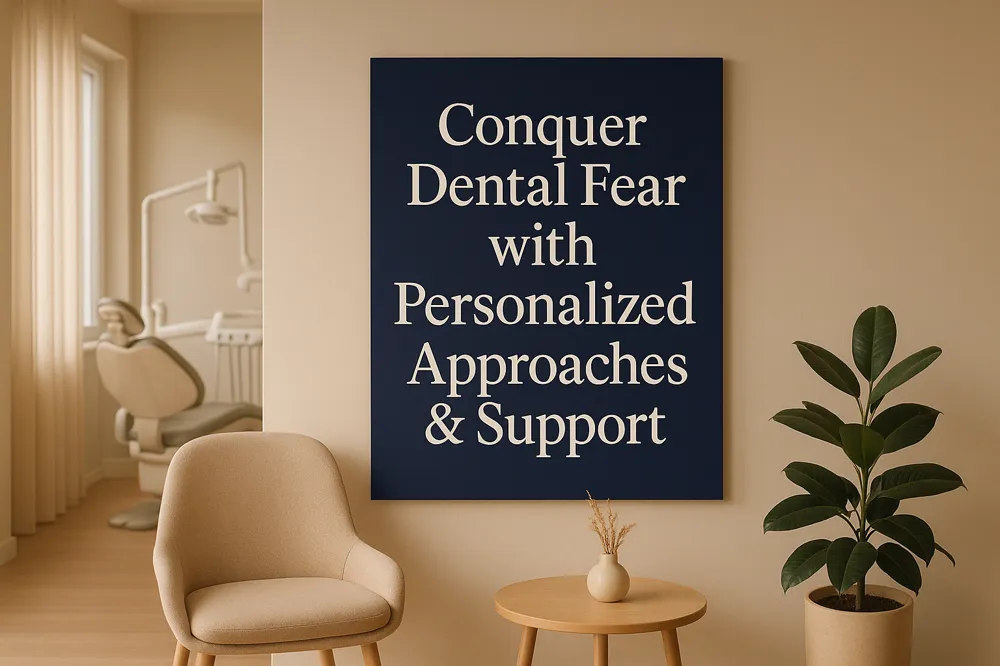
Recognizing signs of dental anxiety
Dental anxiety is common and can manifest as rapid heartbeat, shaking, sweating, dry mouth, difficulty breathing, and panic sensations. Recognizing these signs helps dental professionals tailor their approach to each patient's unique needs, ensuring a more comfortable dental experience. For more details, see Managing dental anxiety and concerns and Signs of dental anxiety.
Tailoring care and communication to reduce patient fears
Open, empathetic communication is essential. Dental teams encourage patients to express their fears and concerns, enabling customized care plans that build trust and alleviate anxiety. Understanding each patient's dental history and preferences supports a patient-centered approach that reduces stress during appointments. Learn more about patient-centered care in oral health and the importance of effective communication in dental care.
Use of sedation and relaxation techniques
For patients with heightened anxiety, sedation options like nitrous oxide sedation and intravenous sedation provide safe and effective relief. Additionally, relaxation techniques such as deep breathing, listening to music or podcasts, and progressive muscle relaxation are recommended to help patients remain calm and comfortable throughout their visit. Additional helpful information can be found at Make your dental visit more comfortable and Overcoming dental anxiety.
Creating a supportive and comfortable environment
Dental practices enhance comfort by using advanced technology in dental care, including laser dentistry and painless injection methods, which minimize discomfort and procedural noise. Amenities like music, distraction methods, and flexible scheduling contribute to a welcoming atmosphere. Together, these strategies foster a supportive environment where patients feel valued and relaxed, improving overall dental experiences. Explore more at Modern Technology in Dental Care and Patient-Centered Dental Care.
The Connection Between Oral Health and Overall Well-being
How personalized dental care supports systemic health
Personalized dental care takes into account each patient's unique health profile, including medical history and lifestyle. This tailored approach allows dental professionals to identify early signs of oral conditions that may influence or mirror systemic health issues. By using advanced diagnostic tools like cone beam computed tomography (CBCT) and comprehensive examinations, dentists can develop targeted treatment plans that support overall wellness.
Managing conditions like diabetes and heart disease through oral health
Oral health is closely linked to systemic conditions such as diabetes and dental care and heart disease and oral health. Personalized dental care focuses on monitoring and managing oral symptoms that often correlate with these diseases. For example, controlling gum inflammation through customized care can reduce risks associated with heart conditions, while managing oral bacteria helps stabilize blood sugar levels in diabetic patients.
Importance of regular, personalized dental visits for early detection and prevention
Scheduled dental appointments tailored to individual risk factors enhance early detection of oral issues before they escalate. Personalized dental care plans incorporate preventive treatments like fluoride applications and routine cleanings adapted to each patient’s needs, effectively reducing the chance of complex procedures and safeguarding systemic health.
Building long-term partnerships for ongoing health monitoring
A strong, ongoing relationship between patient and dentist fosters trust and open communication. This partnership allows for continuous monitoring of both oral and related systemic conditions, adapting care plans as health needs evolve. Such patient-dentist relationships improve treatment adherence and contribute to sustained overall well-being.
Embracing Personalized Dental Care for a Comfortable Future
Personalized dental care offers numerous benefits that enhance treatment effectiveness and patient comfort. By focusing on individual needs, histories, and lifestyles, dentists can provide tailored treatments that improve oral health and overall well-being.
Patients are encouraged to seek dental practices that prioritize clear communication and use advanced technologies like digital imaging and CAD/CAM systems. These tools enable precise diagnostics and customized care plans.
This personalized approach leads to more comfortable visits, reduced anxiety, and higher satisfaction. Ultimately, embracing patient-centered dental care contributes to healthier smiles and improved quality of life.