Introduction to Dental Implant Restoration
Overview of dental implant restoration
Dental implant restoration is a reliable and long-lasting solution for replacing missing teeth. It involves surgically placing titanium posts into the jawbone, which then support natural-looking crowns, bridges, or dentures. This process restores the function of natural teeth including chewing and speaking.
Importance of dental implants in tooth replacement
Dental implants offer significant advantages over traditional dentures or bridges. They prevent bone loss by stimulating the jawbone, provide exceptional stability without slipping or discomfort, and maintain the structural integrity of surrounding teeth. Because the implants fuse directly with the bone through osseointegration, they provide a durable and secure foundation for restorations.
Natural look and function of implants
Implants are designed to closely mimic the size, shape, and color of natural teeth, providing aesthetic benefits as well as improved oral function. Patients experience greater confidence in their smile, enhanced chewing ability, and improved speech. Implants also help preserve facial structure by preventing bone deterioration.
Patient-first approach and advanced technology at Southern Boulevard Dental
At Southern Boulevard Dental, every implant restoration is tailored using state-of-the-art imaging and planning tools. This ensures precise placement and optimal results that fit the patient’s bite and facial features. The practice prioritizes patient comfort and personalized care throughout the restoration journey, making dental implants a trusted and effective choice for tooth replacement.
Main Stages of Healing After Dental Implant Placement
Initial Healing and Gum Recovery
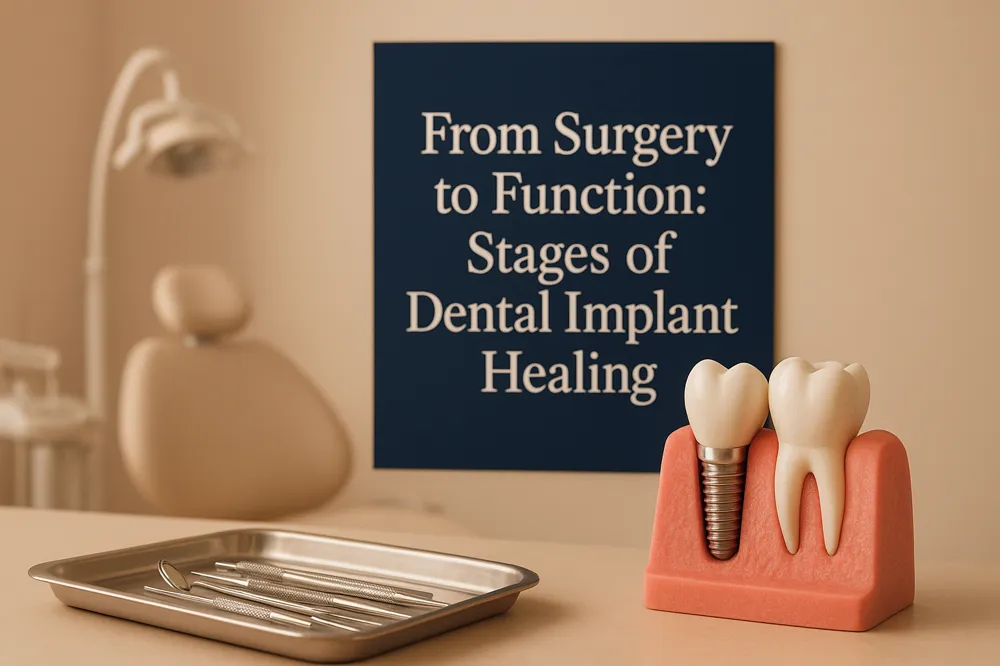
After dental implant surgery recovery, the first stage involves healing of the gums and soft tissues around the implant site. This period typically lasts about 1 to 2 weeks. Patients can expect minor swelling, mild pain, and some bruising during this time. Care includes resting, applying ice packs in 20-minute cycles, using prescribed or over-the-counter pain medication, and following a soft-food diet. Avoiding disturbance of the implant site is critical to protect the blood clot, which forms immediately after surgery and aids healing.
Osseointegration Process and Timeline
Osseointegration process of dental implants is the crucial phase where the titanium implant fuses securely with the jawbone. This biological bonding usually takes between 3 to 6 months, depending on individual factors like bone quality and overall health. Successful osseointegration forms a solid foundation for the implant, enabling it to function like a natural tooth root. This phase is painless and happens beneath the gum, so continuous follow-up with the dentist is important to monitor progress.
Attachment of Abutment and Final Restoration
Once osseointegration is confirmed, usually after several months, the implant is uncovered if necessary, and an abutment is placed to connect the implant to its restoration. The final stage involves fitting a custom-made crown, bridge, or denture that matches the patient’s bite, facial structure, and aesthetics. This restoration typically looks natural and restores full function, allowing patients to chew, speak, and smile confidently. For detailed insight, see the Dental implant restoration process.
Importance of Oral Hygiene and Dental Check-Ups During Healing
Throughout all stages of healing, maintaining excellent Post-operative care for dental implants is essential to prevent infection and ensure long-term success of dental implants of implants. Gentle brushing and flossing around the implant site should be practiced, avoiding direct stress on the area during initial recovery. Patients should attend regular dental appointments so professionals can monitor healing, remove sutures if needed, and address any complications early. Consistent care helps dental implants last for decades or even a lifetime.
Post-Surgery Care and Rest Recommendations
How long should patients rest following dental implant surgery?
Patients are advised to rest for at least 48 to 72 hours following Dental implant surgery recovery to ensure proper healing. During this critical initial phase, reducing physical activity helps avoid complications such as increased bleeding or dislodging the vital blood clot at the surgical site.
Managing swelling and discomfort
Managing swelling and bruising after implants and mild discomfort are common after Dental implant surgery recovery, typically peaking within the first 48 to 72 hours. Patients can manage these symptoms effectively using over-the-counter or prescribed pain medications. Bruising might also occur but usually resolves quickly with proper care.
Use of ice packs
Application of ice packs near the implant area in cycles of 20 minutes on and 20 minutes off during the first 24 hours post-surgery is highly beneficial. This routine minimizes swelling, reduces bruising, and provides pain relief, contributing to a more comfortable Dental implant surgery recovery process.
Medication and activity restrictions
Patients should adhere strictly to their dentist's instructions regarding pain management after dental implant surgery and antibiotics to prevent infection. Strenuous physical activities, smoking, alcohol consumption, and the use of straws or vigorous rinsing should be avoided immediately after surgery to protect the healing tissues.
Gradual return to normal activities
Most patients can gradually resume normal daily activities within a few days post-surgery. Eating soft foods initially and then progressing to a returning to normal diet after implants helps support healing without stressing the implant site. Although visible symptoms improve quickly, complete healing and osseointegration process of dental implants take several months, emphasizing the need for continued care and regular dental follow-ups.
Detailed Dental Implant Restoration Procedure
What does the dental implant restoration process involve?
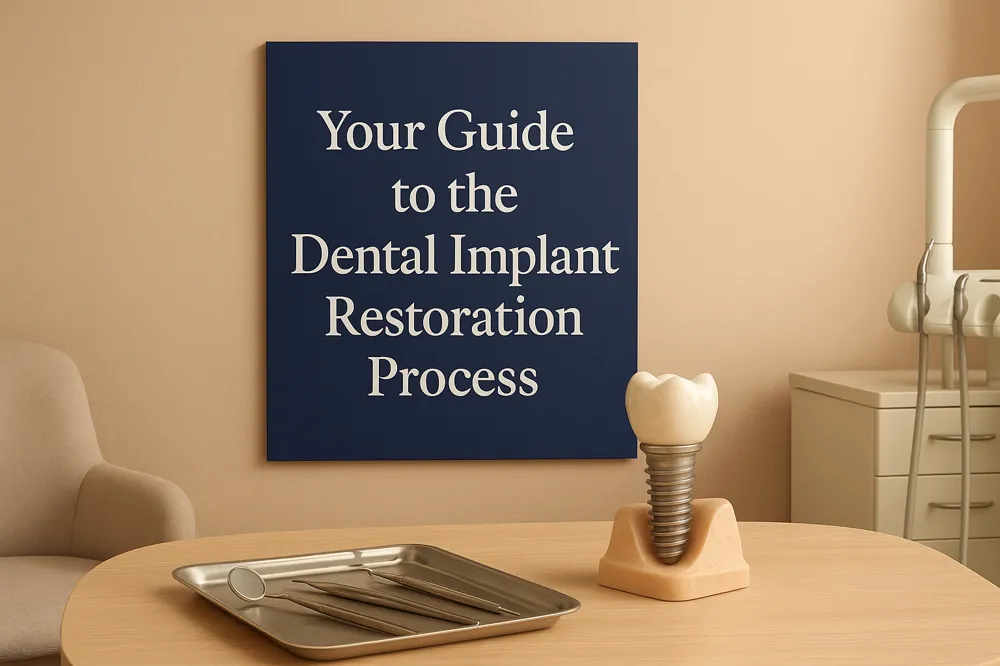
The dental implant restoration process starts with an initial consultation and thorough evaluation. During this step, the dentist reviews your medical and dental history, examines your mouth, and uses imaging techniques like X-rays or 3D scans to assess the condition of your jawbone. This helps determine if your bone structure can support an implant or if additional procedures such as bone grafting for implants are necessary to build a stronger foundation.
Initial Consultation and Evaluation
This critical phase includes:
- Medical and dental history review
- Oral examination and dental X-rays
- Treatment planning tailored to your needs
Use of Imaging and Bone Grafting if Needed
Imaging tools provide precise visualization of the jawbone. If insufficient bone density or volume is detected, bone grafts and periodontal treatment will be scheduled. This procedure strengthens the bone to support the implant securely, often adding a few months to the overall timeline.
Surgical Placement of Titanium Implant
The next stage is the surgical insertion of a titanium dental post placement directly into the jawbone. This procedure is minor and typically performed with local anesthesia to ensure patient comfort. The implant acts as a durable artificial tooth root capable of supporting your future restoration.
Healing Phase with Soft Diet and Oral Care
Immediately after surgery, patients should follow specific aftercare instructions to promote healing, including:
- Eating a soft diet to avoid pressure on the implant site
- Applying ice packs to reduce swelling
- Avoiding strenuous activities
- Maintaining gentle oral hygiene avoiding the implant area until the site stabilizes
During this healing phase, called osseointegration process, the jawbone gradually fuses to the titanium post. This stable connection generally takes three to six months and is essential for the implant's durability and function.
Attachment of Abutment and Crown/Bridge/Denture Placement
Once osseointegration is confirmed, the next step involves abutment and prosthetic attachment—a small connector placed on top of the implant. After this, impressions of your teeth and bite are taken to custom-craft the final prosthetic restoration. Depending on your needs, this may be crowns for single tooth replacement, bridges and dentures for multiple teeth or implant-supported denture for full arch restoration.
Customization for Aesthetic and Functional Needs
Your restoration is tailored to match the shape, size, color, and bite alignment of your natural teeth. This personalized approach ensures your new teeth look natural and restore proper chewing, speaking, and smiling functions. Regular dental checkups and proper oral hygiene will help maintain your dental implant restoration's longevity.
With careful planning, expert surgical placement, and diligent aftercare, dental implant restorations provide functional, aesthetic, and lasting solutions for tooth loss, enhancing both oral health and patient confidence.
Key Preoperative Considerations and Patient Eligibility
What important factors should patients know before getting dental implants?
Dental implant success heavily relies on a patient's overall health and specific medical conditions. Chronic illnesses such as uncontrolled diabetes can impair healing, increasing the risk of implant failure. Smoking also negatively affects outcomes by hindering bone healing and increasing infection chances.
Adequate jawbone density is crucial since implants require strong bone to anchor firmly. If the bone volume or quality is insufficient, supplementary procedures like bone grafting for implants may be necessary before implant placement.
Advanced imaging technologies, including 3D scans and digital X-rays, are essential tools that allow dental professionals to evaluate bone condition accurately and plan implant placement precisely. This evaluation ensures implants are positioned for long-term stability and aesthetic success.
Patients must be ready to commit to the treatment timeline, which typically spans several months. This period includes the surgical placement of the implant, the healing phase of osseointegration process in dental implants, where the jawbone fuses to the implant, and the final restoration with crowns or bridges.
Proper post-operative care for dental implants involving diligent brushing, flossing, and regular dental checkups, helps maintain implant health and longevity. With adherence to these factors, dental implants can last 15 to 25 years or even a lifetime, providing a durable and natural tooth replacement option.
Recommended Care After Dental Implant Placement
What are the recommended do's and don'ts after receiving a dental implant?
After Dental implant surgery recovery, patients should prioritize rest and avoid strenuous activities for the first few days to ensure optimal healing. A soft-food diet is recommended initially, gradually reintroducing normal foods as comfort allows. Good oral hygiene is critical; use a soft-bristle toothbrush and be gentle around the implant site, avoiding direct brushing for about a week to protect the healing area. Patients should avoid hard, sticky, or overly hot foods and refrain from smoking or using tobacco products, as these can impair healing and increase risks of implant failure.
Dietary guidelines and oral hygiene practices
Eating soft, cool foods immediately following surgery helps prevent irritation and supports recovery. Over the first week or two, patients can slowly return to a normal diet as discomfort decreases. Maintaining clean implant sites with gentle brushing and flossing prevents infection; antibacterial mouth rinses may be recommended to further promote healing, as suggested in What to expect after dental implants.
Avoiding smoking and strenuous activity
Smoking significantly increases the risk of poor healing and implant complications. Patients should avoid smoking and alcohol consumption during their recovery period. Strenuous activities and heavy physical exertion should be minimized for several days post-surgery to reduce swelling and bleeding, consistent with Managing swelling and bruising after implants.
Monitoring for complications and signs of infection
It's important to watch for unusual symptoms such as persistent or increasing pain, swelling, bleeding, or redness around the implant. Early signs of implant infection or complications warrant prompt dental consultation to prevent implant failure, details on which can be found at Signs of complications after dental implant surgery.
Importance of follow-up dental visits
Regular follow-up appointments allow your dentist to monitor the healing process, remove stitches if necessary, and plan for final implant restoration. These visits are integral to ensuring long-term success of dental implants and durability of the dental implant.
Potential Complications and Maintenance of Dental Implants
What are the common complications that can occur in patients with dental implants?
Mechanical complications are among the common issues patients may face with dental implants. Ceramic chipping happens in roughly 20.31% of cases, while occlusal screw loosening occurs at about 2.57%, and loss of retention is noted in around 2.06% of cases. Other mechanical problems such as abutment loosening and fractures are less frequent. Altogether, the rates of mechanical and technical complications can reach approximately 24.7%.
What risks does peri-implantitis pose?
Peri-implantitis is an inflammatory condition affecting the tissues around the implant, leading to potential bone loss and implant failure if untreated. It can present with symptoms like redness, swelling, bleeding, and sometimes pain, although it may also be asymptomatic and only detected via radiographs. For detailed information about peri-implantitis prevalence rates and treatments refer to specialized clinical studies.
How can patients recognize issues with their implants?
Signs indicating implant problems include persistent pain, swelling, increased sensitivity, bleeding, implant mobility, and any unusual discharge or odor around the implant site. Early attention to these symptoms can prevent more serious complications. Learn more about recognizing implant complications and post-operative care after dental implants.
What restorative and treatment options exist for implant complications?
Treatment for mechanical issues may involve repairing or replacing crowns, screws, or abutments. For peri-implantitis, non-surgical cleaning and antibiotics can manage mild cases, while advanced situations might require surgical intervention such as flap surgery or laser therapy to control infection and preserve bone. Explore comprehensive details about the dental implant restoration process and peri-implantitis management.
What long-term care strategies help maintain implant health?
Maintaining good oral hygiene including regular brushing and flossing, avoiding harmful habits like smoking or chewing hard objects, routine dental check-ups, and professional cleanings are essential. Wearing custom nightguards if recommended and following your dentist's specific care instructions help ensure the longevity of dental implants. More information on dental implant maintenance and hygiene and long-term success of dental implants can guide you further.
Ensuring Long-Term Success with Dental Implants
Importance of Proper Aftercare and Regular Dental Visits
Proper post-operative care is essential for the longevity of dental implants. Patients should follow their dentist’s instructions carefully, including maintaining regular dental checkups to monitor implant health.
Encouragement of Good Oral Hygiene Habits
Daily brushing and flossing around the implant sites prevent infections and promote healing. Avoiding irritants like smoking and adhering to a soft-food diet during the initial recovery period support successful osseointegration.
Dental Implants as a Durable and Confidence-Boosting Solution
With diligent care, dental implants can last for decades or even a lifetime. They restore both function and appearance, allowing patients to eat, speak, and smile naturally without fear of slipping or discomfort.
Patient Satisfaction and Life-Changing Benefits
Many patients report significant improvements in quality of life after implantation. Enhanced chewing ability, restored self-confidence, and a natural look contribute to the broadly positive experiences and high satisfaction rates associated with dental implants.