Introduction to Laser Periodontal Therapy and Gum Disease
Understanding the Prevalence and Impact of Gum Disease
Gum disease, also known as periodontal disease, affects nearly half of adults in the United States, making it a widespread health concern. If untreated, it can lead to severe gum and bone damage, causing tooth loss and contributing to systemic health issues such as heart disease, diabetes, and stroke.
Traditional Challenges in Gum Disease Treatment
Conventional treatments for gum disease often involve invasive procedures like scaling and root planing or surgical pocket reduction. These methods can cause discomfort, bleeding, and long recovery times, which may deter patients from seeking timely care.
Introducing Laser Periodontal Therapy: An Innovative Solution
Laser periodontal therapy offers a modern, minimally invasive approach. It uses targeted laser energy to precisely remove infected gum tissue and bacteria while preserving healthy tissue. This technique reduces pain, bleeding, and healing time, providing patients with a comfortable and effective alternative to traditional gum disease treatments.
Understanding Gum Disease and Its Consequences

What is Gum Disease and What are Its Stages?
Gum disease, also known as periodontal disease, is an infection of the tissues supporting your teeth. It typically progresses through two main stages: gingivitis and periodontitis.
- Gingivitis is the early, reversible stage characterized by red, swollen gums that bleed easily.
- Periodontitis is more advanced and involves irreversible damage, including gum recession, loose teeth, and bone loss.
How Common is Gum Disease and What Are the Risk Factors?
Gum disease affects nearly half of all adults in the U.S., making it a widespread oral health challenge. Risk factors include:
- Poor oral hygiene
- Smoking
- Diabetes
- Hormonal changes (pregnancy, menopause)
- Genetic predisposition
- Certain medications and systemic diseases
Can Gum Disease Affect Overall Health?
Yes, gum disease goes beyond oral health. It has been linked to serious systemic issues such as:
- Heart disease
- Stroke
- Diabetes complications
- Respiratory ailments
- Pregnancy complications
This underscores the importance of good oral care to support overall wellness.
Why is Early Detection and Management Important?
Early gum disease (gingivitis) is preventable and treatable. Detecting it promptly allows for interventions like professional cleanings, improved home care, and targeted therapies to stop progression and avoid tooth loss.
What Comprehensive Dental Services Can Help?
Dental practices offer a wide range of services to manage oral health comprehensively:
- Preventive care: routine cleanings, exams, fluoride
- Restorative treatments: fillings, crowns, bridges
- Cosmetic procedures: whitening, veneers
- Orthodontics: braces, aligners
- Periodontal therapy: scaling, root planing, laser treatments
- Oral surgery when necessary
These services ensure personalized and complete care tailored to your gum health and overall dental needs.
How Laser Periodontal Therapy Transforms Gum Disease Treatment
What is Laser Periodontal Therapy?
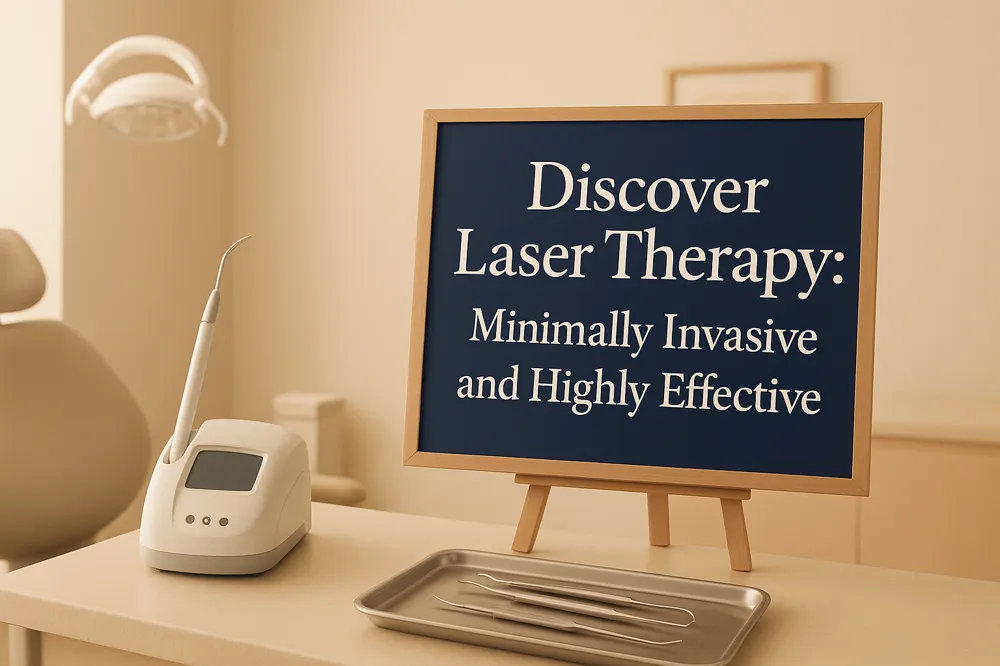
Laser periodontal therapy utilizes advanced laser technologies, such as LANAP (Laser Assisted New Attachment Procedure), LAPT (Laser Assisted Periodontal Therapy), and SIROLaser®, to treat gum disease. These procedures employ focused light energy to precisely remove infected gum tissue and harmful bacteria while preserving healthy tissue. This minimally invasive laser periodontal treatment approach targets periodontal pockets and sterilizes the area to promote healing and tissue regeneration.
Advantages Over Traditional Surgery
Compared to conventional gum surgery, laser therapy is significantly less invasive. It typically requires no scalpels or stitches, resulting in minimal bleeding and reduced post-operative discomfort. The precision of laser treatment allows dentists to selectively target diseased tissue without damaging surrounding healthy gums. Patients often experience faster recovery times, with many returning to normal activities within 24 to 48 hours.
Bactericidal Effect and Precision
The high-energy laser beam acts as a powerful sterilizer, effectively killing damaging oral bacteria with reported kill rates as high as 99.9%. By precisely vaporizing infected tissue, laser therapy lowers the risk of reinfection and supports a healthier oral environment. This precision enhances treatment outcomes, reducing swelling, bleeding, and pain.
Promotion of Tissue Regeneration and Healing
Laser periodontal treatments stimulate natural gum tissue regeneration and aid in the reattachment of gums to teeth. Techniques like LANAP have been FDA-cleared to encourage bone regeneration and restoration of the supportive structures around teeth, helping to maintain oral health in moderate to advanced periodontal disease cases.
Treatment Duration and Recovery
Typically, laser periodontal therapy is completed in one or two visits, each lasting one to two hours. Because the procedures are minimally invasive, post-treatment recovery is swift, with most patients experiencing only mild, temporary discomfort or swelling. The need for anesthesia is often minimal or eliminated, benefiting patients who experience dental anxiety.
Modern dental practices widely adopt laser technology, enhancing patient comfort and treatment efficacy. Alongside other innovations such as digital X-rays and intraoral cameras, laser periodontal therapy represents a transformative advance in managing gum disease with precision and care.
Patient Experience and Post-Treatment Care in Laser Gum Therapy
How Does a Patient-Centered Approach Improve Dental Care?
A patient-centered approach improves dental care by focusing on each patient's unique needs and concerns. This method ensures open communication, helping patients feel informed and involved in their treatment choices. It also reduces anxiety by fostering a comfortable environment, which encourages patients to pursue regular care and maintain their oral health. Personalized plans lead to better outcomes and trust between patients and professionals. For more on Patient-centered laser dentistry and its benefits, see this resource.
How Does Laser Gum Therapy Enhance Patient Comfort?
Laser gum therapy is minimally invasive, often requiring little to no anesthesia. This characteristic reduces pain and discomfort during treatment. The precision of laser technology selectively removes infected tissue while preserving healthy gum areas. These factors combine to lessen bleeding and post-operative issues, making the procedure more comfortable and less intimidating, particularly for anxious patients. Learn more about Laser gum treatment overview and Benefits of Laser Therapy for Gums.
What Are Common Side Effects and Their Management?
Common side effects include mild gum tenderness, sensitivity of teeth and gums, and possible slight gum discoloration. These symptoms are usually temporary and mild. Management includes using gentle oral hygiene techniques and avoiding irritants. Post-treatment pain or swelling can be controlled with over-the-counter pain relief and cold compresses if advised by the dentist. Additional details on Side effects of laser gum treatment and Laser therapy post-operative care can help guide proper care.
What Postoperative Care Should Patients Follow?
- Maintain excellent oral hygiene with gentle brushing and flossing.
- Rinse with warm salt water to soothe gums and reduce irritation.
- Follow a soft diet, avoiding hard, spicy, or hot foods during initial recovery.
- Stay hydrated to support healing.
- Avoid smoking to prevent delayed healing and infection.
- Attend scheduled follow-up visits to monitor healing and treatment success.
For comprehensive guidance, see resources on Post-operative care for laser gum therapy and Post-procedure care recommendations.
How Does Laser Therapy Shorten Recovery and Minimize Complications?
Laser gum therapy promotes faster healing by sterilizing treated areas, reducing bacteria, and minimizing tissue trauma. The procedure's precision means less bleeding and swelling, which shortens recovery time—typically to 24–48 hours. Minimal invasiveness leads to fewer complications like infections or scarring, allowing patients to return to normal activities quickly with improved oral health. Explore more about Faster Recovery with Laser Gum Treatment and Reduced Post-Op Complications in Laser Gum Therapy.
The Role of Intraoral Cameras in Enhancing Laser Periodontal Therapy
What are the benefits of using intraoral cameras in dental care?
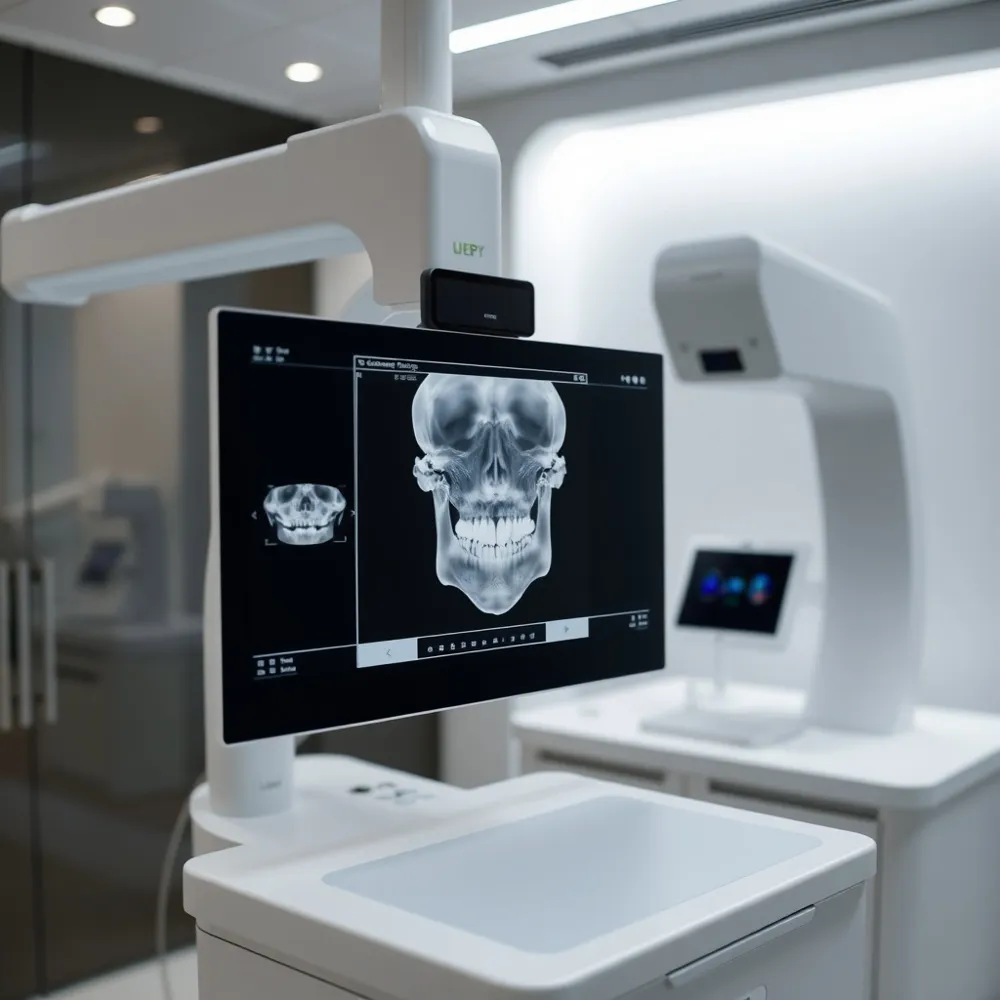
Intraoral cameras have become an invaluable asset in modern dental care, especially in enhancing advanced treatments like laser periodontal therapy. These compact devices deliver high-resolution images of the mouth's interior, allowing dentists precise visualization of areas affected by gum disease and other dental issues. This detailed imaging supports accurate diagnosis and thorough treatment options for gum disease, enabling dentists to target only the diseased gum tissue during laser therapy for gum disease while preserving healthy tissue.
Moreover, intraoral cameras significantly improve patient understanding and engagement. By showing patients clear images of their gums and teeth, dental professionals can effectively educate them about their condition and the specific benefits of laser treatment for periodontal disease. This transparency encourages patients to be more involved in their care decisions and diligent with postoperative care for laser gum treatment.
The integration of intraoral imaging technology with laser treatment also contributes to better clinical outcomes. Detailed visuals guide the practitioner during the procedure, enhancing precision and reducing the risk of complications. This synergy of technology results in faster recovery with laser gum treatment, less discomfort, and sustained periodontal health, reflecting the modern family-oriented dental practices’ commitment to combining innovation with patient comfort and care.
Long-Term Benefits and Considerations of Laser Periodontal Therapy
How Durable Are Laser Periodontal Therapy Results Compared to Traditional Surgery?
Laser periodontal therapy provides long-lasting and durable results often exceeding those of traditional gum surgery. Procedures like the Laser-Assisted New Attachment Procedure (LANAP) report high success rates, with studies showing up to 98-99% of treated patients avoid disease progression for five years or more. This is due to the laser's precision in targeting diseased tissue while preserving healthy gums, promoting natural tissue regeneration and bone healing. For more information, see Laser Periodontal Therapy benefits.
Does Laser Therapy Reduce Recurrence and Infection Risks?
Yes, laser therapy significantly decreases the risk of gum disease recurrence and infection. The laser's bactericidal properties sterilize periodontal pockets during treatment, effectively killing harmful bacteria. Additionally, laser treatment cauterizes tissues, reducing bleeding and inflammation, which lowers the chance of bacterial reinvasion and postoperative complications. This sterilization and improved healing environment contribute to sustained oral health. Learn more about Laser therapy for periodontal treatment and Benefits of laser therapy for gums.
What Are the Limitations and Who Is Suitable for Laser Therapy?
Laser periodontal therapy, while highly effective, has limitations. It is most suitable for patients with mild to moderate gum disease and may be less effective in severe or deeply infected pockets requiring more extensive surgical interventions. Furthermore, the high cost of equipment and treatment may limit accessibility. Not all patients are candidates, especially those with complex health conditions or advanced periodontitis that demands traditional surgical care. For detailed insights, refer to Limitations of laser gum treatment and Candidates for laser periodontal therapy.
Why Is Oral Hygiene and Regular Dental Visits Crucial After Laser Treatment?
Consistent oral hygiene and routine dental checkups are essential to maintain the benefits of laser periodontal therapy. Proper home care — including brushing, flossing, and using antibacterial mouthwash — helps prevent plaque buildup and new bacterial infections. Regular professional cleanings enable early detection of any recurrence and ensure the longevity of the treatment results. Patients are advised to avoid smoking and follow post-operative care instructions to support healing. Additional guidance can be found under Managing discomfort after laser gum therapy and Follow-up visits after laser gum therapy.
How Does Laser Therapy Fit into Comprehensive Dental Care?
Laser periodontal therapy complements traditional dental treatments by offering a minimally invasive, patient-friendly option for managing gum disease. It integrates well with scaling and root planing, antibiotic therapies, and restorative procedures, contributing to a holistic approach to oral health. This technology enhances patient comfort, reduces treatment times and recovery, and is part of modern dental practices committed to combining advanced technology with preventive care for sustained periodontal health. For more details, visit Minimally-Invasive Laser Periodontal Treatment and Gum Disease Treatment.
Embracing Laser Technology for Lasting Gum Health
The Benefits of Laser Therapy in Gum Disease Healing
Laser therapy offers a minimally invasive and precise solution for treating gum disease. By using focused light energy, it effectively removes infected tissue and harmful bacteria while preserving healthy gums. Patients benefit from reduced bleeding, less discomfort, faster healing, and lower infection risk compared to traditional surgery.
Why Choose Modern Laser Treatments?
Advanced technology like the SIROLaser® at practices such as Southern Boulevard Dental in Rio Rancho, New Mexico, enhances patient comfort by minimizing the need for anesthesia and reducing post-operative pain. These treatments support natural tissue regeneration and promote long-lasting gum health with minimal recovery time.
Commitment to Patient-Centered Care
With the integration of cutting-edge laser technology, dental practices offer personalized, comfortable, and effective periodontal care. Embracing these modern approaches ensures patients receive high-quality treatments that preserve their oral health and improve overall well-being.