

The Digital Shift in Modern Dentistry
Digital impression technology uses intra‑oral scanners to capture a high‑resolution, three‑dimensional image of the teeth and soft tissues in seconds. The scan replaces messy trays, putty, and the waiting period required for traditional materials to set. Because the data are instantly displayed on a screen, the clinician can verify margins, occlusion and bite registration in real time and correct any gaps before the patient leaves the chair. Patients prefer this approach – it eliminates gag‑inducing trays, reduces discomfort, and shortens the appointment to a few minutes per arch. Practices benefit from faster chair turnover, reduced material waste, and a permanent electronic record that can be sent instantly to the lab, cutting down on shipments and remakes. This article will explore how the digital workflow streamlines treatment, lowers chair time by up to 50 %, and delivers restorations that fit more precisely, ultimately improving patient satisfaction and practice efficiency.
Understanding Digital Impressions: Technology and Workflow
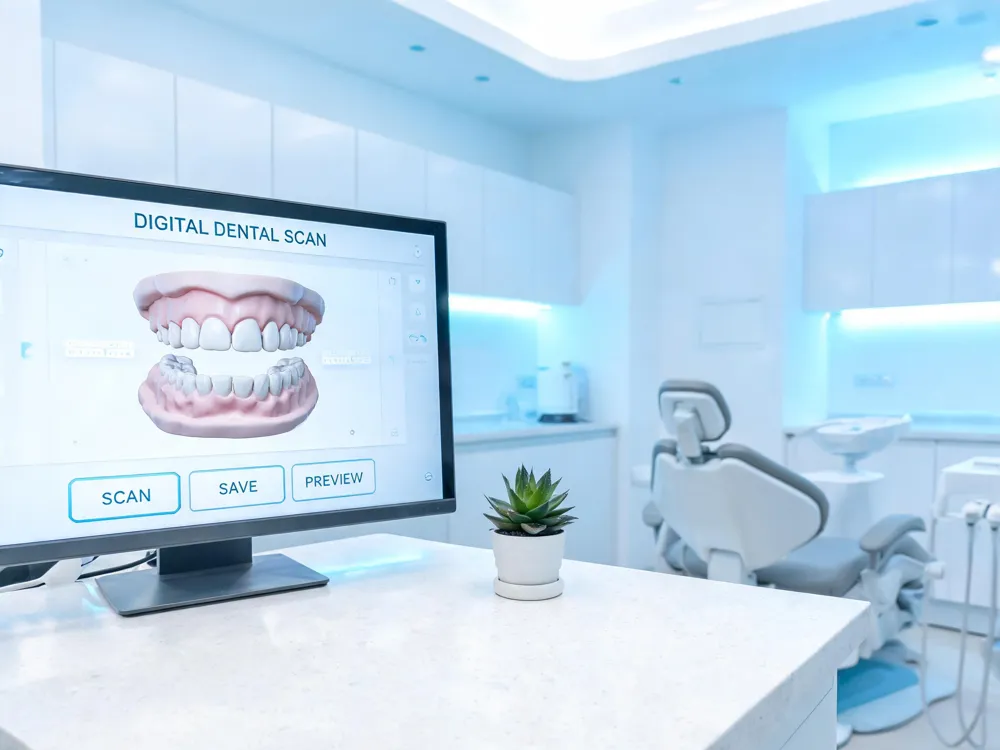
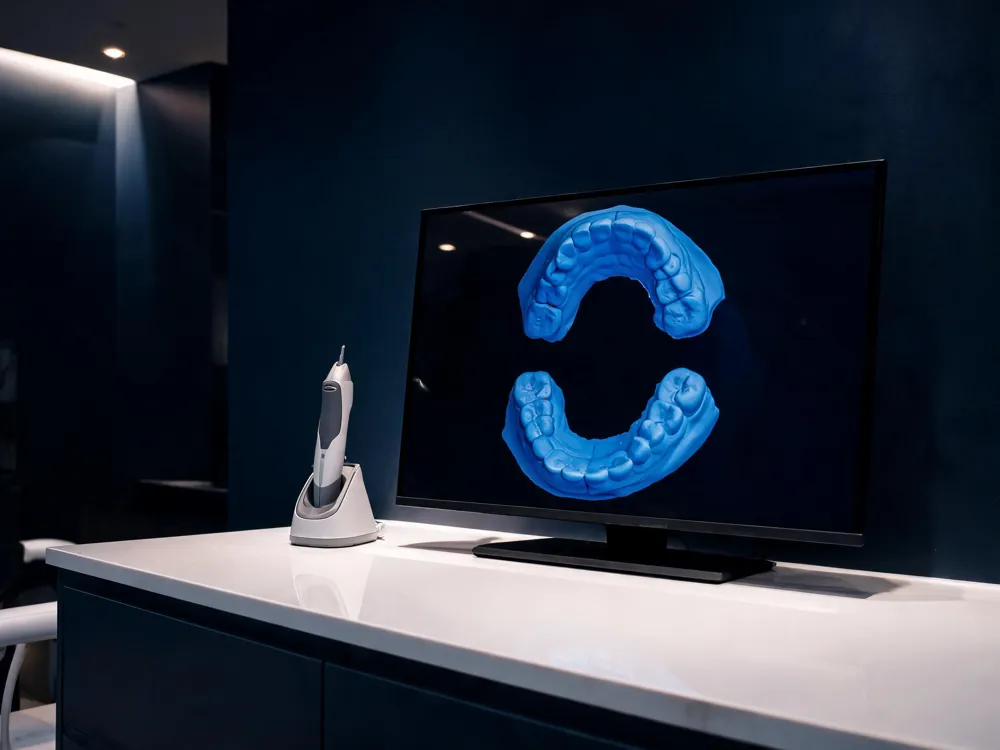 Digital intra‑oral scanners come in three main types: laser‑based systems that sweep a laser beam across the arch, high‑resolution optical scanners that capture images as photographs, and newer powder‑free scanners that use structured light. All can acquire a full‑arch scan in just 3–5 minutes, far quicker than the 15–30 minutes required for conventional trays. The software stitches the images in real time, displaying a 3‑D model on a monitor chairside; any missing area can be rescanned instantly, eliminating repeat appointments. Patients experience a comfortable, mess‑free scan—no tray, no putty, no gag reflex—making the procedure especially suitable for those with dental anxiety.
What are the benefits of digital impressions? They deliver sub‑30‑micron accuracy, reduce chair time by up to 50 %, eliminate material distortion, and allow immediate electronic lab communication for faster, often same‑day, restorations. The process is eco‑friendly and creates a permanent electronic record for future remakes.
What is a digital dental impression machine? It is an intra‑oral scanner—a handheld, camera‑like device that captures thousands of images per second, stitches them into a precise 3‑D model, and transmits the data instantly to the lab, streamlining workflow and enhancing patient education.
Impact on Chair Time: From Scans to Same‑Day Restorations
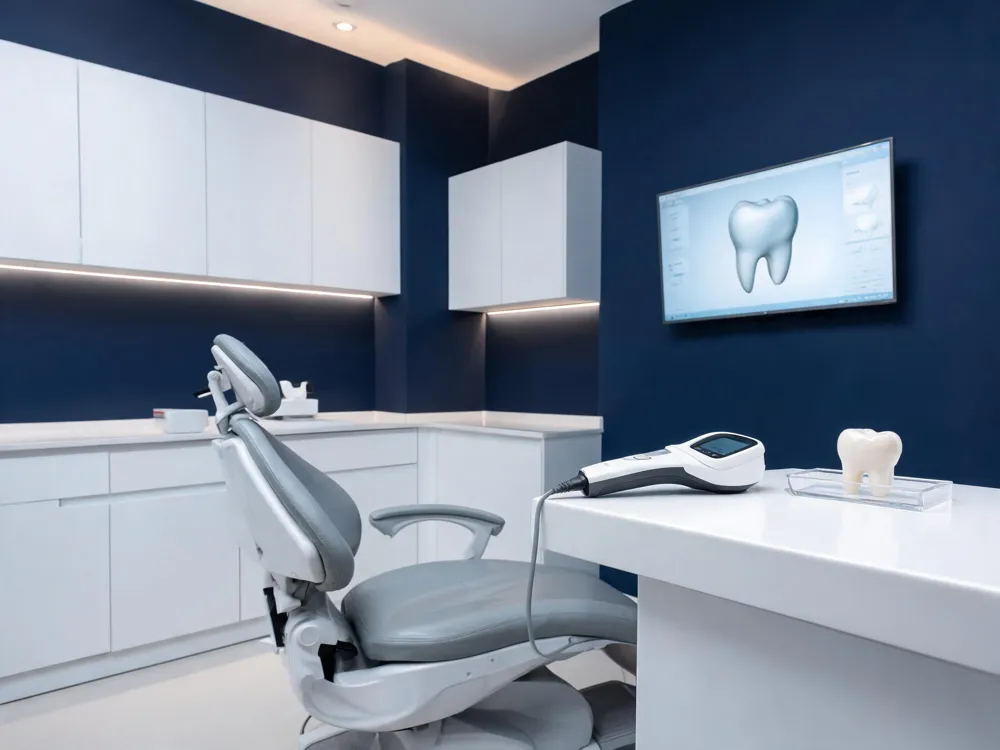 Digital impression technology cuts chair‑time dramatically: crowns seat in 30‑50 % less time and denture cases see a 40‑50 % reduction. Because the scanner captures a full arch in minutes, patients no longer need the 2‑3 extra visits that traditional denture workflows require. The 3‑D data is transmitted instantly to the laboratory, eliminating courier delays and allowing CEREC‑type milling to begin while the patient is still in the chair. In many practices, a single‑visit, same‑day restoration is now possible, preserving schedule integrity and boosting profitability.
Digital dental impressions near me – Southern Boulevard Dental in Rio Rancho, NM, uses a state‑of‑the‑art intra‑oral scanner that creates precise, comfortable scans without mess or gagging. The quick, accurate process reduces chair time and improves the fit of crowns, bridges, and orthodontic appliances.
Advantages of a digital scanner – It replaces uncomfortable trays, delivers sub‑micron accuracy, allows real‑time error correction, speeds lab communication, supports same‑day milling, stores records electronically, and eliminates material waste, all while enhancing patient comfort and treatment predictability.
Improved Fit and Remake Rates: Accuracy and Predictability
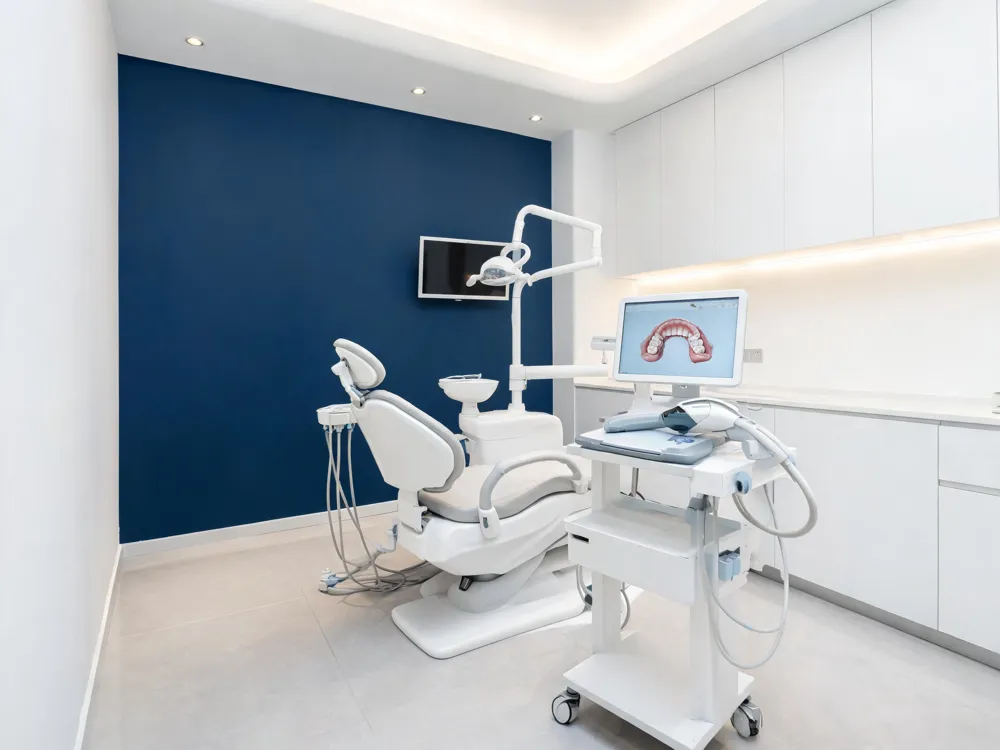 Digital impressions capture the oral anatomy with micron‑level precision—typically a 20‑30 µm deviation—far exceeding the variability of stone models. This high resolution translates into marginal gaps of 50‑80 µm, compared with 100‑150 µm for conventional impressions, producing restorations that seat on the first try. Because the virtual model is error‑free, clinicians report 30‑40 % fewer adjustment appointments and remake rates drop dramatically—studies show up to a 30 % reduction in remakes. Patients notice the difference: fewer post‑operative visits, less discomfort, and higher overall satisfaction scores (15‑20 % improvement).
Are digital dental impressions better than traditional ones? Yes. They eliminate messy, gag‑inducing materials, capture accurate data in minutes, and allow instant lab transmission for faster, more predictable outcomes while reducing waste.
What is a digital impression used for in dentistry? It serves as the foundation for crowns, bridges, veneers, orthodontic appliances, implant guides, and even 3‑D‑printed dentures, enabling precise, patient‑specific restorations.
Economic and Environmental Benefits for Practice and Patient
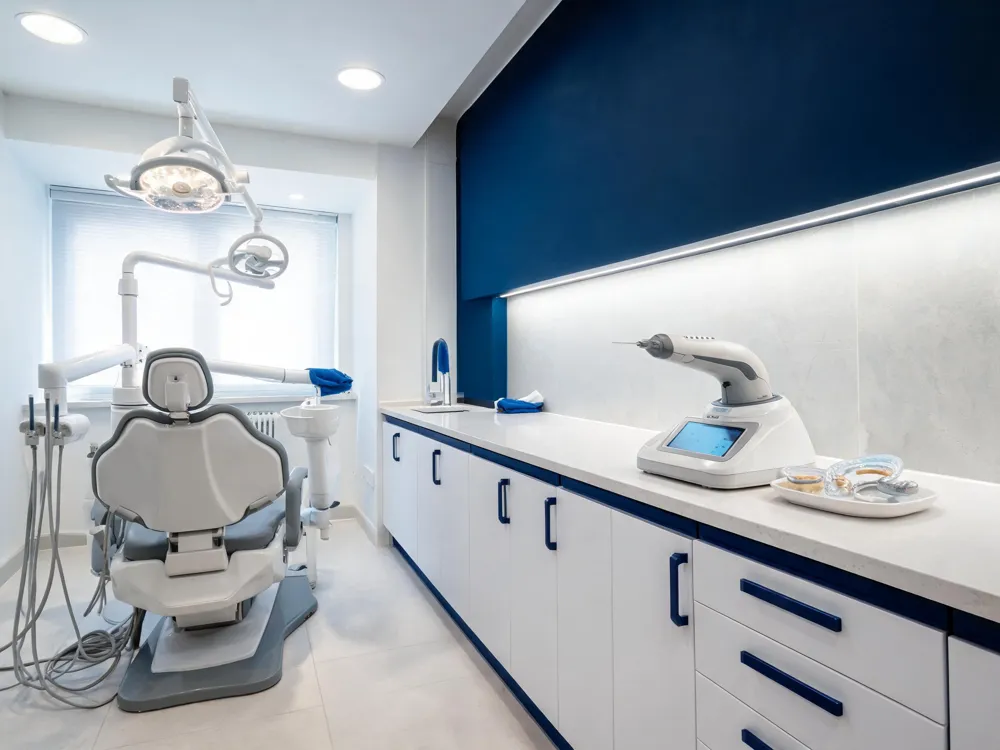 Chair time is the most expensive asset in a dental practice; digital impressions cut impression‑taking time by 30‑50 % and can reduce total chair time for crowns and dentures by up to 50 %, directly improving profitability. Because no physical trays or impression materials are used, material costs drop dramatically—practices save the $30‑$40 per impression and eliminate disposal fees. The higher accuracy of scans (often within 20‑30 µm) leads to lower remake and fracture rates, further decreasing lab fees and patient visits. Environmentally, removing disposable trays, putty, and gypsum casts cuts plastic and chemical waste, making the workflow greener. Overall, the combination of faster appointments, fewer remakes, and reduced material waste translates into measurable profit gains for the practice and a more sustainable, patient‑friendly experience.
Practical Considerations and Limitations
 Disadvantages of digital impressions center on upfront costs and workflow nuances. Purchasing an intra‑oral scanner typically requires a $21,000‑$24,000 investment plus training, which can strain a practice’s budget before the efficiency gains offset the expense. While scanners capture hard tissue with sub‑micron accuracy, they struggle with movable soft tissue; full‑arch denture scans often miss compressible mucosa and vestibular nuances, leading to fit issues that may still require a conventional preliminary impression. This hybrid approach can add complexity rather than eliminating steps. Additionally, the learning curve for clinicians and hygienists is steep—operators must master scan acquisition, data verification, and real‑time error correction to avoid repeat appointments. Finally, digital workflows depend on reliable internet and secure cloud storage, and any technical glitch can disrupt treatment timelines. Practitioners must weigh these limitations against the proven benefits of reduced chair time, improved accuracy, and patient comfort before fully transitioning from analog methods.
Embracing the Future of Restorative Dentistry
Digital impressions have transformed restorative care by cutting chair time 30‑50%—a full‑arch scan now takes just a few minutes versus 15‑30 minutes for traditional putty. The high‑resolution 3‑D data (20‑30 µm accuracy) yields crowns, bridges, and dentures that fit better, require fewer adjustments, and dramatically improve patient comfort by eliminating gag‑inducing trays. At Southern Boulevard Dental in Rio Rancho, our state‑of‑the‑art intra‑oral scanners (iTero, 3Shape TRIOS) and seamless CAD/CAM integration place us at the forefront of this technology, delivering faster turn‑around, predictable outcomes, and a paper‑free record that can be stored indefinitely. Experience the difference yourself—schedule a visit today and let our friendly team give you a precise, comfortable restoration with the power of digital impressions.