Introduction to Laser Therapy in Gum Disease Treatment
Understanding Laser Therapy in Periodontal Care
Laser therapy in periodontal treatment utilizes focused light energy to precisely target and remove infected gum tissue, enhancing healing while preserving healthy tissue. This minimally invasive approach reduces trauma and postoperative discomfort compared to traditional gum surgery.
Gum Disease Prevalence in the United States
Periodontal disease affects nearly half of adults over 30, with even higher rates in older populations, making it a major oral health concern. Untreated gum disease can lead to tooth loss and has been linked to systemic health issues such as cardiovascular disease and diabetes.
Advantages of Laser Therapy
Unlike traditional methods that often require incisions and sutures, laser therapy offers targeted treatment with less bleeding and swelling. It promotes faster healing, reduces the need for anesthesia, and generally results in a more comfortable patient experience. Laser treatments also sterilize the area, lowering infection risks and supporting tissue regeneration, allowing patients quicker return to daily activities.
Precision and Effectiveness of Laser Therapy for Periodontal Disease
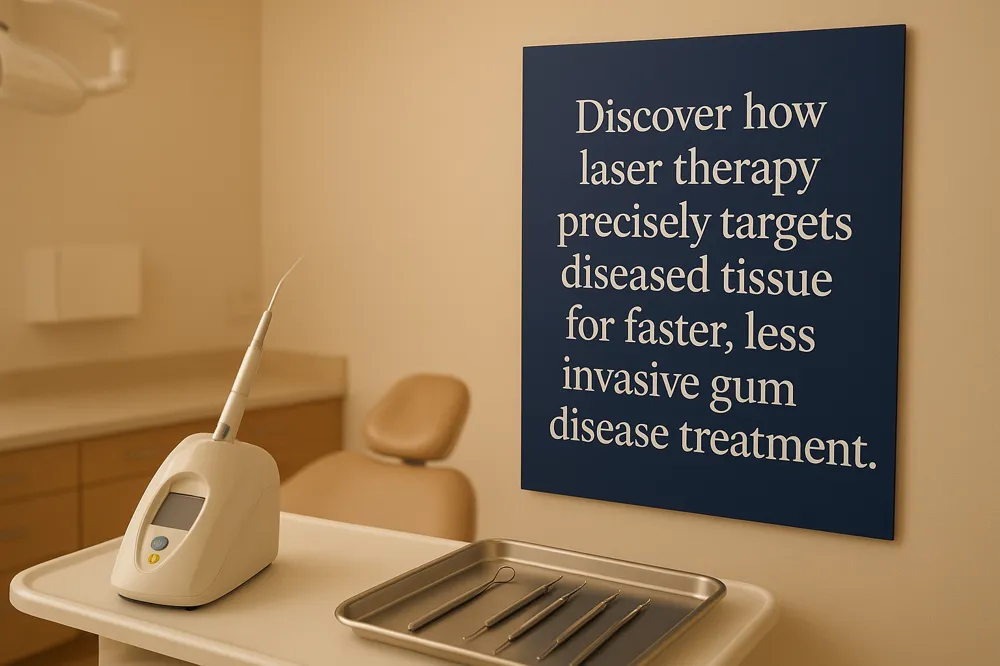
How laser therapy targets diseased gum tissue and bacteria
laser therapy in periodontal treatment uses highly focused light energy to precisely remove infected gum tissue and harmful bacteria without affecting surrounding healthy tissues. The laser targets only diseased areas, including how laser removes inflamed gum tissue and laser tartar removal near tooth root, minimizing trauma. This precise targeting allows for sterilization of periodontal pockets and reduction of bacterial infection, fostering a healthier environment conducive to tissue regeneration via laser therapy.
Effectiveness and success rate of LANAP laser treatment
The Laser Assisted New Attachment Procedure (LANAP) is an FDA-approved laser treatment noted for its high effectiveness in managing gum disease. LANAP uses the PerioLase MVP-7 laser technology to precisely remove diseased gum tissue while preserving healthy tissue. This promotes new bone and gum tissue growth by stimulating the body's natural healing response. Clinical studies indicate a 99.9% kill rate of damaging oral bacteria with LANAP, with most patients experiencing faster healing with laser therapy, less discomfort, and longer-lasting periodontal health improvements compared to traditional surgery.
Comparison with traditional periodontal surgery
Unlike traditional gum surgery that requires incisions, stitches, and extensive anesthesia, laser therapy like LANAP is minimally invasive, performed under local anesthesia without scalpels or sutures. There is less bleeding with laser therapy, reduced swelling, and minimal post-operative pain. Recovery typically occurs within one week, which is faster than conventional surgical methods. Laser therapy reduces the risk of gum recession and preserves tissue integrity, improving both functional and aesthetic outcomes.
Minimized trauma and preservation of healthy tissue
laser periodontal therapy minimizes trauma by selectively removing only diseased tissue and bacteria, sparing healthy gums. This conservation leads to fewer complications, decreased postoperative sensitivity, and a lower risk of infection. The laser treatment cauterizes tissue as it works, preventing excessive bleeding and promoting quicker tissue healing. Due to these factors, patients often require fewer follow-up visits and experience improved comfort throughout treatment and recovery.
| Aspect | Laser Therapy (LANAP) | Traditional Surgery | Impact on Patient |
|---|---|---|---|
| Tissue targeting | Precise, spares healthy tissue | Less precise, involves incisions | Less trauma, better preservation |
| Anesthesia | Local, minimal or none (local anesthesia in laser gum surgery) | Local or general anesthesia | Greater comfort, less risk |
| Bleeding and swelling | Minimal (minimized bleeding with laser therapy) | Higher | Faster recovery, less pain |
| Post-op recovery time | About 1 week (recovery after laser periodontal therapy | Longer healing period | Quicker return to activities |
| Risk of infection | Lower due to sterilization (sterilization benefits in laser dentistry) | Higher | Better outcomes |
| Re-treatment necessity | Reduced due to regeneration (tissue regeneration via laser therapy) | Higher due to tissue loss | More stable long-term health |
laser therapy for periodontal disease offers a precise, effective, and patient-friendly alternative to traditional surgery, reflecting a significant advancement in modern laser technology in dentistry in the United States.
The Role of Lasers in Modern Periodontal Therapy
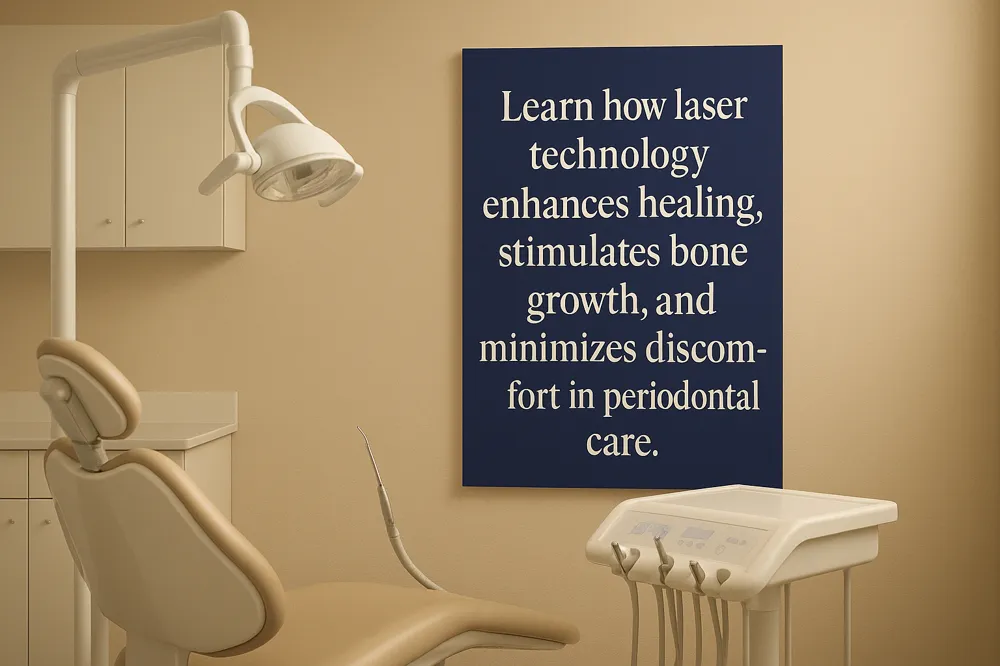
What is the role of lasers in periodontal therapy?
Laser technology plays a multifaceted role in modern periodontal treatments. It is used both in initial non-surgical periodontal therapy and in surgical procedures. During treatment, lasers precisely remove diseased gum tissue and harmful bacteria while preserving healthy tissue, minimizing trauma to the gums.
One significant benefit of laser therapy is its ability to promote bone regeneration and tissue healing. When lasers are used in deep periodontal pockets, especially those associated with bony defects, they stimulate osteoclast and osteoblast activity. This effect can lead to regrowth of bone, aiding the natural restoration of the periodontal structures.
Lasers also reduce bleeding, swelling, and patient discomfort during and after procedures due to their precise targeting and the simultaneous sealing of blood vessels and nerve endings. This results in minimal bleeding, less swelling, and reduced post-operative pain compared to traditional surgical methods.
Another advantage is the minimized need for sutures. Because laser therapy is minimally invasive and causes less tissue damage, many procedures do not require stitching. This factor contributes to faster recovery times, enabling patients to return to normal activities sooner with less discomfort.
In summary, laser applications in periodontal therapy enhance treatment effectiveness through precise tissue removal, promote faster healing and bone regeneration, and improve patient experience by reducing bleeding, pain, and recovery time.
Managing Severe Gum Disease: Combining Laser Therapy with Comprehensive Treatments
What are the best treatment options for severe gum disease?
Managing severe gum disease, known as advanced periodontitis, requires a multifaceted approach. The foundation of treatment typically starts with non-surgical methods such as scaling and root planing. These procedures use specialized instruments, sometimes enhanced with laser periodontal therapy, to remove tartar and harmful bacteria from deep periodontal pockets.
For cases where the disease has progressed, surgical interventions might be necessary. Flap surgery can reduce pocket depths by lifting the gums to allow thorough cleaning. Tissue grafts help cover areas where gums have receded, and bone grafting procedures aim to regenerate bone lost due to infection. Techniques like guided tissue regeneration and the application of proteins that stimulate tissue growth support both gum and bone healing.
How is laser therapy integrated with other periodontal treatments?
Laser therapy enhances traditional treatments by precisely targeting infected gum tissue while preserving healthy areas. It can be combined with scaling and root planing to improve bacterial removal and reduce inflammation. In surgical contexts, lasers reduce the need for incisions and sutures, resulting in less bleeding and faster healing. The minimally invasive nature of laser treatment supports tissue regeneration and can even improve outcomes following grafting and bone regeneration procedures.
Why are oral hygiene and lifestyle changes important?
Successful management of severe gum disease depends heavily on maintaining excellent oral hygiene after treatment. Regular brushing, flossing, and professional cleanings prevent the re-accumulation of plaque and bacteria. Lifestyle adjustments, especially quitting smoking, are vital as smoking impairs healing and worsens periodontal conditions. Consistent care and routine dental visits are key to sustaining improvements achieved through therapy.
What are the limitations and suitability of laser therapy in severe cases?
While laser periodontal therapy offers many benefits, it is not always sufficient as a standalone treatment for very advanced cases. Deep pockets or extensive bone loss may require more traditional surgical approaches. Laser therapy tends to be most effective for mild to moderate periodontitis or as an adjunct to other treatments. Patients with severe disease should consult with dental specialists to develop a tailored treatment plan that best addresses their condition.
In summary, managing severe gum disease effectively involves combining laser techniques with other advanced periodontal treatments and a strong commitment to ongoing oral care and lifestyle modification.
Patient Experience and Recovery in Laser Gum Treatments
How is laser therapy minimally invasive?
Laser gum treatments utilize focused light energy to precisely target and remove only the diseased gum tissue and bacteria, sparing healthy tissue. This precision means there is often no need for scalpels, cutting, or stitches, which greatly reduces trauma to the gums. Learn more about minimally invasive laser treatment and laser therapy in periodontal treatment.
Does laser therapy reduce anesthesia, sutures, and cutting?
Yes, laser therapy typically requires less anesthesia, and the procedure usually avoids the need for sutures and incisions. This results in a more comfortable experience with less bleeding and swelling compared to traditional gum surgery. Read about less-invasive gum disease treatment and the advantages of laser gum surgery.
What are common post-operative symptoms and recovery timelines?
Patients often experience minimal post-operative discomfort, with some mild swelling, soreness, or slight gum color changes. Recovery usually takes about one to two weeks, but many patients return to normal activities within a day or two due to the faster healing promoted by laser treatments. For details on recovery after laser periodontal therapy and faster healing with laser therapy, visit the linked resources.
What post-treatment care and maintenance are recommended?
Post-care includes eating soft foods initially, maintaining excellent oral hygiene with gentle brushing and flossing, using antimicrobial rinses if prescribed, and avoiding smoking or harsh oral irritants to support healing. Regular dental check-ups and possibly more frequent cleanings every 3-4 months are advised to prevent recurrence. Learn about postcare after laser periodontal therapy and oral hygiene after laser gum treatment.
What are cost considerations and accessibility of laser gum treatments?
Laser gum therapy costs typically range from around $500 to $3,000 per quadrant depending on disease severity and treatment complexity. While laser procedures may cost more than traditional methods, many patients find the benefits—such as reduced discomfort and faster recovery—justify the expense. Availability varies, and it's important to consult a board-certified periodontist experienced in laser treatments. See details on laser gum treatment cost and LANAP laser gum surgery in Columbia, MD.
Does laser treatment completely eliminate gum disease?
Laser treatment is very effective in managing gum disease symptoms by removing infected tissue, killing bacteria, and promoting tissue regeneration. However, it does not guarantee complete elimination, especially without ongoing care. Long-term success requires comprehensive oral hygiene and regular professional maintenance. Find out more about long-term periodontal health with laser therapy and benefits of laser therapy in gum disease.
| Aspect | Details | Patient Benefit |
|---|---|---|
| Minimally invasive procedure | No scalpels or sutures, precise targeting of diseased tissue | Less pain, reduced trauma (laser therapy for gum disease |
| Anesthesia needs | Often minimal or none | Increased comfort during procedure (local anesthesia in laser gum surgery |
| Recovery time | Typically 1-2 weeks, often faster | Quicker return to daily activities (faster recovery using laser treatment |
| Post-operative symptoms | Mild swelling, soreness, possible gum color changes | Usually mild and transient (postoperative symptoms of laser gum treatment |
| Treatment cost | $500–$3,000 per quadrant | Cost varies; benefits justify expense (laser gum treatment pricing) |
| Long-term management | Requires regular dental visits and good oral hygiene | Maintains treatment success (maintenance after laser periodontal treatment) |
Long-Term Outcomes and Gum Tissue Regeneration after Laser Therapy
Does gum tissue grow back after laser treatment?
Gum tissue typically does not grow back once it has been permanently reshaped or removed by laser therapy in periodontal treatment. The modifications made during laser periodontal therapy usually result in long-lasting, stable tissue contours. Unlike simpler cosmetic procedures, laser gum contouring generally does not require frequent maintenance or repeat treatments.
Gum tissue response and regrowth
While the laser precisely targets and removes diseased or excess gum tissue, it also stimulates natural healing processes. This includes encouraging healthy tissue to reattach around teeth and sometimes promoting limited tissue regeneration via laser therapy. In cases where gum recession or damage is significant, the body’s healing may not fully restore tissue volume, necessitating adjunctive procedures.
Role of oral hygiene in maintaining results
Maintaining excellent oral hygiene is essential after laser therapy. Good daily care — including brushing, flossing, and routine dental visits — supports gum health and helps prevent reinfection or disease recurrence. Consistent professional cleanings and monitoring encourage the long-term stability of treated areas, as highlighted in oral hygiene after laser gum treatment.
Potential need for additional treatments like grafting
For patients with severe gum loss or recession, laser treatment alone may not suffice. Dentists may recommend supplemental procedures such as gum grafting to encourage tissue regrowth and restore gum contours for functional and aesthetic purposes. Laser therapy can complement these interventions by providing a healthier tissue environment.
Benefits in overall oral and systemic health
Laser periodontal treatments not only improve local gum health but also contribute to overall wellness by reducing chronic inflammation and bacterial load. Addressing gum disease effectively may positively impact systemic conditions linked to oral health, such as cardiovascular disease and diabetes.
| Topic | Details | Implication |
|---|---|---|
| Gum tissue regrowth | Limited regrowth stimulated; large deficits need grafting | Laser aids healing but may need adjunct care |
| Longevity of treatment results | Stable tissue contours without frequent maintenance | Durable outcomes for most patients |
| Oral hygiene importance | Daily care and professional cleanings essential | Supports sustained gum health |
| Additional treatments | Grafting recommended for severe cases | Complements laser therapy for better results |
| Systemic health benefits | Reduces inflammation and bacterial infection | Enhances overall wellbeing |
The Future of Laser Therapy in Gum Disease Management
Continued advancements in laser technology and protocols
Laser therapy in periodontal treatment is continually evolving with better precision and standardized protocols under development. These advancements aim to optimize treatment efficacy and safety for patients.
Potential for improved regenerative outcomes
Emerging research suggests that future laser treatments could further enhance tissue and bone regeneration, improving long-term stability and function of gums affected by disease.
Integration with comprehensive oral healthcare
Laser therapy is increasingly integrated with regular dental cleanings, personalized home care, and lifestyle management to provide a holistic approach to periodontal health.
Enhanced patient comfort and treatment success
Innovations in laser technology continue to reduce discomfort and recovery time, promoting patient acceptance and improving the overall success rates of gum disease management.