Why Patient Feedback Matters
Impact of Patient Experience on Comfort
A dental visit is shaped by far more than just clinical skill. A patient's comfort begins the moment they schedule an appointment and is influenced by every interaction that follows—from the warmth of a receptionist's greeting to the clarity of a procedure explanation. Patient feedback provides a direct window into this entire experience, revealing what made a visit feel reassuring or, conversely, what caused stress. When patients feel heard and their concerns are addressed, anxiety decreases, trust builds, and the overall visit becomes a more positive and comfortable experience.
Link Between Feedback Loops and Practice Growth
Establishing a systematic way to collect and act on patient feedback creates a powerful cycle of improvement. Practices that actively listen and respond to patient insights consistently enhance service quality. This continuous refinement does more than boost satisfaction scores; it strengthens patient loyalty, encourages return visits, and generates valuable word-of-mouth referrals. In today’s healthcare environment, a practice that demonstrates it values patient input is one that patients trust and recommend, directly supporting sustainable growth.
Preview of Strategies Discussed
This section will explore practical strategies for turning patient feedback into a cornerstone of a more comfortable dental practice. We will examine best methods for gathering meaningful input, from post-visit surveys to digital tools, and discuss how to analyze this data to pinpoint specific improvements—whether in communication, office ambiance, or treatment clarity. The goal is to demonstrate how a focused approach to patient feedback can transform a routine dental visit into a consistently reassuring and patient-centered experience.
| Aspect | Benefit from Feedback | Example Improvement Strategy |
|---|---|---|
| Communication | Reduces anxiety, builds trust | Use simpler language, explain each step before starting |
| Environment | Creates a calming atmosphere | Improve waiting area comfort with soft music or refreshments |
| Scheduling & Billing | Increases convenience and transparency | Offer flexible booking options and clear cost explanations |
| Staff Interaction | Enhances feeling of being respected and cared for | Train team on warm greetings and active listening |
| Post-Treatment Care | Reinforces support and reduces worry | Send follow-up messages or make a check-in phone call |
The Power of Clear Communication
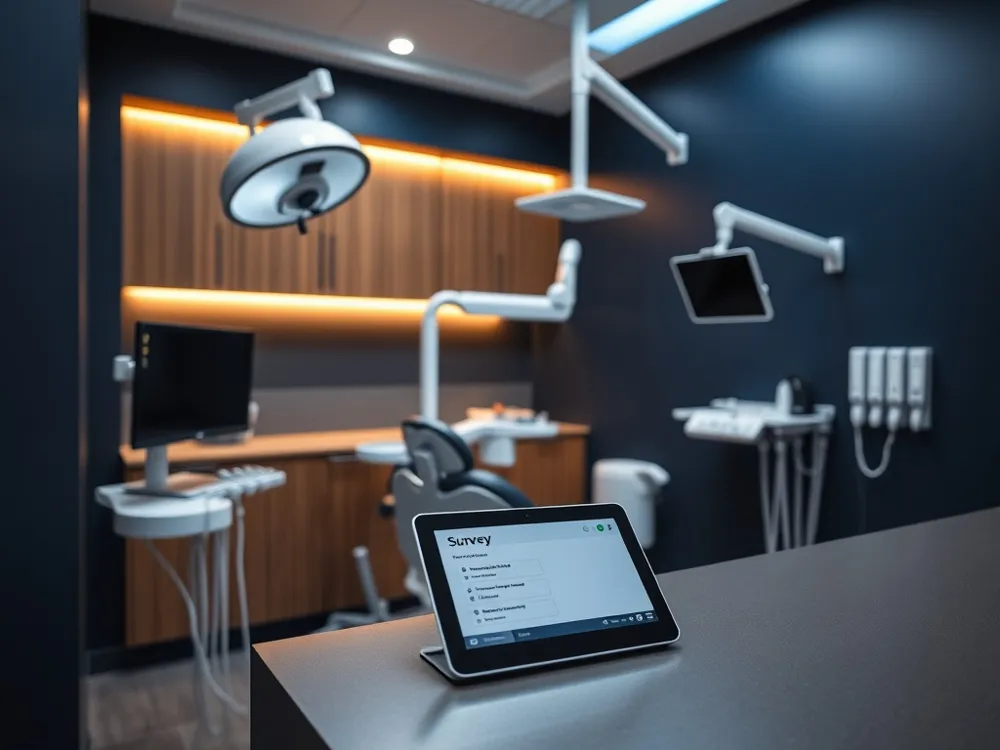 Patient satisfaction surveys are a critical tool for dental practices aiming to understand and enhance the patient experience. By regularly implementing patient satisfaction surveys by the American Dental Association, practices can gather actionable insights that drive improvements in care quality and patient loyalty.
One of the primary benefits of dental patient satisfaction surveys is the ability to identify specific areas for improvement, from communication to clinical care. Research consistently shows that patient satisfaction as a determinant of loyalty directly influences whether patients return for follow‑up appointments or recommend the practice to others.
Effective survey design is crucial. Following ADA guidance on dental patient feedback surveys, practices should focus on keeping dental patient surveys short and relevant and prioritizing key questions in dental feedback forms. For example, customizing surveys for different dental visit types ensures new patient check‑ups and complex procedures are evaluated appropriately.
Modern technology makes distribution seamless. Using practice management software for dental surveys or free online survey tools for dental practices allows automated, timely feedback collection. Practices must also ensure HIPAA-compliant survey vendors for dental offices to protect patient privacy.
The real value emerges when practices act on the data. Using survey feedback to improve practice processes and communication leads to tangible enhancements in patient comfort and trust. Assigning staff to compile and share survey results with the dental team ensures accountability and continuous improvement.
Beyond structured surveys, encouraging social media reviews from dental patients builds public credibility. Combined with systematic internal feedback, this creates a comprehensive patient feedback system that supports both clinical excellence and practice growth.
Key Strategies for Dentist‑Patient Communication
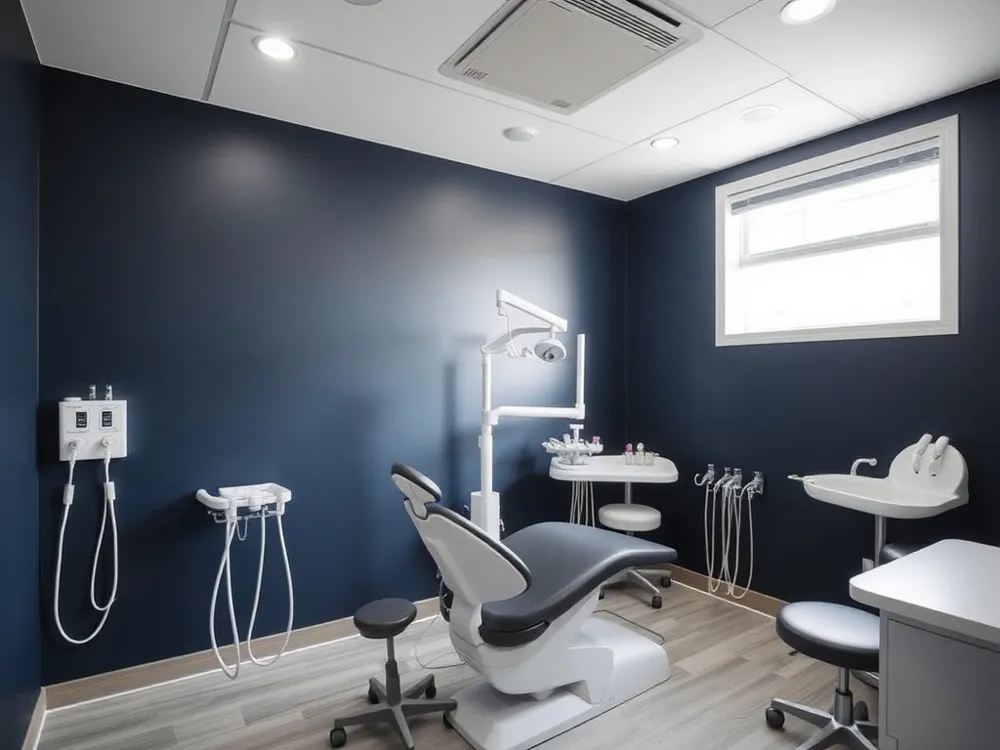
How can active listening and open-ended questions improve patient comfort?
Active listening is a cornerstone of patient-centered communication. By giving undivided attention, making eye contact, and using open-ended questions like "What concerns do you have today?", a dentist invites patients to share their fears and preferences freely. This approach makes patients feel heard and respected, which directly reduces dental anxiety. Simple affirmations and reflective listening—such as summarizing a patient's worry—further demonstrate genuine care. When a patient feels understood, trust builds, paving the way for more relaxed visits and better cooperation during treatment.
How do plain language and the "5 Cs" checklist enhance understanding?
Using clear, simple language is vital, especially for patients with limited health literacy. For instance, saying "germ" instead of "bacteria" makes explanations accessible. The "5 Cs" of communication—Clarity, Correctness, Conciseness, Completeness, and Cohesiveness—provide a practical framework. Applying this checklist ensures messages are easy to digest, reducing confusion and discomfort. Avoiding medical jargon, speaking at a measured pace, and checking for understanding (e.g., "Does that make sense?") are simple strategies that empower patients to make informed decisions about their care.
What role do visual aids and digital tools play in care?
Visual aids significantly enhance patient comprehension and lower stress. Printed handouts, radiographs, intra-oral scans, videos, and dental models help explain diagnoses and treatment plans visually. For pediatric or autistic patients, these tools are especially effective. Digital tools, such as intra-oral cameras and patient education software, allow patients to see exactly what the dentist sees, fostering collaboration. Teledentistry platforms and secure messaging apps also enable convenient follow-up, allowing patients to send questions or images between visits, which maintains comfort and engagement.
How can personalizing interactions and follow-up strengthen patient relationships?
Personalizing interactions begins with remembering patient details—like a new baby or a recent trip—and addressing them by name. This simple gesture turns a clinical visit into a caring relationship. Proactive follow-up after treatment, whether by phone, email, or secure message, offers reassurance and addresses lingering concerns. It shows the practice's commitment to the patient's well-being beyond the appointment. Personalized follow-up also helps patients adhere to post-treatment instructions and reinforces the perception of being valued, encouraging them to return for future care and refer others.
| Strategy | Key Actions | Patient Benefit |
|---|---|---|
| Active Listening & Open-ended Questions | Use open-ended inquiries, affirmations, and reflective listening. | Reduces anxiety, builds trust, and makes the patient feel heard. |
| Plain Language & "5 Cs" | Use simple words (e.g., "germ" for "bacteria"), check understanding. | Improves comprehension and reduces confusion. |
| Visual Aids & Digital Tools | Employ models, intra-oral cameras, videos, and teledentistry. | Lowers stress, enhances understanding, and enables convenient follow-up. |
| Personalizing Interactions & Follow-up | Remember patient details, address by name, and provide proactive post-treatment follow-up. | Strengthens rapport, improves adherence, and promotes return visits. |
Non‑Verbal Cues: The Silent Language
How does non‑verbal communication influence dental visits?
From the moment a patient walks in, non‑verbal cues begin shaping their comfort. A genuine smile, a forward‑leaning posture, and open body language from the dental team instantly signal warmth and professionalism, reducing anxiety before a word is spoken. Steady eye contact and uncrossed arms build trust, making patients feel more at ease in the treatment chair.
Dental teams also read patient signals. Fidgeting, a tight grip on the armrest, or avoiding eye contact can reveal hidden fear or confusion, allowing the dentist to pause and offer reassurance. By being mindful of their own proximity, tone of voice, and gestures, practitioners reinforce verbal messages and create a calming, patient‑centered environment.
Non‑verbal communication accounts for a large portion of patient perception. When body language aligns with words, trust deepens. When it contradicts, anxiety can rise. Simple awareness of this silent language—positive cues from staff and reading patient signals—transforms the visit into a more comfortable, reassuring experience.
Cultural sensitivity in non‑verbal interaction
Respecting cultural differences is essential. For example, eye contact may be seen as respectful in one culture but confrontational in another. Dental teams trained in cultural sensitivity adjust their non‑verbal approach accordingly, avoiding misunderstandings and ensuring every patient feels respected and at ease throughout their appointment. This attention to silent signals is a cornerstone of high‑quality, patient‑centered dental care.
Building a Guide to Communication Excellence
What should a guide to effective communication in dentistry include?
A comprehensive guide to effective communication begins with a person‑centered approach. This means understanding the patient’s illness, sharing decision‑making, and intervening at the patient’s pace. Validating patient feelings and encouraging active participation creates a collaborative environment that reduces anxiety and improves comfort.
The guide should outline the 5 Cs of communication: clarity, correctness, conciseness, completeness, and cohesiveness. These principles ensure that information is easily digestible, reducing confusion and discomfort. For example, using simple language like “germ” instead of “bacteria” makes dental information more accessible, especially for patients with limited oral‑health literacy.
Scenario‑based learning and role‑play are essential for training the dental team. Simulated dialogues for common conditions—such as toothache, gum disease, and extractions—help staff practice explaining procedures, risks, and options in a clear, empathetic manner. This builds confidence and ensures consistent, high‑quality interactions.
Cost transparency is a major source of patient anxiety. The guide should include scripts and checklists for transparently discussing fees, insurance coverage, and flexible payment plans. Clear, itemized invoices and multiple payment options help patients feel comfortable accepting care, reducing confusion and building trust.
Finally, the guide must provide practical tools for in‑office and follow‑up conversations. Checklists for explaining visit agendas, inviting questions, and discussing treatment pros/cons help ensure no step is missed. Follow‑up communication—phone calls, emails, or secure messaging—reinforces ongoing support and shows patients they are valued. Consistent, empathetic communication across the entire team leads to higher satisfaction, stronger loyalty, and more comfortable visits.}
Designing Patient‑Satisfaction Surveys
What survey questions can a dental practice use to measure satisfaction across all touchpoints?
A well‑crafted patient‑satisfaction survey covers the entire visit journey. Core question categories should assess:
- Scheduling:
Creating Effective Feedback Tools
How patient feedback drives dental practice growth Creating a patient‑centered environment for better care Understanding patient satisfaction in dentistry How surveys identify improvement areas in your clinic Benefits of patient‑experience surveys for dental offices Using feedback to boost communication and outcomes Electronic survey tools: email and text options Delivering surveys in the format patients prefer Privacy guidelines for sharing patient testimonials Leveraging positive reviews for dental marketing Turning feedback into higher satisfaction scores Improving dental visits through patient‑driven insights
Sample Templates and Question Libraries
What sample questions and templates are available for dental feedback and surveys?
Several online platforms provide ready-to-use dental feedback survey templates that save time and ensure comprehensive coverage. SmartSurvey, Sogolytics, and Survio each offer tailored templates with pre-populated questions.
A typical template includes items on demographics (age, gender), visit frequency, ease of booking, receptionist friendliness, clinic cleanliness, waiting area comfort, and overall satisfaction with care. The SmartSurvey template covers appointment booking and overall experience using Likert scales and open-ended comments. Sogolytics’ 18-question survey explores patient tenure and how they discovered the practice. Survio’s template adds questions about reasons for not visiting the dentist and preferred appointment reminders.
| Platform | Key Features | Sample Questions |
|---|---|---|
| SmartSurvey | Likert scales, open-ended comments | How satisfied were you with the booking process? How would you rate your overall experience? |
| Sogolytics | 18-question template, practice discovery | How long have you been a patient here? How did you hear about our practice? |
| Survio | Customizable, includes barrier questions | What keeps you from visiting the dentist more often? What reminder method do you prefer? |
These templates can be adapted to your practice’s branding and specific services, ensuring feedback is both relevant and actionable.
Adapting templates to practice branding
Customizing a template is straightforward. Replace the default logo and color scheme with your practice’s branding. Adjust questions to reflect your unique services—such as pediatric care, sedation options, or cosmetic treatments—ensuring the survey feels familiar and personal to your patients. Tailoring the language to your patient base increases response rates and yields more meaningful insights.
Managing Online Reviews and Continuing Education
How can a dental practice respond to positive online reviews effectively?
Responding to positive reviews is a vital part of managing your practice's online reputation. Aim to reply within 2-3 days, personalizing each response. Thank the patient by name and reference something specific from their visit, like the friendly staff or a gentle cleaning. This simple act makes them feel valued, encourages loyalty, and shows potential patients you care. Avoid generic, overly promotional language. Instead, keep your tone warm and professional, and end by inviting them back for future care. These sincere replies build trust and even improve your local search engine ranking, encouraging more patients to share their experiences.
What resources are available for dental professionals to improve their communication skills?
Effective communication is a learned skill, and numerous resources exist to help dental professionals improve. Dedicated textbooks like "Communication Skills for Dental Health Care Providers" offer in-depth guidance on active listening and empathy. Many dental schools and professional organizations also offer continuing education courses, workshops, and webinars. These programs often cover building rapport, managing patient anxiety, and conducting difficult conversations with compassion. By leveraging these resources, you can strengthen patient trust, improve treatment acceptance, and create a more comfortable, reassuring experience for every visit.
| Aspect of Review Management | Best Practices | Benefits for Practice & Patients |
|---|---|---|
| Response to Positive Reviews | Reply within 48-72 hours; use patient name; reference specific praise | Builds patient loyalty; demonstrates engagement to new patients; boosts SEO |
| Response to Negative Reviews | Acknowledge concern publicly; offer private resolution; stay professional | Shows accountability; can turn a negative into a positive; builds long-term trust |
| Review Solicitation | Ask in-person after a positive interaction; use text/email with direct link; never offer incentives | Captures fresh feedback; increases review volume; complies with ethical and legal guidelines |
| Communication Skill Resources | Textbooks, CE courses, workshops, role-playing, peer feedback | Improves patient trust and satisfaction; increases case acceptance; reduces patient anxiety |
Turning Feedback into Comfort
Close the Loop: From Data to Action
Collecting patient feedback is only the first step. The real transformation happens when you translate survey results into concrete changes. Start by holding a brief team meeting to review the data, focusing on both strengths and areas for improvement. For example, if scores for "billing communication" are low, brainstorm ways to simplify cost explanations and offer a checklist for front-desk staff. Assign one team member to track progress on each identified action item.
Create a Continuous Improvement Cycle
Treat patient feedback as an ongoing conversation, not a one-time event. After implementing a change—such as adding a follow-up call or improving waiting room comfort—monitor your next round of surveys to see if satisfaction scores rise. Communicate these improvements back to patients through newsletters or in-office signage. This shows that their input drives real enhancements, reinforcing trust and encouraging future participation.
Track the Right Metrics: NPS and Satisfaction Scores
Measuring success requires consistent, objective metrics. Two powerful tools are the Net Promoter Score (NPS), which measures loyalty, and overall satisfaction ratings for specific areas like communication or wait times. The table below outlines core metrics to monitor.
| Metric | What It Measures | How to Improve the Score |
|---|---|---|
| Net Promoter Score (NPS) | Patient loyalty and likelihood to refer | Enhance personalized communication and trust-building |
| Treatment Satisfaction | Comfort and clarity during procedures | Provide step-by-step explanations and use visual aids |
| Communication & Clarity | How well the team explains costs and care | Simplify language, use take-home materials |
| Wait-Time Experience | Respect for patient's schedule | Optimize scheduling, offer real-time updates |
By tracking these metrics quarterly and linking them to specific actions, you create a feedback loop that continuously elevates the patient experience, making each visit more comfortable and reassuring.