A Growing Need for Better Gum Care
Periodontal disease, the infection of gums and supporting bone, is far more than a dental issue. According to the World Health Organization, severe forms affect 10 to 15 percent of the global population, making it a major public health concern. Critically, this condition does not stay confined to the mouth. Research has established strong links between periodontal disease and systemic health problems, including cardiovascular disease and diabetes. This connection underscores why advanced, effective management is not just about saving teeth but also about supporting overall well-being.
The Limits of Traditional Treatment
For decades, the cornerstone of non-surgical periodontal therapy has been scaling and root planing (SRP), often described as a deep cleaning. This procedure is effective for removing plaque and tartar from above and below the gum line, particularly in cases of mild to moderate gum disease. However, traditional SRP has its limitations. Deep periodontal pockets—those measuring more than 6 millimeters—are notoriously difficult to clean thoroughly with standard mechanical instruments. Furthermore, patients with systemic health conditions, such as poorly controlled diabetes, may experience impaired healing after conventional therapy. These limitations create a real clinical need for a treatment that can reach deeper, cause less tissue trauma, and promote a more predictable recovery.
Why Patients Hesitate on Gum Treatment
Beyond the clinical challenges of deep pockets, patient fear and discomfort play a significant role in delaying care. Traditional periodontal surgery involves cutting and suturing the gums, a process that can be associated with significant noise, vibration, and postoperative swelling and pain. For many adults, the prospect of such an invasive procedure is daunting, leading them to postpone necessary treatment until the disease has advanced further. This hesitancy is a major barrier to effective gum disease management. The good news is that modern dentistry has developed a less intimidating option that directly addresses these concerns: laser periodontal therapy.
A Modern Solution for an Age-Old Problem
Laser therapy offers a precise, minimally invasive alternative to standard surgical approaches. Instead of scalpels and sutures, a focused beam of light energy is used to access and remove diseased gum tissue and bacteria from deep periodontal pockets. The laser’s energy can selectively target infected areas while preserving healthy surrounding tissue, a level of precision that is difficult to achieve with manual tools. This approach translates into several key advantages: less bleeding during the procedure, reduced swelling and pain afterward, and faster overall healing. Because the laser seals nerve endings and blood vessels as it works, patients frequently report a much more comfortable experience than with traditional methods.
Filling the Gaps in Care
It is important to view laser therapy not as a replacement for traditional scaling and root planing, but as a powerful partner. When used as an adjunct to SRP, lasers can enhance outcomes in several crucial ways:
- Reaching Deep Pockets: Lasers can access and disinfect periodontal pockets that are too deep for standard curettes alone.
- Reducing Bacterial Loads: The laser’s energy kills harmful bacteria, helping to lower the risk of reinfection.
- Promoting Regeneration: The therapy creates a stable blood clot that serves as a scaffold for the body to regenerate new gum and bone attachment.
- Improving Patient Comfort: The minimally invasive nature results in significantly less postoperative discomfort, encouraging patients to follow through with treatment.
Addressing the Need for Better Care
The prevalence of periodontal disease and its connection to serious systemic health conditions highlight why a modern approach is necessary. Laser therapy helps bridge the gap between the limitations of traditional treatment and the needs of a patient population that is increasingly seeking comfortable, effective, and less invasive care. By integrating this technology into routine gum disease management, dental practices can offer a solution that not only treats the infection more thoroughly but also respects the patient’s need for a positive and stress-free experience. This targeted, patient-centered approach is the future of gum care, ensuring that more people can get the treatment they need without unnecessary fear or delay.
| Aspect | Traditional SRP / Surgery | Laser-Assisted Therapy |
|---|---|---|
| Pocket Access | Struggles with pockets >6 mm | Effective decontamination of deep pockets |
| Tissue Targeting | Can remove healthy tissue during debridement | Selectively removes only diseased tissue |
| Discomfort | Higher risk of bleeding, swelling, pain | Reduced bleeding, swelling, and postoperative pain |
| Bacterial Control | Mechanical removal | Kills bacteria in addition to removal |
| Healing | Longer recovery, possible sutures | Faster healing, no sutures needed |
Laser Dentistry vs. the Classic Drill
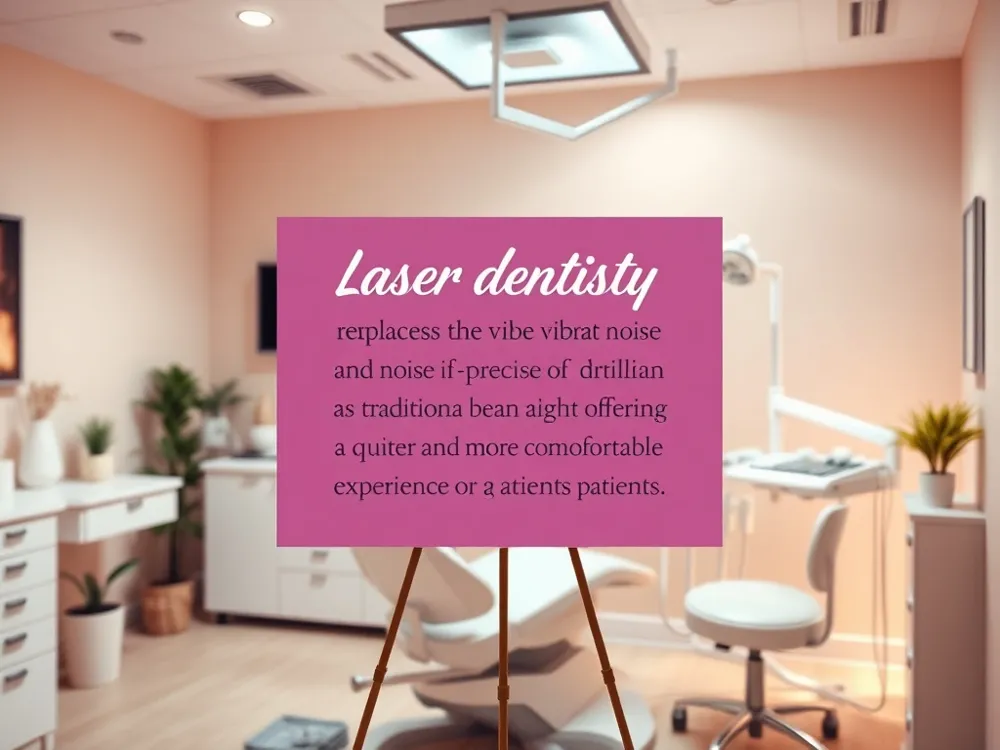
What is Laser Dentistry, and How Does It Differ from Traditional Dental Drills?
For decades, the high-pitched whir of a dental drill has been the soundtrack of dental anxiety for many. Laser dentistry offers a fundamentally different approach, replacing mechanical force with a precisely controlled beam of light. This technology can cut, coagulate, and sterilize tissue, offering a quieter, more comfortable, and often more precise alternative for a range of procedures, particularly in treating gum disease.
Traditional drills work by physically removing decayed or diseased tissue through high-speed abrasion. This process can generate significant vibration, heat, and noise, contributing to patient discomfort and anxiety. Laser energy, on the other hand, selectively vaporizes target tissues. The light is absorbed by specific components in the tissue, such as water or pigments, allowing for the removal of diseased material while leaving healthy surrounding structures largely untouched (J Clin Med 2025, Section 1). This precision is a key advantage, minimizing damage and promoting faster, more predictable healing.
A Quieter, More Comfortable Experience
One of the most immediate and noticeable differences for patients is the sound and sensation. The classic dental drill is known for its loud, intrusive noise and annoying vibration, which are common triggers for dental fear. Laser systems operate with a soft, rhythmic sound and produce no vibration. This quieter, less intimidating environment can significantly reduce patient anxiety, making it easier to undergo necessary treatment (J Clin Med 2025, Section 4.5.1). The removal of vibration also means less physical discomfort during the procedure itself.
Minimized Bleeding and Discomfort
The laser's ability to seal small blood vessels and nerve endings as it works is a game-changer for patient comfort. When a laser beam cuts tissue, it simultaneously cauterizes the area. This results in significantly less bleeding during and after the procedure, providing the clinician with a clearer surgical field and the patient with a less bloody experience. Furthermore, sealing nerve endings often reduces the need for extensive local anesthesia (Colgate, LANAP FAQs). In many cases, a minor topical anesthetic is sufficient, or in some for minor procedures, no anesthetic may be needed at all. This is a major advantage for patients who are needle-phobic or anxious about the numbness that follows a traditional injection.
Sterilization and Reduced Infection Risk
Beyond its cutting and sealing capabilities, the laser's light energy has a powerful sterilizing effect. As the beam interacts with oral tissues, it effectively kills bacteria and other pathogens at the treatment site. This inherent sterilizing property lowers the risk of post-operative infection, which is a common concern with any dental or surgical procedure. Because the laser itself helps to create a clean, sterile environment, the need for post-operative antibiotics can often be reduced or even eliminated, simplifying recovery and supporting the body's natural healing processes.
A Direct Comparison of Key Features
The following table summarizes the key differences between traditional periodontal surgery and laser-assisted treatment.
| Feature | Traditional Periodontal Surgery (Scalpel/Drill) | Laser Periodontal Therapy |
|---|---|---|
| Invasiveness | Invasive; requires incisions and sutures | Minimally invasive; no incisions or sutures |
| Noise & Vibration | Significant noise and vibration | Minimal sound and no vibration |
| Bleeding & Swelling | Moderate to significant bleeding and swelling | Minimal bleeding and swelling due to cauterization |
| Anesthesia | Often requires local anesthetic injection | Many cases require only local anesthesia; some are pain-free |
| Infection Risk | Moderate; sterilization is separate | Reduces infection risk through sterilizing effect |
| Healing Time | Longer; weeks for full recovery | Faster; many patients return to normal activities within a day |
| Post-op Pain | More significant discomfort | Significantly less post-operative discomfort |
| Precision | Less precise; can affect healthy tissue | Highly precise; targets only diseased tissue |
A More Gentle Path to Oral Health
For patients weighing their options, laser dentistry presents a clear shift toward a more gentle, precise, and technologically advanced method of care. It successfully addresses the most common barriers to seeking dental treatment: fear of pain, noise, and discomfort. By offering a quieter, more sterile, and less invasive experience, laser therapy makes it easier for patients to access the care they need. This modern approach aligns perfectly with a patient-centered philosophy, prioritizing comfort and minimizing recovery time without compromising on clinical effectiveness. Overall, laser dentistry is transforming the dental visit into a more positive and less stressful experience, opening the door for more consistent and proactive gum disease management. For a family-oriented practice, this technology can be a valuable tool in building trust and promoting better oral health habits for long-term success.
The Laser Toolbox: Diodes, Nd:YAG, Er:YAG and Beyond
 Not all lasers are created equal. Just as a skilled carpenter selects the right tool for a specific job, a periodontist chooses from a range of laser wavelengths, each with unique properties and ideal applications. Understanding these differences helps explain why laser therapy is such a versatile and effective addition to gum disease management.
Diode Lasers (810–1064 nm): The Soft Tissue Specialists
Diode lasers are a common entry point into laser dentistry, prized for their effectiveness on soft tissues. Their energy is readily absorbed by pigmented tissue and bacterial chromophores, making them ideal procedures like gingival contouring and sulcular debridement. Diode lasers are also excellent for providing hemostasis (controlling bleeding). They are a workhorse for treating the soft tissue components of periodontitis, effectively targeting the inflamed pocket lining.
Nd:YAG Lasers (1064 nm): The Deep Cleaner and Regenerator
The Nd:YAG laser stands out for its deeper tissue penetration and potent bactericidal properties. This wavelength is the core technology behind the FDA‑cleared Laser Assisted New Attachment Procedure (LANAP), a protocol designed to treat periodontitis by not just cleaning the pocket but also stimulating regeneration of lost bone and connective tissue. The Nd:YAG laser selectively targets diseased, pigmented tissue while sparing healthy structures, making it a powerful ally against deep periodontal pockets.
Erbium Family Lasers (Er:YAG & Er,Cr:YSGG): The Dual-Action Workhorses
The erbium family of lasers is distinguished by its strong affinity for water and hydroxyapatite, the mineral component of tooth structure. This makes them unique in their ability to work on both soft and hard tissues.
- Er:YAG Laser (2940 nm): This wavelength excels at hard-tissue procedures with minimal thermal damage. It is incredibly effective for precise calculus removal and decontaminating root surfaces, a key step in scaling and root planing. It essentially “paints” the root clean, making it difficult for bacteria to reattach.
- Er,Cr:YSGG Laser (2780 nm): Often called the “Waterlase,” this laser has a shallow tissue penetration, which means it’s gentle on surrounding tissues. Its energy is highly absorbed by the water in cells, allowing for efficient soft-tissue ablation (vaporization of diseased tissue) and excellent clot formation, which is crucial for post-procedural healing.
Safety: A Non-Negotiable Priority
When operated by trained professionals, laser therapy is an exceptionally safe treatment. This safety relies on strict adherence to protocols. Key safety measures include:
| Safety Measure | Description | Why It Matters |
|---|---|---|
| Trained Clinicians | Only licensed and certified dentists or periodontists can operate dental lasers. | Incorrect settings can cause thermal injury. Training ensures the procedure is performed correctly and safely. |
| Protective Eyewear | Both the patient and the clinical team must wear laser-specific eyewear. | The intense light can cause serious and permanent eye damage without proper protection. |
| Medical History Review | A thorough review of the patient’s health is essential. | Certain conditions (e.g., pacemakers, pregnancy, photosensitizing medications) may be contraindications or require caution. |
| Infection Control | Sterile or disposable laser tips and strict sterilization protocols are mandatory. | Prevents cross-contamination and ensures a safe treatment environment. |
| Calibrated Settings | Power, wavelength, and pulse duration are set precisely for the specific procedure and tissue type. | Incorrect settings risk burns, pain, or thermal injury to the tooth's pulp or surrounding bone. |
Choosing the Right Laser for the Right Job
The decision on which laser to use is a clinical one, made by your doctor based on your specific needs.
| Laser Type | Key Wavelength | Primary Application | Key Advantage |
|---|---|---|---|
| Diode | 810–1064 nm | Soft-tissue contouring, sulcular debridement, hemostasis | Excellent for soft tissue; provides a clean, bloodless field. |
| Nd:YAG | 1064 nm | Deep pocket debridement, LANAP protocol | Deepest penetration; highly bactericidal; promotes regeneration. |
| Er:YAG | 2940 nm | Calculus removal, root surface decontamination, hard/soft tissue | Minimizes thermal damage; safe for teeth and bone. |
| Er,Cr:YSGG | 2780 nm | Soft and hard tissue ablation, incision, excision | Versatile; fast cutting; promotes strong clot formation. |
Understanding these tools helps us tailor treatment to your unique condition, ensuring we use the most precise and least invasive method for the best possible result. Our team is trained to select the ideal laser for every situation.
LANAP—A No‑Cut, No‑Sew Solution
What is LANAP laser gum treatment, and how is it used for periodontal disease?
For patients facing moderate-to-severe periodontitis, traditional flap surgery—involving scalpels, sutures, and lengthy recovery—can be daunting. Laser‑Assisted New Attachment Procedure, or LANAP, offers a transformative alternative. LANAP is an FDA‑cleared protocol (specifically with the PerioLase MVP‑7 laser) that treats gum disease with no incisions and no stitches.
The LANAP procedure typically uses an Nd:YAG laser. The clinician places a thin laser fiber just 1 mm short of the pocket depth (the space between the gum and tooth root). The laser energy precisely vaporizes the diseased pocket epithelium—the infected tissue lining the pocket—while leaving the underlying healthy connective tissue intact. It simultaneously sterilizes the pocket, eliminating harmful bacteria. In a second pass, the laser creates a stable fibrin clot that seals the treated area.
This fibrin clot acts as a biological dressing. It protects the healing site and serves as a scaffold that guides the body’s natural regenerative processes. By keeping the pocket sealed, the clot prevents bacterial recolonization and promotes the re‑attachment of the gum to the tooth root. Critically, LANAP has been shown to stimulate the regeneration of new bone and connective tissue—a key advantage over conventional surgery, which mainly removes tissue to reduce pocket depth.
Because LANAP requires no cutting or suturing, patients experience dramatically less intra‑operative bleeding, minimal postoperative swelling, and significantly less discomfort. The procedure is performed under local anesthesia, avoiding the need for general anesthesia. Most patients are able to resume normal activities within 24 hours. The combination of precision, regeneration, and rapid recovery makes LANAP a powerful, patient‑friendly option for managing advanced gum disease.
How is laser therapy applied in dental surgery, including for oral lesions?
Beyond LANAP for gum disease, lasers are versatile tools used in a variety of surgical and therapeutic applications. Lasers can be used in two main modes: high-power lasers for precise cutting or ablation of tissue, and low-level laser therapy (LLLT), also known as photobiomodulation, for stimulating healing.
High-power lasers are ideal for surgical procedures on both soft and hard tissues. For treating oral lesions such as fibromas, cysts, or canker sores (aphthous ulcers), the laser allows for minimally invasive excision. It cauterizes blood vessels as it cuts, resulting in little to no bleeding and often eliminating the need for stitches. This leads to less postoperative pain and faster healing compared to traditional scalpel surgery.
Low-level laser therapy (LLLT) is a non‑thermal phototherapy that does not generate heat. It is used post-operatively to reduce pain, swelling, and inflammation by increasing blood flow and promoting lymphatic drainage. LLLT is also applied directly to oral ulcers to reduce pain and accelerate tissue repair. Many patients find this approach more comfortable and it can decrease the need for pain medications. The versatility of laser technology allows a dental practice to integrate it into both routine surgical care and targeted treatments, improving overall patient comfort and outcomes.
| Procedure | Laser Type Used | Primary Benefit | Patient Experience |
|---|---|---|---|
| LANAP for Periodontitis | Nd:YAG (e.g., PerioLase MVP‑7) | Regeneration of bone and gum attachment | No cuts or sutures; minimal pain; quick recovery |
| Oral Lesion Excision | Diode, CO₂, or Er:YAG | Precise removal with minimal bleeding | Often no stitches; faster healing |
| Low-Level Laser Therapy (LLLT) | Diode (low-power) | Reduces pain and inflammation; accelerates tissue repair | Non‑thermal; soothing; can reduce medication need |
| Laser-Assisted Peri-Implantitis (LAPIP) | Nd:YAG or Diode | Treats infection around dental implants without surgery | Minimally invasive; preserves implant health |
| Gingival Contouring | Diode or Er:YAG | Reshapes gum tissue for cosmetic or functional improvement | Less swelling and discomfort than traditional cutting |
| Sulcular Debridement | Diode | Cleans deep periodontal pockets; reduces bacteria | Often less sensitive than manual scaling |
Expanding the Protocol: LAPIP
The success of LANAP has led to the development of related protocols, such as Laser‑Assisted Peri-Implantitis Procedure, or LAPIP. LAPIP extends the same principle of selective laser debridement to treat infections around dental implants. It is a non-invasive method that can help save an implant affected by peri-implantitis (inflammation and bone loss) without the need for surgical flap procedures. By removing diseased tissue and decontaminating the implant surface, LAPIP offers a valuable, conservative option for patients with implant complications, further demonstrating the wide-ranging utility of laser technology in comprehensive periodontal maintenance.
Evidence: Does Laser Periodontics Really Work?
For many patients, the most important question is straightforward: does laser periodontal treatment actually work? The short answer is yes. However, it's crucial to understand what that
Laser vs. Traditional Deep Cleaning: What Patients Gain
Why Laser Therapy Reaches Where Traditional Tools Fall Short
For patients with moderate to advanced periodontitis, one of the greatest challenges is achieving a thorough clean in deep, narrow gum pockets. Traditional scaling and root planing (SRP) relies on manual instruments and ultrasonic scalers, which can struggle to debride pockets deeper than 6 mm. This leaves behind residual bacteria, biofilm, and inflamed tissue—a direct cause of ongoing infection.
Laser therapy changes this dynamic. The focused light energy of lasers, such as the Nd:YAG and Er:YAG types, can be delivered precisely to the base of deep pockets. This allows clinicians to access and treat areas that conventional tools often miss, effectively reducing the bacterial load. By eliminating pathogenic bacteria that are otherwise difficult to reach, laser disinfection significantly lowers the risk of reinfection and helps halt disease progression.
A More Comfortable Experience with Less Bleeding and Swelling
One of the most immediate benefits patients notice with laser-assisted therapy is a dramatic reduction in intra-operative bleeding and post-operative swelling. The laser's energy simultaneously cuts and cauterizes, which means small blood vessels are sealed as diseased tissue is removed. This hemostatic effect not only gives the clinician a cleaner, clearer surgical field but also translates to a more comfortable recovery for you.
Because there is minimal bleeding, there is also less swelling and inflammation afterward. Many patients report far less postoperative discomfort compared to standard SRP or flap surgery. This often reduces the need for prescription pain medication and allows for a quicker return to normal activities.
Precision That Preserves Your Healthy Gums
A key concern with traditional gum surgery is the removal of both diseased and healthy tissue, which can lead to gum recession and an unnatural appearance. Laser therapy offers a level of precision that conventional tools cannot match. The laser is highly selective, targeting only the inflamed, infected tissue and leaving the surrounding healthy gum architecture intact.
This precision is especially important for maintaining aesthetics, particularly in the front of the mouth where the gum line is visible. By preserving healthy gingival tissue, laser therapy reduces the risk of long-term gum recession, helping your smile look natural and healthy after treatment.
Faster Recovery: Days Instead of Weeks
The minimally invasive nature of laser therapy directly translates to a shorter healing timeline. While traditional flap surgery often requires several weeks of limited activity, special diet restrictions, and careful wound management, laser-treated gums typically heal within one to two weeks. Many patients can resume their normal daily routines, including work and light activities, within 24 to 48 hours.
This faster recovery is due to several factors: the laser's sealing of blood vessels reduces swelling, the precise tissue removal minimizes trauma, and the stimulation of cellular repair processes accelerates regeneration. For patients with busy schedules, this quicker return to normalcy is a significant advantage.
Evidence of Superior Clinical Outcomes, Especially in Deep Pockets
Clinical research strongly supports the use of lasers as an adjunct to traditional SRP. Multiple studies, including randomized controlled trials, show that combining laser therapy with SRP yields greater reductions in probing pocket depth (PPD) and greater gains in clinical attachment level (CAL) than SRP alone.
This effect is most pronounced in deep pockets of 7 mm or more. A single-blind randomized trial of 68 patients found that both the LANAP protocol and low-level laser therapy (LLLT) produced significantly greater pocket depth reduction in these deep sites compared to SRP alone. The laser-treated groups continued to improve at the three-month follow-up, while the SRP-only group plateaued. Radiographic analysis in the same study showed that the LANAP group achieved a higher percentage of bone fill, suggesting that laser therapy can promote periodontal regeneration beyond soft-tissue healing.
A Summary of the Key Differences: Laser vs. Traditional Deep Cleaning
The following table highlights the practical differences between standard deep cleaning and laser-assisted therapy, helping you understand what each approach offers.
| Aspect | Traditional Scaling & Root Planing (SRP) | Laser‑Assisted Periodontal Therapy |
|---|---|---|
| Pocket Access | Limited in pockets >6 mm; residual bacteria often remain | Effectively reaches deep pockets, significantly reducing bacterial load |
| Bleeding & Swelling | Moderate bleeding and swelling are common | Minimal bleeding due to cauterization; less post-op swelling |
| Tissue Preservation | May remove some healthy tissue; risk of gum recession | Highly selective; spares healthy tissue, preserving gum contour |
| Recovery Time | 2–4 weeks or longer; dietary restrictions required | 1–2 weeks; faster return to normal activities |
| Clinical Evidence | Standard for mild-moderate cases; limited in deep pockets | Superior PPD reduction and CAL gain, especially in deep pockets (≥7 mm); can promote bone regeneration |
Bottom Line
Laser therapy is not a replacement for the essential work of scaling and root planing. Instead, it acts as a powerful adjunct that elevates the standard of care. For patients with moderate to advanced periodontitis, especially those with deep pockets or a history of poor wound healing, laser-assisted therapy offers measurable advantages: more effective disinfection, less discomfort, greater tissue preservation, faster recovery, and demonstrably better clinical outcomes.
Weighing the Upsides and the Drawbacks
What are the pros and cons of laser treatment for gum disease?
When weighing laser therapy as a treatment option for gum disease, it’s helpful to look at both the benefits and the limitations. The procedure has gained popularity as a less invasive alternative to traditional periodontal surgery, offering a range of advantages that improve the patient experience.
One of the most significant pros is the reduction in pain and discomfort. Because the laser simultaneously cuts and seals tissue, patients often report less bleeding and swelling during and after the procedure. In many cases, only local anesthesia is needed, and the recovery time is noticeably shorter—often allowing a return to normal activities within 24 hours.
The precision of the laser is another key benefit. The device can target only the diseased tissue, leaving healthy gum and bone intact. This selective removal preserves the natural architecture of the gums and generally leads to less gum recession than conventional surgery. The laser also cauterizes blood vessels as it works, which minimizes bleeding, eliminates the need for sutures, and reduces the risk of postoperative infection.
From a clinical standpoint, laser therapy has been shown to improve periodontal parameters such as probing pocket depth and clinical attachment level, especially when used as an adjunct to scaling and root planing. The technique can also reduce bacterial loads effectively within periodontal pockets and may stimulate tissue regeneration, contributing to healthier outcomes.
However, there are clear disadvantages to consider. The initial cost of laser equipment is higher than that of traditional instruments, and specialized training is required for the dental team. This can make the procedure more expensive for the patient compared to conventional treatments, and not all insurance plans cover the full cost. Additionally, in many cases, multiple sessions are needed to achieve optimal results, especially for widespread periodontitis.
Another limitation is that laser therapy is not a standalone cure. It is most effective when used in conjunction with traditional scaling and root planing. The long-term evidence base, while growing, is still more limited compared to established surgical methods, and the American Academy of Periodontology notes that it is not yet proven to be superior to traditional therapy in all situations.
What are the disadvantages and possible side effects of laser therapy in periodontics?
While laser periodontal therapy is considered safe when performed by a trained professional, it does carry certain risks and possible side effects that patients should be aware of before starting treatment.
The most common side effects are mild and temporary. Patients may experience some gum discoloration or a change in the color of the treated tissue, which typically resolves on its own. Soreness and mild swelling in the treated area are also expected after the procedure, similar to what one might experience after a deep cleaning. An unpleasant taste from prescribed mouth rinses is another possible but manageable side effect.
More serious, though rare, risks include infection at the treatment site and potential scarring or discoloration of the gum tissue. If the laser settings are not calibrated correctly for the type of tissue being treated, there is a risk of thermal injury—burns to the gum, tooth, or even underlying bone. This is why the procedure should only be performed by a qualified dentist or periodontist who has undergone specific laser training.
Other potential complications include excessive bleeding, postoperative pain, and the possibility of damage to surrounding tissues if the laser is used improperly. To minimize these risks, your dental professional will always review your medical history, use calibrated laser settings, and require both you and the dental team to wear protective eyewear during the procedure.
Balancing pros and cons for routine care
The decision to use laser therapy for gum disease should be made on a case-by-case basis, considering the severity of the condition, the patient's overall health, and their comfort with the procedure. For many, the benefits of less pain, faster healing, and preservation of healthy tissue make it an appealing choice. However, it is not recommended for all stages of disease; early gingivitis, for instance, is typically managed successfully with improved home care and professional cleanings alone.
The way these considerations stack up can be seen in the table below:
| Factor | Advantages (Pros) | Disadvantages & Side Effects (Cons) |
|---|---|---|
| Pain & Comfort | Significantly less pain; only local anesthesia usually needed. | Mild soreness and swelling are common after the procedure. |
| Bleeding & Swelling | Laser seals blood vessels, resulting in minimal bleeding and reduced swelling. | Occasional light bleeding or swelling can occur. |
| Recovery Time | Faster healing; many resume normal activities within 24 hours. | Multiple sessions are often needed for full treatment. |
| Tissue Preservation | Precisely targets diseased tissue while sparing healthy gum and bone. | Risk of pigment changes or scarring of gum tissue. |
| Invasiveness | No scalpel or sutures; less invasive than traditional surgery. | Risk of thermal burns or tissue damage if settings are incorrect. |
| Infection Control | Laser sterilizes the site, reducing risk of post-op infection. | A small risk of infection still exists. |
| Cost & Access | Reduced need for systemic antibiotics; improved patient satisfaction. | Higher initial cost for equipment; not always fully covered by insurance. |
| Evidence Base | Effective as an adjunct to standard therapy, with promising results. | Long-term data is still limited compared to traditional methods. |
For patients who meet the appropriate criteria, the upsides often outweigh the downsides. The key to a positive outcome is selecting a qualified practitioner who follows established safety protocols, uses the correct laser wavelength and settings for the specific condition, and provides clear post-operative care instructions. This careful balance of technology and clinical expertise helps ensure that laser therapy becomes a valuable part of a comprehensive, patient-centered approach to managing gum disease.
Healing Time, Costs, and Making Laser Part of Everyday Care
What is the typical healing time for laser gum treatment?
One of the most common questions about laser periodontal therapy is what to expect during recovery. The healing process is generally faster and more comfortable than with traditional scalpel surgery. Most patients are able to resume a relatively normal diet and oral hygiene routine within 10 to 14 days. During the first few days, a liquid or very soft diet is recommended, and this is typically followed by another week of soft, non-irritating foods to protect the treated areas.
While the initial recovery is quick, some post-operative symptoms are normal. Patients may notice mild soreness, light bleeding, slight swelling, or changes in gum color for a few days. You may also experience some temporary tooth sensitivity. These effects usually resolve within a week or two. The laser's ability to cauterize as it works—sealing blood vessels and nerve endings—plays a large role in minimizing discomfort and swelling compared to traditional surgery.
The initial healing phase, where the gums begin to tighten back around the tooth, takes approximately one to two weeks. However, it is important to understand that the complete maturation of gum and bone tissue can take up to a year, depending on the severity of the disease and your overall health. Regular follow-up appointments with your dentist are essential during this time to monitor your progress and ensure your mouth is healing correctly.
What is the cost of laser‑assisted periodontal therapy, and does insurance cover it?
The cost of laser‑assisted periodontal therapy can vary based on the extent of the infection and the number of areas being treated. As a general guideline, treatment can range from $500 to $3,000 per quadrant of the mouth. For a full-mouth treatment, patients can expect to pay between $1,000 and $4,000. These costs often include the laser procedure itself as well as the accompanying scaling and root planing.
Navigating insurance coverage for laser therapy requires careful attention. Dental insurance plans vary widely in what they cover. Some insurance providers may reimburse a portion of the procedure if it is coded under standard scaling and root planing codes (such as D4341 or D4342), as this is considered the foundational treatment for periodontal disease. However, many insurance companies consider laser therapy to be an experimental or elective procedure and may not provide coverage. It is not uncommon for policies to specifically exclude codes for laser-assisted procedures. The best course of action is to verify your benefits directly with your dental insurance carrier before your appointment. Your dental office can also provide a detailed treatment plan and cost estimate to help you understand any out-of-pocket expenses. It's always a helpful idea to discuss payment options, such as financing plans, with your provider’s front office.
Integrating Laser Therapy into Routine Care at Southern Boulevard Dental
Making laser therapy a regular part of everyday periodontal maintenance is a forward-thinking approach to patient care. The goal is to use it as a precise, therapeutic tool alongside traditional treatments to provide the best possible outcomes. A practical integration workflow for a modern practice might look like this:
- Screening and Diagnosis: During every routine periodontal exam, pocket depths are charted. Using a periodontal probe, we identify areas with pockets that are 5 mm or greater, which are at high risk for continuing infection and bone loss.
- Initial Treatment: The standard, evidence-based first step for active periodontal disease is scaling and root planing (SRP). This deep cleaning removes the plaque, tartar, and bacterial biofilm from below the gumline. In some cases, this may be enhanced with ozone therapy for additional disinfection.
- Laser Adjunct: Following the SRP, the laser is used as an adjunct for all sites with persistent pockets ≥5 mm. The laser's energy is guided into the pocket to remove the remaining diseased pocket epithelium, sterilize the area, and kill the deeper, stubborn bacteria that mechanical instruments can't always reach. A second pass of the laser can then be used to create a stable blood clot that seals the site, promoting natural healing and reattachment.
- Post-Treatment Follow-Up: A follow-up evaluation is crucial. This is typically scheduled for 3 months post-treatment to assess improvements in clinical attachment level (CAL), and reductions in probing pocket depth (PPD) and bleeding on probing (BOP).
- Routine Maintenance: Once the periodontal health is stabilized, the patient is placed on a personalized periodontal maintenance schedule, usually every 3 to 6 months. During these visits, laser therapy can be used as needed to maintain clean, healthy pockets and prevent the disease from returning.
- Documentation and Quality Control: All clinical measurements, laser settings used, and patient-reported outcomes are documented. This allows the practice to track the success of the protocol, identify areas for improvement, and provide clear evidence of the treatment's effectiveness.
The Future of Laser Periodontal Therapy
The field of laser dentistry is continuously evolving, and the future promises even better integration into routine care. The 2025 mini-review in the Journal of Clinical Medicine points to exciting directions. We are moving toward a future where lasers will be more intuitive and accessible.
AI-Driven Precision: Future laser systems will be integrated with digital imaging and powered by artificial intelligence (AI). This will allow the device to analyze the tissue it is treating in real-time and automatically adjust its parameters, such as power and pulse duration, for optimal precision and safety. This could make procedures even faster and reduce the potential for human error.
Portable and Affordable Units: The high cost of entry has been a barrier for many practices. We are seeing a trend toward the development of smaller, more portable laser units, and cost-effective laser units. This will make this advanced technology accessible to a greater number of dental offices, ultimately benefiting more patients.
Standardized Protocols: The medical community is actively working to establish standardized, evidence-based protocols for different types and stages of periodontal disease. This will help eliminate guesswork, improve consistency of care, and provide more predictable results, ensuring clinicians get the best possible outcomes from their laser equipment. These promising trends indicate that laser therapy will become an even more routine and indispensable part of gum disease management in the years to come.
| Topic | Key Details | Patient Benefit |
|---|---|---|
| Healing Time | Initial recovery in 1-2 weeks; full tissue maturation up to 12 months. | Quicker return to a normal diet and oral hygiene routine. |
| Typical Cost | $500 - $3,000 per quadrant; $1,000 - $4,000 for full mouth. | Understand potential investment before proceeding. |
| Insurance | Varies widely; often covers SRP but may not cover laser codes. | Verify with provider to avoid unexpected bills. |
| Routine Workflow | Screening ➜ SRP ➜ Laser for deep pockets ➜ 3-month re-eval. | A clear, step-by-step process for predictable results. |
| Future Directions | AI adjustments, portable lasers, universal protocols. | Expects even more precise, accessible, and effective care. |
Putting It All Together for Rio Rancho Patients
Laser Therapy at Southern Boulevard Dental: A Natural Fit for Our Community
The decision to integrate laser therapy into gum disease management at Southern Boulevard Dental is a direct response to both clinical necessity and patient preference. New Mexico health data shows that adult periodontal disease prevalence is approximately 45%, meaning nearly half of local adults could benefit from advanced treatment. The dry, high-altitude climate of Rio Rancho can also contribute to dry mouth conditions, a known factor that can accelerate plaque accumulation and gum inflammation. By offering laser therapy, a practice can address these specific regional health challenges with effective, modern care.
Below is a snapshot of how laser treatment compares to traditional therapy for common patient concerns:
| Aspect | Traditional Periodontal Therapy | Laser-Assisted Therapy | Patient Benefit |
|---|---|---|---|
| Pain & Comfort | Moderate to significant post-op discomfort; often requires pain medication | Minimized discomfort; laser seals nerve endings during treatment | More comfortable experience; often less need for pain relievers |
| Bleeding | Expected during and after scalpel surgery | Significantly reduced; laser cauterizes as it cuts | Less anxiety around surgical bleeding |
| Healing Time | Can take several weeks for full recovery (gum flap surgery) | Typically heals within one to two weeks | Faster return to normal diet and activities |
| Tissue Preservation | May remove some healthy tissue to access diseased areas | Selectively targets only diseased tissue | Conserves natural gum architecture and aesthetics |
| Infection Control | Relies on mechanical cleaning and antibiotics | Laser sterilizes the pocket, reducing bacteria | Lower risk of post-procedure infection |
Advancing Care with Precision and Comfort
Laser-assisted periodontal therapy offers clear advantages that align with a patient-centered, family-focused practice. The method is minimally invasive, allowing for precise removal of infected tissue while preserving healthy gums. This precision often eliminates the need for sutures, which reduces surgical trauma and lowers the risk of complications. Patients typically report less bleeding, swelling, and postoperative discomfort compared to traditional scalpel surgery.
The procedure is performed under local anesthesia, so there is no pain during treatment. Recovery is generally faster, with many patients able to resume normal activities within a day or two. The laser’s ability to coagulate blood vessels as it works creates a cleaner surgical field and promotes rapid clotting. This combination of precision, comfort, and accelerated healing directly addresses common patient anxieties about gum surgery, making it more likely they will accept and complete necessary treatment.
Expanding Access and Long-Term Value
While the initial investment in laser technology and staff training is a consideration, the long-term cost-effectiveness is compelling. Fewer repeat treatments, reduced need for surgical interventions, and lower post-operative complication rates contribute to overall value. Many patients also save on lost work time and avoid additional medication costs. As laser devices become more portable and affordable, this treatment option will only become more accessible for routine care.
The Future is Bright for Laser Periodontal Care
The field of laser dentistry is advancing rapidly. Key developments on the horizon include:
- AI-Driven Systems: Artificial intelligence will allow for real-time analysis of tissue characteristics, automatically adjusting laser parameters for optimal, personalized treatment.
- Enhanced Digital Integration: Laser units will be seamlessly linked with intraoral scanners and digital X-rays, allowing for unprecedented precision in treatment planning and placement.
- More Portable Devices: Smaller, more affordable laser units are being developed, making the technology accessible for a wider range of practices and even mobile clinics.
- Personalized Treatment: Future protocols may be tailored using a patient’s genetic profile to predict and enhance tissue healing responses.
- Combination Therapies: Research is exploring the powerful synergy of lasers with antimicrobial photodynamic therapy (aPDT) to achieve even greater bacterial elimination.
Building Trust Through Transparency
Educating patients is key to successful integration. Clear communication about what laser therapy is and is not helps manage expectations and build confidence. It is important to explain that laser therapy is a powerful adjunct to traditional scaling and root planing, not a replacement for good home care. By offering this advanced option, the practice demonstrates a commitment to staying at the forefront of modern, evidence-based dentistry. This commitment builds trust and positions the practice as a leader in providing advanced, patient-friendly periodontal care in the Rio Rancho community. As technology evolves and new research confirms long-term benefits, laser therapy will continue to be a cornerstone of effective, comfortable gum disease management.