Why Preventive Dental Habits Matter
Good oral hygiene isn’t just about a bright smile—it’s a cornerstone of overall health. Research links plaque‑driven gum disease to heart disease, stroke, diabetes complications and adverse pregnancy outcomes. For busy professionals, time‑efficient habits—brushing twice a day for two minutes with a soft‑bristled (or electric) toothbrush, a quick daily floss or floss‑pick session, and a brief alcohol‑free mouthwash rinse—fit easily into a hectic schedule while keeping bacterial load low. Consistent care reduces the need for costly restorative work, lowers systemic inflammation, and supports fresh breath, healthy gums, and long‑term well‑being.
Daily Home Care Routine
 Morning and night, start with a quick rinse to loosen debris. Then floss or use a water‑flosser, cleaning between teeth and below the gum line. Brush for two minutes with a soft‑bristled brush and fluoride toothpaste, holding the bristles at a 45‑degree angle and using gentle circular motions on all surfaces, including the tongue. Finish with an alcohol‑free antibacterial mouthwash, swishing 30‑60 seconds.
How to take care of your teeth without going to the dentist: brush twice daily, floss daily, use fluoride mouthwash, limit sugary foods, chew sugar‑free gum, stay hydrated, avoid tobacco and excess alcohol, and consider at‑home fluoride rinse.
Correct steps to brush teeth: 1) Wet brush, apply pea‑sized toothpaste, angle 45°, 2) short back‑and‑forth strokes on outer and inner surfaces, 3) vertical strokes on inside of front teeth, 4) brush chewing surfaces and tongue, 5) rinse and replace brush every 3‑4 months.
Five ways to care for your teeth: brush twice, floss daily, see dentist every six months, eat calcium‑rich foods and stay hydrated, avoid smoking and use fluoride rinse.
Professional Care & Preventive Services
 Dental health and wellness are essential foundations for overall well‑being, as a healthy mouth supports proper nutrition, confidence, and systemic health. Regular check‑ups, professional cleanings, and early detection of cavities or gum disease keep your smile strong for life. At Southern Boulevard Dental we use advanced technology—digital X‑rays, intra‑oral scanners, and laser treatments—to provide precise, minimally invasive care and reduce discomfort. Our preventive services include thorough cleanings every six months, fluoride treatments to strengthen enamel, and sealants that protect pits and fissures from decay. For adults, a consistent routine of twice‑daily brushing with a soft‑bristled, fluoride toothpaste, daily flossing, limiting sugary foods, staying hydrated, and avoiding tobacco is key. Incorporate a fluoride mouth rinse if you’re at higher risk, and consider a mouthguard for sports. By combining patient‑centered education, personalized treatment plans, and convenient scheduling, we empower you to maintain optimal oral health and enjoy lasting dental wellness.
Special Situations & Nursing Care
 Oral health is defined as a state of complete physical, mental, and social well‑being of the mouth, teeth, gums, and supporting structures, enabling pain‑free eating, speaking, breathing, and smiling. Good oral health supports systemic health, reducing risks for diabetes, cardiovascular disease, and certain cancers. A typical “Oral Care Nursing Procedure” PDF outlines a step‑by‑step process for nurses: assess the patient, perform hand hygiene, don PPE, position the patient at a 45° angle, apply a pea‑sized amount of fluoride toothpaste, and brush each tooth and gum line with gentle circular motions while suctioning excess saliva. The guide also covers denture removal, cleaning, storage, moisturizers for dry mouth, and documentation of any lesions. Steps of oral care in nursing include gathering supplies, verifying patient identity, explaining the procedure, brushing each quadrant, cleaning the tongue, rinsing, and completing post‑care documentation. Oral hygiene can be mechanical (brushing, flossing), chemical (antimicrobial mouthwash, fluoride), professional (cleanings by a hygienist), or adjunctive (water flossers, tongue scrapers). PDFs summarizing these practices are available from reputable health agencies and can be customized for patients in high‑dependency settings.
Common Misconceptions & Rules
 What is the 3‑3‑3 rule for teeth? The 3‑3‑3 rule suggests brushing three times a day, three minutes each time, and waiting three hours after eating before bed. Dental associations, however, recommend brushing twice daily for two minutes; extra brushing can erode enamel, especially after acidic foods.
What is the 50‑40‑30 rule in dentistry? Often cited for smile aesthetics, the 50‑40‑30 rule proposes that the visual width ratios of central incisors, laterals, and canines should be roughly 50 %, 40 %, and 30 % of the total smile width. It is a guideline for cosmetic planning, not a hygiene mandate.
Myths about brushing frequency Brushing more than twice a day does not improve plaque control and may cause abrasion; proper technique and duration matter more.
Mouthwash usage An alcohol‑free antibacterial mouthwash once daily reduces bacterial load and freshens breath without drying the mouth.
Sugar‑free gum benefits Chewing xylitol‑sweetened gum after meals stimulates saliva, neutralizes acids, and helps clear debris, supporting a cavity‑free smile.
Lifestyle Factors & Overall Wellness
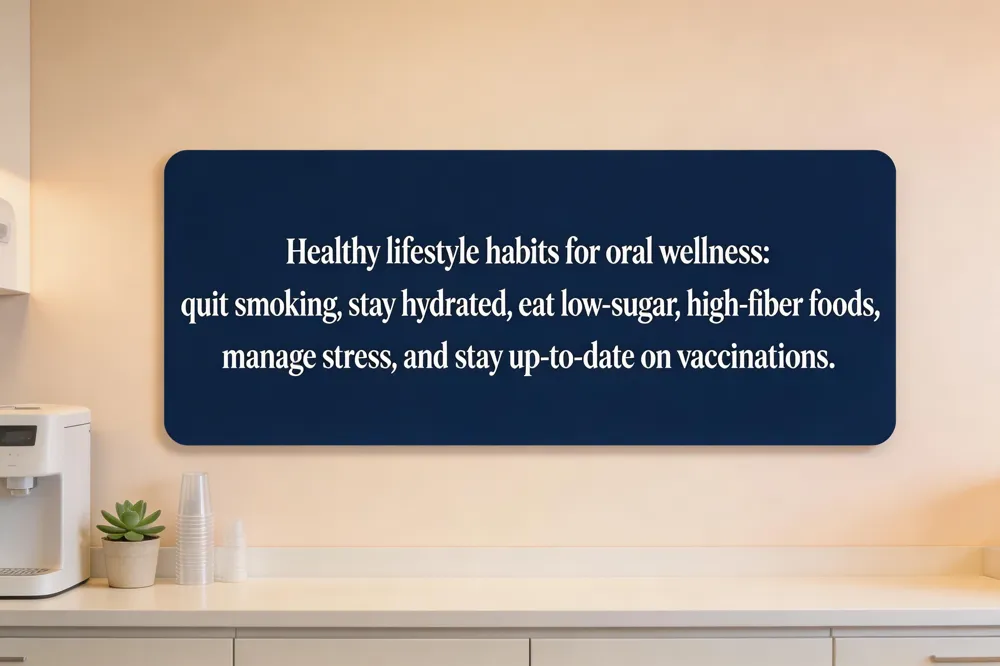 A healthy lifestyle supports oral health and overall wellness. Smoking and alcohol: Tobacco use and excessive alcohol increase gum disease, oral cancer, and delayed healing; quitting reduces these risks. Hydration: Drinking plenty of water throughout the day rinses food particles, neutralizes acids, and promotes saliva flow, which naturally cleans the mouth. Diet: Choose low‑sugar, high‑fiber foods such as crunchy vegetables, fruits, cheese, and yogurt; these stimulate saliva and provide calcium and phosphate for enamel remineralization while limiting sugary and acidic snacks protects against cavities. Stress management: Stress can lead to teeth grinding, gum inflammation, and neglect of oral care; brief meditation, walks, or breathing exercises help mitigate these effects. Vaccinations: The HPV vaccine lowers the risk of throat cancers linked to oral infection, and staying current on vaccinations supports systemic health that indirectly benefits oral tissues.
Bad tooth health problems: Untreated cavities or gum disease cause pain, swelling, bad breath, and can let bacteria enter the bloodstream, raising heart disease, stroke, and pregnancy complication risks. Early detection through regular exams and daily brushing/flossing prevents these outcomes.
Oral hygiene definition: It is the routine removal of plaque and food debris by brushing with fluoride toothpaste, flossing, and professional cleanings to prevent cavities, gum disease, and systemic infections.
Putting It All Together
Key takeaways: Brush twice daily with a soft‑bristled, fluoride‑containing brush at a 45° angle for two minutes; floss or use interdental cleaners daily; rinse with an alcohol‑free antibacterial mouthwash; schedule professional cleanings every six months. Action plan for busy professionals: Keep a travel‑size kit (electric brush, toothpaste, floss picks, mouthwash) at work; use a timer or built‑in brush timer; chew sugar‑free gum or rinse water after meals; set phone reminders for flossing and appointments. Resources and next steps: Choose products bearing the ADA Seal of Acceptance, consult your dentist for personalized recommendations, and use reputable oral‑health apps or local public‑health guidelines to stay on track.