Welcome to Your First Laser Gum Appointment
Laser gum therapy, often called LANAP or laser‑assisted periodontal treatment, uses a focused beam of light to remove diseased tissue and bacteria while preserving healthy gum. During the first visit the dentist reviews your medical history, takes X‑rays, and explains the step‑by‑step plan. You will wear protective eyewear, receive a local anesthetic, and feel only a mild warmth or tingling as the laser seals blood vessels and vaporizes infected tissue. The procedure is minimally invasive, takes 30‑60 minutes, and usually requires no stitches. Key benefits include reduced bleeding, swelling, and pain; faster healing; precise targeting of pockets; and a lower risk of infection, making the experience comfortable. Most patients return to activities the next day.
Pre‑Visit Preparation and What to Expect Before Laser Gum Surgery
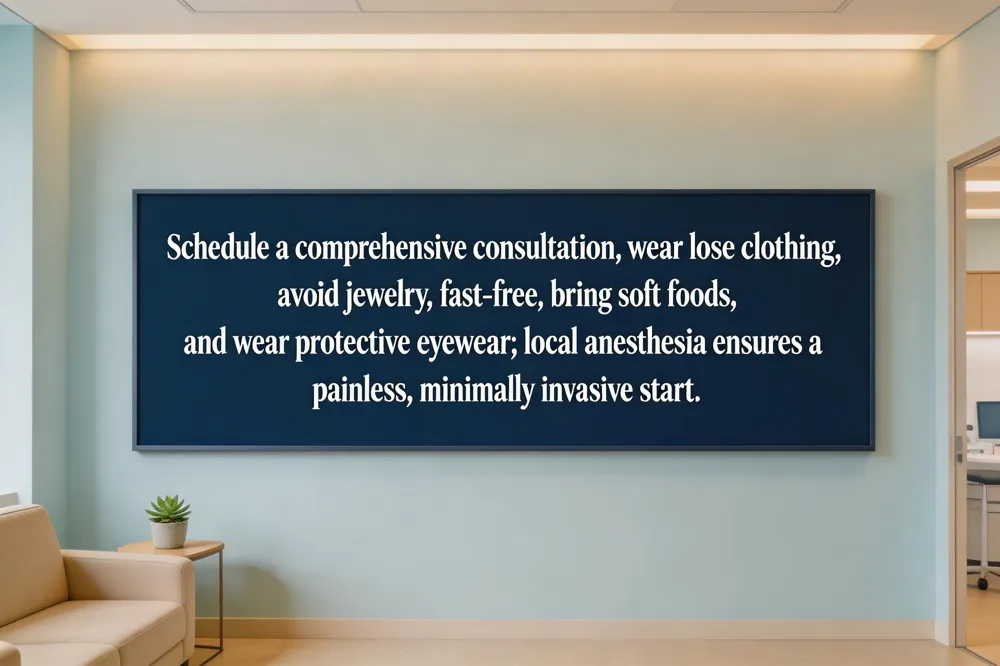 Before your laser gum surgery, schedule a comprehensive consultation where the periodontist reviews your medical and dental history, takes X‑rays, and measures pocket depths. Follow pre‑operative do’s: wear loose, comfortable clothing, avoid earrings or facial piercings, eat a light balanced meal, and bring soft foods for the first two days. Don’ts include fasting, smoking, and using alcohol or caffeine before the appointment. Both you and the dentist will wear protective eyewear to prevent retinal damage from the laser. Local anesthesia is applied—typically a topical or injectable anesthetic—to numb the area, ensuring a virtually painless, minimally invasive procedure.
The Laser Gum Treatment Procedure: Step‑by‑Step
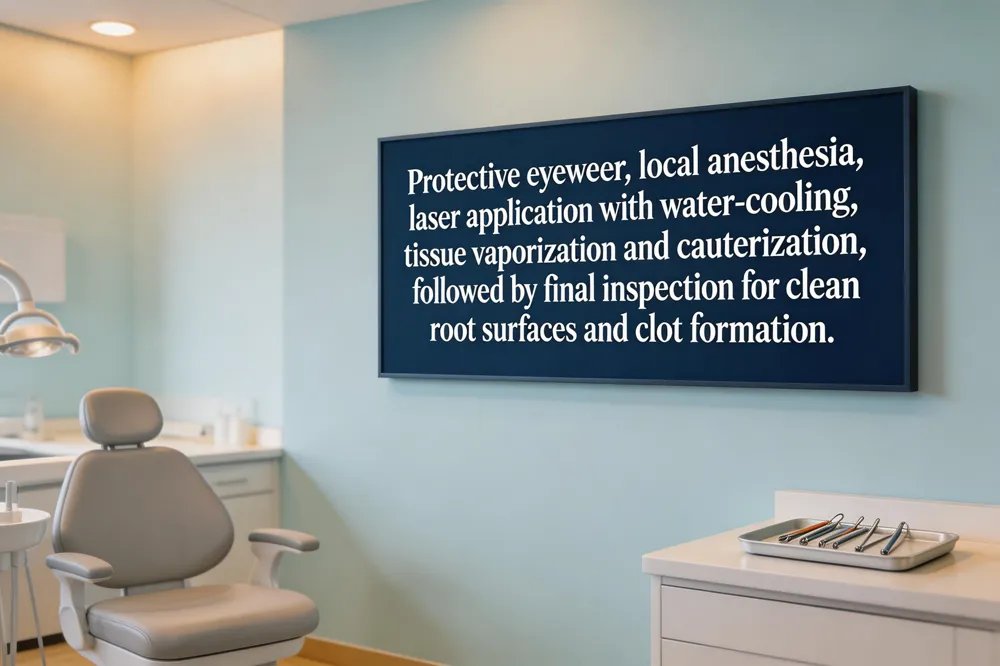 During a laser gum therapy visit the first priority is safety: both patient and dental staff wear protective eyewear to shield their eyes from the focused light beam. After a brief review of medical history, the dentist administers local anesthesia, numbing the treatment area while allowing the patient to stay comfortable and relaxed. The laser is then applied to the diseased pockets; modern units use water‑cooling spray to keep the tissue temperature low and to clear debris, which minimizes discomfort and prevents thermal injury. As the laser vaporizes infected tissue it simultaneously cauterizes blood vessels, sealing the site and reducing bleeding. Once the laser work is complete, the clinician performs a final inspection, checking for clean, smooth root surfaces, adequate clot formation, and any residual debris.
Laser gum treatment vs deep cleaning – Laser therapy precisely targets bacteria beneath the gumline and seals vessels, producing less pain, minimal bleeding, and faster healing compared with traditional scaling and root planing, which scrapes plaque manually and may cause more soreness.
Cost comparison – Laser procedures typically range $1,000–$4,000 per quadrant, whereas a deep cleaning costs $250–$400 per quadrant and is usually fully covered by insurance.
Pain level – Most patients feel only a mild tingling during the laser; post‑procedure soreness is mild and managed with OTC pain relievers.
Worst day after a gum graft – The second or third day post‑surgery often brings peak swelling and throbbing pain, which gradually eases with ice packs and medication.
Pros, Cons, Drawbacks and Effectiveness of Laser Gum Therapy
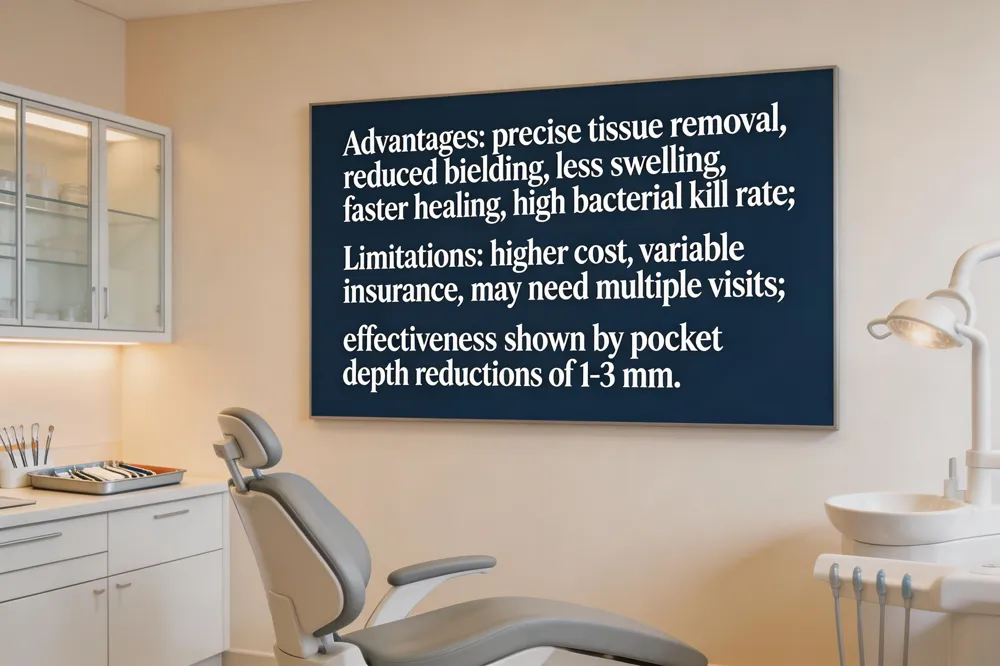 Laser gum therapy offers a minimally invasive alternative to traditional scalpel surgery. Advantages include precise removal of diseased tissue, reduced bleeding, less swelling, faster healing, and often no need for sutures. The laser’s sterilizing effect can kill up to 99.9 % of harmful bacteria and promote regeneration of gum and bone, leading to shallower pockets and improved aesthetics. Limitations are higher cost, variable insurance coverage, and the need for multiple visits for extensive disease. Some patients may experience mild redness, temporary sensitivity, or pigment changes, and outcomes depend heavily on the clinician’s training and the severity of the condition. Clinical evidence shows that protocols such as LANAP consistently reduce pocket depths by 1–3 mm and improve attachment levels, although long‑term data are still emerging. Factors influencing success include patient oral‑hygiene habits, smoking status, systemic health (e.g., diabetes), and adherence to post‑operative instructions such as a soft diet, gentle brushing, and regular follow‑up visits. In summary, laser gum treatment can be highly effective for moderate periodontal disease when performed by a qualified dentist and combined with diligent home care, but patients should weigh the cost and potential need for additional sessions against the benefits of reduced discomfort and quicker recovery.
Side Effects, Recovery Timeline and After‑Care Instructions
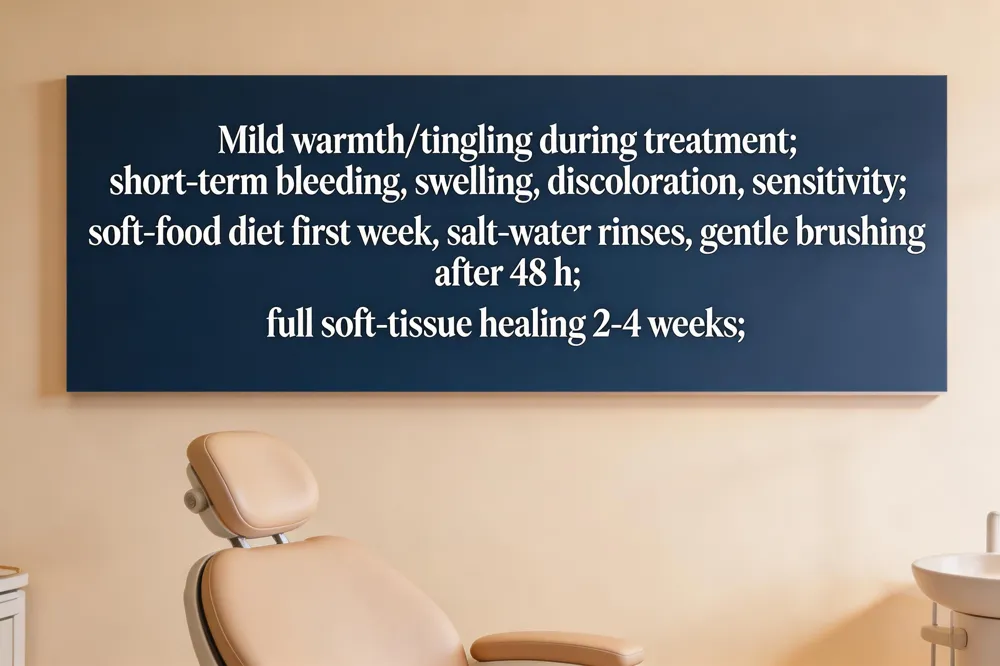 During laser gum treatment you will feel a mild warmth or tingling sensation as the focused light vaporizes diseased tissue; most patients describe it as a gentle pressure rather than drilling. Common short‑term side effects include light bleeding, slight swelling, mild gum discoloration, and temporary tooth sensitivity to hot or cold foods. These effects are usually mild and subside within 24‑48 hours.
Healing milestones: the first 3‑4 days may involve a soft‑food diet and minimal discomfort; by day 7‑10 swelling diminishes and the gum tissue begins to re‑attach. Full soft‑tissue healing typically occurs in 2‑4 weeks, while deeper pocket regeneration can take several months.
Do’s and don’ts during recovery:
• Do follow a soft‑food diet for the first week and stay hydrated.
• Do gentle oral rinses with warm salt water.
• Do avoid brushing or flossing the treated site for 24‑48 hours, then resume with a soft‑bristled toothbrush.
• Do not use straws, smoke, consume alcohol, or engage in strenuous exercise for at least 48 hours.
• Do not eat crunchy, spicy, or hard foods that could irritate the area.
Following these guidelines promotes faster healing and reduces the risk of complications.
Cost, Insurance and Financial Considerations
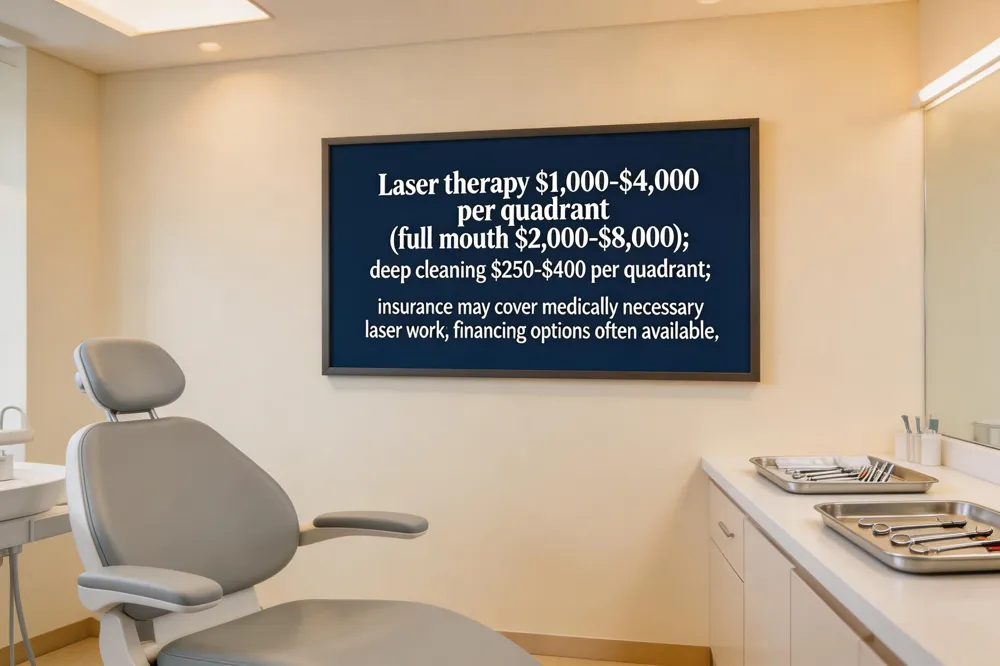 Laser gum therapy typically costs $1,000‑$4,000 per quadrant, with milder cases around $1,000‑$2,500 and more severe periodontitis reaching $2,500‑$4,000. Full‑mouth treatment can run $2,000‑$8,000, depending on the number of quadrants and disease complexity. Insurance coverage varies: most dental plans cover a portion of medically necessary laser gum surgery (such as LANAP) but often exclude purely cosmetic work like gummy‑smile correction. Reimbursement amounts depend on the insurer, policy limits, and whether the procedure is coded as periodontal therapy. Many practices offer financing, payment plans, or health‑care credit to spread out costs. Regional price differences arise from local cost of living, the laser technology used (e.g., Nd:YAG, PerioLase MVP‑7, and the clinician’s training and experience. For a personalized estimate, schedule a comprehensive exam where the dentist can assess pocket depths, bone loss, and treatment goals, then discuss insurance benefits and any available financing options.
Choosing a Provider and Long‑Term Maintenance
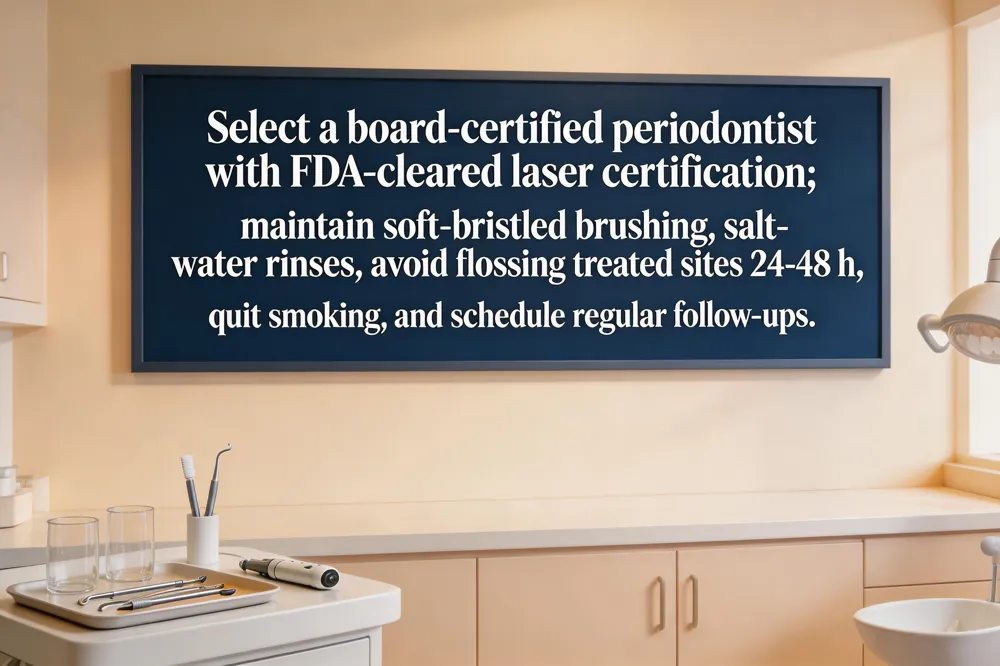 When selecting a laser‑gum specialist, verify that the dentist holds board certification in periodontics and has completed dedicated laser‑training courses (e.g., PerioLase, Nd:YAG, or Er:YAG certification).
Reputable providers use FDA‑cleared devices such as the PerioLase MVP‑7 or Fotona LightWalker and follow strict safety protocols—both patient and staff wear protective eyewear and disposable laser tips prevent cross‑contamination.
Post‑procedure oral‑hygiene is critical: brush gently with a soft‑bristled brush, rinse 2‑5 salt water, once antimicrobial mouthwash, and avoid flossing the treated sites for the first 24‑48 hours. Lifestyle choices also impact healing—quit smoking, limit alcohol, stay hydrated, and eat a soft diet for the first week.
Is laser gum treatment necessary? It isn’t required for every case, but for deep pockets, persistent bleeding, or a gummy smile, the laser’s precision can achieve better outcomes than conventional scaling alone.
How long does healing take? Swelling eases in a few days; soft‑tissue recovery usually 2‑4 weeks, with deeper regeneration continuing for several months.
Looking for a provider nearby? Southern Boulevard Dental in Rio Rancho, NM offers state‑of‑the‑art laser therapy (call (505) 555‑1234).
Before and after laser treatment, expect a thorough exam, local anesthesia, painless tissue removal, minimal bleeding, and a rapid return to daily activities, followed by gentle home care to support tissue reattachment and pocket reduction.
Final Thoughts and Next Steps
During your first laser gum therapy visit you will receive a thorough periodontal exam, X‑rays, and a clear explanation of the laser protocol, followed by a gentle, minimally invasive treatment that often feels like a warm tingling rather than a drill. Personalized care is key—your periodontist tailors the laser settings, anesthesia, and post‑procedure plan to your specific disease severity, medical history, and comfort level. Follow‑up appointments, usually scheduled one week after treatment, allow the dentist to monitor healing, adjust home‑care guidance, and ensure optimal long‑term results. Take the next step toward healthier gums by scheduling a consultation today; our experienced, family‑focused team will answer all questions and create a customized plan just for you.