

Why Cost‑Effective Dental Care Matters
Oral health is tightly linked to overall well‑being; untreated decay or gum disease can contribute to heart disease, diabetes, and other systemic conditions. Yet financial barriers—high out‑of‑pocket fees for cleanings, exams, and restorative work—cause many adults and families to skip routine check‑ups, leading to more complex, expensive treatments later. Affordable options such as dental membership savings plans, sliding‑scale fees at community health centers, and discounted programs at practices like Southern Boulevard Dental and Rio Rancho Dental Associates demonstrate that high clinical standards can be maintained while lowering costs. These models use modern technology (digital imaging, CAD/CAM, tele‑dentistry) and efficient workflows to keep treatment effective and safe, ensuring patients receive preventive care and high‑quality restorative services without compromising care. }} .
Understanding Core Dental Health Rules
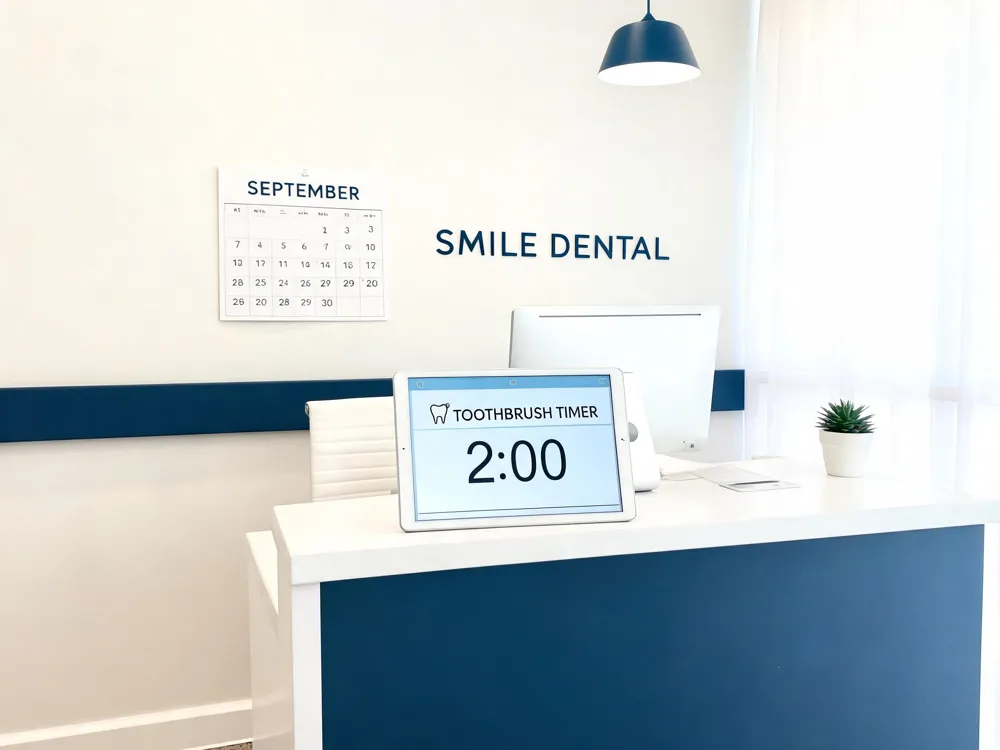 Maintaining a healthy smile starts with clear, evidence-based guidelines that are easy to remember and follow.
What is the 2‑2‑2 rule in dentistry? The 2‑2‑2 rule is a simple, memorable guideline for excellent oral health: brush your teeth twice a day, for two minutes each time, and visit your dentist twice a year. Brushing twice daily—especially before bed—removing bacteria and food debris that can cause plaque and enamel damage overnight, while the morning brush clears away overnight buildup. Taking a full two minutes ensures every tooth surface and gumline are properly cleaned, as most people brush for far less time. Scheduling two dental visits per year lets your dentist catch and prevent common issues like cavities and gum disease early, saving you from more extensive treatments later.
What is the 3‑3‑3 rule for dental pain relief? The 3‑3‑3 Rule involves taking three tablets of ibuprofen (200 mg each) every three hours, for a maximum of three days, aiming to control inflammation, which is the primary cause of most dental pain.
Can a dentist prescribe Ambien? Yes, dentists can prescribe certain sedative‑hypnotics for anxiety or sleep issues related to dental treatment. Options include benzodiazepines such as Valium, non‑benzodiazepines like Ambien (zolpidem) or Lunesta, and antihistamines such as Benadryl or Phenergan. The dentist will select the most appropriate medication based on your specific needs and medical history.
Low‑Cost Strategies When Money Is Tight
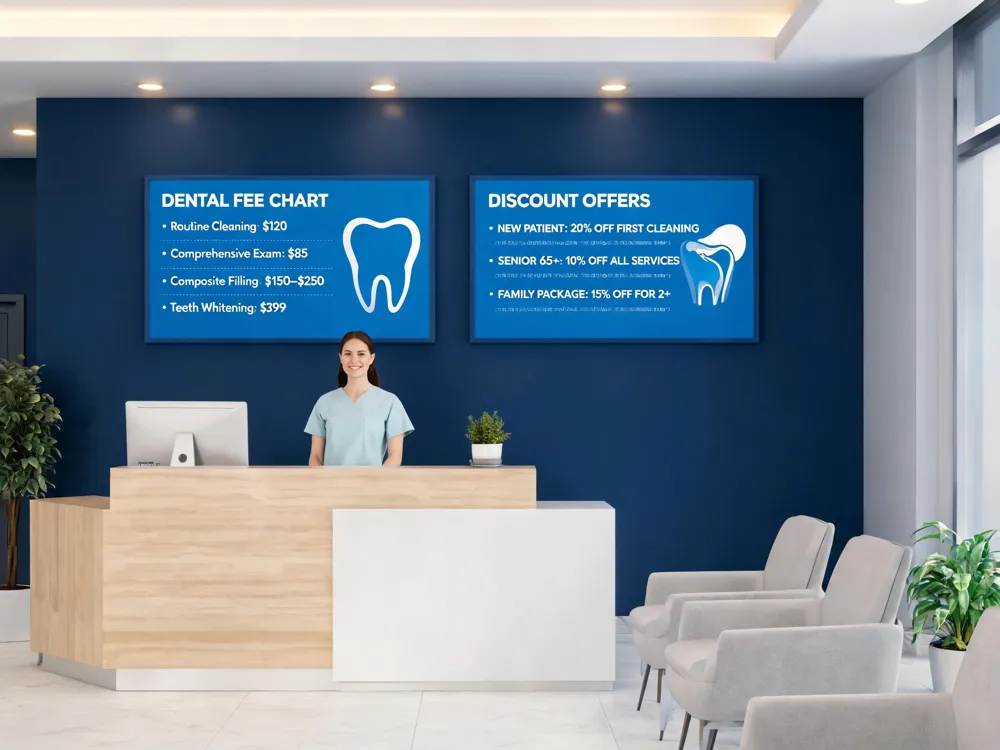 When dental expenses feel overwhelming, there are several proven routes to obtain quality care without breaking the bank.
Dental membership savings plans – Many Rio Rancho practices, such as Southern Boulevard Dental, offer annual membership plans (e.g., the Smile Generation Dental Plan) that charge a modest fee and provide 20 %‑50 % discounts on cleanings, exams, fillings, crowns and even orthodontics. These plans have no deductibles, copays or annual maximums, making them a practical alternative to traditional insurance.
Federally qualified health centers with sliding‑scale fees – Community health centers funded by HRSA and the New Mexico Department of Health accept patients of all incomes and adjust fees based on household earnings. The sliding‑scale model can reduce a routine exam and X‑ray package to as low as $55, as seen at New Mexico Community Dental.
Dental school clinics and student‑run treatment – Teaching clinics at the University of New Mexico School of Medicine and other dental schools provide supervised care at 30 %‑60 % lower rates than private practices, with licensed dentists overseeing every procedure.
Charitable outreach events and free‑clinic programs – Events like the New Mexico Mission of Mercy, Give Kids A Smile®, and the Dental Lifeline Network’s Donated Dental Services deliver free or heavily‑subsidized exams, cleanings, extractions and restorative work to underserved residents.
Answers to common questions
- How can I fix my teeth if I have no money? Explore membership plans, sliding‑scale health centers, dental school clinics, and charitable programs that offer free or discounted treatment.
- How to get cheap dental work without insurance? Use dental school clinics, negotiate payment plans with private dentists, enroll in a discount plan, or seek care at community health centers that charge based on income.
State‑by‑State Cost Landscape
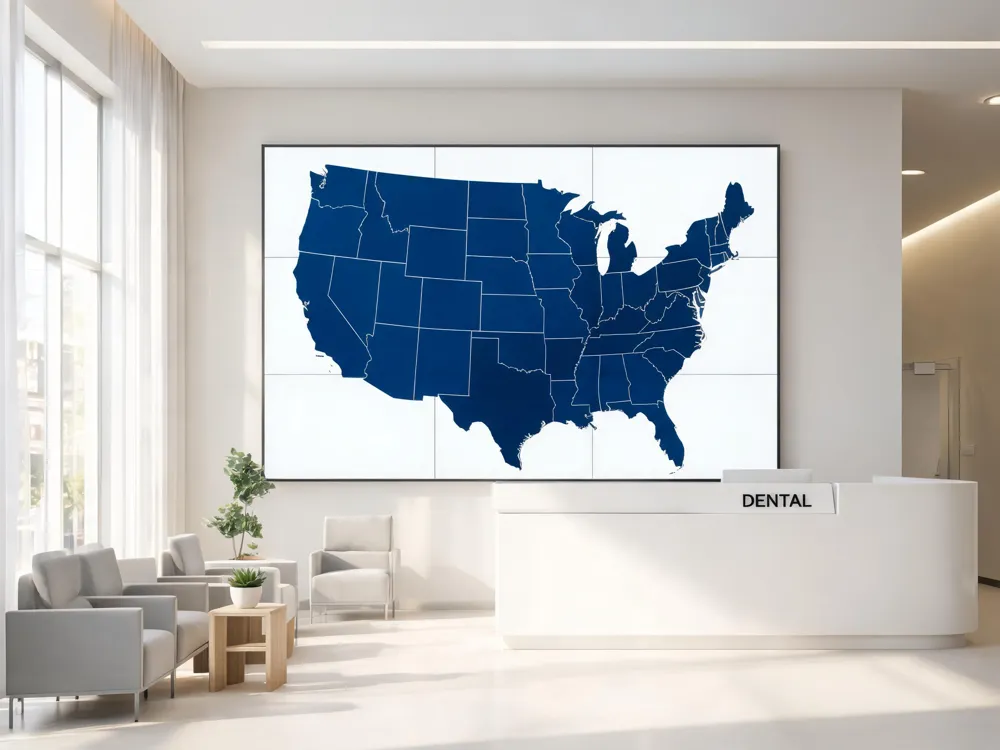 The most affordable dental care in the United States is typically found in the South and Midwest, where living costs are lower. Arkansas, for example, has the lowest average out‑of‑pocket cost for a routine visit at $63.93, far below the New Mexico average of $107.58 and the national range of $108‑$110. Clinics in smaller towns or rural areas of Alabama, Mississippi, West Virginia, Texas, and Oklahoma also tend to charge less for cleanings, fillings, and even implants.
Average national cost for a full set of dental implants A complete arch restoration (All‑on‑4, All‑on‑6, or full‑arch hybrid) averages $15,999‑$16,000 per arch in Rio Rancho’s Osuna Dental Care, which is well below the national average of $20,000‑$30,000 per arch. Single‑tooth implants cost $4,000‑$5,000, while a snap‑in removable full‑arch denture starts around $12,000 per arch.
How geographic variation affects out‑of‑pocket costs Because dental fees are tied to local economies, patients in low‑cost states can save hundreds to thousands of dollars compared with those in higher‑price regions such as California or New York. Sliding‑scale community health centers, dental‑school clinics, and discount‑plan memberships further reduce expenses, especially in states with strong public‑health funding. When planning major work, consider traveling to a lower‑cost state or using tele‑dentistry to keep overall out‑of‑pocket expenses down.
Special Considerations for Diabetics and Other High‑Risk Groups
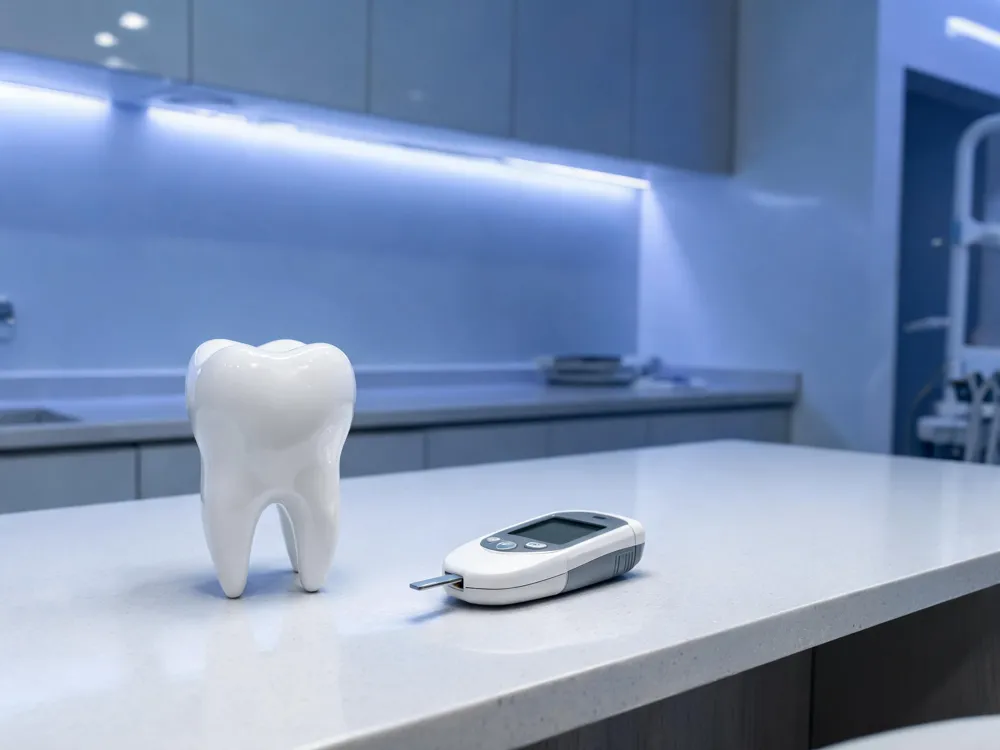
Can Diabetics Get Help with Dental Treatment?
Yes, diabetics can and should seek help with dental treatment. They face a higher risk of gum disease and tooth decay, making regular dental care crucial for both oral health and diabetes management. Good oral health can actually help improve blood sugar control.
Increased Gum Disease Risk
Diabetics are more susceptible to infections, including severe gum disease. Uncontrolled diabetes can impair healing after dental procedures, making preventive care and early intervention essential.
Medicaid and Community Health Centers
- Medicaid: Coverage varies by state, but many programs offer dental benefits for eligible adults, providing a critical resource for managing diabetes-related oral health issues.
- Community Health Centers (CHCs): Federally funded CHCs, such as those run by Presbyterian Medical Services in Rio Rancho, offer reduced-cost care on a sliding fee scale based on income.
Financing and Discount Programs for Vulnerable Patients
Several programs help make care more affordable:
| Program Type | Features | Example Providers/Resources |
|---|---|---|
| Discount Plans | Annual fee for 20-50% off services | Smile Generation, Smiles360 |
| Financing Options | Spread costs over time | CareCredit, LendingClub, Sunbit |
| Charitable Programs | Free care for eligible seniors/disabled | Dental Lifeline Network, Mission of Mercy |
| Low-Cost Clinics | Reduced fees by supervised students/trainees | Pima Medical Institute ($24.95 preventive package) |
For personalized guidance on managing your care, consult with your dentist. Addressing dental problems promptly not only protects your smile but also supports your overall health.
Putting It All Together: Choosing the Right Provider in Rio Rancho
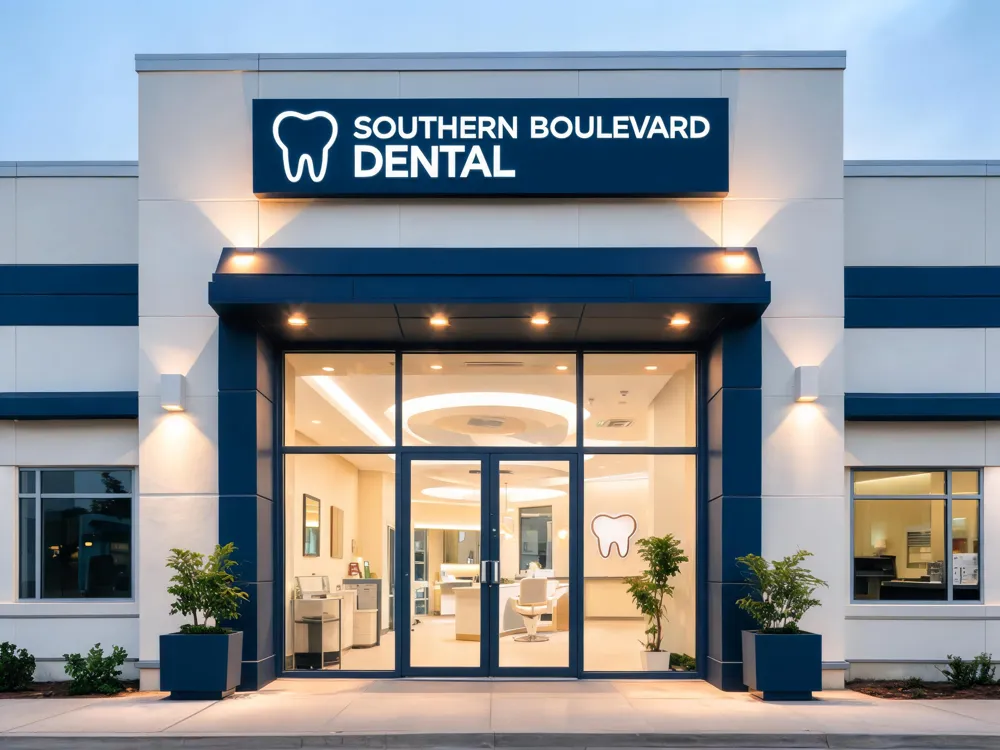 Southern Boulevard Dental puts patients first with a transparent, patient‑centered approach that combines modern digital imaging, intra‑oral cameras, and laser dentistry while strictly following ADA and OSHA safety guidelines. Flexible financing options—CareCredit, in‑office payment plans, and the Smile Generation Dental Discount Plan—make routine cleanings, crowns, and even implants affordable without compromising quality. The practice also extends care beyond the office through community outreach events, tele‑dentistry consultations, and extended weekend hours, ensuring that every Rio Rancho resident can access high‑standard dental care on a schedule that works for them.
Your Path to an Affordable, Healthy Smile
Start by reviewing the cost‑saving options that match your needs. Dental membership savings plans, such as the Smile Generation Dental Plan, offer 20‑50 % discounts on cleanings, exams and many restorative procedures for a modest annual fee. Community health centers, federally‑funded clinics, and dental schools provide sliding‑scale or free services for low‑income families, while programs like the Dental Lifeline Network and Mission of Mercy deliver charitable care. When insurance isn’t an option, consider flexible financing (CareCredit, Cherry) or in‑office payment plans to spread out larger costs. Finally, keep long‑term expenses low by following the 2‑2‑2 routine: brush twice daily, floss twice daily, and schedule two preventive dental visits each year. This proactive approach reduces the need for costly emergency or restorative work while preserving a healthy, confident smile.