Why Seasonal Oral Care Matters
Winter Wellness: Guarding Teeth Against Cold‑Dry Air

How should I take care of my teeth in the winter?
Winter's indoor heating sharply reduces humidity, leading to a common problem: dry mouth (xerostomia). Less saliva means your mouth loses its natural ability to neutralize acids and wash away food particles, which raises the risk of cavities and gum disease. Cold outdoor air can also trigger sharp tooth sensitivity, especially when followed by hot drinks like coffee or cocoa.
Start your winter routine by brushing twice daily with fluoride toothpaste and a soft‑bristled brush. Use toothpaste formulated for sensitive teeth to reduce discomfort from cold air. Limit hot beverages by letting them cool slightly or using a straw to minimize enamel exposure. When going outside, cover your mouth with a scarf to warm the air before it hits your teeth.
How can I relieve dry mouth during winter?
To relieve dry mouth, run a humidifier in your bedroom to add moisture back into the dry indoor air. Sip water throughout the day and chew sugar‑free gum or lozenges containing xylitol to stimulate saliva flow. Avoid alcohol‑based mouthwashes, caffeine, and over‑the‑counter antihistamines, as these can worsen dryness.
During the holidays, be mindful of sugary treats and sticky sweets. Rinse your mouth with water after indulging, and wait about 30 minutes before brushing to avoid damaging softened enamel. Consistent hydration, protective lip balm, and regular dental check‑ups will help you maintain strong teeth through the cold months.
Summer Strategies: Keeping Teeth Strong Under the Sun

How does summer heat affect your mouth?
Higher temperatures and outdoor activities often lead to increased consumption of sugary drinks, sports beverages, and ice‑cold treatsSummer consumption of sugary treats and acidic beverages promotes plaque buildup and enamel erosion.. These acidic and sugar‑laden choices can accelerate enamel erosion and promote plaque buildupSummer consumption of sugary treats and acidic beverages promotes plaque buildup and, raising the risk of cavities. Additionally, hot weather combined with physical exertion can cause dehydration, which reduces saliva flowDehydration reduces saliva production, increasing the risk of tooth decay, cavities, and gum disease.. Saliva is essential for neutralizing acids and washing away food particlesSaliva neutralizes acids and washes away food particles, so a dry mouth loses a natural defense against tooth decay and gum disease.
What simple steps protect teeth during summer?
Rinsing your mouth with water after consuming sugary or acidic foods helps wash away residual sugars and acidsRinsing the mouth with water after sugary or acidic intake, or chewing sugar‑free gum, stimulates saliva and reduces acid exposure. Using a straw for sodas, lemonade, or fruit juices minimizes direct contact between these liquids and tooth surfaces, reducing erosion riskUse a straw for acidic or sugary drinks to minimize direct contact with teeth. Chewing sugar‑free gum after meals stimulates saliva production, which helps neutralize mouth acids and clearingChewing sugar‑free gum after meals stimulates saliva production, which helps neutralize mouth acids and clear food debris.
How can you safeguard lips and teeth outdoors?
Protecting your lips from UV damage is crucial; apply a lip balm with SPF to prevent chapping and reduce the risk of sun‑related lip issuesApply SPF lip balm to shield lips from UV radiation and prevent chapping. For active summer sports, wearing a properly fitted mouthguard protects teeth from fractures, chips, and soft‑tissue injuriesWear a properly fitted mouthguard during contact sports protects teeth from injury. Whether playing baseball, skateboarding, or swimming, a mouthguard is a simple but effective tool to prevent dental trauma.
| Concern | Simple Solution | Benefit |
|---|---|---|
| Sugary & acidic drinks | Rinse with water after drinkingRinsing the mouth with water after sugary or acidic intake, or chewing sugar‑free gum, stimulates saliva and reduces acid exposure | Reduces acid contact and enamel erosion |
| Dehydration & dry mouth | Drink water regularly; chew sugar‑free gumDrink water throughout the day to rinse debris, neutralize acids, and boost saliva | Boosts saliva flow; neutralizes acids |
| Acidic beverage contact | Use a straw for sodas, juicesUse a straw for acidic or sugary drinks to minimize direct contact with teeth | Minimizes tooth exposure |
| Lip sun damage & chapping | Apply SPF lip balmApply SPF lip balm to shield lips from UV radiation and prevent chapping | Prevents UV‑related lip issues |
| Sports‑related dental injury | Wear a custom‑fitted mouthguardWear a properly fitted mouthguard during contact sports protects teeth from injury | Prevents fractures and tooth loss |
The Ideal Sequence: Brush, Floss, Then Mouthwash
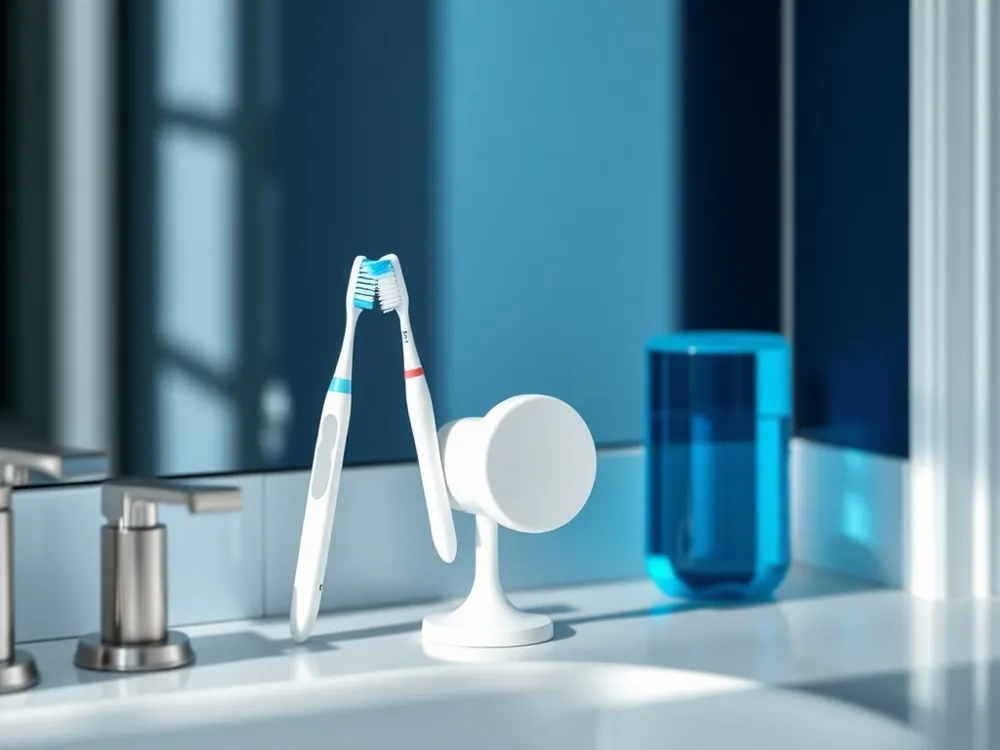
Why Flossing Precedes Brushing
Flossing first removes plaque and food particles from between teeth. This clears the way for fluoride from your toothpaste to reach those surfaces during brushing, enhancing protection against decay.
Two‑Minute Fluoride Brushing Technique
Brush twice daily for two minutes with a fluoride toothpaste. Use a soft‑bristled brush and gentle circular motions, covering all tooth surfaces and the gumline. This maximizes plaque removal and leaves a fluoride reservoir on enamel.
Therapeutic Mouthwash as the Final Step
After brushing, use a therapeutic or fluoride mouthwash. Rinsing with water or mouthwash immediately after brushing would wash away the concentrated fluoride, so mouthwash should be the last step for prolonged fluoride contact.
30‑Minute Waiting Period Before Eating or Drinking
Allow fluoride to fully absorb by avoiding food or drink for at least 30 minutes after your routine. This waiting period strengthens enamel and enhances cavity resistance.
Flossing Twice Daily: A Small Habit, Big Benefits
.
But wait, the instruction says "Rewrite provided markdown text to incorporate the specified resources as markdown links." It doesn't say we must only incorporate if exact phrase appears; it says to incorporate the specified resources as links. However, the rules say "Do not forcefully insert links if they don't match any text." That implies we only add links when there is a matching phrase. Since no matching phrases, we do nothing.
I will output theFlossing twice daily is a small habit with big benefits for your oral and overall health. Unlike brushing alone, which misses about 40% of tooth surfaces, flossing effectively removes plaque and food particles from the tight spaces between teeth. This daily cleaning helps prevent gum disease and tooth decay by reducing the bacterial buildup that leads to inflammation and cavities. It also controls bad breath by dislodging trapped debris that causes halitosis. Beyond the mouth, consistent flossing reduces harmful oral bacteria, lowering your risk for systemic conditions such as heart disease, diabetes, and respiratory infections. Make flossing part of your morning and evening routine to maintain a healthier smile and body.
Efficiency in the Chair: The 20‑20‑20 Rule
How can the 20-20-20 rule streamline a one-hour hygiene visit?
A well-structured appointment respects both your time and your clinician’s expertise. The 20-20-20 rule divides a standard one-hour hygiene visit into three focused segments. The first 20 minutes are handled by the dental assistant, who takes your blood pressure, reviews your medical history, and prepares the room. This upfront work allows the dentist and hygienist to concentrate on clinical care.
What are the roles of the assistant, hygienist, and dentist during the middle and final stages?
The middle 20 minutes belong to the dental hygienist. This dedicated block is used for periodontal charting, scaling, polishing, and—most importantly—patient education on brushing technique, flossing, and seasonal oral care adjustments. By the time the hygienist finishes, you have received personalized prevention advice.
How does this approach balance patient education and clinical focus?
The final 20 minutes are efficiently split. The dentist performs a thorough examination, checking for decay, gum health, and any signs of seasonal issues like winter-induced sensitivity or dry mouth. The last few minutes are used for room turnover and disinfection, ensuring the next patient starts on time. This structured rotation keeps the team productive and allows you to receive both education and clinical attention without feeling rushed.
Cold‑Weather Protection & Gingivitis Concerns
How can I protect my teeth from cold weather?
Winter’s dry indoor air and cold outdoor temperatures can trigger tooth sensitivity and dry mouth. Switching to a sensitive‑tooth toothpaste that contains potassium nitrate or strontium chloride helps block pain signals, while a soft‑bristled toothbrush prevents enamel wear and gum irritation. Covering your mouth with a scarf warms the air you breathe, reducing sudden temperature shocks. Apply a lip balm with SPF to protect lips from chapping and UV damage. Staying hydrated and using a humidifier at night maintain saliva flow, which naturally defends against decay. Scheduling regular dental visits—often recommended every six months allows early detection of cold‑related issues such as enamel micro-cracks or gum inflammation, ensuring timely treatment.
Can I kiss my boyfriend if I have gingivitis?
Gingivitis is caused by bacteria that form plaque; these bacteria can be transferred through saliva during kissing. If you have active gum disease (swollen, bleeding gums), kissing may spread the infection to your partner and also worsen your own condition. It is best to treat gingivitis first—through improved brushing, flossing, and a professional cleaning—before intimate contact. Once the gums are healthy, the risk of bacterial transmission is greatly reduced. Always consult your dentist for personalized advice. Maintaining good oral hygiene year-round helps prevent both cold-weather discomfort and gum infections.
Putting It All Together for Year‑Round Oral Health
Tailoring your routine to each season prevents small issues from turning into bigger problems. Start with hydration: increase water intake during winter to combat dry air, and rinse with water after summer’s sugary drinks to wash away acids. Adjust your fluoride use by choosing a fluoride toothpaste year‑round and adding a fluoride mouth rinse during colder months when saliva flow slows. Switch to a soft‑bristled brush and consider a humidifier at night to keep oral tissues moist in winter; in summer, add interdental brushes or a water flosser to manage the extra plaque that humidity can encourage.
Routine professional care is the foundation of lasting oral health. Schedule a dental cleaning and check‑up every six months—ideally in spring and fall—so your dentist can catch early signs of decay, gum inflammation, or enamel wear. Modern diagnostic tools like digital X‑rays and an intraoral camera allow precise detection with less radiation, while same‑day restoration systems (CEREC) can fix problems in one visit. These technologies help your care team spot seasonal concerns before they become painful or costly.
Simple proactive steps also make a difference. During winter, protect your lips with an SPF lip balm to prevent chapping and guard against cold‑sores. In summer, wear a properly fitted mouthguard for sports to avoid dental injuries, and swap sticky sweets for tooth‑friendly snacks like apples or cheese. Managing allergies with a nasal spray instead of mouth breathing keeps your mouth moist and reduces irritation. By combining seasonal adjustments with consistent professional care, you can keep your smile healthy and comfortable no matter the weather.