Understanding the Importance of Oral Hygiene in Daily Life
Why Oral Hygiene Is Essential
Maintaining proper oral hygiene is vital for preventing common dental problems such as tooth decay and gum disease. Brushing twice daily with fluoride toothpaste removes plaque and bacteria that cause cavities and inflammation. Flossing once daily cleans areas between teeth where brushes can’t reach, reducing the risk of gum disease. Tongue cleaning and antibacterial mouthwashes further help control harmful bacteria, promoting fresh breath and healthier gums.
Oral Health and Systemic Conditions
Good oral hygiene extends benefits beyond the mouth. Research shows that poor dental health is linked to systemic conditions like heart disease, diabetes, stroke, and respiratory illnesses. Chronic inflammation from gum disease can exacerbate these health issues. Managing oral health thus plays an important role in supporting overall well-being.
Promoting a Healthier Smile and Reducing Costs
Consistently following a thorough oral hygiene routine not only maintains a bright, healthy smile but also reduces the need for invasive dental treatments. Preventing cavities and gum problems lowers the risk of costly procedures such as fillings, root canals, or tooth extractions. Routine dental visits complement daily care by detecting early signs of issues, ensuring long-term oral health and less dental expense over time.
Foundational Daily Habits for Maintaining Healthy Teeth and Gums
Brushing Techniques Including Frequency, Duration, and the Use of Fluoride Toothpaste
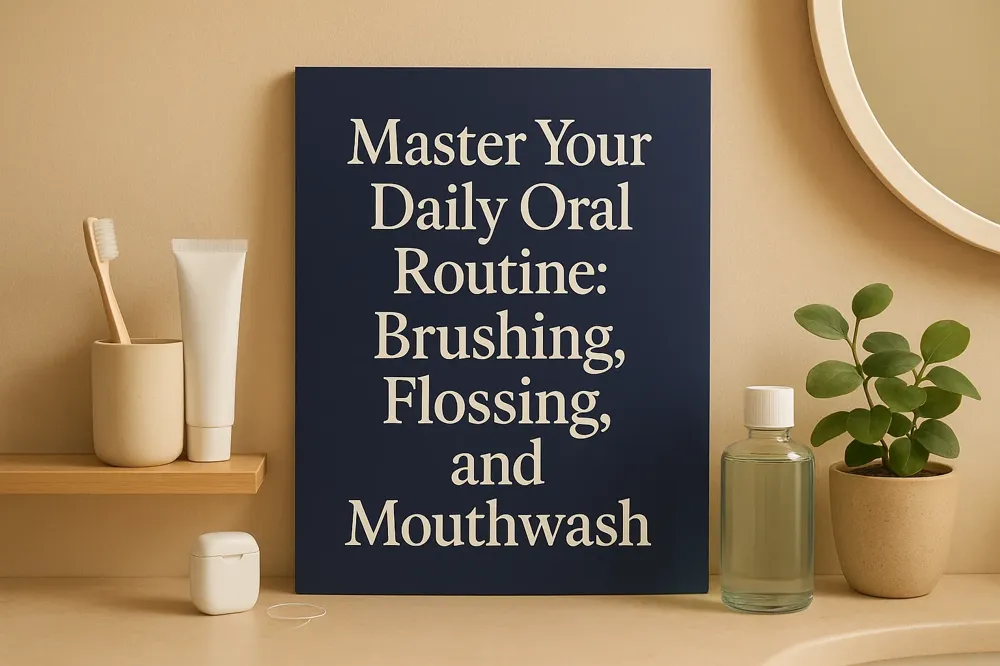
Brushing your teeth twice a day is essential for effective plaque removal and cavity prevention. Use a soft-bristled toothbrush and using fluoride toothpaste to strengthen enamel and protect teeth from decay. Position the toothbrush at a 45-degree angle toward the gum line, and use gentle, small back-and-forth or circular motions. Cleaning all tooth surfaces of each tooth, including the front, back, and chewing surfaces, for a full two minutes each time. Replace your toothbrush every three to four months or sooner if the bristles are frayed to ensure effective cleaning.
Proper Flossing Methods and Timing
Daily flossing instructions complements brushing by removing plaque and food debris from between teeth where brushes cannot reach. Use about 18 inches of floss, winding each end around your middle fingers. Gently slide the floss between teeth, forming a C-shape around each tooth, and move it up and down to clean beneath the gum line without causing injury. Flossing between teeth is best done before brushing to allow fluoride toothpaste to reach interdental spaces more effectively.
Role of Antibacterial, Alcohol-Free Mouthwash in Oral Hygiene Routine
An alcohol-free mouthwash benefits, antibacterial mouthwash used daily can significantly reduce harmful bacteria and plaque buildup. Choose products with the ADA Seal of Acceptance products to ensure safety and effectiveness. Rinsing with mouthwash after brushing and flossing helps freshen breath, prevent gum inflammation, reduce tooth sensitivity, and strengthen enamel through fluoride content.
Incorporating Tongue Brushing or Scraping for Enhanced Oral Health
Bacteria accumulate on the tongue and can cause bad breath as well as contribute to plaque formation. Gently brushing your tongue with a toothbrush or using a tongue scraper as part of your routine helps remove this bacterial buildup. This practice enhances oral freshness, lowers the total oral bacterial load, and supports overall gum health.
What is the Proper Order for an Oral Hygiene Routine?
The ideal oral hygiene routine starts with daily flossing instructions to clear debris and plaque from between teeth. Next, brush all tooth surfaces and the tongue with fluoride toothpaste. Follow this by rinsing with an alcohol-free mouthwash benefits fluoride mouthwash to eliminate residual bacteria and protect enamel. Adding tongue scraping benefits can further improve oral health. Dental visits every six months complete this routine by allowing early detection and prevention of dental issues. Consistently applying these steps promotes healthier teeth and gums and reduces the risk of cavities and gum disease.
Practical and Effective Oral Health Tips for Adults
What are effective oral health tips for adults to maintain good dental health?
Maintaining good oral health requires a consistent daily routine. Adults should Brushing teeth twice daily for two minutes each time using Using fluoride toothpaste. This helps remove plaque and strengthens tooth enamel to prevent decay. Proper oral hygiene techniques involves Brushing at 45 degrees angle toward the gums to clean all tooth surfaces effectively.
Daily flossing importance is essential to reach areas between teeth that a toothbrush cannot clean. Flossing removes plaque and food debris, reducing the risk of cavities and gum disease. Wrapping floss in a C shape around each tooth and gently sliding it up and down ensures thorough cleaning.
Dental visits every six months enable early detection of potential problems and allow for professional cleaning to remove tartar buildup. People with higher susceptibility to cavities or gum disease may need to see their dentist more frequently.
Avoiding tobacco products significantly lowers the risk of gum disease, oral cancer, and other oral health problems. Limiting alcohol intake also reduces risks of head and neck cancers.
For those experiencing dry mouth, staying hydrated and chewing sugarless gum can help maintain saliva flow. Using an electric toothbrush benefits, especially with soft bristles, can improve plaque removal, which is beneficial for individuals with manual dexterity challenges or older adults.
Eating a balanced diet rich in calcium (dairy products), phosphorus (fish, nuts), and vitamin C (fruits, vegetables) supports enamel strength and gum health. Avoiding excess sugary foods and drinks further protects teeth from decay.
Incorporating these practices fosters not only daily oral health habits but also contributes to Oral health and overall health by reducing risks linked to heart disease, stroke, and diabetes.
Simple At-Home Care Strategies to Support Oral Wellbeing
What are practical tips for taking care of your teeth at home?
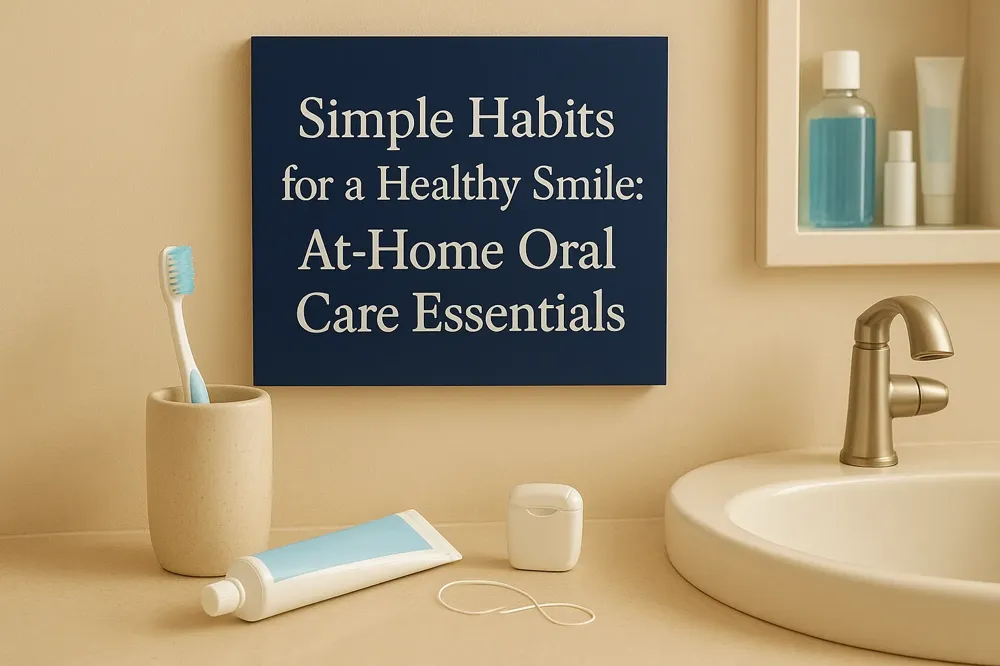
Maintaining good oral health starts with effective daily practices at home. [Brushing teeth twice daily] for two minutes each time using a soft-bristled toothbrush and using fluoride toothpaste. Hold the brush at a 45-degree angle and use gentle, circular motions to clean all tooth surfaces thoroughly.
Daily flossing is vital to remove plaque and food particles from between your teeth where the toothbrush can't reach. If traditional flossing is difficult, interdental brushes or water flossers can serve as effective alternatives.
Limiting sugar intake helps prevent cavities, while eating tooth-friendly foods rich in calcium and phosphorus, like dairy products and leafy greens, strengthens enamel and gums.
Rinsing your mouth with water after meals or snacks helps neutralize acids and washes away bacteria, supporting oral health.
It's important to replace your toothbrush every 3 to 4 months or sooner if the bristles are frayed to ensure optimal plaque removal and prevent bacterial buildup.
Incorporating these simple, consistent habits supports a healthy smile and reduces the risk of dental problems, complementing professional dental care.
The Role of Tongue Scraping and Complementary Practices in Oral Hygiene

Why is tongue scraping an important step in oral hygiene, and how should it be incorporated into the daily routine?
Tongue scraping benefits plays a vital role in maintaining oral health by effectively removing bacteria, fungi, food debris, and dead cells from the tongue's surface. This helps reduce the buildup of harmful microorganisms that contribute to cavities, gum disease, and unpleasant bad breath. Additionally, regular tongue scraping can decrease plaque accumulation and lower the risk of infections such as oral thrush. It also enhances taste sensitivity.
For best results, tongue scraping should be performed daily, preferably in the morning after waking up to clear overnight bacterial build-up and promote fresher breath through the day. Incorporate this practice right after Brushing your teeth twice a day using a dedicated soft-bristled toothbrush designed for tongue cleaning.
How does incorporating oil pulling into your oral hygiene routine benefit your dental health?
Oil pulling is a traditional practice that involves swishing natural oils, like coconut oil, in the mouth for 15 to 20 minutes. This technique helps reduce harmful oral bacteria such as Streptococcus mutans and Candida albicans, which are linked to tooth decay and gum disease. The antimicrobial and anti-inflammatory properties of coconut oil can soothe gum irritation, assist healing, and improve overall oral cleanliness.
While oil pulling is not a replacement for Proper oral hygiene techniques such as Brushing teeth twice daily and Daily flossing importance, it serves as a complementary practice that helps minimize plaque buildup and freshens breath. Integrated into a routine that includes proper Brushing teeth twice daily, Flossing between teeth, and Regular dental visits, oil pulling can contribute to healthier gums and fewer cavities.
Limitations of oil pulling and its role alongside conventional hygiene methods
It is important to note that oil pulling should not replace standard oral hygiene practices like Brushing your teeth twice a day and Daily flossing instructions. It offers supportive benefits but does not remove plaque from tooth surfaces as effectively as mechanical cleaning methods. Oil pulling is best used as an adjunct to, rather than a substitute for, daily Proper brushing technique, Flossing between teeth, and professional Regular dental visits to maintain optimal oral health.
The Importance of Regular Dental Visits and Preventive Care
Benefits of professional exams and cleanings every six months
Regular dental visits, typically recommended dental visits every six months, play a crucial role in maintaining oral health. During these appointments, dental professionals perform thorough cleanings that remove plaque and tartar buildup impossible to eliminate through home care alone. Professional exams allow early detection of cavities, gum disease, and other oral problems before they progress, helping to prevent pain, tooth loss, and costly treatments.
Role of dental professionals in early detection of oral and systemic health problems
Dentists and hygienists are trained to spot signs of not only oral diseases but also systemic health issues during routine checkups. Conditions such as oral cancer, diabetes complications, and heart disease often show early warning signs in the mouth. Early detection through dental exams can lead to timely medical referrals and interventions, improving patient outcomes.
Use of digital X-rays and advanced technology in preventive dentistry
Modern dental practices utilize advanced technologies like digital X-rays in preventive dentistry, which provide detailed images with less radiation exposure. These tools enable dentists to detect hidden cavities, bone loss, and abnormalities that are not visible during a visual exam. Early identification aids in addressing dental problems promptly and minimally invasively.
Cost-effectiveness of preventative care to reduce extensive dental treatments
Investing in preventive dental care is cost-effective because it minimizes the likelihood of severe dental issues requiring complex procedures such as root canals, extractions, or implants. Regular cleanings, exams, and early treatment reduce the need for emergency visits and expensive restorative work, saving both money and preserving natural teeth.
How personalized frequency of visits can support individuals with higher oral health risks
While six-month intervals suit most people, those with higher risk factors—such as diabetes, gum disease, dry mouth, smoking habits, or a history of frequent cavities—may require more frequent visits, often every three to four months. Personalized care plans that adapt to individual risk profiles ensure optimal monitoring and timely interventions for better oral health outcomes.
Why is oral hygiene important in daily life?
Good oral hygiene is vital because it prevents tooth decay, gum disease, and bad breath by removing plaque—the bacteria-rich film on teeth. Daily habits like brushing your teeth twice a day with using fluoride toothpaste and daily flossing instructions remove bacteria and food particles that cause dental problems. Maintaining impeccable oral hygiene also supports overall health by reducing risks related to heart disease, diabetes, and respiratory illnesses. Ultimately, consistent oral care enhances your smile's appearance, boosts confidence, and reduces the need for extensive dental treatments later on.
Lifestyle Factors and Community Support for Sustained Oral Health
How Can Lifestyle Choices Influence Oral Health?
Avoiding tobacco products is crucial, as Risks of smoking on oral health significantly increase the risk of gum disease and oral cancers. Limiting alcohol intake also reduces the risk of head, neck, and oral cancers. Together, these habits form a strong foundation for maintaining oral health.
What Dietary Habits Support Healthy Teeth?
Eating a balanced diet rich in fruits, vegetables, dairy, and leafy greens helps strengthen enamel and gums. Reducing added sugar intake and acidic foods decreases the risk of cavities and enamel erosion. Drinking plenty of water promotes hydration, helps wash away food particles, and combats dry mouth conditions that can contribute to tooth decay.
How Does Hydration and Dry Mouth Management Affect Oral Care?
Staying well-hydrated supports saliva production, a natural defense against oral bacteria. Managing dry mouth by chewing sugarless gum, drinking water frequently, and Avoiding tobacco for oral health helps maintain a healthy oral environment.
What Strategies Build Effective Oral Hygiene Habits?
Building better oral habits involves consistency and reminders. Leveraging existing daily routines—such as Brushing after meals and Flossing every night—helps establish automatic behaviors. Simple reminders like alarms, notes, or visual cues can reinforce these practices. Using aids like Flossing picks and interdental brushes, and Electric toothbrushes with apps enhances effectiveness.
How Do Family and Community Play a Role in Dental Health?
Oral health promotion spans all ages: from establishing early dental care habits in children to providing tailored advice and assistance to older adults, especially those in care facilities. Regular dental checkups, Water fluoridation and oral health, and access to dental professionals are vital for sustaining oral health. Family support in maintaining routines and encouraging healthy lifestyles greatly improves long-term outcomes.
By integrating these lifestyle factors with supportive community resources and professional care, sustained oral health can be achieved for individuals and families alike.
Commit to Simple Habits for Lifelong Oral Health and Wellbeing
Establishing a Daily Oral Hygiene Routine
Proper oral hygiene is vital for maintaining a healthy smile and overall wellbeing. Key daily practices include brushing your teeth twice a day with fluoride toothpaste using a soft-bristled toothbrush angled at 45 degrees toward the gums. Don't forget to brush your tongue to reduce bacteria and freshen breath. Flossing once daily is essential to remove plaque and food particles between teeth, areas unreachable by brushing. Incorporating a daily rinse with an alcohol-free antibacterial mouthwash can further decrease harmful bacteria and plaque buildup.
Preventive Care and Lifestyle Choices
Regular dental visits every six months, or more frequently if needed, allow early detection and professional cleaning to prevent cavities and gum disease. Avoiding tobacco products is crucial as smoking increases risks for gum disease and oral cancers. Maintaining a balanced diet low in sugars and rich in nutritious foods supports enamel strength and gum health. Drinking plenty of water helps wash away acids and food particles, aiding natural oral defense.
Consistency Is Key for Lifelong Benefits
Developing and maintaining these habits builds a foundation for oral health that reduces the need for expensive dental treatments and promotes systemic health benefits, including lowered risk of heart disease, stroke, and diabetes. Consistent oral care empowers you to protect your teeth and gums for life, ensuring a confident smile and better overall wellbeing.