Welcome to Your Implant Journey
Why choose dental implants
Dental implants are the gold standard for replacing missing teeth. Unlike bridges or dentures, a titanium implant post fuses directly with your jawbone through a process called osseointegration. This creates a stable, permanent foundation that looks, feels, and functions like a natural tooth. Implants also preserve jawbone density, prevent facial sagging, and do not require altering healthy adjacent teeth.
Overview of the implant restoration process
Implant restoration is a multi‑step journey that combines surgical placement with custom prosthetic work. It begins with a comprehensive consultation, including digital X‑rays or a 3D cone‑beam CT scan to evaluate your jawbone and plan precise placement. After implant surgery, a healing period of 3–6 months allows the bone to integrate with the titanium post. Once healed, an abutment is attached, and a custom‑made crown, bridge, or denture is fabricated and securely placed to restore full function and aesthetics.
Patient‑centered care at Southern Boulevard Dental
Our practice puts you first at every stage of your implant journey. From your initial consultation through final restoration, we ensure you understand each step and feel comfortable. We use advanced digital imaging, surgical guides, and modern materials to enhance accuracy and reduce treatment time. Our family‑oriented team is committed to providing clear communication, gentle care, and lasting results that help you smile with confidence.
Understanding Dental Implants: Types and Costs
 Dental implants replace missing teeth with a structure that mimics a natural tooth. The most common type is the endosteal implant, a screw-like post placed directly into the jawbone. Subperiosteal implants are an alternative for patients with insufficient bone height, resting on top of the jawbone but under the gum. For severe upper jaw bone loss, zygomatic implants anchor into the cheekbone.
What are the main types of dental implants?
Restorations are also classified by how many teeth they replace. A single crown replaces one tooth. Implant-supported bridges replace several adjacent teeth, often using two or more implants. Implant-retained dentures and full-arch solutions like All-on-4 secure a full arch of teeth using strategically placed implants. Material choice is another key distinction. Titanium is the most widely used material, offering a strong, biocompatible, and long-proven track record. Zirconia is a metal-free, tooth-colored ceramic alternative popular for patients with metal sensitivities or those prioritizing aesthetics.
How much do different types of dental implants cost?
The total cost varies based on the type of restoration and any needed preparatory work.
| Restoration Type | Typical Cost Range (USD) | Notes |
|---|---|---|
| Single Implant Crown | $3,500 – $6,700 | Includes implant, abutment, and crown. |
| Implant-Supported Bridge | $5,000 – $16,000 | Depends on number of implants and materials. |
| Full-Arch (e.g., All-on-4) | $15,000 – $30,000 per arch | Cost per arch; significant upfront investment. |
Several factors influence the final price. The need for bone grafting to build up jawbone density typically adds significant cost and months to the treatment timeline. Tooth extractions and sinus lifts are other common preparatory procedures. The type of materials used for the crown (e.g., porcelain, zirconia) and the geographic location of the practice also affect pricing. Many dental insurance plans consider implants a cosmetic procedure, so coverage is often limited, though some may cover part of the surgical or restorative fees. Your dentist will provide a detailed treatment plan and a transparent cost breakdown before any work begins.
Step‑by‑Step Treatment Journey
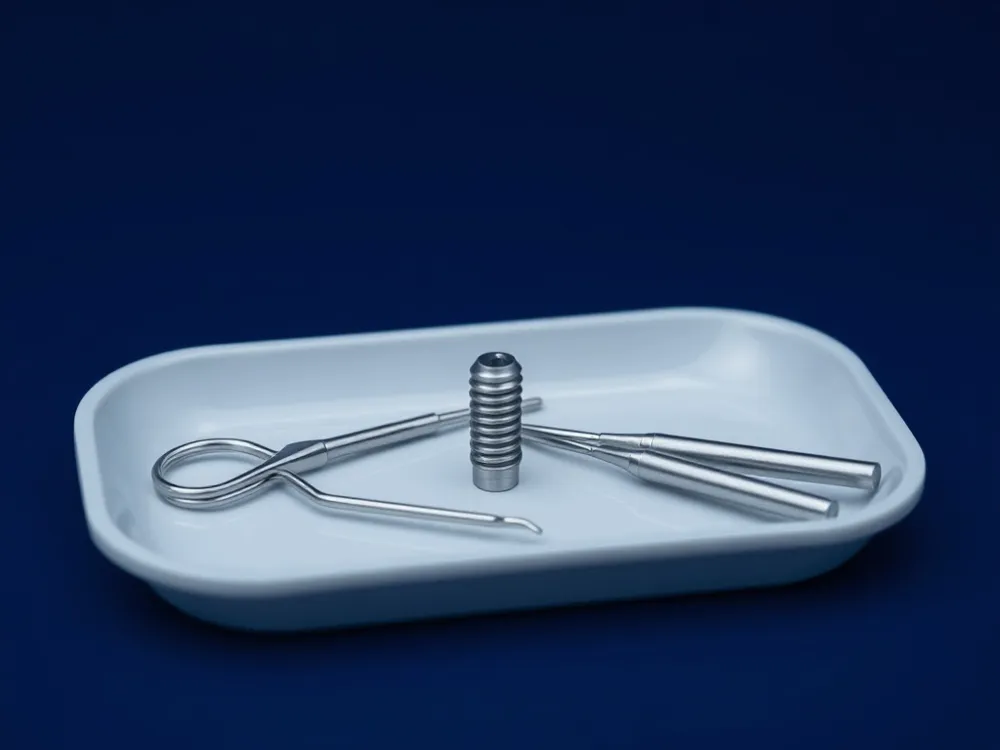 The process of receiving a dental implant is a carefully sequenced journey that restores both function and appearance. Each stage is planned to ensure a stable, long-lasting result. The timeline varies by individual, but understanding the steps can help you feel prepared and confident in your care.
Managing Healing: Side Effects, Risks, and Aftercare
What should you expect after implant surgery? Typical symptoms are mild swelling, bruising, and discomfort for the first 48–72 hours, easily managed with over‑the‑counter pain relievers and ice packs. Some patients notice light bleeding or temporary numbness. These signs are normal and resolve within a week or two. More serious complications, such as infection, persistent numbness, or sinus issues (for upper jaw implants), are rare but require immediate attention. Understanding these risks helps you take proactive steps during healing.
What plays the biggest role in a smooth recovery? Smoking, tobacco, and nicotine products are the top enemy of implant healing. They significantly increase the risk of infection, delayed bone fusion, and implant failure — all sources agree you must avoid them entirely during osseointegration. Your diet matters too: stick to soft foods (soups, eggs, yogurt) for the first few days, then gradually return to normal eating. Maintain gentle oral hygiene — use a soft‑bristled toothbrush, avoid the surgical site initially, and rinse with warm salt water starting around day four.
When should you call your dentist? Contact your dental team if you experience worsening pain after the first few days, heavy bleeding, pus or drainage, fever, or a feeling that the implant is loose. These signs could indicate infection or other problems that need prompt professional evaluation. Regular follow‑up visits are essential to monitor healing and confirm osseointegration is on track.
The bottom line
Most patients find recovery manageable and are pleasantly surprised by how comfortable the process feels. With proper aftercare — no smoking, a soft diet, good hygiene, and timely check‑ups — your implant has an excellent chance of lasting for decades.
Patient Insights: Frequently Asked Questions
What is the 3/2 rule in implant dentistry, and why is it important?
The 3/2 rule is a clinical guideline for safe implant placement. It specifies that there should be at least 3 millimeters of bone above the implant and 2 millimeters of bone on the sides. This minimum clearance is crucial for ensuring the long-term stability of the implant, preventing peri-implantitis (inflammation and bone loss around the implant), and avoiding damage to adjacent teeth, nerves, or sinus cavities.
How much does it cost to restore or repair an existing dental implant?
Repair and restoration costs for existing implants vary significantly based on the issue. Minor adjustments like crown tightening can be $100 to $300. Replacing an abutment screw might cost $250 to $500, while a full crown replacement typically ranges from $1,000 to $3,000. Treating complications like peri-implantitis can cost $500 to over $4,000. In severe cases requiring complete implant replacement, the cost can be around $4,500. The final expense depends on the damage, your location, the dentist's expertise, and the need for additional procedures like bone grafting.
Understanding value versus cost for dental implants
When considering dental implants, it's important to look beyond the initial price. While a single implant can cost between $3,000 and $7,000, and a full-mouth restoration can range from $20,000 to $50,000, the long-term value is significant. Implants can last a lifetime with proper care, offering superior functionality, natural aesthetics, and preservation of jawbone health. Lower-cost options may involve less experienced providers or inferior materials, potentially leading to future complications and higher costs. Focusing on the value of a durable, high-quality restoration from a skilled professional is often a more economical choice in the long run.
Is dental implant surgery considered minor or major surgery?
Dental implant surgery is generally classified as minor oral surgery. It is typically performed as an outpatient procedure using local anesthesia, often with sedation options. The complexity, however, can vary. Placing a single implant is minimally invasive, while full-arch reconstructions or cases requiring significant bone grafting are more involved. While the procedure itself is considered minor, the overall treatment process is staged over several months to allow for healing and osseointegration. Your dentist will provide a clear assessment of your specific case's complexity.
| Topic | Key Points | Patient Consideration |
|---|---|---|
| 3/2 Rule | 3mm bone above, 2mm bone around implant. | Ensures implant stability and long-term health. |
| Repair Costs | $100-$300 (adjustment) to $4,500+ (replacement). | Costs vary by issue; early intervention is key. |
| Single Implant Cost | $3,000 - $7,000 (includes post, abutment, crown). | Consider long-term value over initial price. |
| Full-Mouth Cost | $20,000 - $50,000+ (e.g., All-on-4). | A significant investment with lifelong potential. |
| Surgery Type | Classified as minor oral surgery. | Complexity varies from simple to advanced cases. |
Ensuring Long‑Term Success
Daily Oral Hygiene for Implants
Treat your implant like a natural tooth. Brush twice daily with a soft‑bristled toothbrush and floss around the abutment. Interdental brushes or water flossers help clean hard‑to‑reach areas, preventing plaque buildup that can lead to peri‑implantitis.
Professional Cleanings and Check‑Ups
Schedule dental visits every six months. Your dentist will professionally clean the implant and surrounding gums, and take periodic X‑rays to monitor bone levels. Regular exams catch early signs of inflammation or bone loss.
Monitoring Bone and Tissue Health
Your dentist will assess the gum tissue and bone around the implant. Healthy bone density and absence of bleeding or pocketing indicate a stable implant. Any changes prompt early intervention.
Lifestyle Factors That Protect Implants
Avoid tobacco and nicotine products—they significantly increase the risk of implant failure. Limit alcohol, manage chronic conditions like diabetes, and avoid chewing on hard objects. A balanced diet and consistent hygiene routine help your implant last for decades.