

Welcome to Your Implant Journey
Why Choose Dental Implants?
Dental implants are the gold standard for replacing missing teeth. They look, feel, and function like natural teeth, preserving jawbone health and preventing facial sagging. Unlike bridges, implants don’t require grinding down healthy adjacent teeth. With a success rate exceeding 95% and the potential to last a lifetime with proper care, implants offer unmatched durability and confidence.
Overview of the Implant Restoration Process
The journey begins with a comprehensive consultation, including 3D imaging to assess bone density and plan precise placement. If needed, bone grafting prepares the site. During minor surgery, a titanium post is placed into the jawbone, followed by a healing period of 3–6 months for osseointegration (fusion with bone). Once healed, an abutment is attached, and a custom crown, bridge, or denture is fabricated and securely placed — restoring your smile step by step.
Patient‑Centered Care at Southern Boulevard Dental
Our Rio Rancho practice prioritizes your comfort and education. We use advanced digital workflows — including CBCT scans and surgical guides — for predictable, minimally invasive treatment. Every plan is personalized, and we offer a free Digital Smile Design & Implant Consultation. Our experienced team guides you through each stage, ensuring a smooth, reassuring experience from consultation to final restoration.
Understanding Dental Implants: Types and Costs
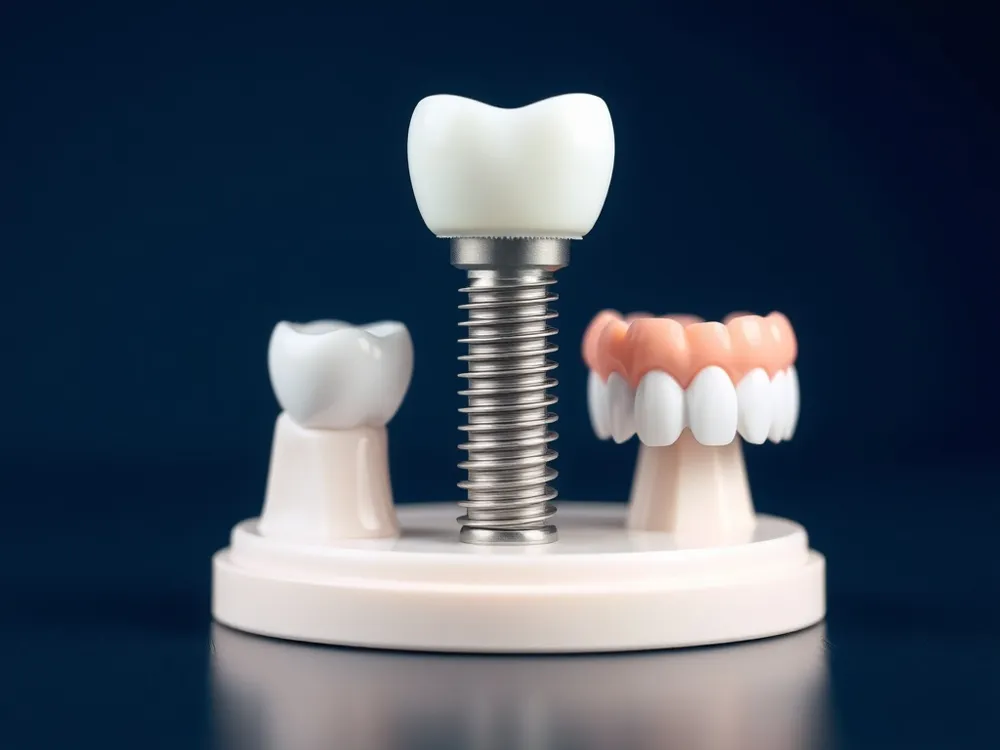 When choosing a dental implant, understanding the structural types and material options helps you make an informed decision. Tailored treatments from single-tooth crowns to full-arch solutions address varying needs, and costs reflect the complexity, materials, and any preparatory procedures required.
What are the main types of dental implants?
The most common structural type is the endosteal implant – a screw-like titanium post placed directly into the jawbone, suitable for most cases when bone density is sufficient. For patients with a shallow jawbone, subperiosteal implants rest on top of the bone but under the gum, while zygomatic implants anchor in the cheekbone for severe upper-jaw bone loss. Treatment options also vary by restoration: single implant crowns, implant‑supported bridges (using two or more implants), and full-arch solutions like All‑on‑4® or implant‑retained dentures. Material‑wise, titanium is the standard due to its biocompatibility and long track record, but zirconia offers a metal‑free, tooth‑colored alternative for those with sensitivities or aesthetic concerns.
How much do different types of dental implants cost?
Costs depend on the type, number of implants, materials, and any additional procedures. Below is a typical price range in the United States:
| Implant Restoration Type | Cost Range (USD) | What’s Included / Notes |
|---|---|---|
| Single‑tooth implant | $3,000 – $7,000 | Implant post, abutment, and custom crown. |
| Implant‑supported bridge | $5,000 – $16,000 | For multiple missing teeth; price varies by number of implants and materials. |
| Full‑arch restoration (e.g., All‑on‑4) | $20,000 – $50,000 per arch | Includes multiple implants and a fixed or removable prosthesis. |
| Subperiosteal / zygomatic implants | $15,000 – $30,000+ | Often needed for severe bone loss; higher due to surgical complexity. |
Additional costs may include bone grafting ($200–$1,200 per site), sinus lifts ($1,500–$2,500), and tooth extractions ($75–$300 per tooth). Your dentist will provide a personalized treatment plan with a detailed fee breakdown after an exam and 3D imaging. Insurance may cover part of the surgical phase, but the prosthetic portion is often not fully covered.
Step‑by‑Step Treatment Journey
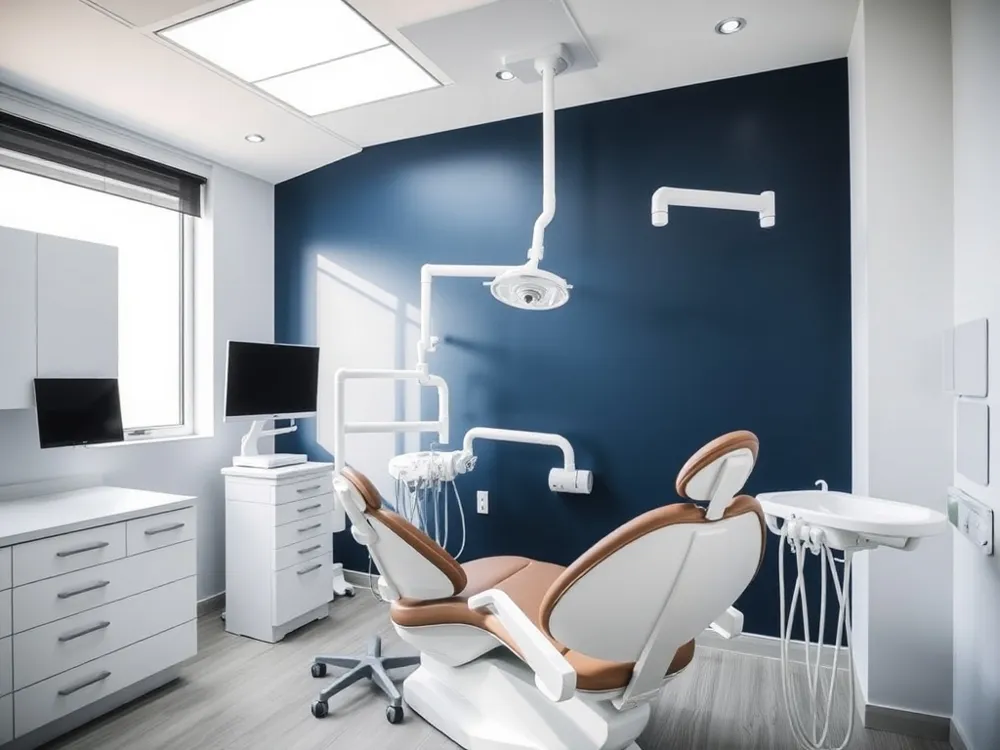
What is the step-by-step process of getting a dental implant?
The journey begins with a comprehensive consultation and digital imaging—X‑rays or a CBCT scan—to assess your jawbone’s health and plan the exact implant position. If a damaged tooth remains, it is carefully extracted. When jawbone density is insufficient, a bone graft is placed and allowed to heal for several months. Once the foundation is ready, a titanium implant post is surgically inserted into the jawbone under local anesthesia. A healing period of three to six months follows, during which osseointegration fuses the implant with the bone. After integration, an abutment is attached to connect the final restoration, and a custom‑made crown is fabricated from digital impressions and securely placed on the abutment.
How long does a dental implant procedure timeline take from start to finish?
The full timeline typically ranges from three to nine months, though it can extend up to a year or more if bone grafting or sinus lifts are needed. The initial consultation and any extractions take about one to two weeks. Bone grafting adds four to six months of healing before implant placement. The implant surgery itself is about one hour, followed by a four‑ to six‑month osseointegration period. After that, the abutment and crown placement require two to four weeks. Your dentist will monitor progress through follow‑up visits and X‑rays to ensure proper healing.
How can you tell if a dental implant is ready for restoration?
An implant is ready for restoration when it is clinically stable and fully integrated with the jawbone. Your dentist will check for firmness—no movement or mobility when pressure is applied. The site should be free of pain, swelling, or signs of infection. X‑rays will show new bone growing around the implant surface, creating a solid, continuous border. In some cases, a torque test is used to confirm the implant can withstand the forces of a crown without loosening. Once these criteria are met, the abutment and final restoration can be placed.
Managing Healing: Side Effects, Risks, and Aftercare
What Are Common Post‑Operative Side Effects?
Mild pain, swelling, bruising, and light bleeding are normal after implant surgery and usually improve within a few days. Temporary numbness or difficulty chewing and speaking can also occur but typically resolve as healing progresses. Serious complications like infection, nerve damage, or implant failure are rare—occurring in less than 5% of cases—but require prompt professional attention. If you experience fever, heavy bleeding, increasing pain after the first few days, pus, or persistent numbness, contact your dentist immediately.
Minor or Major Surgery? What Patients Wish They Had Known
Dental implant surgery is generally minor oral surgery performed as an outpatient procedure under local anesthesia. Single implants are minimally invasive, while full‑arch cases or procedures requiring bone grafting involve more extensive work. Most patients also wish they had known that the full process takes several months, but the result is designed to last decades. Bone density is key—tooth loss often leads to bone changes that may require grafting before placement. The upfront cost reflects long‑term value, often avoiding frequent repairs needed with bridges or dentures. Daily oral hygiene is simple but essential, and choosing an experienced provider helps ensure success.
Key Aftercare Instructions and When to Call Your Dentist
- Diet: Stick to soft foods (soups, eggs, yogurt) for the first few days. Avoid crunchy, spicy, acidic, tough, chewy, sticky foods, and hot liquids that can irritate the surgical site.
- Smoking & Hygiene: Avoid all smoke, vaping, and tobacco products for at least several weeks—smoking significantly slows healing and increases the risk of infection and implant failure. Brush gently with a soft‑bristled toothbrush after day four, use warm salt water rinses, and keep up regular brushing and flossing of other teeth.
- Activity: Rest with your head elevated for the first 24 hours and apply ice packs. Avoid heavy physical exertion for about a week.
- When to seek help: Call your dentist if you notice a loose implant, worsening pain after initial days, heavy bleeding, pus, swelling that does not subside, difficulty breathing or swallowing, or any signs of infection. Prompt treatment prevents complications and supports long‑term success.
Patient Insights: Frequently Asked Questions
What is the 3/2 rule (or rule of 3) in implant dentistry, and why is it important?
The 3/2 rule (or three-by-two rule) is a clinical safety guideline: at least 3 mm of bone should be present above an implant and 2 mm on the sides. This margin minimizes risk of peri‑implantitis, protects adjacent teeth and nerves, and ensures long‑term stability. Your dentist uses 3D imaging to verify these measurements before surgery.
How much does it cost to restore or repair an existing dental implant?
Restoration or repair costs depend on the issue. A loose crown may be tightened for $100–$300, replacing an abutment screw costs $250–$500, and a new crown runs $1,000–$3,000. Treating peri‑implantitis ranges from $500 to over $4,000. In rare cases requiring full implant replacement, costs approach $4,500. Your dentist can provide a precise estimate after examination.
How much do different types of dental implants cost?
Single‑tooth implants typically cost $3,000–$7,000 (post, abutment, crown). Implant‑supported bridges range from $5,000–$16,000. Full‑mouth solutions like All‑on‑4 or All‑on‑6 may cost $20,000–$50,000 or more. Additional procedures such as bone grafting or extractions increase the total. Choose value over lowest price; quality materials and skilled placement improve longevity.
Is dental implant surgery considered minor or major surgery?
Dental implant surgery is classified as minor oral surgery—an outpatient procedure under local anesthesia. Single implant placements are minimally invasive. Full‑arch cases or those requiring bone grafting involve more extensive surgery but still avoid full hospitalization. Staged over months, the process feels routine for most patients. Your dentist will explain what to expect based on your specific treatment plan.
When evaluating any option, consider lifespan, aftercare, and warranty rather than just the upfront fee. Long‑term value often outweighs initial cost savings.
Ensuring Long‑Term Success
Daily Oral‑Hygiene Routine for Implants
Caring for implants is similar to natural teeth: brush twice daily with a soft‑bristled toothbrush and floss daily. Use interdental brushes or a water flosser to clean around the abutment and under the restoration, where plaque can accumulate. Avoid abrasive toothpaste to protect the implant surface.
Regular Professional Cleanings and Check‑ups
Schedule dental visits every six months for professional cleanings and exams. Your dentist will check the implant's stability, assess the surrounding gum tissue, and remove any hard‑to‑reach plaque. These visits are essential for preventing peri‑implantitis and catching early signs of trouble.
Monitoring Bone Health and Peri‑Implant Tissue
Your dentist will take periodic radiographs to evaluate bone levels around the implant and ensure osseointegration remains solid. Healthy gum tissue free of inflammation is a key sign of long‑term success. If you notice redness, swelling, or bleeding around the implant, report it promptly.
Lifestyle Factors That Protect Implants
Avoid smoking and all nicotine products—they significantly increase the risk of implant failure by impairing healing and reducing blood flow. Limit alcohol consumption during early healing. If you grind your teeth, ask your dentist about a nightguard to protect the restoration from excessive force. Maintain a balanced diet to support overall oral health.