Why Oral Hygiene Matters for Heart Health
Maintaining good oral hygiene is more than a bright smile; it helps protect the heart. Research shows that chronic gum inflammation, known as periodontal disease, raises systemic inflammatory markers such as C‑reactive protein and can let bacteria like Porphyromonas gingivalis enter the bloodstream. These microbes and the resulting inflammation damage the inner lining of arteries, promote plaque formation, and increase the likelihood of clotting—all key steps in atherosclerosis and heart attacks. Simple habits—brushing twice daily, daily flossing, and regular dental cleanings—lower gum inflammation, reduce bacterial spill‑over, and consequently lessen cardiovascular risk. Thus, a oral‑care becomes a part of a lifestyle.
How Dental Plaque Influences Heart Disease
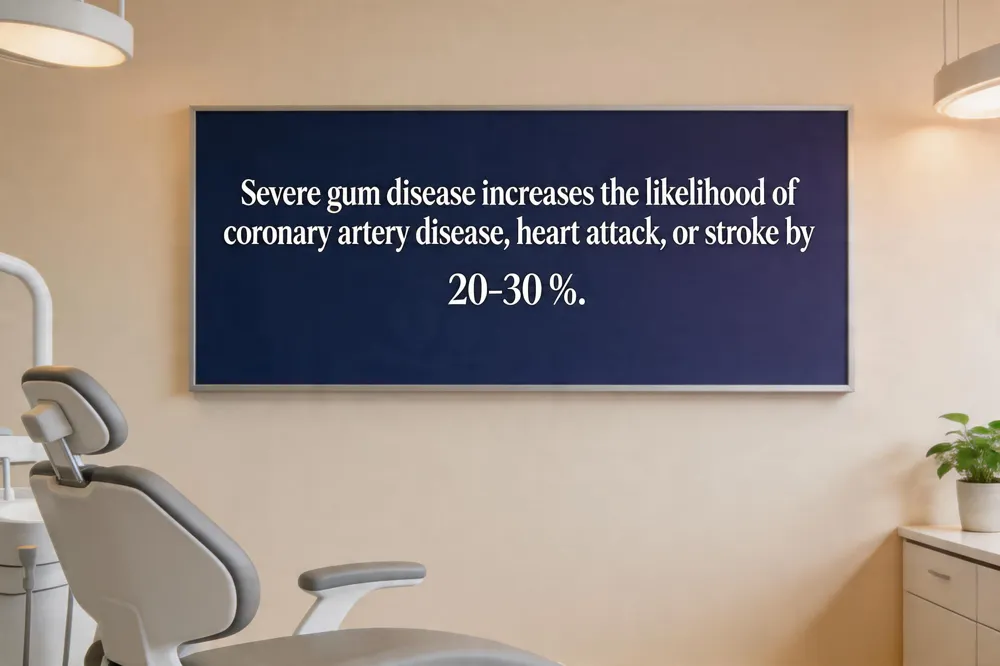 Clinical studies consistently show a 20‑30 % higher likelihood of coronary artery disease, heart attack, or stroke in people with severe gum disease. Intensive oral‑hygiene habits—brushing at least twice daily, daily flossing, and regular professional cleanings—lower plaque burden, reduce systemic inflammation, and are associated with modest improvements in blood pressure and lipid profiles.
Dental plaque and heart disease: Plaque‑induced gum inflammation can contribute to arterial plaque formation and atherosclerosis, raising cardiovascular risk. Maintaining good oral hygiene helps control plaque and supports heart health.
Dental heart attack: Untreated gum disease can increase heart‑attack risk by allowing bacteria to trigger systemic inflammation and clot formation; individuals with periodontitis are roughly 20‑30 % more likely to experience a heart attack.
Bad teeth and heart disease: Cavities, tooth loss, and gum disease allow oral bacteria to enter the bloodstream, elevating inflammatory markers and promoting atherosclerosis, which increases the risk of heart attacks and strokes.
Systemic Effects of Gum Disease: From Dementia to Palpitations
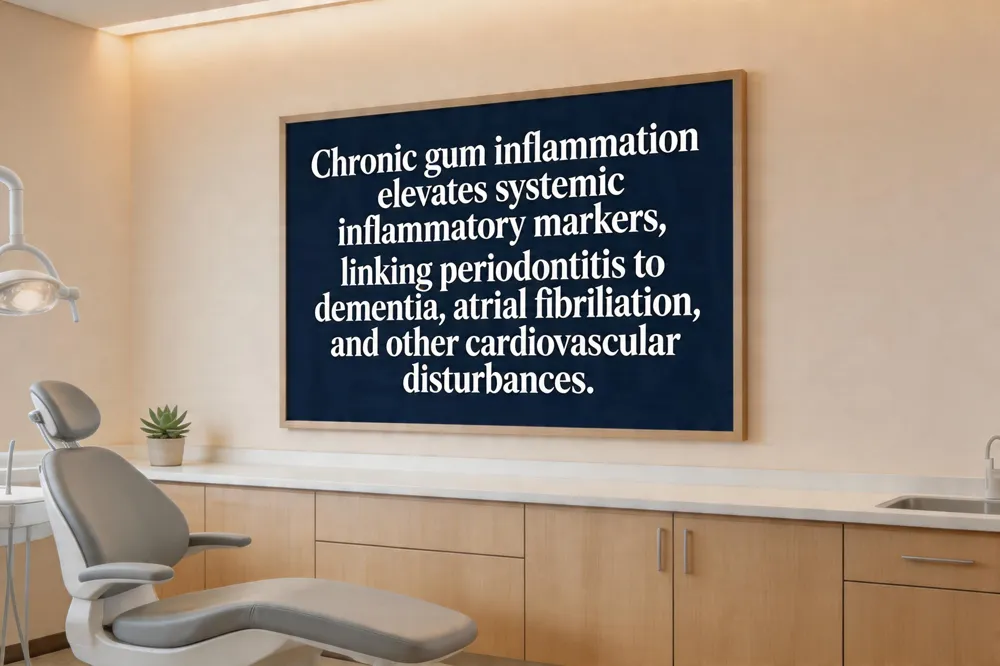 Chronically inflamed gums create a persistent inflammatory load that spills into the bloodstream. Elevated C‑reactive protein, interleukins and other cytokines are common in periodontitis and can damage blood‑vessel walls, setting the stage for atherosclerosis and heart rhythm disorders. Oral pathogens such as Porphyromonas gingivalis can travel from diseased gums to distant sites, even crossing the blood‑brain barrier. In the brain they may trigger amyloid‑β aggregation and neuroinflammation, a mechanistic link to Alzheimer’s disease and broader cognitive decline.
Link between gum disease and dementia – Large cohort studies show that adults with gum disease have a 20‑30 % higher odds of developing dementia; bacterial DNA and inflammatory markers are often found in cerebrospinal fluid of affected patients.
Gum disease and heart palpitations – The systemic inflammation from gum disease contributes to endothelial dysfunction and increases atrial fibrillation risk, which frequently presents as palpitations.
Can bad teeth cause heart palpitations? – Yes, indirectly. Infections from decayed teeth or gum disease release bacteria and inflammatory mediators that can promote cardiovascular disease and rhythm disturbances. Maintaining twice brushing, flossing and regular dental cleanings helps lower these risks and supports both brain and heart health.
Animal Evidence: Heart Risks in Pets and Humans
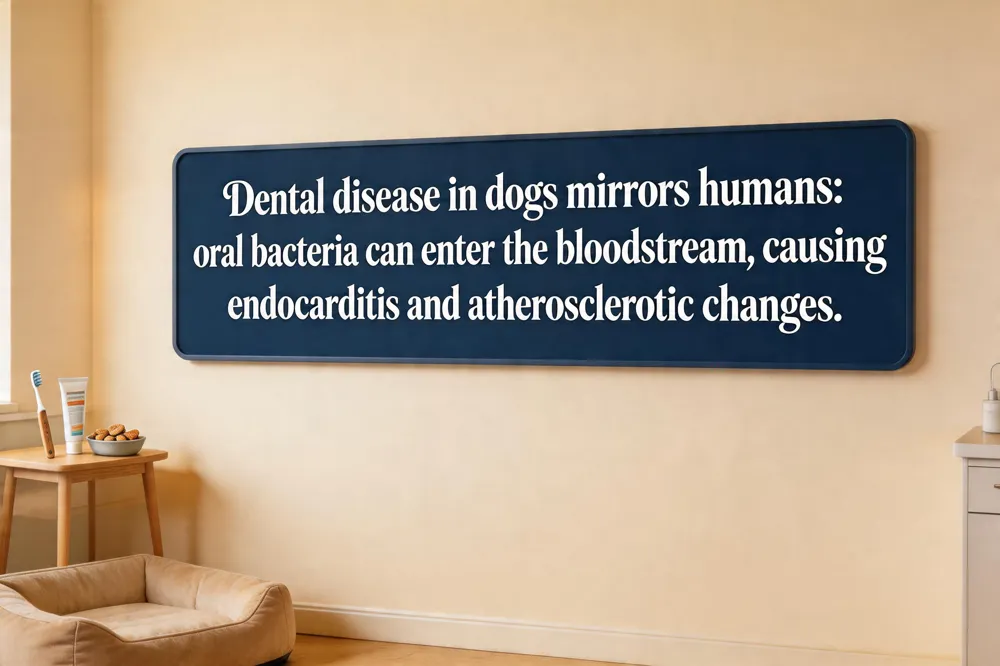 Dental disease in dogs mirrors what we see in people: chronic gum inflammation lets oral bacteria such as Porphyromonas gingivalis enter the bloodstream, where they can trigger systemic inflammation and even settle on heart valves. This bacterial translocation is a key driver of infective endocarditis, a serious infection of the valve tissue, and contributes to atherosclerotic changes that increase heart‑attack and stroke risk. Cross‑species research shows that the same inflammatory pathways—elevated C‑reactive protein, endothelial dysfunction, and platelet activation—link Periodontal disease to cardiovascular disease in both humans and dogs.
Can bad teeth cause heart problems in dogs? Yes. Periodontal disease in dogs raises the likelihood of endocarditis and other cardiac conditions; treating gum disease reduces bacterial load and systemic inflammation, protecting the heart.
Teeth and heart valve disease Untreated oral infections release bacteria that can colonize heart valves, while chronic mouth inflammation fuels vascular damage. Regular at‑home oral care and professional cleanings are essential preventive steps for both species.
Dental disease in dogs mirrors what we see in people: chronic gum inflammation lets oral bacteria such as Porphyromonas gingivalis enter the bloodstream, where they can trigger systemic inflammation and even settle on heart valves. This bacterial translocation is a key driver of infective endocarditis, a serious infection of the valve tissue, and contributes to atherosclerotic changes that increase heart‑attack and stroke risk. Cross‑species research shows that the same inflammatory pathways—elevated C‑reactive protein, endothelial dysfunction, and platelet activation—link Periodontal disease to cardiovascular disease in both humans and dogs.
Can bad teeth cause heart problems in dogs? Yes. Periodontal disease in dogs raises the likelihood of endocarditis and other cardiac conditions; treating gum disease reduces bacterial load and systemic inflammation, protecting the heart.
Teeth and heart valve disease Untreated oral infections release bacteria that can colonize heart valves, while chronic mouth inflammation fuels vascular damage. Regular at‑home oral care and professional cleanings are essential preventive steps for both species.
Practical Oral Hygiene Strategies for Cardiovascular Protection
 Dental health and heart disease PDF
Research consistently shows that gum inflammation raises systemic C‑reactive protein and can let bacteria such as P. gingivalis enter the bloodstream, increasing the risk of heart attacks, stroke, and infective endocarditis. Good oral hygiene—twice‑daily brushing, daily flossing, and regular dental visits—helps keep these risks low. The American Heart Association and many dental societies offer downloadable PDFs that explain the connection in detail; we can provide them at Southern Boulevard Dental.
Dental health and heart disease PDF
Research consistently shows that gum inflammation raises systemic C‑reactive protein and can let bacteria such as P. gingivalis enter the bloodstream, increasing the risk of heart attacks, stroke, and infective endocarditis. Good oral hygiene—twice‑daily brushing, daily flossing, and regular dental visits—helps keep these risks low. The American Heart Association and many dental societies offer downloadable PDFs that explain the connection in detail; we can provide them at Southern Boulevard Dental.
Periodontal disease and cardiovascular disease PPT Chronic periodontitis is a recognized cardiovascular risk factor. Elevated CRP, LDL oxidation, and detection of oral pathogens in atherosclerotic plaques link gum disease to coronary events and atrial fibrillation. Effective periodontal therapy (scaling, root planing, antiseptic rinses) reduces systemic inflammation and improves endothelial function, supporting heart health.
Periodontal disease and cardiovascular disease umbrella review Meta‑analyses show a modest 20‑30 % increase in cardiovascular events among those with severe gum disease, even after adjusting for smoking and diabetes. The review highlights systemic bacterial spread, chronic low‑grade inflammation, and endothelial dysfunction as key mechanisms.
How long does it take to fix poor oral hygiene? Visible improvement in gum health usually appears within 1–3 months of diligent brushing (≥2 times/day) and flossing; full stabilization often requires 3–6 months plus professional cleanings.
What happens if oral hygiene is not done? Neglect leads to plaque‑driven gingivitis, pocket formation, receding gums, periodontitis, and the downstream systemic inflammation that can heighten cardiovascular risk.
Understanding Early Warning Signs and the Role of the Dentist
 Oral health and heart health share common inflammatory pathways. Poor gum care can raise C‑reactive protein and promote atherosclerosis, while regular dental visits help keep systemic inflammation low.
What are three early warning signs your heart is failing? One of the first clues is shortness of breath during everyday activities or when lying flat at night. A second sign is persistent fatigue that doesn’t improve after a full night’s rest. A third red flag is swelling in the ankles, feet, or lower abdomen, often with rapid, unexplained weight gain as fluid accumulates.
Which tooth is connected to the heart? In holistic and meridian dentistry, wisdom teeth (third molars) are commonly linked to the cardiovascular system, reflecting central nervous system and heart health. Some practitioners also associate the lower canines with circulation. While scientific proof is limited, these associations encourage prompt treatment of gum inflammation, which broader research ties to heart disease.
Can I reverse years of bad dental hygiene? Yes. A thorough professional cleaning removes plaque and tartar, treats early gum disease, and identifies cavities before they worsen. At home, brush twice daily with fluoride toothpaste, floss, and consider an antimicrobial mouthwash. Coupled with a low‑sugar diet, smoking cessation, and regular dental check‑ups, many effects of neglect can be improved, reducing future cardiovascular risk.
Take the First Step Toward a Healthier Heart and Smile
Research shows a clear connection between gum health and heart health. Inflammation and bacteria from untreated periodontal disease can enter the bloodstream, raising C‑reactive protein and damaging blood‑vessel walls, which contributes to atherosclerosis, blood pressure, and stroke. Brushing at least twice a day, flossing, and professional cleanings dramatically lower this systemic inflammation and have been linked to improvements in blood pressure, cholesterol and overall cardiovascular risk. By staying on top of oral hygiene you protect your smile and your heart. Schedule an exam today at Southern Boulevard Dental and take the first step toward a healthier heart and brighter smile.