Introduction to Digital Scanning in Dentistry
Overview of digital scanning technology
Digital scanning in dentistry uses sophisticated intraoral and extraoral scanners to capture highly detailed, three-dimensional (3D) images of a patient's teeth and surrounding oral structures. These handheld devices replace traditional impression methods with a precise and quick digital imaging process.
Importance in modern dental procedures
This technology plays a pivotal role in restorative and orthodontic treatments, including crowns, bridges, implants, and clear aligners. By generating accurate digital impressions that are precise down to a fraction of a millimeter, digital scanning facilitates improved treatment planning and execution, resulting in better fitting dental restorations.
Patient-centered approach and comfort
Patients benefit from a more comfortable experience as digital scanning eliminates the need for messy impression materials and uncomfortable trays. The scanning process is painless, noninvasive, and typically quicker, which reduces anxiety and improves overall satisfaction.
Efficiency and accuracy improvements
Digital scanning streamlines dental workflows by lowering treatment times and minimizing errors. Digital files can be securely stored and easily shared with dental laboratories, allowing for seamless collaboration and faster turnaround of appliances. This results in fewer visits for patients and enhanced efficiency for dental practices.
Historical Evolution of Dental Technology Leading to Digital Scanning
What is the history of dental technology?
Dental technology has evolved over thousands of years, beginning with ancient civilizations that used natural materials such as seashells, ivory, and animal bones for early dental implants. During the Middle Ages, barber-surgeons played a key role in early dental practices, combining grooming with surgical procedures. Significant milestones include the introduction of anesthesia in the 19th century, which made dental treatments pain-free and more accessible.
The development of restorative materials advanced dentistry further—amalgam, introduced in the 1800s, provided durable fillings, while vulcanized rubber replaced earlier denture materials, improving comfort and longevity. Innovations such as the dental drill enhanced precision and efficiency.
The 20th century saw breakthroughs like fluoride use for cavity prevention and the invention of modern dental implants, which provided reliable tooth replacement options. The transition into the digital era brought about tremendous change with the advent of CAD/CAM systems, digital X-rays, and intraoral scanners. These tools dramatically improved diagnostic accuracy and treatment efficiency.
Today, digital dentistry integrates 3D imaging, computer-aided design, and manufacturing technologies, allowing single-visit restorations and minimally invasive procedures. This transformation offers enhanced patient comfort, reduced clinical errors, and faster treatment delivery, shaping modern dental care into a more precise and patient-centered practice.
Advantages and Functionalities of Digital Intraoral Scanners
How does a digital intraoral scanner work in dentistry?
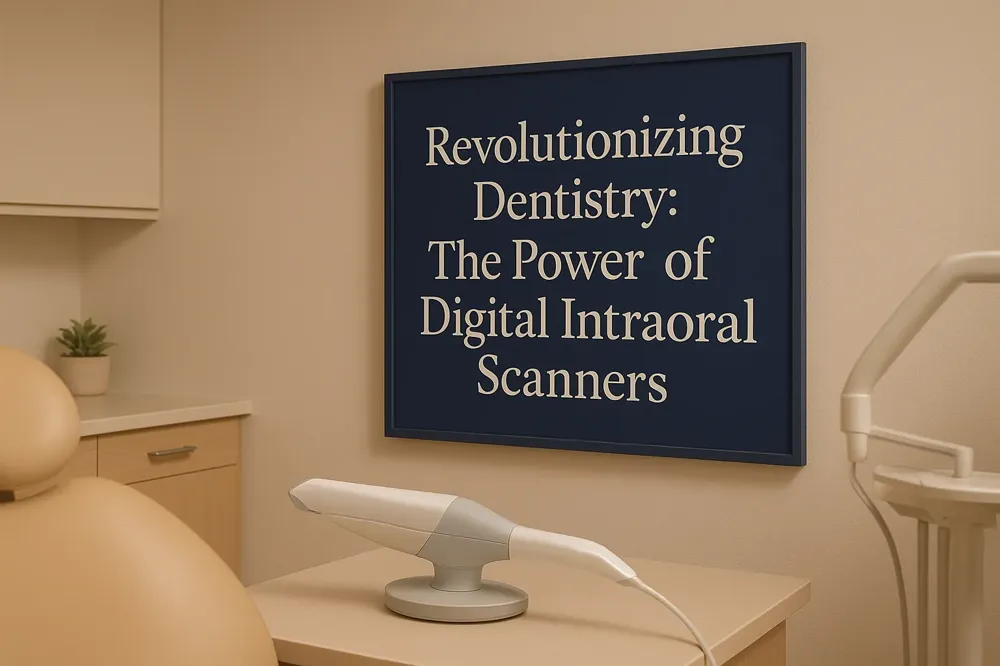
A digital intraoral scanner is a handheld device that captures highly detailed 3D images of the inside of a patient's mouth. It projects a safe light source, often using optical technologies like confocal microscopy, onto teeth and gums. The scanner then captures the reflected light patterns to generate precise digital impressions. These images are instantly viewable on a computer screen, allowing dentists to assess dental structures accurately and efficiently. By eliminating the need for conventional messy putty-based molds, Intraoral scanners improve patient comfort significantly. The digital data integrates smoothly with CAD/CAM systems to facilitate quick and accurate fabrication of restorations such as crowns, bridges, and aligners.
What are the types of intraoral scanners used in dentistry?
Intraoral scanners in dentistry generally fall into two categories: wand-type portable devices and fixed chairside systems. Leading brands like CEREC, iTero, and TRIOS utilize advanced optical technologies to capture thousands of images that software stitches into comprehensive 3D models. These devices vary in features such as scanning speed, software user interface, and compatibility with other digital workflows. The selection depends on the practice’s needs, emphasizing usability, accuracy, and seamless integration with digital dental labs as described in DS Core platform.
What are the advantages of using digital scanners in dentistry?
Digital intraoral scanners afford numerous benefits over traditional impressions:
- Enhanced Accuracy: Capture details with precision down to fractions of a millimeter, reducing errors and improving restoration fit. This is highlighted in Benefits of Digital Dentistry.
- Improved Patient Comfort: Avoids discomfort and gag reflexes associated with impression trays and materials, improving patient experience as explained in Advantages of Intraoral Scanners.
- Faster Procedures: Scanning is quick, often completed in minutes, speeding up diagnosis and treatment planning, which boosts Efficiency through digital dentistry.
- Streamlined Workflow: Digital files are easily stored, retrieved, and shared electronically, enabling better communication among dental teams and labs, a key factor in Implementing digital workflows.
- Reduced Environmental Impact: Eliminates impression materials and chemical usage tied to traditional methods, promoting Environmentally sustainable dental practices.
How do digital scanners improve patient comfort and clinical precision?
By replacing traditional impression techniques, digital scanning drastically reduces patient discomfort and anxiety. The noninvasive, painless procedure requires minimal preparation and offers real-time visualization, helping patients understand their dental condition. Clinically, the high resolution of digital scans ensures better-fitting restorations and meticulous treatment planning. This precision allows dentists to avoid multiple adjustments and ensures higher success rates for restorative, orthodontic, and implant treatments, as highlighted in Digital scanning in dentistry. Patients also benefit from Patient comfort with digital impressions.
How do intraoral scanners integrate into dental workflows and support data sharing?
Digital intraoral scanners fit seamlessly into modern dental workflows by linking with CAD/CAM technology and digital imaging systems. The digital impression files can be securely stored on cloud-based platforms and shared instantly with dental laboratories for rapid fabrication of prosthetics. This connectivity enhances collaboration, reduces turnaround times, and facilitates patient case tracking. Digital records also improve practice management by integrating with electronic health records, promoting efficiency and elevating overall patient care quality, as described in Digital dentistry resources. The integration supports streamlined Dental provider communication tools and improves Digital dental treatment planning.
Impact of Digital Imaging and Scanning on Dental Care Quality and Efficiency
Why is digital imaging often preferred over traditional imaging methods in dental practices?
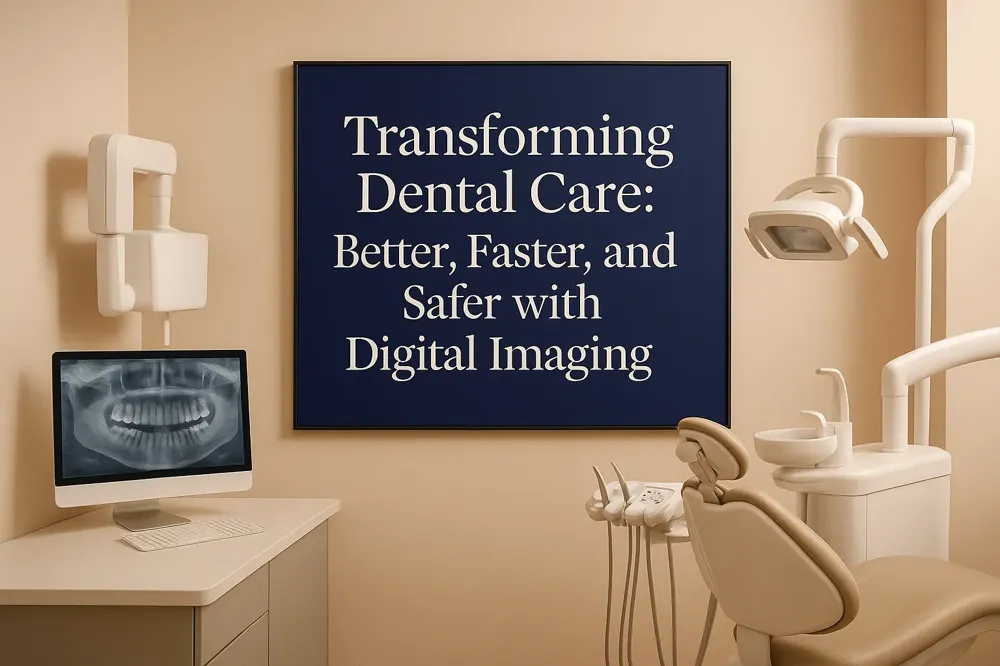
Digital imaging in dentistry technologies such as cone beam computed tomography (CBCT) and digital X-rays have transformed dental diagnostics. These advanced tools provide highly detailed and precise images instantly, allowing dentists to make faster and more accurate diagnoses. Unlike traditional film X-rays, digital imaging reduces radiation exposure by up to 90%, making it a safer choice for patients.
Additionally, digital imaging in dentistry is environmentally friendly since it eliminates the need for chemical processing associated with traditional methods. Intraoral cameras and CAD/CAM systems complement digital imaging by enhancing patient engagement and enabling procedures like same-day dental crowns with superior fit and aesthetics. These innovations lead to shorter dental appointments and improved treatment experiences.
What are the benefits of digital dentistry?
Benefits of digital dentistry offer several advantages that improve both clinical outcomes and patient comfort. Intraoral scanners capture exact digital scanning in dentistry impressions quickly and painlessly, eliminating the discomfort caused by traditional molds. This high precision increases the accuracy of restorations, such as crowns, bridges, and aligners.
The integration of digital workflows allows many dental treatments to be completed in fewer visits, often in a single session, which reduces chair time and patient inconvenience. Digital scans facilitate seamless collaboration with dental laboratories, ensuring customized, better-fitting prosthetics and appliances.
Moreover, digital imaging and scanning improve treatment planning and early diagnosis, helping practitioners detect issues like cavities and structural problems before they progress. The digital data also enhances communication between dental professionals and patients, promoting informed decisions and higher satisfaction.
In summary, the use of digital scanning in dental care technologies elevates dental care quality by enhancing diagnostic accuracy, reducing radiation risks, shortening treatment times, and boosting patient comfort and engagement.
Digital Models and the Role of Digital Dental Labs in Treatment Precision
What are the advantages of using digital models in dentistry?
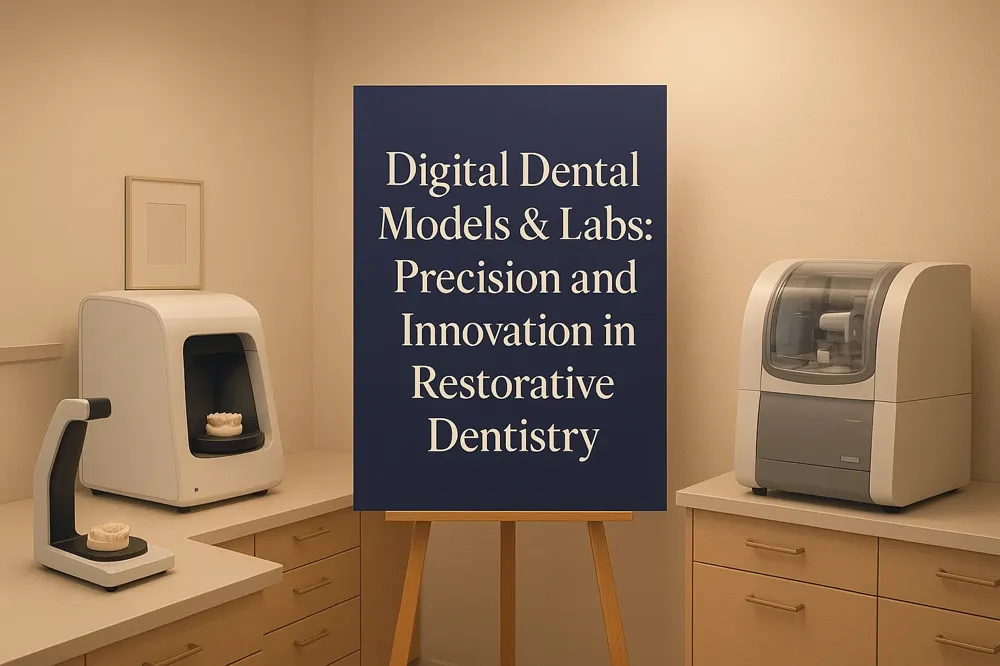
Digital models created through intraoral scanners provide highly accurate, three-dimensional representations of a patient's teeth and oral structures. This technology eliminates the discomfort associated with traditional impression materials, offering a quicker and more comfortable experience for patients. The precision of digital impressions reduces errors and ensures better fitting restorations, such as crowns, bridges, and implants, which leads to improved clinical outcomes.
Digital models enhance collaboration by allowing seamless sharing of detailed images between dental professionals and laboratories. This efficient data exchange accelerates treatment planning and shortens restoration turnaround times. Moreover, digital models support better visualization and patient understanding, fostering trust and engagement during dental consultations (Digital visualization for patient education).
What is a digital dental lab?
A digital dental lab is a modern facility that uses advanced computer-aided design and manufacturing (CAD/CAM) technologies alongside 3D printing and milling machines to create dental restorations. Unlike traditional labs that rely on manual techniques, digital labs produce highly customized restorations with exceptional accuracy and fit. This approach streamlines workflows and enhances communication between dentists and lab technicians.
How do digital dental labs improve treatment outcomes?
Digital dental labs enable the faster production of restorations such as crowns, bridges, veneers, and dentures. Utilizing precise digital data minimizes the need for multiple patient visits and adjustments. The high level of customization ensures restorations match the patient's anatomy and aesthetics, ultimately increasing patient satisfaction.
The use of digital workflows in both the dental office and lab enhances efficiency by reducing manual tasks, minimizing errors, and simplifying record-keeping. This integration allows dental practices to offer same-day procedures (Same-day dental crowns, increasing convenience for patients while setting practices apart in a competitive market (Staying competitive with dental technology.
In summary, digital models combined with digital dental labs revolutionize dental care by enhancing accuracy, speeding restoration production, improving patient comfort, and streamlining clinical workflows (Efficiency through digital dentistry.
Future Trends and Adoption Patterns in Digital Scanning and Dentistry
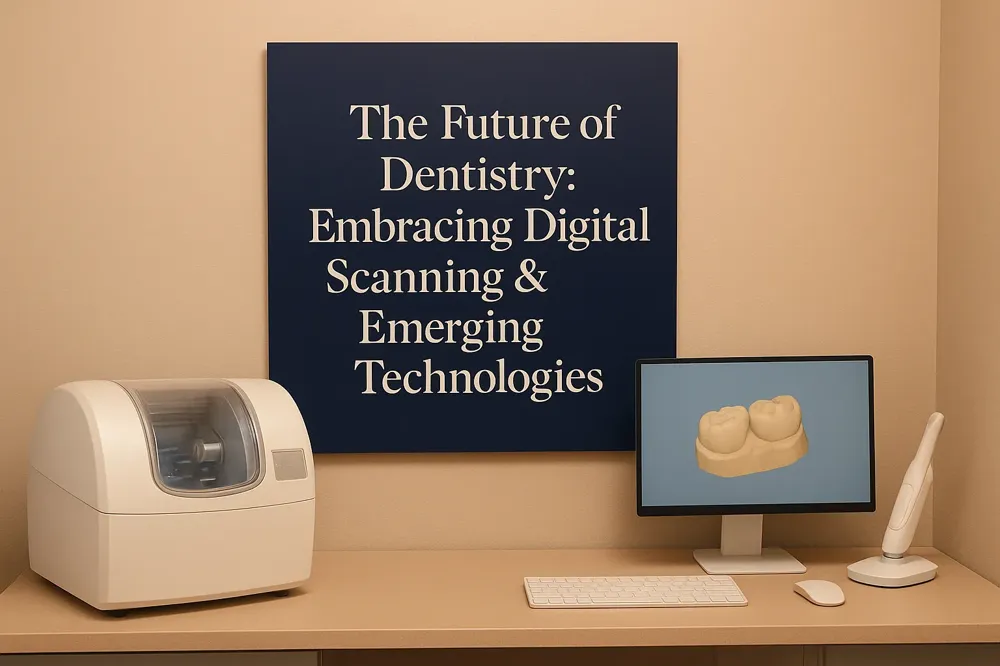
What percentage of dentists currently use intraoral scanners, and what is the trend?
Approximately 40% to 50% of dental offices in the United States currently utilize digital intraoral scanners, a figure that is steadily climbing. This rising adoption reflects the many benefits intraoral scanning provides, such as heightened precision, enhanced patient comfort by eliminating messy traditional impressions, and streamlined workflows for crafting dental restorations like crowns and veneers. Despite initial challenges including the investment cost and training requirements, dental professionals are increasingly embracing this technology.
Integration with AI and Emerging Technologies
Digital scanning is progressively integrating with artificial intelligence (AI) and other innovative technologies. AI supports automated analysis of digital images, improving early diagnosis of issues like cavities and aiding in treatment planning. Future possibilities include augmented reality (AR) to visualize procedures and virtual reality (VR) for training, which collectively promise to elevate diagnostic accuracy and patient engagement.
Training and Gradual Implementation Strategies
Successful integration of digital scanners often involves systematic, step-by-step training and adoption. Dental teams frequently attend industry events, workshops, and utilize digital platforms to stay updated and proficient. Such gradual methods minimize disruption, improve comfort with new workflows, and ensure consistent care quality as practices transition from traditional to digital methods. For example, training for digital dental tools plays a crucial role in this process.
Sustainability and Patient-Centered Care Benefits
Digital scanning contributes to environmental sustainability by reducing waste from impression materials and decreasing the use of chemicals typically needed for traditional molds. Moreover, patient-centered advantages include shorter appointment times, less invasive procedures, and improved communication through real-time visualization of digital models, which enhances understanding and trust in treatment plans.
Anticipated Innovations in Workflow and Diagnostics
The future of digital dentistry includes advancements such as cloud-based platforms for seamless data sharing between dental offices and laboratories, faster and more precise scanning even in complex cases, and incorporation of 3D printing to produce customized restorations efficiently. Combined with AI-driven diagnostics, these trends will further decrease treatment durations, improve outcomes, and expand access to high-quality dental care.