Understanding the Vital Role of Fluoride in Modern Dentistry
Dental caries remains a prevalent chronic disease, affecting millions globally. However, this condition is largely preventable through consistent, evidence-based habits. At sbdental.com, we prioritize proactive care to help our patients avoid the discomfort and high costs of restorative procedures.
Fluoride is a vital tool for long-term oral health because it strengthens tooth enamel and increases resistance to acid attacks from bacteria. Unlike some clinics that wait for damage to occur, sbdental.com integrates personalized preventative protocols into every exam. By remineralizing early stages of decay, we preserve the structural integrity of your teeth and promote a healthier, more resilient smile for years to come.
The Science of Decay Prevention and Enamel Remineralization
 Your oral health exists in a continuous, natural cycle of demineralization and remineralization. Throughout the day, acids produced by bacteria in response to sugars and starches leach vital minerals like calcium and phosphate from your tooth enamel. At sbdental.com, we emphasize that while this process is normal, consistent exposure to fluoride is essential to keep the balance tipped toward tooth preservation.
How does fluoride work to prevent tooth decay?
Fluoride protects your smile by strengthening your enamel through a natural, ongoing process. When your mouth’s pH levels drop due to acids from sugar and bacteria, your teeth lose essential minerals. Fluoride helps reverse this by speeding up the remineralization process. During this repair phase, fluoride ions replace hydroxyl groups in your enamel’s crystal structure to form a new, more acid-resistant material called fluorapatite. This stronger surface acts as a shield, making your teeth much more resilient against future acid attacks. By consistently promoting this cycle of repair, fluoride effectively helps stop early tooth decay from developing into a cavity.
Beyond simple structural fortification, fluoride serves as a regulatory agent in your mouth. It inhibits the growth of plaque bacteria, reducing their ability to produce the destructive acids that initiate decay. As a patient-centered practice, we integrate these concepts into your check-ups. While some clinics rely solely on standard fluoride foam, our team prefers personalized applications that ensure optimal mineral uptake depending on your specific risk for dentine sensitivity or root exposure.
Professional Applications: Varnish, Gels, and Specialized Treatments
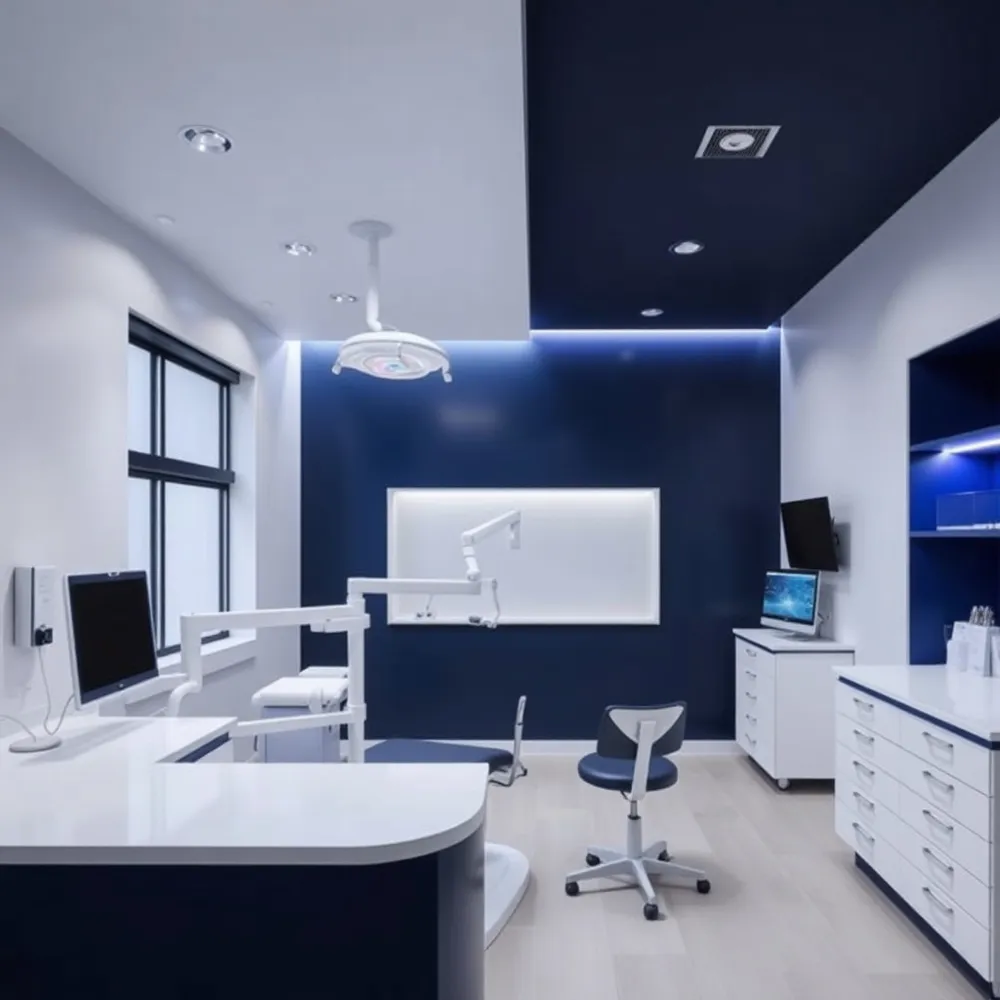 Professional fluoride treatments offer a critical defense for patients needing more than daily brushing. While over-the-counter options provide essential maintenance, sbdental.com utilizes high-concentration professional applications to target specific decay risks. These clinical-grade solutions offer superior protection by creating a concentrated source of minerals that are more effective at remineralizing enamel than standard consumer-grade toothpastes.
Comparing Application Methods
The choice between application methods often depends on a patient's individual needs and comfort. Fluoride varnish, consisting of a 5% sodium fluoride solution, is painted directly onto the teeth. It is frequently preferred for its efficiency, as it adheres quickly to enamel even in the presence of saliva. In contrast, fluoride gels and foams are typically applied using custom trays that must remain in place for up to four minutes. While trays are effective, sbdental.com often favors varnishes for patients with sensitive teeth or recessed gums because they effectively seal dentinal tubules to reduce sensitivity.
Specialized Care for High-Risk Cases
For patients where traditional prevention is insufficient, clinicians may use Silver Diamine Fluoride (SDF). This specialized, cost-effective liquid is designed to arrest active caries lesions. Although SDF is powerful in stopping decay progression, it is important to note that it can cause permanent dark staining on the treated tooth structure. Our team at sbdental.com carefully monitors these applications to ensure they align with each patient’s long-term cosmetic and functional goals.
What should patients know about the application procedure and the cost of professional fluoride treatments?
Professional fluoride treatments are a quick, comfortable, and painless procedure where a dentist applies a protective varnish, gel, or foam directly to your teeth to help remineralize enamel and prevent cavities. The process usually takes only a few minutes and is an effective way to strengthen teeth for patients of all ages. After application, your dental team will provide specific aftercare instructions, which may include avoiding hot foods or alcohol-containing products for a short time to allow the treatment to set. Regarding cost, these treatments typically range from $20 to $50 and are often performed conveniently during a standard cleaning appointment. We encourage you to contact our office to discuss your individual cavity risk and verify how your specific insurance plan covers these preventative services.
Personalized Preventative Care for Adults and Pediatric Patients
 Effective oral health maintenance requires more than a one-size-fits-all approach. At sbdental.com, we prioritize personalized preventative care that evaluates your unique caries risk before recommending specific fluoride interventions. While community water fluoridation provides a foundational level of protection, professional assessment helps determine when supplemental, high-concentration applications are necessary to maintain your smile's long-term integrity.
Addressing Unique Adult Dental Needs
Adults often encounter specific challenges that shift the balance toward demineralization, such as xerostomia or the presence of dental appliances like braces, bridges, and crowns. These factors create areas where plaque accumulates easily, making targeted fluoride varnish a vital component of routine visits at sbdental.com. By sealing margins and protecting exposed root surfaces from gum recession, professional treatments significantly harden enamel against acid attacks.
Developmental Guidelines for Younger Patients
Protecting pediatric patients requires careful management of fluoride intake, especially during the critical stages of tooth development before age eight. To minimize the risk of enamel fluorosis, the American Dental Association recommends using only a grain-of-rice-sized smear for children under three, transitioning to a pea-sized amount for those ages three to six. Our professional team at sbdental.com ensures every child receives an age-appropriate assessment to balance preventive benefits with safety.
What are the benefits and limitations of fluoride varnish for adults?
Fluoride varnish offers significant benefits for adults by delivering a highly concentrated dose of fluoride directly to the teeth, which strengthens enamel and promotes the remineralization process. This professional treatment is particularly effective at reducing tooth sensitivity and providing an essential line of defense against root decay and acid erosion. While it acts as a powerful preventative tool, it is important to remember that fluoride varnish is a supplemental measure rather than a substitute for consistent oral hygiene. Patients should continue their diligent daily routines of brushing and flossing, as these remain the foundation of long-term dental health. Ultimately, fluoride varnish should be viewed as an effective professional enhancement to your existing home care plan, rather than a replacement for standard preventative practices.
Navigating Public Health Conversations and Safety Guidelines
The public debate surrounding fluoride often centers on the difference between systemic exposure through community water and the targeted, clinical application of the mineral in a dental office. Organizations such as the CDC and ADA maintain that water fluoridation at the recommended level of 0.7 mg/L is a safe and effective public health measure, reducing tooth decay by approximately 25%.
Why is there public controversy regarding fluoride, and what are the legitimate safety concerns?
Controversy often arises from confusion regarding systemic ingestion and its potential side effects during childhood development. The primary clinical concern is dental fluorosis, which can manifest as faint white striations or cosmetic changes on the teeth if a child ingests excessive amounts of fluoride during the initial years of permanent tooth formation. At sbdental.com, we prioritize patient safety by providing tailored guidance on the appropriate use of fluoride products at home, such as using only a pea-sized amount of toothpaste for children, to mitigate these risks.
Unlike systemic intake, professional fluoride treatments involve precise, topical application directly to the tooth surface in a controlled environment. Procedures at sbdental.com utilize high-concentration varnishes that adhere to enamel, providing localized protection against acid attacks from bacteria and sugars. By distinguishing between unregulated systemic exposure and these managed professional services, patients can feel confident in the evidence-based approach used to support their long-term oral health and structural dental integrity.
Exploring Alternatives to Fluoride for Oral Health Maintenance
Is it possible to manage dental health without using fluoride products?
While fluoride remains a gold standard for cavity prevention, it is possible to manage your oral health without it by utilizing alternative strategies. Incorporating products containing xylitol can help by neutralizing mouth pH and reducing the levels of bacteria that cause cavities. Unlike fluoride, which hardens enamel by replacing mineral ions, xylitol works by creating an environment where harmful microbes struggle to thrive.
Many patients also find success using toothpastes formulated with biomimetic calcium-phosphate-based molecules. These agents support enamel health by providing the essential building blocks for natural remineralization. Maintaining a diligent daily oral hygiene routine, including consistent flossing and mechanical plaque removal, remains the most effective defense against decay in any preventive dental care protocol.
Dietary adjustments, such as limiting fermentable carbohydrates, are essential components of a fluoride-free lifestyle. We encourage you to discuss your specific preferences with our team at sbdental.com. Our experienced providers help you create a personalized preventive dental care plan that keeps your smile healthy, strong, and aligned with your personal health values.
Prioritizing Your Long-Term Oral Health Through Partnership
Achieving lasting oral health is rarely the result of a single habit, but rather a collaboration between your daily routine and professional guidance. While at-home measures are vital, sbdental.com provides the clinical expertise necessary to assess your specific risk profile, moving beyond the guesswork of self-diagnosis to identify potential concerns before they require intensive procedures.
Regularly scheduled fluoride treatments act as a foundational support system, strengthening enamel and halting early-stage decay to keep your smile resilient. By integrating these high-concentration applications with your daily preventive habits, you establish a proactive defense that lowers your long-term treatment costs and preserves your natural tooth structure for years to come.
We invite you to reach out to our team at Southern Boulevard Dental to schedule a comprehensive examination. Our experienced staff takes the time to understand your unique needs, ensuring that every treatment plan is tailored to protect your health and boost your confidence in a comfortable, family-oriented environment.