Understanding the Journey: Dental Implant Healing from Start to Finish
Understanding the Journey: Dental Implant Healing from Start to Finish
Healing after dental implant surgery is a multi-stage process that involves both soft-tissue recovery and bone integration. When a biocompatible titanium post is surgically placed into the jawbone, your body immediately initiates a natural biological response designed to secure the new artificial root. The visible gum tissue begins repairing itself within days, while specialized bone cells slowly migrate to the implant surface. Our practice emphasizes that this dual-layer healing approach requires careful monitoring and consistent patient cooperation. By following a structured recovery protocol, you provide optimal conditions for cellular growth and long-term prosthetic stability. Our experienced team guides you through each phase, ensuring comfort and minimizing anxiety throughout the entire adjustment period.
The overall timeline typically spans from 3 to 6 months, but individual factors can adjust the pace. Most patients experience a smooth recovery that aligns with this standard healing window, though your unique biology naturally modifies how quickly osseointegration progresses. Dense, healthy jawbone tissue generally accelerates the fusion process, while patients who have undergone bone grafting or manage conditions like diabetes may require additional weeks of monitored healing. Age, nutritional status, and adherence to aftercare instructions also significantly influence recovery speed. During your initial consultation, we evaluate these variables to establish realistic milestones and create a personalized schedule that prioritizes your safety and comfort. This transparent approach eliminates uncertainty and helps you plan your daily responsibilities with confidence.
This guide breaks down each stage, from the first 24 hours to full osseointegration, so you know what to expect. Navigating post-procedure care becomes much simpler when you understand the specific biological goals of each recovery phase. The initial days focus strictly on clot stabilization and swelling management, followed by a gradual transition to gentle tissue repair and dietary adjustments. As weeks pass, the clinical emphasis shifts toward protecting the developing bone-to-implant interface while maintaining meticulous oral hygiene. We have structured this timeline to help you track your progress, recognize normal healing indicators, and follow our clinical recommendations accurately. Clear communication and routine check-ups ensure we can address minor concerns before they impact your overall treatment success.
Immediate Post-Operative Care During the First 48 Hours
Right after your implant placement, local anesthesia and mild sedation keep you completely comfortable while a dental professional secures a sterile gauze pad over the surgical site. When the numbing medication gradually wears off, you may notice mild bleeding, localized swelling, and manageable discomfort. Our recommended first steps include applying cold compresses to the exterior cheek for twenty minutes on and twenty minutes off, keeping your head elevated with extra pillows, and taking prescribed or approved pain relievers before the anesthesia fully dissipates. Staying well-hydrated and resting quietly supports your immune system as it begins the initial cellular repair phase. Avoiding vigorous movement prevents unnecessary pressure on the healing tissues.
Dietary Adjustments and Activity Restraints During Initial Recovery
Your eating habits and daily movement require careful attention during the first forty-eight hours to protect the forming blood clot and surrounding soft tissue. We strongly advise sticking to cool, soft foods such as plain yogurt, applesauce, mashed potatoes, and nutritional shakes consumed with a spoon rather than a straw. The suction created by drinking through a tube can easily dislodge the clot, which may delay healing or cause localized complications. Light household walking is acceptable, but you should absolutely avoid heavy lifting, vigorous exercise, or any activity that raises your heart rate significantly above baseline. These simple precautions create a stable environment for early tissue closure and reduce unnecessary inflammation.
Early Tissue Repair Navigating Days 3 to 14
By the third day, swelling and bruising typically reach their maximum intensity before steadily declining throughout the following week. Discomfort generally lessens substantially, allowing most patients to resume routine desk work and light daily activities. We recommend introducing warm saltwater rinses three to four times daily, carefully swishing without vigorous spitting to keep the area clean without disturbing early tissue formation. You may continue brushing your remaining teeth gently with a soft-bristled brush, but we advise avoiding direct contact with the surgical site until your dentist confirms it is safe. Regular follow-up appointments allow us to remove non-dissolvable sutures and verify that gum color is returning to healthy pink tones.
Diet Progression and Follow-Up Assessments in the Second Week
As your gum tissue stabilizes, you can gradually incorporate slightly firmer soft foods like scrambled eggs, oatmeal, steamed vegetables, and flaky fish into your daily meals. The primary goal is to introduce mild chewing pressure away from the implant location while maintaining thorough nutritional intake to support cellular repair and collagen synthesis. Around the fourteenth day mark, we usually schedule a comprehensive follow-up evaluation to assess gum margins, check for early signs of irritation, and confirm that the soft-tissue seal is progressing correctly. Transparent communication about your symptoms ensures we can address any minor concerns before they develop into preventable complications, keeping your recovery on track.
The Critical Osseointegration Window Weeks 3 to 12
The period spanning three weeks to three months represents the most vital biological phase of your recovery, known clinically as osseointegration. During this invisible but essential window, specialized bone cells migrate directly to the titanium surface, forming a rigid structural bond that will eventually bear normal chewing forces. You will likely feel minimal to no pain during this stage, but protecting the implant from excessive mechanical stress remains a clinical priority. We often recommend continuing calcium-rich and vitamin D-fortified foods, as these nutrients actively support the mineralization process occurring beneath the gumline. Routine imaging allows our team to verify bone density gains and confirm implant stability before proceeding to the next phase.
Managing Variables That Influence Individual Healing Speeds
Several predictable factors naturally modify the standard recovery trajectory, and acknowledging them helps us tailor your clinical care effectively. Smoking and tobacco use introduce nicotine that constricts blood vessels, significantly slowing oxygen delivery and increasing infection risks, which is why we provide dedicated cessation resources and schedule additional hygiene checks. Well-managed systemic conditions, good nutritional status, and consistent oral hygiene routines consistently correlate with faster bone attachment and fewer post-operative complications. Age also plays a measurable role, as mature patients may experience slightly prolonged soft-tissue maturation, yet modern implant protocols have demonstrated excellent long-term success across all demographic groups.
Recognizing Normal Healing Versus Warning Signs
Distinguishing between expected post-surgical symptoms and indicators of potential issues is essential for maintaining recovery momentum and preventing complications. Mild pink-tinged saliva, gradual swelling reduction, and occasional dull throbbing are completely normal during the first fortnight and typically resolve with over-the-counter soothing methods. However, you should contact our office immediately if you experience a fever exceeding 101 degrees Fahrenheit, heavy bleeding that soaks gauze continuously, worsening pain after day three, or any noticeable mobility of the implant post. These red flags are rare, but prompt professional evaluation prevents minor irritation from escalating into more complex periodontal or bacterial conditions that could threaten the implant foundation.
Recovery Milestones and Clinical Guidelines
| Recovery Phase | Primary Biological Focus | Recommended Patient Actions |
|---|---|---|
| Hours 0–48 | Clot stabilization | Apply cold compress, rest, elevate head |
| Days 3–14 | Gum tissue closure | Begin saltwater rinses, avoid direct brushing |
| Weeks 3–12 | Early bone cell attachment | Expand to semi-soft diet, avoid heavy lifting |
| Months 3–6 | Final osseointegration | Monitor stability via imaging, prepare for crown |
Individual Health Variables and Treatment Adjustments
| Health Factor | Impact on Healing Duration | Clinical Management Strategy |
|---|---|---|
| Bone Density | Low density slows fusion rates | Utilize guided imaging and assess grafting needs |
| Smoking Status | Delays blood flow significantly | Provide cessation support and schedule frequent checks |
| Systemic Conditions | Diabetes or autoimmune issues prolong recovery | Coordinate with physicians and adjust antibiotic protocols |
| Oral Hygiene | Plaque accumulation increases infection risk | Instruct on soft-bristle techniques and interdental cleaning |
Maintaining Long-Term Implant Success
Achieving a fully functional replacement tooth requires consistent care that extends well beyond the initial six-month healing window. Daily brushing with a soft-bristled brush, careful flossing around the implant margins, and regular professional cleanings preserve the health of the surrounding gum and bone structures. We also recommend addressing teeth grinding with a customized nightguard to protect the final crown from excessive lateral forces. By partnering with our family-oriented practice and adhering to these straightforward maintenance habits, you can confidently enjoy natural-looking aesthetics and reliable chewing function for decades to come. Our dedicated team remains available to answer questions and support your continued oral wellness journey.
Stage 1: The First Week – Managing Swelling, Pain, and Initial Healing
 The first week after your dental implant surgery focuses on rest and protecting the surgical site. Following your dentist’s instructions closely during this period will set the stage for a smooth recovery and successful implant integration.
How painful is the recovery from dental implants?
Recovery pain is typically described as a dull ache or localized throbbing. It peaks within the first 24 to 72 hours and then gradually subsides over 3 to 5 days. Your pain can be effectively managed with over-the-counter ibuprofen or prescribed medication. While minor soreness may persist for up to 10 days, especially when chewing, sharp or worsening pain after a few days is not normal and requires a prompt call to your dentist.
How long does it take to feel better after dental‑implant surgery?
Most patients feel significantly better within 3 to 5 days as swelling and discomfort fade. By the end of the first week, you can resume light daily activities and mild exercise, though you should stick to a soft‑food diet. While you may feel back to normal, remember that complete bone integration (osseointegration) takes 3 to 6 months—but this phase is painless and won’t affect how you feel day-to-day.
A Day-by-Day Guide to the First Week
- [Day 1 (First 24 Hours):] Rest with your head elevated to limit blood flow and reduce swelling. Apply ice packs to your cheek for 15–20 minutes at a time. Eat only soft, cool foods and avoid touching the implant site with your tongue or fingers. Do not use straws, as the suction can dislodge the blood clot essential for healing.
- [Day 2:] Swelling often peaks but should begin to subside by evening. You may start gentle warm salt‑water rinses (½ tsp salt in 8 oz warm water) to keep the area clean. Continue your soft‑food diet and prescribed pain medication as needed.
- [Day 3 to 5:] Swelling and bruising will start to fade. Continue avoiding strenuous activities and stick to soft foods. Do not brush directly over the implant site.
- [Day 5 to 7:] Most patients feel near‑normal, with minimal swelling. You can gradually introduce slightly firmer foods but still avoid anything hard, crunchy, or sticky. Do not chew directly on the implant area.
| Day | Typical Symptoms | Recommended Actions | Foods to Eat | Foods to Avoid |
|---|---|---|---|---|
| Day 1 | Mild swelling, pain, minor bleeding | Rest, ice packs, head elevated, no straws | Cool broth, yogurt, applesauce, smoothies (no straw) | Hot, spicy foods, hard foods, straw use |
| Day 2 | Swelling peaks, then subsides | Continue ice, start gentle salt‑water rinses | Mashed potatoes, pudding, protein shakes | Tough meats, crunchy snacks |
| Day 3–5 | Swelling & bruising fade | Rest, soft foods, avoid brushing implant site | Scrambled eggs, oatmeal, cottage cheese | Raw vegetables, chewy foods |
| Day 5–7 | Minimal swelling, near‑normal | Introduce semi‑soft foods, avoid direct chewing | Soft pasta, flaky fish, ripe bananas | Hard crusts, chips, sticky candies |
Stage 2: Weeks 2 to 4 – Soft Tissue Healing and Diet Advancement
How much time off work is typically needed after dental‑implant surgery?
Typical recovery requires 2–3 days of rest before resuming light daily activities. For desk jobs, many patients return to work within 1–2 days, while those in physically demanding roles may need 3–4 days. More extensive procedures, such as multiple implants or bone grafting, can extend time off to 10–14 days. Your dentist will provide personalized advice based on your specific procedure and job demands.
By Week 2: Noticeable Improvement
By the second week, swelling and bruising are largely gone. The gum tissue begins to close around the implant, and you can use a soft-bristled toothbrush gently around the site (safe after day 4). Most patients feel comfortable resuming light daily activities and returning to work, though you should still avoid heavy lifting and strenuous exercise.
What diet is recommended for a smooth dental‑implant recovery?
Now that the early healing phase is underway, you can transition from pureed foods to soft solids. During weeks 2 to 4, add items like scrambled eggs, oatmeal, cooked vegetables, cottage cheese, and flaky fish. Continue to avoid crunchy, hard, or sticky foods. Emphasize protein-rich choices like Greek yogurt and eggs to support tissue repair, and stay hydrated with water or herbal teas.
Why is dairy often avoided after a dental‑implant procedure?
Dairy is often avoided early on to reduce infection risk, as sugary dairy products can encourage bacterial growth. It can also increase mucus production, causing discomfort, or aggravate swelling. Some dairy products may interact with post-surgery medications. For these reasons, dentists recommend non-dairy soft foods for the first 4–6 weeks.
Follow-Up Appointment
A follow-up is typically scheduled at 1–2 weeks to assess healing, remove non-dissolving sutures, and confirm you're on track. This visit is a key milestone for your recovery.
Stage 3: Months 2 to 6 – The Critical Osseointegration Phase
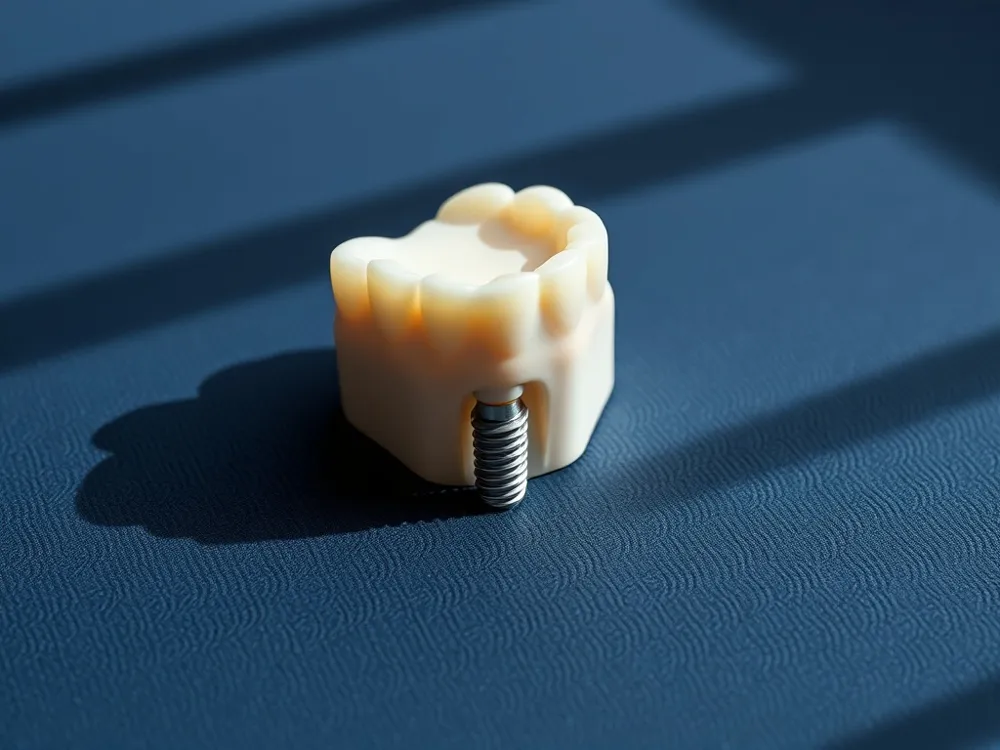
What is the typical timeline for osseointegration of a dental implant?
Osseointegration is the biological process where your jawbone grows around and fuses with the titanium implant post. This critical period typically takes 3 to 6 months to complete. The exact timeline depends on several factors, including your overall health and jawbone density. Notably, implants in the lower jaw tend to heal faster, often within 3 to 4 months, than those in the upper jaw, which can take 4 to 6 months.
How can patients speed up healing after dental implants?
While you cannot rush the body's natural fusion process, you can support it for the best outcome. During this phase, you should feel little to no discomfort. Acetaminophen or ibuprofen can manage any minor tenderness, but the significant pain from the surgical days is gone. Your implant will feel stable, and your gums will appear pink and healthy.
What post‑operative care instructions should patients follow after implant placement?
Your dentist will likely take X‑rays or a CBCT scan around the 2‑ to 3‑month mark to visually confirm that bone is integrating properly. To actively support this bone bonding, focus on good nutrition. A diet rich in calcium, high‑quality protein, and vitamin D can promote successful osseointegration. Avoiding smoking is crucial, as it significantly impairs blood flow to the healing bone and can delay or prevent fusion. Limiting alcohol is also recommended during this period.
What component is placed on the implant after osseointegration is complete?
Once your dentist confirms successful osseointegration, usually after 3 to 6 months, you will move to the final restorative stage. This involves placing a small connector piece called an abutment onto the implant, which will later support your permanent crown. The healing collar—a temporary abutment sometimes placed earlier—guides the gum tissue into a natural shape during this waiting period.
| Recovery Phase | Typical Duration | Key Patient Focus |
|---|---|---|
| Soft‑Tissue Healing | First 2 weeks | Manage swelling, soft food diet, gentle hygiene |
| Active Osseointegration | 3 to 6 months | No pain, stable implant, avoid smoking, support nutrition |
| Final Restoration | After integration | Abutment placement, crown fitting, normal function |
Stage 4: Abutment and Crown Placement – Completing the Restoration
How long does a dental implant need to heal before the crown can be placed?
A dental implant typically needs 3 to 6 months to heal before the final crown can be placed. This crucial period allows for osseointegration, where the implant fuses with your jawbone. During this time, you might wear a temporary crown to protect the site and maintain aesthetics. Your dentist will monitor the healing process and confirm the implant is stable before moving forward. Factors like your overall health, bone density, and whether you needed a bone graft can influence this timeline, which may extend to 9–12 months in complex cases.
What helps ensure a secure dental implant during placement?
Secure placement begins with meticulous pre-surgical planning. Your dentist will use advanced digital imaging to assess your bone structure and determine the precise location for the implant. If you lack sufficient bone density, a bone graft may be performed beforehand to create a solid foundation. During surgery, the implant is inserted with the correct torque to achieve primary stability—a firm hold that allows the jawbone to grow around it. Following your dentist's post-operative instructions, such as eating soft foods and avoiding the implant site, is essential to protect this stability and support successful healing.
The Abutment and Crown Procedure
Once osseointegration is confirmed, a minor procedure places an abutment—the connector piece—onto the implant. The gum tissue then needs about two weeks to heal. After that, impressions are taken to create your final custom crown. The crown is fabricated in a dental lab, which usually takes another two weeks. Once attached, the implant looks, feels, and functions like a natural tooth. You can then eat normally, but it is wise to avoid chewing extremely hard items directly on the implant. This final step completes your restoration, leaving you with a beautiful, confident smile.
Special Considerations: Full-Mouth Implants, Bone Grafts, and Long-Term Success
To ensure a successful outcome, it helps to understand the key stages of healing and the unique timelines for complex procedures. Recovery is a process, not a single event.
What are the main stages of dental‑implant healing?
The healing journey begins with the **Initial healing after dental implant surgery (1‑2 weeks)**initial surgical recovery, which lasts about one to two weeks. During this time, you will experience swelling, minor discomfort, and should stick to a soft‑food diet. The next and most critical phase is osseointegration, which takes three to six months. Here, the jawbone grows and fuses with the implant, creating a strong, permanent foundation. The final stage is the placement of the abutment and final crown, which completes the restoration.
What is the healing timeline for full‑mouth or All‑on‑4 dental implants?
Full‑mouth or All‑on‑4 cases follow a similar but extended timeline. The initial recovery is the same, but osseointegration often takes four to six months due to the number of implants placed. A temporary fixed bridge is typically provided after about two to three months, allowing you to eat and smile while the bone fully integrates. The permanent, custom prosthesis is then delivered once the implants are completely stable.
What should patients know before getting dental implants?
| Consideration | Details | Long‑Term Impact |
|---|---|---|
| Bone Grafting | Adds 3–6 months of healing before implant placement. | Essential if jawbone density is insufficient for stability. |
| Major Risk Factors | Smoking, uncontrolled diabetes, and poor oral hygiene. | Can delay healing, increase infection risk, and lead to failure. |
| Success & Maintenance | 95–98% success rate with proper care. | Requires daily brushing, flossing, and regular professional check‑ups. |
Understanding these key points helps set realistic expectations. While the process requires patience, the result—a durable, natural‑looking smile that can last a lifetime—makes it a worthwhile investment. Your dentist will guide you through each stage to ensure the best possible outcome.
Patience Leads to a Lasting Smile
A Steady Path to a Lifelong Smile
Dental implant healing is a gradual but predictable process that requires patience and good habits. From the first day of rest to the final crown, each stage supports the long-term stability and function of your new tooth. The initial 1–2 weeks focus on soft-tissue recovery, with swelling and mild discomfort peaking around day two or three before steadily subsiding. A soft-food diet, gentle oral hygiene, and avoiding smoking are critical during this phase.
Supporting the Critical Fusion
The next several months are dedicated to osseointegration, where the implant fuses with your jawbone. This painless foundation-building period typically spans 3–6 months and is invisible to you but essential for a durable result. By following your dentist’s guidance and attending all follow-up visits, you set the foundation for an implant that can last a lifetime.
| Healing Phase | Typical Duration | Key Patient Actions | Expected Outcome |
|---|---|---|---|
| Soft-tissue recovery | 1–2 weeks | Soft foods, ice packs, rest | Reduced swelling, gum healing |
| Osseointegration | 3–6 months | Avoid smoking, gentle oral care | Implant fused with jawbone |
| Final restoration | 1–2 weeks | Follow-up, crown placement | Full function and natural look |