Why Comfort Matters in Modern Dentistry
Dental anxiety affects roughly 36% of Americans, with about 12% experiencing severe fear that leads them to avoid care. When patients feel uncomfortable, they are less likely to attend regular check‑ups, which diminishes early detection of decay and disease and ultimately worsens oral‑health outcomes. Comfort‑focused dentistry reverses this trend by lowering stress, improving cooperation, and fostering trust. Core patient‑centered care principles—open communication, shared decision‑making, and individualized treatment plans—ensure that each visit is tailored to the person’s fears, preferences, and cultural background. Visual aids such as intra‑oral cameras, step‑by‑step explanations, and soothing amenities (noise‑cancelling headphones, aromatherapy, warm blankets) demystify procedures and reduce uncertainty. By prioritizing comfort, practices not only enhance patient satisfaction but also promote consistent preventive care, leading to healthier teeth, gums, and overall wellbeing and a more positive attitude toward oral health. These measures build lasting trust between patient and provider and encourage lifelong oral‑care habits.
Tech‑Driven Transparency and Engagement
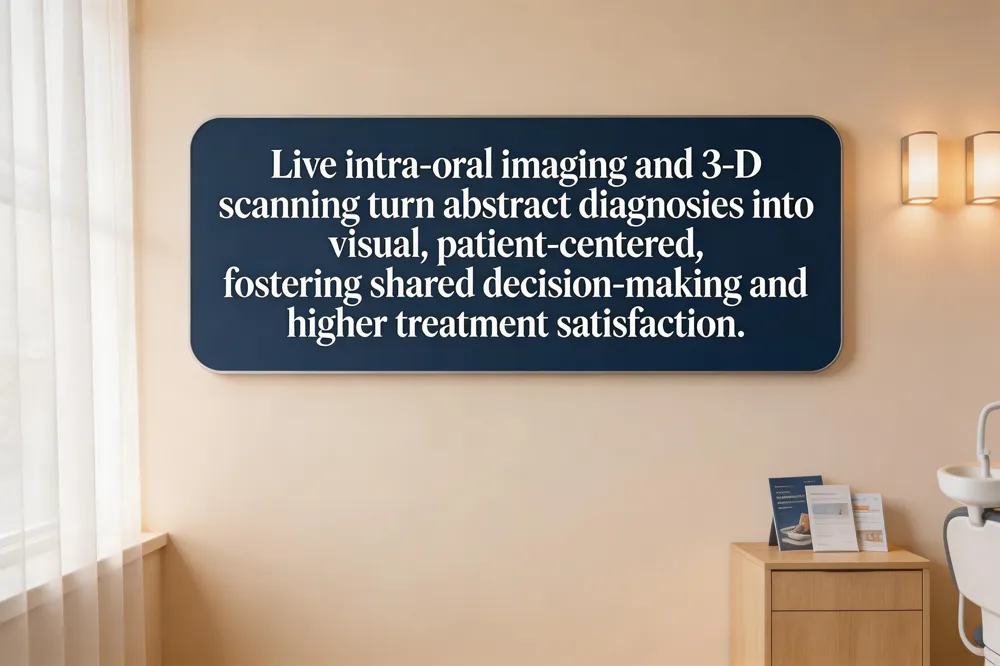 Modern dental practices use intra‑oral cameras and 3‑D digital scanning to show patients live images and precise models of their mouths. This visual transparency turns abstract diagnoses into concrete pictures, reducing uncertainty and anxiety. When dentists pair these tools with clear, patient‑centred communication—plain language, eye contact, and empathy—patients feel heard and in control. Strategies for effective dentist‑patient communication, as highlighted in the literature, include using visual aids (photos, digital models, treatment‑plan renderings), employing the teach‑back technique to confirm understanding, and inviting questions throughout the visit. Southern Boulevard Dental exemplifies this approach: staff actively listen, explain procedures step‑by‑step, and provide written summaries and secure‑messaging follow‑ups. By integrating intra‑oral cameras, digital imaging, and a compassionate dialogue, the practice creates a trustworthy, calming environment that empowers patients to participate in shared decision‑making and improves overall treatment satisfaction.
Sensory Comfort and Anxiety Reduction
 Modern dental offices use a suite of sensory‑based tools to calm nervous patients and create a soothing treatment environment. Aromatherapy with lavender, chamomile or peppermint essential oils diffused in the operatory lowers heart rate and promotes relaxation. Noise‑cancelling headphones block the high‑pitched whine of drills, allowing patients to listen to music, audiobooks or white‑noise, which has been shown to reduce perceived pain. Virtual‑reality distraction therapy immerses patients in calming visual worlds, diverting attention from the procedure and diminishing anxiety. Weighted blankets and cooling pillows provide gentle, consistent pressure and temperature control, offering a sense of security and comfort during longer appointments.
Open‑ended questions dental – Asking open‑ended questions such as “What brings you in today?” encourages patients to share detailed concerns, uncover hidden symptoms, and express emotional worries. This dialogue builds rapport, personalizes treatment planning, and increases acceptance of care.
Dental hygienist communication skills – Hygienists should practice active listening, use plain language, and ask open‑ended questions to elicit patients’ habits and fears. Summarizing key points, providing step‑by‑step home‑care instructions, and offering written summaries reinforce learning, reduce anxiety, and foster trust throughout the visit.
Tailored Sedation and Pain Management
 Modern dental practices offer a spectrum of sedation and pain‑management options that can be matched to each patient’s anxiety level and procedural needs. Nitrous oxide (laughing gas) provides a quick, mild calming effect that wears off within minutes, allowing patients to drive home safely. Oral conscious sedation, using medications such as diazepam, induces a deeper “twilight” state for more anxious individuals while keeping them responsive. For longer or more invasive procedures, IV moderate sedation delivers precise control of the sedation depth, monitored continuously for safety. In addition, desensitizing gels applied before local‑anesthetic injections numb the tissue, dramatically reducing needle pain and the associated fear.
Why involve the individual in their own care plan? Involving the individual in their own care plan ensures that treatment goals, preferences, and lifestyle factors are accurately reflected, fostering a truly person‑centred approach. When patients actively participate, they are more likely to understand and follow recommendations, which improves adherence and reduces the risk of complications. This collaborative process also empowers individuals to make informed decisions, enhancing confidence and overall satisfaction.
How does active participation in oral care benefit an individual? When patients take charge of daily oral‑hygiene—brushing, flossing, and using antimicrobial rinses—they prevent plaque from hardening, lowering the risk of cavities and gum disease. Early detection of bleeding, sensitivity, or sores enables timely dental intervention, preventing costly or painful problems. This sense of ownership improves overall well‑being, supports better nutrition, and encourages a positive self‑image, leading to a lifetime of functional, pain‑free teeth.
Physical Comfort Enhancements
 Patient‑centered care (PCC) is an approach that respects each patient’s preferences, needs, and values, involving them in decision‑making and tailoring treatment plans to improve outcomes and satisfaction. Modern offices enhance physical comfort with ergonomic dental chairs that feature memory settings for recline, head‑rest height and lumbar support, allowing every patient to find a relaxed posture quickly. Adjustable lighting and climate control let the team create a soothing ambiance—soft LEDs, natural‑light simulation, and temperature that can be personalized for each visit. Warm blankets and neck pillows add a tactile sense of security, especially during longer procedures, while comfortable waiting‑area amenities such as plush seating, free Wi‑Fi, charging stations, and calming music reduce pre‑appointment stress. Together, these elements transform the dental experience into a calm, supportive environment that aligns with the core principles of patient‑centered dentistry.
Education, Empowerment, and Home Care
 Modern dental practices recognize that clear, patient‑centered education is the cornerstone of a comfortable experience. Step‑by‑step procedure explanations, shown on a high‑resolution intra‑oral camera, let patients see exactly what will happen, reducing uncertainty. After the discussion, the teach‑back technique confirms understanding: patients repeat the plan in their own words, allowing the team to clarify any gaps on the spot. At the end of the visit, a personalized post‑procedure comfort kit—warm blanket, soothing aromatherapy oil, and a QR‑code linking to a short video—reinforces care and eases recovery. Written after‑care instructions, printed on plain language, are complemented by a digital follow‑up message that reminds patients of medication timing, diet tips, and the next appointment.
Communication skills for dental health‑care providers begin with active listening, eye contact, and empathy, using jargon‑free language tailored to each patient’s health literacy. This builds trust, eases anxiety, and promotes informed decision‑making. Communication is vital in dental hygiene because it establishes trust, improves adherence to home‑care instructions, and allows hygienists to gather accurate histories, ultimately leading to better oral‑health outcomes. The "3‑3‑3 rule"—brush three times a day for three minutes, then wait three hours after the last meal—offers a simple guideline, though research supports the dentist‑approved routine of twice‑daily two‑minute brushing, daily flossing, and avoiding acidic foods before bedtime.
Financing, Scheduling, and Seamless Access
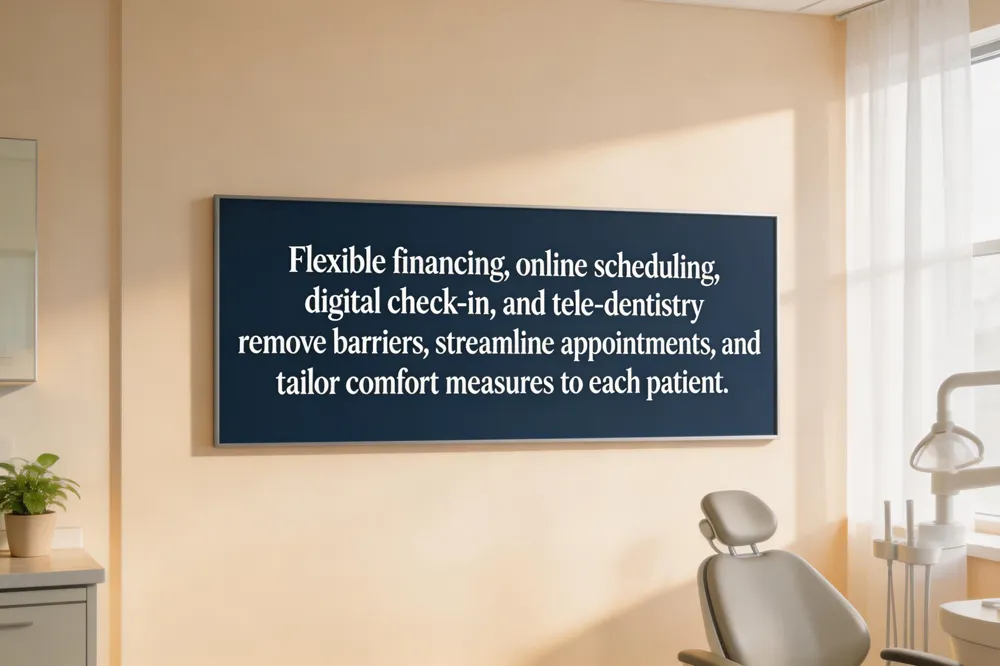 Modern dental offices are designed to remove barriers that keep patients from receiving timely care. Flexible financing options such as CareCredit let families spread the cost of advanced treatments, from same‑day crowns to laser gum therapy, so financial stress does not delay needed care. Online appointment scheduling and digital check‑in further streamline the visit: patients can select convenient time slots, complete health questionnaires, and upload insurance information before stepping foot in the office, reducing wait times and paperwork. Tele‑dentistry pre‑consultations add another layer of convenience, allowing patients to discuss concerns, review intra‑oral images, and receive a preliminary treatment plan from the comfort of home. A brief pre‑appointment anxiety questionnaire helps the dental team tailor comfort measures—whether it’s a warm blanket, noise‑cancelling headphones, or a preferred sedation option—ensuring each visit feels personalized and calm.
What is the rule of 7 in dentistry? The Rule of 7 advises that children should have their first dental check‑up by age seven, when all primary teeth have been shed and permanent teeth begin to erupt, enabling early detection of cavities and habit counseling.
What is the 50‑40‑30 rule in dentistry? It is an aesthetic guideline for smile proportions: central incisors occupy roughly 50 % of the visible smile width, the gap between central and lateral incisors about 40 %, and the lateral incisor‑to‑canine gap about 30 %.
What is the 80/20 rule in dentistry? Known as the Pareto principle, it suggests that 20 % of activities (such as patient retention, efficient scheduling, and high‑quality clinical care) generate 80 % of practice success and patient satisfaction.
Putting Comfort First at Southern Boulevard Dental
Southern Boulevard Dental in Rio Rancho blends cutting‑edge technology with a gentle, patient‑centered approach. Our seven comfort‑enhancing strategies include: (1) high‑resolution intra‑oral cameras that show real‑time images of your mouth, (2) step‑by‑step verbal explanations of every procedure, (3) immersive virtual‑reality headsets that transport you to calming environments, (4) soothing aromatherapy with lavender or chamomile, (5) noise‑cancelling headphones or white‑noise music to mask drill sounds, (6) warm blankets and ergonomic chairs for physical comfort, and (7) desensitizing gels that numb injection sites before local anesthesia. These tools work together to reduce anxiety, increase transparency, and make each visit feel safe and relaxed. We invite you to experience our personalized, family‑focused care in Rio Rancho—where your comfort is our priority. Call or click to schedule a tailored, comfortable appointment today and discover a new, stress‑free way to protect your oral health.