Why Your Dental Journey Deserves a Map
The dental journey is more than a single appointment—it's a continuous relationship that starts before you walk in the door and extends long after you leave. Mapping this journey helps you understand what to expect and empowers you to take an active role in your oral health.
From the first online search for a dentist in Rio Rancho to the final follow-up after a complex procedure, every touchpoint shapes your experience and builds trust. This article walks you through each phase so you can feel prepared, informed, and confident.
The Phases of Dental Treatment Planning
What are the typical phases of dental treatment planning and how are they categorized?
Dental treatment planning follows a structured five-phase model: (1) Urgent phase – addressing immediate pain or infection; (2) Control phase – stabilizing oral health with preventive measures; (3) Re‑evaluation phase – assessing response to initial therapy; (4) Definitive phase – completing restorative or orthodontic work; and (5) Maintenance phase – ongoing monitoring and preventive care. Some clinicians combine the first three into a single assessment phase, but the five‑phase model captures the full treatment continuum.
What are the phases of the patient journey?
The patient journey is commonly divided into six phases: Awareness and Help-Seeking, Entry into the Healthcare System, Evaluation and Diagnosis, Treatment Decision and Planning, Treatment, and Follow-Up and Ongoing Management. Understanding these stages helps practices tailor care to individual needs, improving both outcomes and efficiency throughout the patient's healthcare journey.
| Phase | Focus | Key Actions |
|---|---|---|
| Urgent | Immediate pain or infection | Diagnosis, emergency care |
| Control | Stabilize oral health | Preventive measures, patient education |
| Re-evaluation | Assess response to therapy | Clinical re-check, adjust plan |
| Definitive | Complete restorative/orthodontic work | Fillings, crowns, implants, braces |
| Maintenance | Long-term monitoring and prevention | Recall visits, risk assessment, home care |
Your First Visit: The Dental Consultation
What does a dental consultation do?
A dental consultation is a thorough evaluation appointment focused on understanding your oral health and determining appropriate next steps, not completing treatment. It begins with a conversation about your concerns and health history, followed by a clinical examination of your teeth, gums, and bite. If needed, diagnostic imaging such as X-rays may be taken to identify issues not visible to the naked eye. The dentist then reviews the findings, discusses any areas needing attention, and explains treatment options, urgency, and alternatives. Ultimately, the consultation provides clarity and a personalized plan, allowing you to make informed decisions without pressure or rushed commitments.
Dental consultation meaning
A dental consultation is an initial evaluation where a dentist reviews your health history, performs a comprehensive exam of your teeth and gums, and may take X-rays to assess your oral health. Its primary purpose is diagnosis and treatment planning, not completing procedures on the same day. This visit is your opportunity to discuss concerns, ask questions, and explore treatment options and costs. The visit establishes your current oral health status and maps out the best path toward maintaining or improving your smile.
How long does a dental consultation usually take?
A dental consultation typically takes between 30 and 60 minutes. The exact duration depends on the complexity of your case and whether diagnostic imaging is needed. For a straightforward first visit with no urgent concerns, the appointment may be on the shorter end. If X-rays or 3D scans are required to evaluate hidden issues, the visit may extend toward the full hour. More complex situations, such as evaluating pain or planning major restorative work, can also add time for a thorough discussion of options. The goal is always a complete, unhurried assessment so you understand your oral health and any recommended next steps.
What is a dental consultation cost?
The cost of a dental consultation varies by location, insurance coverage, and whether you are a new or returning patient. Without insurance, the average cost for a routine exam and cleaning is around $203, though prices can range from $50 to $350. Some offices offer promotional rates for new patients, such as $29 for an exam and X-rays. Dental insurance typically covers a portion of the exam, reducing out-of-pocket expenses. For the most accurate estimate, call your dentist's office and inquire about their specific fees.
Dental consultation vs exam
A dental consultation is an initial conversation where the dentist listens to your concerns, reviews your medical and dental history, and discusses potential treatment options without performing procedures. In contrast, a dental exam is a hands-on evaluation that includes checking teeth for decay, examining gums for disease, and often taking X-rays for a comprehensive view. The consultation focuses on understanding your needs and building a treatment plan, while the exam provides detailed diagnostic information. Both steps are essential for personalized care, ensuring you feel informed and at ease before any treatment begins.
What to Expect at a First Dentist Appointment in Years

What to expect at first dentist appointment in years?
If it’s been a while since your last dental visit, you may feel anxious—but modern dentistry focuses on comfort and transparency. You can expect a welcoming, judgment-free experience focused on understanding your dental health goals. The visit typically includes digital X-rays and a comprehensive examination of your teeth, gums, and jaw to identify any hidden issues like cavities or gum disease. A thorough cleaning may take longer than usual if significant plaque or tartar has built up. Your gums might bleed slightly as they adjust to flossing. Your dentist will review findings with you and discuss a personalized treatment plan. Whether you need a routine cleaning or more extensive care, the entire appointment usually takes about an hour. The goal is to help you move forward with a healthy smile.
A Look Inside Your Routine Visit
During a routine visit, a dental hygienist uses metal or ultrasonic tools to remove plaque and tartar tooth by tooth, then polishes your teeth with a flavored paste. X-rays are typically taken about once a year to detect early or hidden problems. The dentist performs a thorough exam using a periodontal probe to assess tooth health and measure gum-pocket depths. After the exam, the dentist discusses findings and outlines next steps, which may include a personalized treatment plan. If you experience soreness after the visit, over-the-counter pain relievers are recommended, and you should call the office with any persistent pain, swelling, or emergencies like broken teeth.
Special Consultations: Braces, Implants, and Oral Surgery
What happens at a dentist consultation for braces?
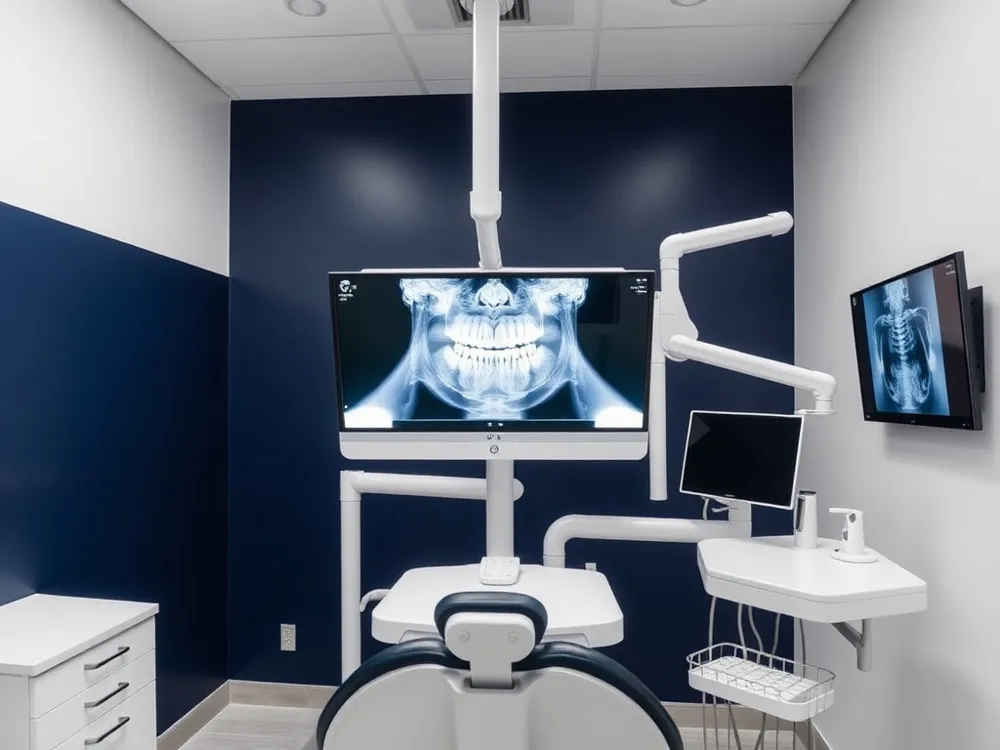
Your first visit for braces is a dedicated evaluation and planning appointment. It typically lasts between 30 and 60 minutes. During this time, you will complete medical and dental history paperwork. The orthodontist will then perform a thorough examination of your teeth, jaws, and bite. This usually includes taking X-rays and photographs to assess alignment and any underlying issues. Based on the findings, a customized treatment plan is created. This plan outlines the recommended appliances—such as traditional braces or clear aligners—and the expected timeline for your treatment. The appointment also includes a clear discussion of all treatment options, associated costs, and available payment plans. This ensures you have all the information needed to make an informed decision. The focus is entirely on evaluation, education, and planning for your orthodontic care.
What is a consultation with an orthodontist?
A consultation with an orthodontist is your first step toward a healthier, more confident smile. The process begins with a review of your medical and dental history. A comprehensive examination of your teeth, gums, and jaw follows. Advanced diagnostic tools, such as digital scans and X-rays, are used to assess alignment and bite issues. Your orthodontist will then discuss personalized treatment options, including timelines and costs. This is your opportunity to ask questions and express any concerns. Ultimately, this visit sets the foundation for a tailored treatment plan designed to improve both your oral health and your smile.
What happens at an oral surgery consultation?
During an oral surgery consultation, the surgeon first gathers your overall health information. This includes chronic conditions, drug allergies, and a complete list of all medications you are currently taking. Diagnostic imaging, such as X-rays or a CT scan, may be reviewed or taken at this visit. The surgeon will explain the planned procedure, discuss anesthesia options, and outline potential risks and complications. You will receive detailed post-operative instructions and guidance on pre-surgical preparation, such as fasting requirements. It is essential to bring a competent adult driver who can transport you home after surgery if general anesthesia is used. This visit is focused on ensuring you are fully prepared and informed for a successful surgical outcome.
What to expect during a dental implant consultation
A dental implant consultation involves a thorough health review and detailed oral examination. The dentist will assess your bone density and jaw structure, often using advanced imaging like a 3D CBCT scan. A personalized treatment plan is then presented. This plan covers options such as single-tooth implants or implant-supported dentures, and it details each stage of the process. The consultation includes a clear explanation of the overall timeline, total cost estimates, and available financing options. You will also have dedicated time to ask questions about recovery, risks, and what to expect. This ensures you feel confident and fully informed before moving forward.
| Consultation Type | Duration | Key Focus | Common Diagnostic Tools | Preparation Required |
|---|---|---|---|---|
| Orthodontic (Braces) | 30–60 minutes | Evaluation, treatment planning, appliance discussion | X‑rays, photographs, digital scans | Complete medical/dental history |
| Oral Surgery | Varies | Health review, anesthesia options, surgical planning | X‑rays, CT scans | Fasting (if general anesthesia), bring a driver |
| Dental Implant | 45–60 minutes | Bone density assessment, treatment plan, timeline | 3D CBCT scan, digital X‑rays | Bring list of goals and questions |
Aftercare: Post-Treatment and Follow-Up

What is a follow up in dentistry?
Follow-up care involves the steps a dentist takes after a procedure to confirm healing is on track, restorations are working correctly, and any minor issues are caught early. The main goals are to assess healing, evaluate comfort and function, and support long-term oral health.
For routine treatments like fillings or crowns, a separate follow-up visit is usually unnecessary. Instead, patients are asked to watch for prolonged sensitivity or an uneven bite and to return for a quick adjustment if needed.
Surgical procedures, such as extractions, often require more structured follow-ups. These may include checking the healing site, removing sutures, and evaluating swelling and pain. Complex treatments like dental implants involve planned visits to monitor bone and tissue healing, ensuring everything integrates properly.
What not to do after oral surgery?
After oral surgery, avoid overexertion (heavy lifting, pushing, pulling, or exercising) for at least a week to prevent bleeding and swelling. Do not rinse your mouth or spit for the first 24 hours, as these actions can disrupt the blood clot and delay healing. Refrain from brushing near the surgical sites on the day of surgery to avoid disturbing stitches.
Apply ice packs for the first 24-48 hours to reduce swelling, then switch to warm compresses. Start pain medication before the anesthesia wears off, using ibuprofen or acetaminophen as directed. A soft diet is recommended for the first several days, and smoking should be avoided for at least 24 hours. If you experience increasing pain after initial improvement, worsening swelling, fever, or unexpected bleeding, contact your dental office immediately.
| Procedure Type | Follow-Up Schedule | Common Aftercare Actions | When to Contact the Office |
|---|---|---|---|
| Routine (Fillings/Crowns) | Usually none; monitor at home | Check for sensitivity or uneven bite; return for adjustment if needed | Prolonged pain, bite feels significantly off |
| Surgical (Extractions) | 1-2 weeks for suture removal and healing check | Apply ice, soft diet, avoid spitting/straws, begin salt-water rinses after 24 hours | Worsening pain after 3 days, fever, heavy bleeding |
| Complex (Implants) | Multiple visits over 3-6 months | Monitor bone and gum healing, maintain meticulous oral hygiene | Severe pain, swelling, implant feels loose |
| Periodontal (Scaling/Root Planing) | 4-6 weeks for re-evaluation | Use a soft toothbrush, avoid spicy/crunchy foods, use prescribed mouthwash | Persistent bleeding, increased gum recession |
Mapping the Full Journey: Why Every Step Matters
Why is patient journey mapping important?
Patient journey mapping empowers dental teams to understand each patient's unique needs and preferences at every stage. This understanding leads to more personalized care, boosting satisfaction and building long-term trust.
What does a typical dental patient journey map include?
A Dental Patient Journey Map (DPJM) outlines every step a patient takes when interacting with the practice. It is divided into three key stages: the pre-service stage (online research, booking), the service stage (the in-office visit and treatment), and the post-service stage (follow-up care, feedback, and loyalty).
Building a seamless experience from start to finish
Online touchpoints are critical for making a positive first impression. A well-designed website is the top factor for 48% of people in judging a practice’s credibility. Strong online reviews and word-of-mouth recommendations are also powerful drivers of new patient trust. By creating a clear map of these touchpoints, practices can identify gaps in communication and coordinate a consistent, patient-centered journey that extends from the initial consultation through lifelong maintenance.
| Stage | Key Touchpoints | Impact on Patient Experience |
|---|---|---|
| Pre-Service | Website, online reviews, social media, search engine results | Shapes first impressions and credibility; influences initial choice of provider |
| Service | Front desk, waiting area, chairside communication, treatment | Builds trust and comfort; directly impacts satisfaction with care |
| Post-Service | Follow-up calls, feedback surveys, referral programs, loyalty rewards | Reinforces positive experience; encourages return visits and referrals |
Your Journey, Your Smile
At Southern Boulevard Dental in Rio Rancho, New Mexico, we believe that understanding every step of your dental journey empowers you to make informed decisions and feel at ease from the moment you schedule your first appointment. Whether you're coming in for a routine cleaning, exploring orthodontic options, or planning a full-mouth restoration, our patient-centered approach ensures that your unique needs guide every phase of care. From the initial consultation to the final follow-up, you are not just a patient—you are a partner in your oral health. We invite you to experience the difference that a thoughtfully mapped dental journey can make, and we look forward to helping you achieve and maintain a healthy, confident smile for years to come.