The Digital Shift in Modern Dentistry
Dental care is undergoing a quiet revolution, and the days of messy, uncomfortable putty impressions are fading. Digital impression technology uses a small intraoral scanner to capture a precise 3D image of your mouth in minutes, replacing the bulky trays and material that many patients find unpleasant. This shift is driven by powerful advantages: dramatically reduced chair time and significantly more accurate restorations.
Why Practices Are Embracing Digital Workflows
For patients, the benefits are immediate. A full-arch digital scan can be completed in seconds, with most scans taking just 5 to 10 minutes. This eliminates the gagging, awkward taste, and discomfort often associated with traditional impressions. The data is instantly available, so dental labs can begin fabricating crowns, bridges, or dentures right away.
A More Efficient and Comfortable Experience
Traditional workflows often require multiple visits and lengthy adjustments. Digital impressions streamline the entire impressions enable a streamlined process that can reduce total dentist chair time by 30-50% compared with analog techniques. This means fewer appointments, less time in the chair, and more predictable results.
What to Expect in This Article
This article explores how digital impressions are reshaping restorative dentistry. We will examine the technology's impact on practice efficiency, the superior fit of restorations, and the measurable benefits for both dentists and their patients.
| Topic | Traditional Impression | Digital Impression | Patient Benefit |
|---|---|---|---|
| Process | Uses putty or silicone in a tray; takes 15-30 minutes per arch | Intraoral scanner; 5-10 minutes per arch | Less time, no mess or gagging |
| Accuracy | Prone to distortion, bubbles, and material shrinkage | Captures exact geometry within 20-30 microns | Fewer adjustments, better fit |
| Data Transfer | Physical model shipped to lab (1-2 weeks) | Digital file sent instantly (hours) | Faster turnaround, often same-day |
| Patient Comfort | Unpleasant taste, gag reflex, jaw fatigue | Non-invasive, non-invasive scanning | Improved experience and satisfaction |
Understanding Digital Impressions: Technology and Workflow
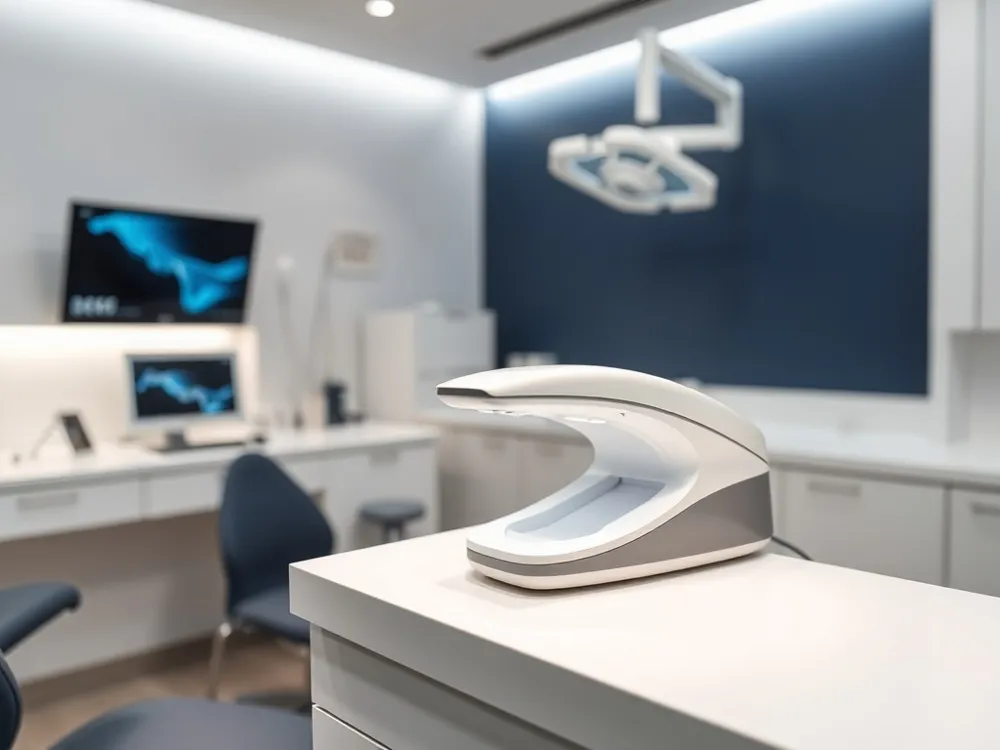 Digital dental impressions use a compact intraoral scanner to create a precise 3D model of your teeth and gums in minutes. This modern technology replaces traditional putty trays with a laser or optical scanning wand, providing a faster, more comfortable experience for patients of all ages.
What types of intra‑oral scanners are used?
Two main technologies are used in digital impression systems. Laser-based scanners project a laser stripe onto the teeth and capture its distortion to build a 3D image. Optical scanners use structured light or video imaging to record the surface. Some systems require a light dusting of titanium dioxide powder to enhance scan quality, while advanced scanners like the iTero or E4D are powder-free, offering a simpler process.
How fast is the data capture?
The scanning process is remarkably quick. A full‑arch digital scan can be completed in just three to five minutes. This is a significant time savings compared to traditional methods, which can take 15–30 minutes per arch and require additional time for the material to set. The wand glides over the teeth, capturing thousands of images per second, and the software instantly creates a detailed 3D model.
How does real‑time visualization improve accuracy?
One of the most powerful benefits is real‑time visualization. As the dentist scans are displayed on a chairside monitor as they are taken, allowing the clinician to immediately verify the completeness and accuracy of the model. If an area is missed or a margin is unclear, it can be rescanned on the spot without needing to retake the entire impression. This on‑the‑spot error correction eliminates common problems like air bubbles, distortion, or material shrinkage that can cause poorly fitting restorations.
Why is patient comfort better with digital impressions?
Patient comfort is a major advantage. The scanning wand is non‑invasive and does not use bulky trays or messy, gag‑inducing putty. The process is fast, quiet, and painless, which greatly reduces anxiety for patients with a strong gag reflex or dental fear. Many patients report a more relaxed experience, and some now seek dental care they had previously avoided.
The table below compares digital and traditional impression workflows:
| Feature | Digital Impression | Traditional Impression | Patient Benefit |
|---|---|---|---|
| Scanning Type | Laser or optical (powder‑free available) | Tray and putty (alginate, silicone) | No mess or taste |
| Capture Time | 3–5 minutes per full arch | 15–30 minutes + setting time | Less chair time |
| Error Check | Real‑time, can patch missed area | Visual check of material after removal | Fewer repeat visits |
| Comfort | Non‑invasive, no gag reflex | May cause gagging or discomfort | More relaxed visit |
| Data Storage | Stored electronically, indefinite | Physical model, can be lost or damaged | Easy recall for future care |
| Environmental Impact | No disposable trays or materials | Uses plastic trays and waste | Eco‑friendly choice |
Impact on Chair Time: From Scans to Same‑Day Restorations
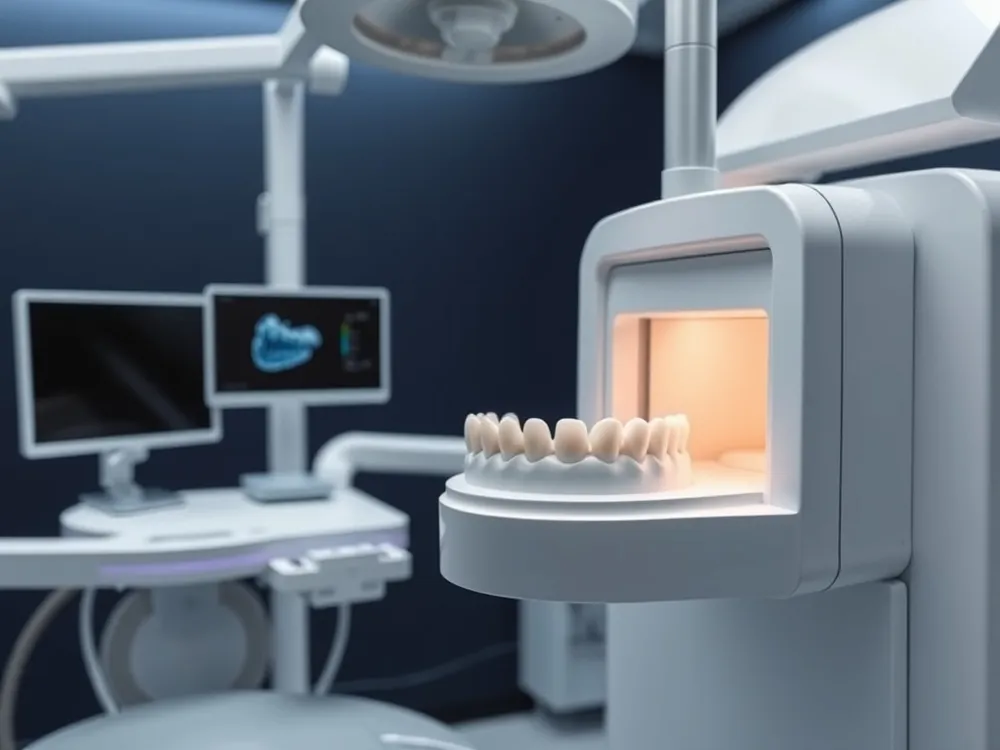
What are the advantages of using a digital scanner to take dental impressions? How much time do you save?
Digital impressions transform the dental visit by dramatically cutting chair time. A full‑arch intraoral scan is typically completed in 5–10 minutes, while a conventional impression can take 15–30 minutes. For single‑unit crowns, the digital workflow reduces chair time by **30–50 %, according to clinical reports. For dentures, the savings are even greater, with 40–50 % less chair time compared to analog methods.
Fewer visits, faster results
The digital workflow eliminates 2–3 patient appointments needed in traditional denture fabrication. Because the scan data is instantly available, the dentist can in real time, correcting any issues before the patient leaves the chair. This means fewer return visits for adjustments or remakes.
Instant transmission and same‑day workflows
Digital impression files are sent electronically to the lab via secure cloud portals, removing shipping delays. This opens the door to same‑day dentistry: in‑office CAD/CAM systems like CEREC can mill an all‑ceramic crown from a single material block in about one hour. For practices that partner with a high‑quality lab, the digital workflow can reduce lab processing time by 20–50 %, enabling next‑day or same‑day delivery for many restorations.
The bottom line
By cutting the time for each impression, eliminating shipping, and enabling same‑day milling, digital impressions streamline the entire restorative process. For patients, this means spending less time in the chair and receiving a permanent restoration in fewer visits. For the practice, the reduction in chair time directly improves profitability, as chair time is one of the most expensive assets in dentistry.
Improved Fit and Remake Rates: Accuracy and Predictability
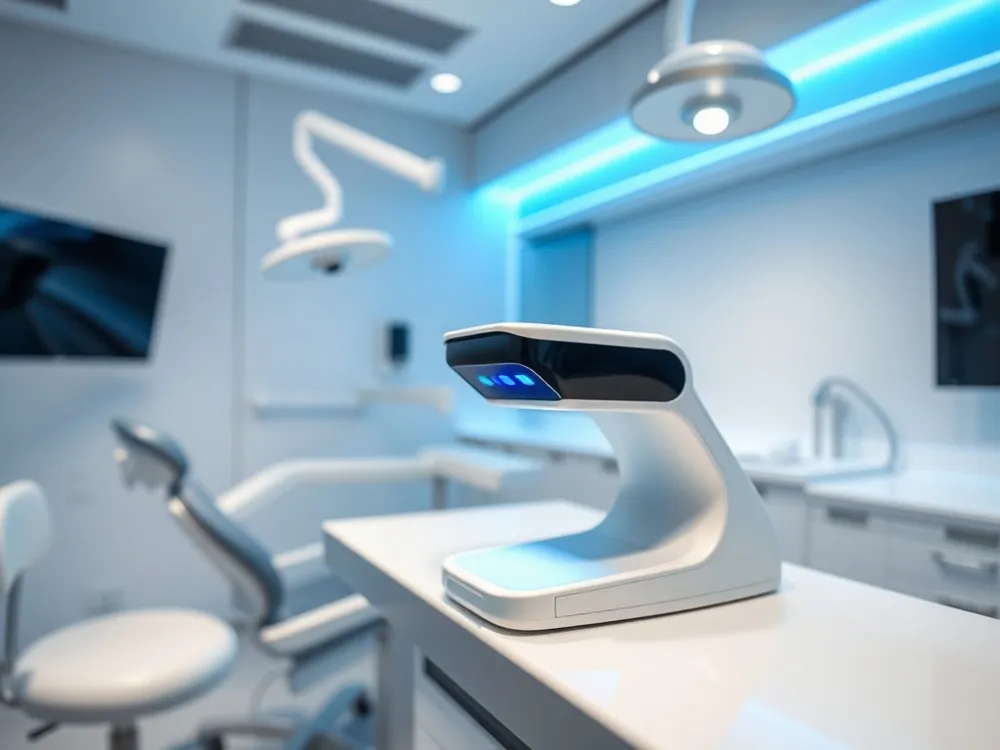
Are digital dental impressions better than traditional ones?
Yes, digital dental impressions are generally better than traditional ones. A digital intraoral scan consistently captures oral anatomy with an average deviation of less than 20‑30 µm, a level of precision difficult to achieve with conventional materials because of risks like air bubbles, distortion, or shrinkage.
What is a digital impression used for in dentistry?
Digital impressions are used to create crowns, bridges, veneers, dentures, and implant guides. The high‑resolution data integrates seamlessly with CAD/CAM systems, leading to restorations with marginal gaps of 50‑80 µm—compared with 100‑150 µm for conventional impressions. This significantly reduces the need for post‑cementation adjustments.
How does this improve patient care?
The improved fit directly lowers remake rates. Studies show digitally fabricated crowns require no chairside adjustment in 85 % of cases, versus 45 % for traditional methods. For removable prosthetics, 3D printing reduces the two to three extra visits typical of analog workflows. Because digital records are stored permanently, replacement restorations can be made without a new impression, saving additional chair time.
What is the impact on patient satisfaction?
Higher precision and fewer adjustments translate to fewer post‑operative problems, a more predictable treatment process, and increased patient satisfaction. Patients consistently express stronger preference for the fast, non‑invasive digital scan over traditional putty impressions. In total, digital impression workflows can reduce the risk of remakes by up to 30 %, protecting schedule integrity and enhancing the practice’s bottom line. A 15–20 % improvement in overall satisfaction scores has been reported with digital denture workflows, directly linking accuracy to the patient experience. This combination of precision and consistency makes digital impressions a clear upgrade over analog methods.
Economic and Environmental Benefits for Practice and Patient
Digital dental impressions cost
Chair time is the most expensive practice asset at $500–$600 per hour. Traditional impressions add $117 per case in clinician time and materials, plus $30–$40 for disposable trays and putty. Digital scans eliminate these material costs and cut chair time by 30–50%, directly improving profitability. The initial $21,000–$24,000 investment in an intraoral scanner is offset by these savings and by remake rates below 1% compared to 5–10% for analog workflows, reducing wasted appointments and adjustments.
Disadvantages of digital impressions
The primary drawback is upfront cost and staff training, though most clinicians become comfortable after 1–2 practice scans. While digital scans are highly accurate for hard tissues, full‑arch impressions for dentures may still require a conventional preliminary step for movable soft tissues, adding complexity. However, long‑term savings from fewer remakes, reduced material waste, and eco‑friendly elimination of disposable plastics make digital workflows a financially and environmentally sound choice for modern practices.
Practical Considerations and Limitations
What are the most immediate drawback is the initial investment, which ranges from $21,000 to $24,000 for equipment and training. This cost can be a barrier for smaller practices, though it is often offset over time by savings on impression materials and reduced remake rates.
reliable are digital scans for soft tissue? intraoral scanners are highly accurate for capturing hard tooth structure, but they struggle with movable soft tissue. This presents a challenge for full-arch denture impressions, where the dynamic, compressible nature of the mucosa and vestibular areas is difficult to capture in a single static scan. The resulting digital model may not always reflect the true functional contour of the tissue, potentially compromising denture fit and stability.
in many digital denture workflows, a **conventional preliminary impression is still required to create a physical model that is then digitized. This hybrid approach adds steps rather than removing them, and complexity can negate some of the time savings. For clinicians already proficient with traditional methods, the learning curve and upfront costs may not yet justify a complete switch.
Embracing the Future of Restorative Dentistry
Recapping the Digital Difference
The evidence is clear. Digital impressions consistently save chair time, often reducing appointments by 30-50% compared with traditional methods. Accuracy improves dramatically, with scan data producing restorations that fit within microns of precision. Patient comfort is also transformed—no messy materials, no gagging, and a faster, more relaxed experience.
Leadership in Rio Rancho
Southern Boulevard Dental in Rio Rancho has embraced these advanced digital workflows to deliver precisely this standard of care. By integrating intraoral scanning into everyday practice, the team ensures that each restoration fits better, seats faster, and requires fewer adjustments. This commitment to technology reflects a patient-centered philosophy that values both efficiency and comfort.
Experience the Difference
If you are considering restorative work, ask about digital impressions. They reduce stress, shorten visits, and deliver results that look and feel natural. Southern Boulevard Dental invites you to schedule a consultation and see how modern dentistry can simplify your care.