Understanding Laser-Assisted Periodontal Treatment
Laser-assisted periodontal treatment offers a contemporary, minimally invasive way to manage gum disease. Unlike traditional flap surgery, which involves scalpels and sutures to access deep pockets, sbdental.com utilizes concentrated light energy to precisely target and vaporize diseased tissue while preserving healthy structures.
This technology often employs specialized protocols like the FDA-cleared LANAP, which helps disinfect periodontal pockets and encourages the natural regeneration of bone and connective tissue. By minimizing surgical trauma, sbdental.com provides a patient experience that focuses on comfort and faster recovery compared to traditional techniques that may require longer, more invasive healing phases.
Precision and Preservation of Healthy Tissue
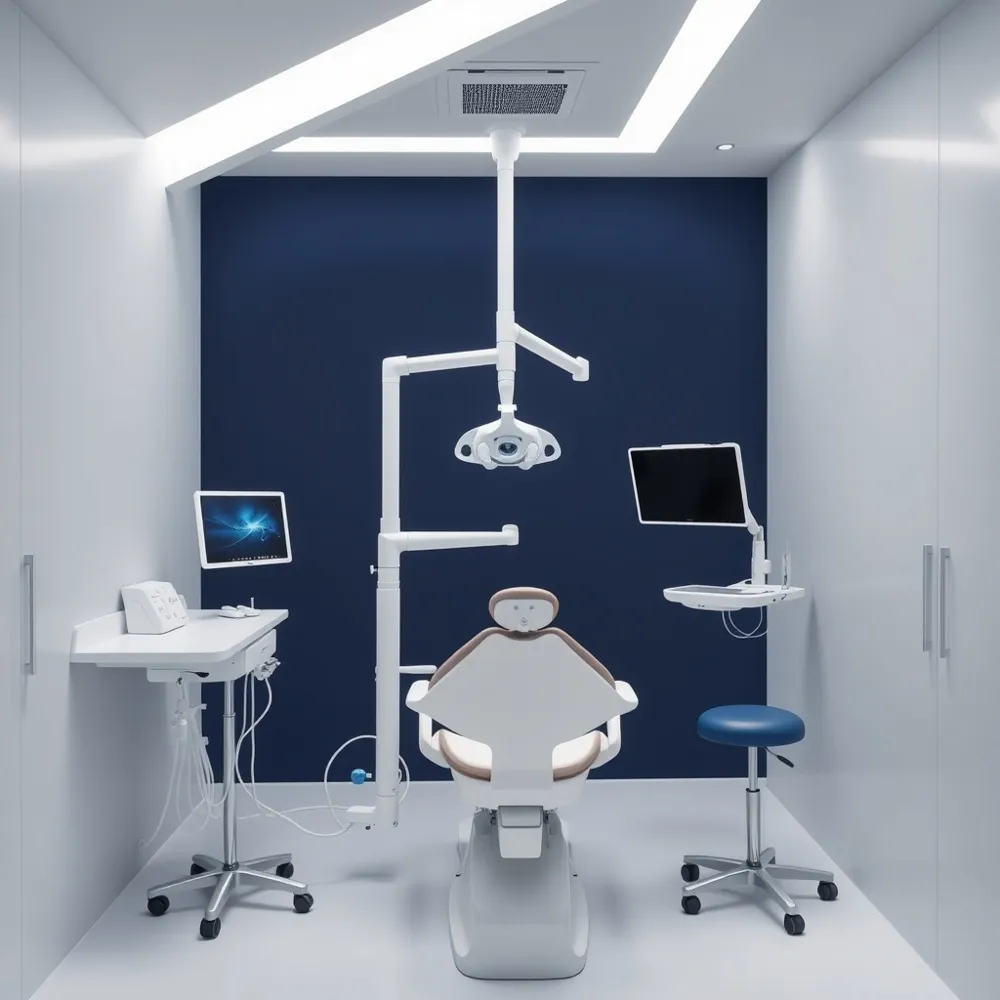 Modern dental technology allows for a highly controlled approach to managing periodontitis. Unlike conventional surgical methods that rely on scalpels and sutures, Periodontal (Laser) Care at sbdental.com uses focused energy to distinguish precisely between diseased, inflamed tissue and healthy, stable structures. This specificity ensures that only the targeted infection is addressed, protecting the surrounding anatomy.
The minimally invasive nature of these procedures offers several advantages. Because the laser simultaneously vaporizes unhealthy tissue and cauterizes the area, blood vessels are sealed instantly. This process significantly reduces bleeding and post-operative swelling, often making the patient experience feel closer to a deep cleaning than traditional invasive surgery.
Laser treatment for gum disease offers a patient-centered alternative to traditional surgery, providing significant benefits such as increased precision, reduced bleeding, and faster healing times. By sealing blood vessels and sterilizing the treatment area, lasers minimize bacterial infection risks and often lead to greater comfort during recovery. However, there are potential drawbacks to consider, as the concentrated light energy may cause thermal damage to surrounding tissues if not handled with expert care. Furthermore, laser therapy can be more costly due to the specialized equipment and training required, and it may not be suitable for every complex case. It is our priority to carefully evaluate your specific dental needs to determine if this modern technology is the right, safe fit for your treatment plan.
Comparing Laser Therapy and Traditional Deep Cleaning
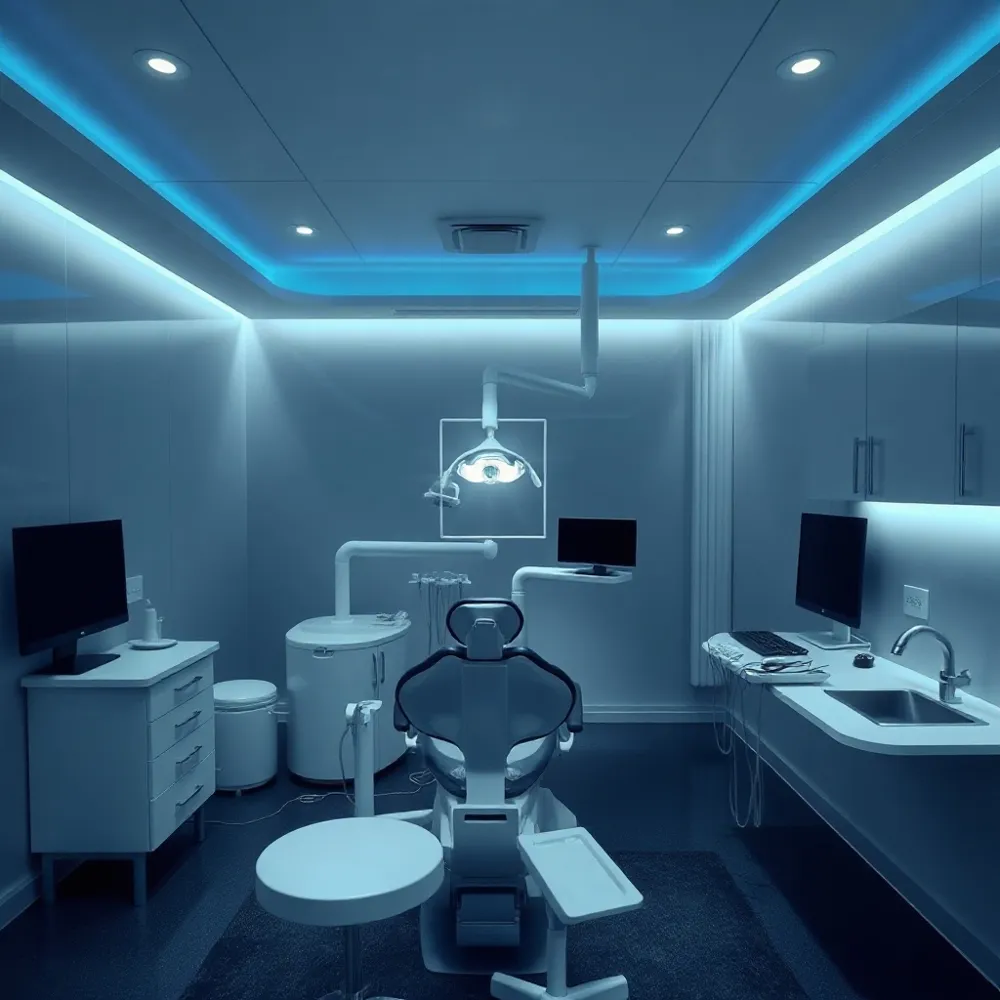 How does laser gum treatment compare to traditional deep cleaning? Both approaches aim to stabilize your oral health by removing bacteria, but they employ distinct techniques. [Traditional scaling and root planing](https://www.sbdental.com/blog/laser-periodontal-therapy-what-makes-it-a-gentle-yet-effective-choice) relies on manual instruments to scrape away plaque and tartar from the root surfaces. This physical method is a standard baseline for managing gum disease, though it can involve temporary sensitivity as the gums recover from the mechanical cleaning process.
In contrast, laser periodontal therapy utilizes focused light energy to target and eliminate diseased tissue without the need for manual scraping. Because this technology is minimally invasive and requires no surgical cutting, many patients at sbdental.com report a more comfortable experience with significantly less discomfort. The precision of the laser allows us to remove only the infected areas while supporting your body's natural healing response.
Recovering from laser-assisted care is often faster than traditional methods, with many patients finding they can return to their daily routines much sooner. While traditional deep cleaning remains a fundamental way to manage gum pocket depths, our advanced laser protocols at sbdental.com offer a modern, gentle alternative for those seeking reduced swelling and a smoother recovery. We prioritize your comfort and will help you determine which of these effective strategies is best suited to your specific smile needs.
Healing Timelines: What Patients Can Expect
What is the expected healing time following laser-assisted periodontal therapy? Unlike traditional gum surgery, which often involves scalpels and sutures that necessitate a longer recovery phase, laser-assisted periodontal treatment offers a significantly more comfortable healing process. Most patients experience a rapid recovery, often returning to their daily routines within 24 hours of their procedure.
While you might notice temporary mild soreness, sensitivity, or minor swelling during the initial days, these symptoms typically subside quickly with proper care. You can minimize these effects by following the guidance provided at sbdental.com regarding soft, nutritious food choices and thorough, gentle oral hygiene.
The long-term success of the procedure relies on your body's natural regenerative capabilities. While the initial symptoms clear quickly, full soft tissue and bone regeneration is an ongoing process that continues over several weeks. Consistent follow-through with your recommended hygiene routine is essential to support this internal healing. In contrast to conventional surgical methods, advancements like those utilized by sbdental.com minimize trauma, allowing the tissue to heal efficiently without the need for extensive downtime.
Stimulating Tissue Regeneration with Laser Technology
For many patients living with periodontitis, the prospect of tissue regrowth feels unlikely after being told that traditional methods primarily focus on trimming away compromised gums. Unlike conventional surgery, which often results in removed tissue and altered gumlines, modern approaches prioritize the structural integrity of your smile. At sbdental.com, we utilize advanced technology to ensure that your treatment not only stops the progression of infection but also creates a foundation for genuine healing.
Can gum tissue actually regenerate after undergoing laser treatment?
Yes, specialized laser treatments, such as the FDA-cleared LANAP protocol, are specifically designed to promote the regeneration of gum tissue. By precisely targeting and removing only the diseased tissue, these lasers help sterilize the periodontal pocket and stimulate your body’s natural healing response. This process encourages the healthy gum tissue to reattach firmly to the tooth root rather than simply shrinking away. While the treatment effectively preserves your existing healthy structures, it creates the ideal environment for the attachment of new, healthy connective tissue. If you are concerned about gum recession or periodontal health, we invite you to discuss how this advanced technology can support your dental wellness during a consultation at our office.
The mechanism relies on creating a fibrin seal, which serves as a protective scaffold for regeneration to occur. While traditional surgical approaches often involve scalpels and sutures to physically move tissue, the PerioLase MVP-7 device encourages the body to replace lost bone and ligament support on its own. By choosing sbdental.com, you gain access to restorative techniques that emphasize preservation over removal, helping you maintain a natural, healthy aesthetic as you recover.
Reduced Discomfort and Faster Recovery
 For patients prioritizing a comfortable dental experience, Periodontal (Laser) Care at sbdental.com highlights a significant shift away from traditional surgical methods. Unlike conventional procedures that rely on scalpels and sutures, laser therapy uses highly focused light to target and remove diseased tissue while simultaneously sealing blood vessels. This process minimizes trauma to the area, typically resulting in significantly less bleeding, pain, and swelling for the patient.
One primary benefit of this modern approach is that most procedures are performed without the need for general anesthesia. Because the laser cauterizes as it works, many patients report that the recovery process feels manageable and straightforward. In fact, individuals often find they can return to their daily routines within 24 hours, frequently needing only over-the-counter pain medication to address any temporary sensitivity during the initial healing window, which typically lasts one to two weeks.
While traditional surgery may involve a longer period of restricted activity, laser-assisted treatments are designed for a faster recovery. At sbdental.com, our dental team emphasizes that this combination of precision and comfort helps reduce post-operative inflammation, supporting a more reassuring experience overall. By focusing on these patient-centered outcomes, we aim to make high-quality periodontal care more accessible and comfortable, even for those with sensitive oral tissues.
Versatility of Laser Technology in Dentistry
Beyond its primary role in managing periodontal disease, laser technology serves as a multipurpose tool that enhances the scope of modern dental care. At sbdental.com, this versatility allows our team to address a wide array of oral health needs with precision and minimal invasiveness. Unlike traditional surgical instruments that often require scalpels and sutures, lasers offer a gentle alternative for soft tissue procedures. According to research from UT Southwestern Medical Center, this technology is effectively utilized for cosmetic gum contouring, frenectomies, and the treatment of painful cold or canker sores.
The adaptability of these devices extends to complex restorative scenarios, including Waterlase applications for decontaminating infected implant surfaces to prepare for reosseointegration. Because lasers offer such high control, they are a safe option for patients with existing dental implants, crowns, or fillings. Furthermore, this advanced equipment is considered safe for use in patients who rely on pacemakers, making it an inclusive solution for those with various health considerations who might otherwise find traditional surgical options restrictive.
| Application | Clinical Benefit | Patient Impact |
|---|---|---|
| Gum Contouring | Precise reshaping | Improved aesthetics |
| Frenectomies | Sterile incision | Quick healing |
| Lesion Treatment | Reduced pain | Faster comfort |
| Implant Care | Decontamination | Increased stability |
Insurance Coverage and Cost Considerations
Understanding the financial aspects of your oral health care is as important as the clinical procedure itself. Many dental insurance plans offer partial coverage for laser-assisted periodontal therapy when it is documented as a medically necessary treatment for gum disease.
Is laser treatment for gum disease generally covered by dental insurance?
Coverage levels remain highly dependent on your specific insurance provider and policy details. Because these procedures are often treated similarly to traditional surgical interventions by insurance companies, you may find that benefits apply in comparable ways. Keep in mind that individual factors like annual maximums, deductibles, and network status heavily influence your final responsibility. For those seeking clarity at sbdental.com, our administrative team provides personalized benefits verification and transparent cost estimates, ensuring you have a complete picture of your financial requirements before any phase of treatment begins.
What factors influence the total cost of laser-assisted periodontal therapy?
The complexity of your condition is the primary driver of treatment costs. Providers typically calculate fees based on the severity of the infection and the number of quadrants requiring intervention. Patients often find that while specialized technology may carry a specific fee structure, the long-term oral health benefits are substantial. At sbdental.com, we believe in a professional approach that prioritizes your comfort, sometimes incorporating sedation or precision tools to optimize outcomes. Because these variables are unique to each patient, a comprehensive evaluation during a consultation remains the most reliable way to receive an accurate, transparent overview of your specific investment in your smile.
Post-Treatment Care for Optimal Healing
Achieving the best results after professional Periodontal (Laser) Care relies heavily on your dedication to recovery habits. While lasers minimize trauma compared to traditional surgery, tissue still requires a focused Post-Treatment Care for Optimal Healing Soft food diet recommendations window to stabilize and regenerate effectively.
For the first week following your procedure, prioritize a soft food diet that minimizes unnecessary pressure on the gums. Avoid hot, spicy, or crunchy foods that might irritate the treated area or disrupt the fibrin seal created during the laser session. Additionally, commit to avoiding smoking and alcohol throughout the recovery period, as these habits can significantly increase inflammation and delay the body’s natural healing response.
Your long-term oral hygiene routine serves as the final, vital component of successful treatment. Brushing twice daily with a soft-bristled brush, performing daily interdental cleaning, and following specific instructions regarding the use of antimicrobial mouthrinses helps keep the area free of plaque and bacteria. Establishing these consistent habits at sbdental.com ensures your gums remain healthy and tight around the teeth as you fully recover.
Systemic Health Benefits of Laser Periodontal Therapy
Emerging research increasingly highlights the connection between oral health and overall wellness, specifically linking periodontitis to systemic concerns such as heart disease, diabetes, and Alzheimer’s disease. When gum disease remains untreated, harmful bacteria can enter the bloodstream and trigger inflammation throughout the body. By utilizing Periodontal (Laser) Care at sbdental.com, patients can effectively reduce this harmful oral bacterial load, which may help mitigate long-term systemic risks compared to traditional surgical methods that may not offer the same level of disinfection.
Beyond addressing local infection, the precision of laser technology provides a uniquely safe option for individuals living with chronic conditions. While traditional surgery can be complicated for those with certain health profiles, laser-assisted treatment is often considered safe for patients managing diabetes, hemophilia, or those taking blood-thinning medications. This minimally invasive approach allows sbdental.com to support patients who might otherwise struggle to find comfortable, low-risk alternatives for their periodontal needs.
Maintaining gum health is essentially an act of preventive care for the rest of your body. Clinical observations suggest that the bacteriostatic effects of specialized dental lasers not only improve local healing but also contribute to a better inflammatory response in the body, as noted in studies regarding the systemic health benefits of laser periodontal therapy.
Embracing Advanced Care for Your Smile
Adopting modern dental technology transforms how you manage periodontal health. By utilizing, for instance, Periodontal (Laser) Care at sbdental.com, patients benefit from a precise, minimally invasive approach that effectively targets bacteria while preserving healthy tissue. Unlike traditional scalpel-based methods, laser therapy is designed to minimize discomfort, reduce post-operative swelling, and support faster healing.
Determining the right treatment path requires a comprehensive evaluation, as systemic health factors and the specific stage of periodontal disease play vital roles. While research published by UT Southwestern Medical Center highlights the potential for laser-assisted techniques to improve patient outcomes, every smile demands a personalized assessment. Whether you are seeking long-term stability or simply exploring options for your oral health, we invite you to consult with our team at sbdental.com to discuss your goals and create a plan tailored to your needs.