Introduction to Laser Therapy in Periodontal Disease Treatment
Understanding Periodontal Disease and Its Impact
Periodontal disease, commonly known as gum disease, affects nearly half of adults over the age of 30 in the United States. It ranges from mild gum inflammation to severe cases that cause destruction of the bone supporting teeth, potentially leading to tooth loss. Beyond oral health, untreated gum disease is linked to serious systemic conditions such as heart disease and diabetes, making effective treatment vital.
What is Laser Therapy?
Laser therapy uses concentrated beams of light to target and treat affected gum tissues with precision. This advanced technology removes infected tissue and bacteria with minimal damage to healthy gums. It also sterilizes the area during treatment, reducing risks of infection. Unlike traditional surgery, laser treatment often requires little or no anesthesia and causes less discomfort.
Comparing Laser Therapy to Traditional Treatments
Traditional periodontal treatments often involve scaling and root planing or surgeries that can be invasive, causing considerable bleeding, swelling, and longer recovery. Laser therapy presents a less invasive alternative, minimizing bleeding and promoting faster healing. While studies show similar effectiveness in plaque and pocket reduction, lasers offer added benefits like reduced post-operative pain and shorter treatment time.
Focus on Patient Comfort and Care
Dental practices utilizing laser therapy prioritize patient comfort, often performing procedures without scalpels or sutures. The minimally invasive nature allows for decreased swelling and pain, encouraging quicker return to daily activities. Education on post-treatment care and maintenance ensures long-term health of the gums and teeth.
Laser therapy is an innovative approach that aligns with modern periodontal treatment goals — precise, efficient, and patient-friendly care that supports oral health and overall well-being.
Understanding Gum Disease: Causes, Progression, and Traditional Therapies
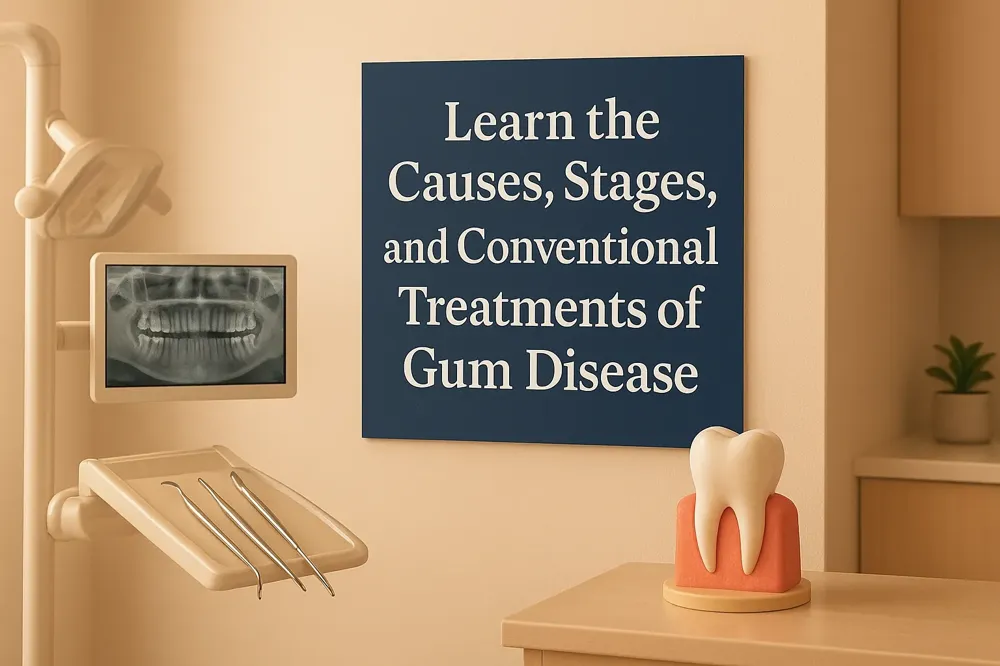
What causes gum disease?
Gum disease, also known as periodontal disease, primarily arises from bacterial plaque accumulation on teeth. When oral hygiene practices like brushing and flossing are inadequate, plaque can harden into tartar, which fosters bacterial infection and inflammation of the gums. Key risk factors include smoking, diabetes, hormonal changes, stress, genetics, and systemic illnesses like autoimmune disorders. These factors increase vulnerability to gum infections and exacerbate disease progression.
What are the stages of periodontal disease and why is early detection important?
Periodontal disease develops in stages, beginning with gingivitis, which is characterized by red, swollen, and bleeding gums. Gingivitis is reversible with diligent dental hygiene and professional cleanings. If untreated, it can progress to mild or moderate periodontitis, where supporting gum tissue and bone start to deteriorate, leading to deepening periodontal pockets and eventual tooth looseness. Advanced periodontitis involves significant tissue and bone loss, potentially causing tooth loss. Early detection through dental checkups and probing is critical to prevent extensive damage and maintain oral health.
What are traditional treatments for gum disease?
Traditional treatment methods focus on removing plaque and tartar and restoring gum health. The most common nonsurgical procedure is scaling and root planing (SRP), which involves deep cleaning of the root surfaces to eliminate bacterial deposits beneath the gumline and smooth the roots to promote tissue reattachment. In more severe cases, surgical interventions such as pocket reduction surgery, gum grafting, and guided tissue regeneration may be required to repair damage and encourage tissue regeneration.
What happens if gum disease goes untreated?
Untreated periodontal disease can lead to destruction of the gums, ligaments, and supporting bone, often resulting in tooth loss. Beyond oral consequences, gum disease has been linked to systemic health concerns, including increased risks of heart disease, stroke, diabetes complications, and neurodegenerative diseases such as Alzheimer's. Maintaining good oral hygiene and seeking timely dental care is critical for preventing these serious outcomes.
Is gum disease curable?
While early-stage gum disease (gingivitis) is reversible, more advanced stages involving tissue and bone loss are typically manageable rather than curable. Treatments aim to halt progression, manage infection, and preserve natural teeth as long as possible. Success depends on early intervention, effective treatment, and consistent oral care.
| Topic | Details | Importance |
|---|---|---|
| Causes | Plaque buildup, poor hygiene, risk factors (Plaque and tartar explanation) | Underlying reason for disease |
| Stages | Gingivitis to advanced periodontitis (Stages of Gum Disease) | Guides treatment approach |
| Traditional Therapy | Scaling and root planing, surgical options (Gum disease treatment) | Proven effectiveness in disease control |
| Untreated Impact | Tooth loss, systemic health risks (Complications from Untreated Gum Disease | Emphasizes urgency of treatment |
| Manageable, Not Curable | Early stages reversible, late stages controlled (Managing Gum Disease Effectively | Focus on prevention and maintenance |
What Is Laser-Assisted Periodontal Therapy and How Does It Work?
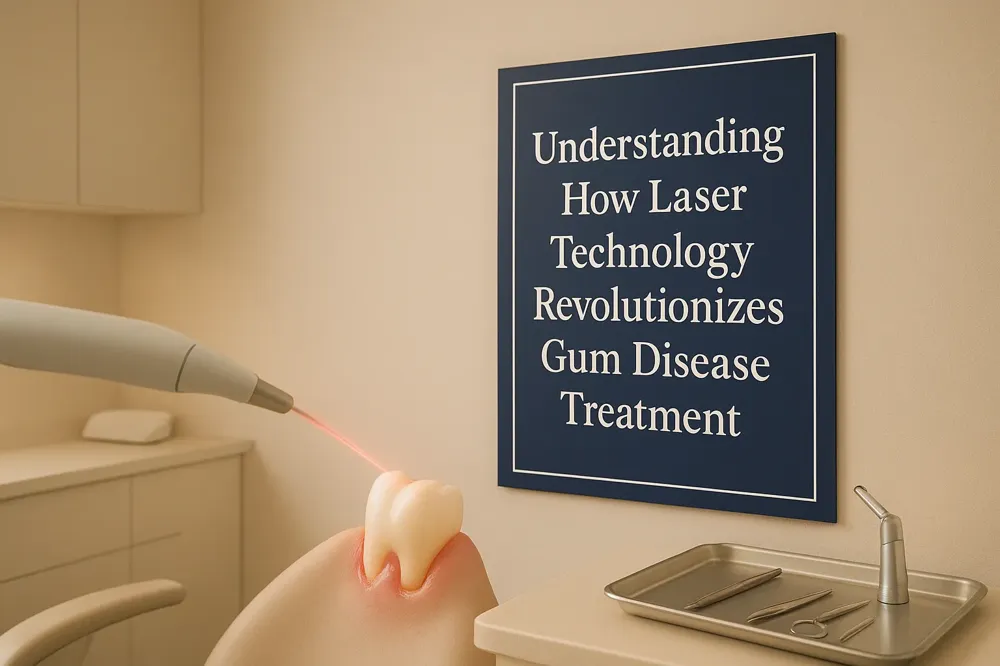
What is laser-assisted periodontal therapy?
Laser-assisted periodontal therapy (LAPT) is an advanced dental procedure that uses laser technology to treat gum disease by precisely targeting and removing diseased tissue and bacteria from periodontal pockets. Technologies such as WaterLase MD and WaterLase iPlus™ combine laser energy with water to minimize damage to healthy tissue while offering a minimally invasive approach. This sterilizes and seals the treatment area, reducing infection risks and promoting faster healing, often with less postoperative discomfort and fewer appointments than traditional methods. LAPT can be suitable for many patients, including those on blood thinners or smokers, and can even assist in cosmetic gum reshaping.
What types of lasers are used in periodontal therapy?
Several lasers are commonly employed in periodontal treatments, each with unique benefits:
- CO2 lasers: Provide precise cutting with superficial thermal effect, sealing blood vessels and promoting healing. See CO2 laser in soft tissue surgery.
- Diode lasers: Often used for soft tissue procedures with minimal bleeding. Refer to Laser surgery for gum disease.
- Nd:YAG lasers: Known for deep penetration and bactericidal effects but may delay fibroblast activity. Read more on Parameters affecting laser tissue effects.
- WaterLase lasers: Combine laser and water spray to cut and sterilize simultaneously, reducing thermal damage. Learn about SIROLaser® periodontal treatment.
How does laser therapy target infected tissue and sterilize?
Laser therapy for periodontal disease directs laser energy specifically at the infected, pigmented tissue within the gums, vaporizing diseased cells and killing harmful bacteria. The laser’s light wavelength is absorbed by pigmented tissues and blood, allowing selective targeting without affecting healthy areas. Additionally, the laser sterilizes the surgical site during the procedure, which reduces bacterial load and lowers the chance of post-treatment infections. This selective and sterilizing action supports natural healing and tissue regeneration as outlined in Natural healing and tissue regeneration with lasers.
What are the advantages over traditional methods?
Laser-assisted periodontal therapy offers several benefits compared to conventional techniques:
- Greater precision: Targets only diseased tissue, preserving healthy gums. See Precision of laser therapy in dental care.
- Minimal bleeding: Laser cauterizes as it cuts, resulting in a bloodless surgical area. Refer to less bleeding and swelling with laser treatment.
- Reduced discomfort: Typically requires less or no anesthesia and causes less trauma. Also see Reduced discomfort with laser periodontal therapy.
- Faster healing: Less swelling and scarring accelerate recovery. Refer to Healing after laser soft tissue wounds and Healing time for laser gum therapy.
- Lower infection risk: Sterilization during the procedure prevents bacteria proliferation. Related reading at Sterilizing tissue during dental procedures.
These benefits improve patient comfort and may reduce treatment times, making laser therapy an increasingly popular and effective option for managing periodontal disease.
Clinical Benefits and Patient Experience of Laser Periodontal Therapy
What are the benefits of laser periodontal therapy?
Laser therapy for periodontal disease offers numerous benefits that improve treatment outcomes and patient comfort. This technique uses focused light beams to precisely target and remove infected tissue while preserving healthy gums. The minimally invasive nature of Laser therapy to extend natural teeth longevity with lasers results in less bleeding and swelling during treatment compared to traditional methods.
Because lasers sterilize the treatment area as they work, the risk of post-procedure infection is significantly reduced. Patients benefit from faster healing and shorter recovery times, often returning to normal activities more quickly than with scalpel surgery. Additionally, this approach frequently requires minimal anesthesia, reducing the risks and discomfort associated with injections.
Does laser gum treatment hurt?
Laser therapy for gum disease causes considerably less pain than conventional gum surgery. Modern laser techniques focus on precision, which leads to reduced trauma and inflammation around the treated gums. Most patients report little to no pain during the procedure and experience only mild soreness or sensitivity afterward.
Post-operative discomfort is usually manageable with over-the-counter pain relievers and subsides within a few days. To ensure smooth recovery, dentists recommend following aftercare instructions such as using cold compresses, eating soft foods, and maintaining gentle oral hygiene.
What are common reviews or patient experiences of periodontal disease laser treatment?
Patient feedback highlights the advantages of Benefits of laser periodontal treatment. Many report less bleeding and swelling both during and after treatment, as well as decreased anxiety thanks to the minimally invasive procedure.
Faster healing times are commonly noted, allowing patients to resume daily routines sooner. Improvements in gum health, such as reduced bleeding and stabilized gum recession, are frequently observed in follow-up visits. However, outcomes can vary based on disease severity and practitioner expertise.
| Benefit | Description | Patient Impact |
|---|---|---|
| Precision | Targets diseased tissue, preserving healthy areas | Less tissue damage, better outcomes |
| Reduced Bleeding & Swelling | Laser cauterizes blood vessels | Clearer surgical field, less discomfort |
| Faster Healing | Minimally invasive with sterilization effect | Quicker return to normal activities |
| Minimal Anesthesia | Often no or little anesthesia needed | Lower procedure risks and anxiety |
| Infection Control | Laser sterilizes treated tissue | Reduced risk of post-op infection |
Overall, Laser periodontal therapy enhances treatment precision and patient comfort, making it a valuable alternative to conventional gum disease management.
Safety, Risks, and Post-Treatment Care in Laser Gum Therapy
What are the potential side effects of laser treatment for gums?
Laser gum therapy is generally safe with minimal invasiveness. Patients may experience mild discomfort, some swelling, or increased tooth sensitivity shortly after treatment. These symptoms usually subside within a few days. Slight bleeding can also occur, especially if the gums are already inflamed or delicate. Rarely, improper use or incorrect laser settings may cause gum recession or minor tissue damage. Adhering to post-treatment care instructions from your dental professional is essential for minimizing risks and ensuring proper healing.
What are the disadvantages or risks of laser therapy in periodontics?
While laser therapy offers many advantages, it also carries certain risks. Thermal damage is a primary concern, where excessive heat from the laser can harm nearby tissues, potentially causing increased sensitivity or tissue necrosis. Strict sterilization protocols must be followed to prevent infections. Safety measures, including protective eyewear for both patient and operator, are mandatory to avoid eye injuries. Laser therapy may not be suitable for every patient, particularly those with specific medical conditions or on medications, limiting its effectiveness in some cases.
Why are protective safety measures important during laser procedures?
Protective safety measures are critical to avoid accidental burns and eye damage caused by laser exposure. Both the patient and dental team should always wear appropriate protective glasses to shield the eyes from laser rays. The procedure environment must be controlled carefully, with trained professionals operating the equipment to regulate laser parameters precisely and avoid tissue injury.
What are the recommended post-treatment care and recovery guidelines?
After laser gum therapy, patients should follow specific care guidelines to support healing:
- Avoid brushing or flossing the treated area immediately after the procedure.
- Use warm saltwater rinses or prescribed antimicrobial mouthwash to reduce infection risk.
- Consume soft, non-irritating foods, steering clear of hot, spicy, or acidic items.
- Refrain from smoking and avoid extreme temperatures in beverages.
- Maintain regular dental checkups to monitor healing progress and prevent bacterial regrowth.
What rare complications can occur and how are they managed?
Infrequently, patients might encounter complications such as infection, persistent swelling, or changes in gum pigmentation. Symptoms like pus, increased pain, or fever require prompt attention from a dental professional. Management may include antibiotics, additional cleaning, or adjusting oral care routines. Overall, these occurrences are rare when laser therapy is conducted by experienced clinicians following proper protocols.
Comparing Laser Therapy with Traditional Periodontal Treatments
How does laser gum treatment compare with deep cleaning?
Laser gum treatment and deep cleaning (scaling and root planing are common therapies for managing gum disease, but they approach treatment differently. Deep cleaning involves manually scraping plaque and tartar from below the gumline. While effective, it can cause discomfort, bleeding, and longer healing times. Laser therapy uses focused light beams to precisely remove infected tissue and bacteria. This results in less pain, minimal bleeding, and faster recovery. Laser treatments also offer antibacterial effects and promote tissue regeneration, which may enhance healing compared to traditional methods.
Advantages in patient comfort and healing times
Laser therapy routinely leads to reduced discomfort during and after treatment, often requiring little to no anesthesia. Patients experience less swelling, bleeding, and trauma. Faster healing commonly allows a quicker return to normal activities. Traditional deep cleaning methods tend to involve more soreness and longer recovery periods due to the more invasive nature of manual plaque removal.
Limitations and scenarios where traditional surgery is preferred
Despite its advantages, laser therapy may not be suitable for all cases. Severe or advanced periodontal disease with extensive bone loss often requires conventional surgical intervention to effectively restore tissue and bone. Traditional methods remain the gold standard in complex cases because lasers may lack the ability to remove all infected tissue deeply or to regenerate bone as comprehensively (Periodontal Disease Overview.
Cost considerations and insurance coverage
Laser periodontal treatments generally have higher upfront costs compared to traditional deep cleaning. Insurance coverage varies, and laser procedures may not be fully covered or may require additional preauthorization. Patients should consult with their dental providers and insurance plans to understand financial implications.
Integration approaches of laser treatments into periodontal care plans
Many dental practices use laser therapy as a complementary procedure alongside traditional treatments. For example, laser therapy can be adjunctive to scaling and root planing, improving bacterial reduction and promoting healing (Laser therapy for periodontal disease). Customized care plans evaluate disease severity, patient health status, and treatment goals to decide the appropriate combination of laser and traditional modalities for optimal periodontal management.
Future Directions and Broader Impact of Laser Periodontal Therapy
What advancements are shaping the future of laser periodontal therapy?
Recent innovations like LANAP (Laser-Assisted New Attachment Procedure) mechanism and WaterLase technology are transforming gum disease treatment. LANAP utilizes specific laser wavelengths that stimulate regeneration of healthy gum tissue and bone, offering patients less invasive options with faster recovery. WaterLase combines laser energy with water spray, enhancing precision and reducing thermal damage to surrounding tissues.
How does laser therapy promote tissue regeneration and preserve bone?
Laser periodontal therapy not only removes infected tissue but also encourages natural healing processes. By minimizing trauma to gums and underlying bone, these treatments help preserve essential structures that support teeth. Clinical evidence shows that such laser-assisted procedures promote regeneration of connective tissues and bone, which is vital for long-term oral health.
Who benefits most from laser periodontal treatment?
Patients with complicating factors—such as those on blood thinners, with systemic health issues like diabetes, or with bone loss around dental implants—often find laser therapy advantageous. Its minimally invasive nature reduces bleeding risk and discomfort, making it a safer alternative for individuals who might face challenges with conventional surgery.
What is the broader impact of laser periodontal therapy on systemic health?
Improved management of periodontal disease through laser therapy contributes to overall health by reducing chronic inflammation and bacterial load. Since gum disease is linked to conditions like heart disease, stroke, and diabetes, effective periodontal care can play a role in mitigating these associated risks.
How is Southern Boulevard Dental leveraging these advancements?
At Southern Boulevard Dental, the integration of advanced laser techniques ensures patients receive modern, comfortable care that enhances healing and preserves natural teeth. This family-focused practice combines experienced clinical skills with cutting-edge technology to provide personalized periodontal therapy with SIROLaser® designed to promote lasting oral and systemic health.
Is laser treatment effective for periodontitis and gum disease?
Laser treatment, such as LANAP, has proven highly effective for various stages of periodontitis and gum disease. It precisely removes diseased tissue while preserving healthy areas, reducing inflammation and bacterial contamination. This results in less bleeding, swelling, and discomfort compared to traditional surgery. Optimal outcomes require combining laser therapy with good oral hygiene and regular dental visits.
Conclusion: Embracing Laser Technology for Enhanced Gum Disease Management
Benefits and Safety of Laser Therapy
Laser therapy for gum disease has transformed periodontal treatment by offering a less invasive, highly precise approach. Patients benefit from reduced bleeding, minimal discomfort, and shorter recovery times compared to traditional methods. The sterilizing effects of lasers further decrease the risk of infection during and post-surgery. With advanced laser systems like SIROLaser® and LANAP, treatments promote natural tissue regeneration and bacterial reduction with minimal anesthesia and scarring.
Early Intervention and Ongoing Care
Timely diagnosis and treatment of gum disease are vital to prevent its progression and avoid tooth loss. Laser therapy complements comprehensive dental care by effectively targeting diseased tissue while preserving healthy structures. Maintaining routine dental visits, consistent oral hygiene, and lifestyle adjustments are essential to sustain treatment gains and reduce recurrence risks.
Patient Empowerment and Trusted Clinics
Patients experiencing symptoms or diagnosed with periodontal disease are encouraged to explore laser treatment options offered by experienced dental professionals. Trustworthy clinics equipped with up-to-date laser technology provide personalized care tailored to individual needs, ensuring both safety and effectiveness.
Advancing Periodontal Treatments Through Innovation
The continuous evolution of laser technologies marks a significant advancement in periodontal therapy. These innovations improve clinical outcomes and patient comfort, emphasizing the importance of embracing modern dental tools within family-oriented practices committed to long-term oral health.