Introduction
Cavities begin when bacteria in dental plaque metabolize sugars and starches, producing acids that demineralize the enamel surface. If the acid attacks are frequent, the enamel cannot repair itself, and a white‑spot lesion may progress to a permanent cavity. Early decay can be reversed with fluoride, but once enamel is lost it cannot regenerate. Prevention is therefore essential. By limiting sugary and starchy snacks, maintaining regular fluoride exposure through toothpaste, water, or professional treatments, and keeping saliva flow optimal, we reduce acid attacks and support natural remineralization. A consistent oral‑hygiene routine combined with regular dental check‑ups helps catch early lesions before they become irreversible, protecting both children and adults for a lifetime of healthy smiles.
Mastering Daily Oral Hygiene
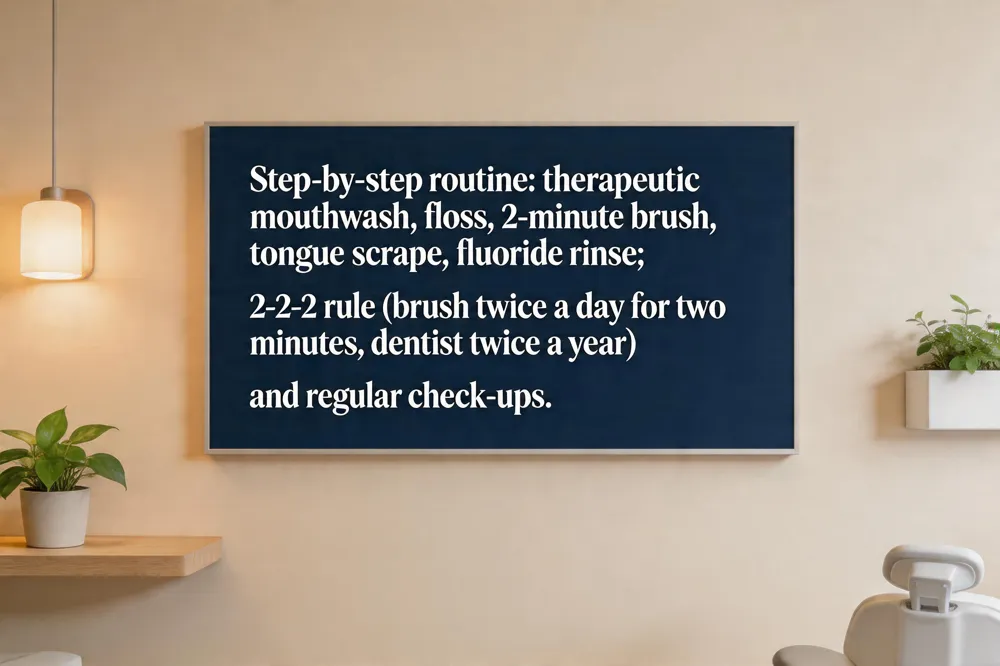 A thorough oral‑hygiene routine begins with rinsing the mouth to loosen debris, followed by brushing all tooth surfaces for two minutes using a soft‑bristled brush and fluoride toothpaste. Next, floss between the teeth and along the gum line to remove plaque that the brush can’t reach. After flossing, use a tongue scraper or brush the tongue to eliminate bacterial buildup and freshen breath. Finish with a fluoride mouthwash to help remineralize enamel and reduce bacteria. Finally, replace your toothbrush or brush head every three months and schedule regular dental check‑ups for professional cleanings and early detection of any problems.
The order of steps matters: start with a therapeutic mouthwash to loosen debris, then floss to clear the spaces between teeth, brush for two minutes, scrape the tongue, and finish with a short fluoride rinse if recommended. This sequence maximizes plaque removal and fluoride exposure.
Oral hygiene can be grouped into three types: mechanical methods (brushing, flossing, interdental brushes, water‑flossers), chemical methods (antimicrobial or fluoride mouth rinses, prescription gels, chewing gum), and professional care (cleanings, sealants, in‑office fluoride). Combining all three provides the strongest defense against cavities and gum disease.
Remember the 2‑2‑2 rule: brush twice a day for two minutes each time and see your dentist twice a year. This simple guideline helps keep your teeth and gums healthy for life.
Fluoride: The Cornerstone of Cavity Prevention
 Fluoride toothpaste works by delivering calcium‑ and phosphate‑rich minerals directly to the enamel surface during brushing. When fluoride adheres to the tooth, it raises the fluoride concentration in saliva, allowing the enamel to remineralize and become more resistant to the acid attacks produced by plaque bacteria. The American Dental Association (ADA) recommends a pea‑sized amount for children 3‑6 years and a strip‑length for adults, twice daily, with a product bearing the ADA Seal (1,000‑1,450 ppm fluoride or higher prescription strength for high‑risk patients).
Fluoride sources are varied: community water fluoridation (about 63 % of Americans have access) provides a low‑level, systemic boost; fluoride toothpaste offers a topical daily dose; and professional applications—varnish, gel, or rinse—deliver higher concentrations during dental visits, reducing early lesions and preventing new cavities.
Dental sealants and fluoride varnish act as mechanical and chemical barriers. Sealants coat the pits and fissures of permanent molars, cutting cavity risk by up to 80 %, while varnish applied by a dentist supplies a concentrated fluoride film that can arrest early demineralization for months.
Risk‑based preventive plans, such as the CAMBRA approach, tailor the frequency of brushing, flossing, fluoride use, sealants, and professional cleanings to an individual’s cavity risk level. The single most effective way to prevent cavities is a consistent oral‑hygiene routine—brushing twice a day with fluoride toothpaste, daily flossing, limited sugary snacks, and regular dental check‑ups—combined with personalized fluoride or sealant treatments as needed.
Diet, Lifestyle, and Natural Strategies
 Sugar and acid exposure – Frequent snacking on sugary or starchy foods keeps the mouth acidic, allowing plaque bacteria to demineralize enamel. Limit between‑meal sweets and choose water or unsweetened tea instead of soda.
Saliva stimulation – Saliva supplies calcium and phosphate for natural remineralization. Chew sugar‑free gum (especially xylitol) or sip water after meals to boost flow, especially before bedtime when saliva slows.
Xylitol gum and oil pulling – Xylitol‑sweetened gum reduces Streptococcus mutans and raises pH; oil pulling with coconut or sesame oil for 10‑15 minutes can lower bacterial load, supporting gum health and early‑stage lesion control.
Home remedy options – Use a soft‑bristled or electric toothbrush twice daily, floss daily and rinse with an alcohol‑free antibacterial mouthwash (e.g., peppermint or tea‑tree oil). Over‑the‑counter fluoride varnish or hydroxyapatite toothpaste can help remineralize early white‑spot lesions.
Nutrient support for enamel – A diet rich in calcium (dairy, leafy greens), vitamin D (sunlight, fortified foods), and phosphate (meat, fish) strengthens enamel. Probiotic foods like kefir and kimchi promote a balanced oral microbiome.
How to prevent tooth decay home remedies – Combine the above habits: brush, floss, xylitol gum, oil pull, fluoride rinse, and a calcium‑rich diet.
Oil pulling heal cavities naturally – It may reduce plaque and support early remineralization but cannot repair established cavities; professional care is still required.
How to reverse a cavity naturally? – Early demineralization can be remineralized with fluoride, calcium‑rich foods, reduced sugar, and diligent oral hygiene; true cavities need dental treatment.
What causes cavities? – Bacterial plaque metabolizes sugars into acids that erode enamel; poor hygiene, frequent sugar exposure, dry mouth, and weak enamel increase risk.
What are the 4 causes of tooth decay? – (1) Plaque buildup, (2) frequent fermentable carbohydrate exposure, (3) prolonged acidic environment, and (4) susceptible tooth structure (low fluoride, thin enamel, reduced saliva).
Professional Care, Early Detection, and Treatment Options
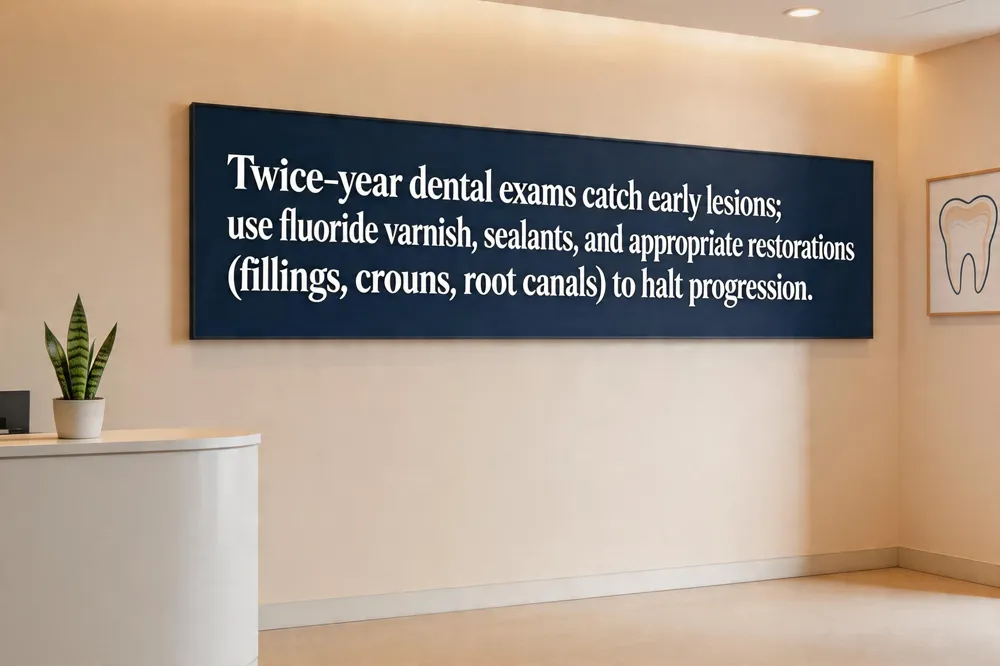 Regular dental exams (at least twice a year) let the dentist spot early tooth‑spot lesions, apply fluoride varnish, and assess risk with CAMBRA—an evidence‑based tool that tailors preventive care to each patient’s cavity risk level. Sealants placed on the pits of molars protect acid teeth and can prevent up to 80% of cavities in those teeth.
Early signs of cavity: Look for white, chalky spots on enamel, heightened sensitivity to hot, cold, sweet or acidic foods, or tiny brown/black stains. These indicate demineralization and can be reversed with fluoride.
Small cavity: A tiny pit or spot where enamel has begun to break down. It may be painless but signals that decay is underway. Prompt fluoride varnish or a simple tooth‑colored filling can stop progression.
How to reverse a cavity naturally: Reduce sugary/acidic foods, increase calcium‑rich foods, brush twice daily with fluoride toothpaste, floss nightly, and consider an antimicrobial mouthwash or probiotic foods to support healthy oral flora.
How to prevent cavities after fillings: Maintain diligent brushing/fluoride toothpaste, floss daily, limit sugary snacks, stay hydrated, and keep regular check‑ups to monitor the restoration.
Teeth cavity treatment: Early lesions are treated with fluoride or sealants; moderate decay receives composite or amalgam fillings; extensive decay may require crowns, root‑canal therapy, or extraction with replacement.
With consistent oral hygiene, fluoridated water, and professional care, most cavities can be prevented or halted before they become serious.
Common Questions, Myths, and Take‑aways
 Is 7 cavities a lot? Yes—seven cavities indicate a high caries burden, often linked to frequent sugary snacks, inadequate brush twice daily for two minutes, use fluoride toothpaste, and schedule two professional cleanings each year to keep plaque low and enamel strong. Summary of key preventive actions: limit sugary foods, floss daily, drink fluoridated water, consider sealants on molars, and keep regular check‑ups for early detection and fluoride treatments for lifelong health.
Conclusion
Consistent oral‑care habits—brushing twice daily with fluoride toothpaste, flossing each day, limiting sugary snacks, and drinking fluoridated water—protect enamel and reduce acid attacks. Saliva’s natural minerals and professional fluoride applications can remineralize early lesions, while sealants shield vulnerable molar pits. Regular six‑month dental check‑ups allow early detection of white‑spot decay, professional cleaning, and personalized risk‑assessment tools such as CAMBRA. Schedule your next appointment today to keep your smile healthy for life. Your dentist will review lifestyle, fluoride options, and preventive care.