
Understanding Patient‑Centered Scheduling
Patient‑centered scheduling puts the patient’s personal rhythm at the core of appointment planning, allowing individuals to choose times that fit work, school, family, or transportation constraints. In dentistry, flexible office hours—early mornings, evenings, and weekend slots—expand access for working adults, students, caregivers, and retirees, reducing the need to take time off or arrange child‑care. When patients can secure convenient appointments, studies show missed visits drop by 15‑30% and no‑show rates fall 20‑25%, directly boosting treatment adherence. The ease of online booking, real‑time availability, and automated reminders further empowers patients, fostering trust, higher satisfaction, and earlier detection of oral‑health issues.
Why Flexible Hours Matter for Treatment Adherence
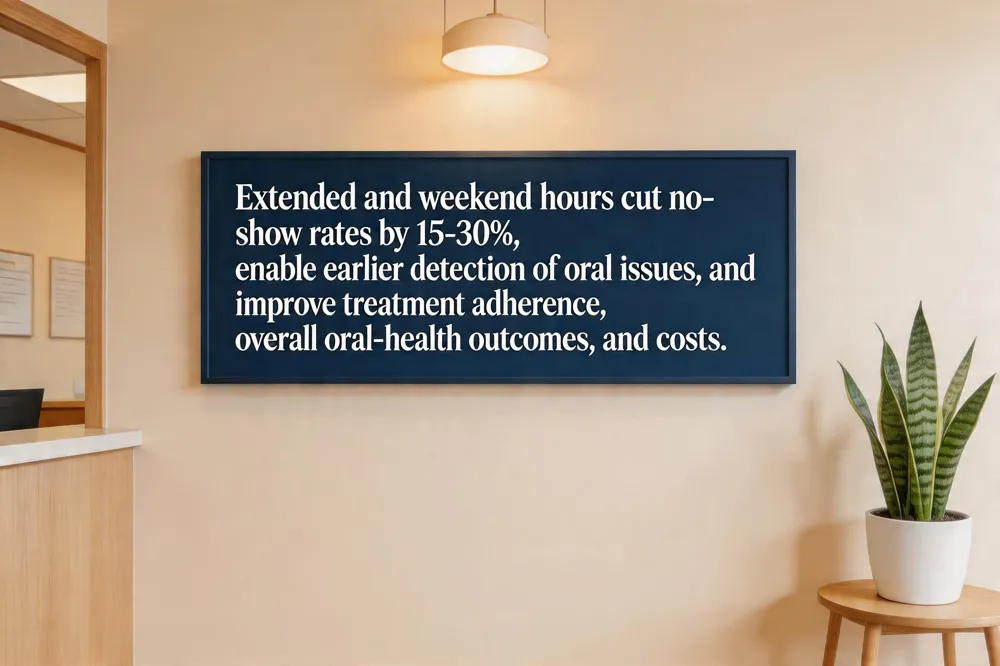
Extended and weekend office hours dramatically cut no‑show rates—studies show reductions of 15‑30% when clinics offer early‑morning, evening, and Saturday slots, because patients can fit visits around work, school, or family duties. This flexibility leads to earlier detection of cavities, gum disease, and other issues, allowing clinicians to intervene before problems become invasive or costly, ultimately improving oral‑health outcomes. Flexible scheduling also embodies value‑based care: when patient preferences drive appointment times, satisfaction rises and treatment adherence improves, supporting better health results and lower overall costs.
Strategies for effective dentist‑patient communication: a literature review– Clear, concise information delivered with empathy, visual aids, and shared decision‑making builds trust and reduces anxiety, fostering adherence.Non‑verbal communication in dentistry– A genuine smile, steady eye contact, open posture, and a calm tone convey professionalism and reassurance, especially when masks hide facial cues.Why is communication important in dentistry– Trust, understanding, and active listening empower patients to follow recommendations, reduce complaints, and strengthen practice reputation.A guide to effective communication in dentistry – Listen actively, use plain language, confirm comprehension, and tailor messages to each patient’s literacy and cultural background to promote long‑term oral‑health adherence.
Convenient Access: Finding the Right Dental Care Near You
Southern Boulevard Dental in Rio Rancho, NM, is a family‑focused practice located at 1110 S. Blvd., just off Interstate 40. The modern office offers preventive cleanings, restorative and cosmetic work, orthodontics, and same‑day emergency care, all supported by digital imaging, laser technology, and a compassionate team that prioritizes comfort.
Emergency dentist near me– When sudden tooth pain, a knocked‑out tooth, or another urgent oral issue arises, the practice provides same‑day emergency appointments. Patients can call (505) 123‑4567 or submit an online request, and a qualified dentist will address the problem promptly, minimizing pain and preventing complications.How can patient scheduling be improved? – Implementing an online self‑scheduling portal lets patients view real‑time availability, book or modify appointments, and receive automated reminders via SMS or email. Integration with the electronic health record ensures accurate patient data, while wait‑list automation fills cancellations quickly, reducing no‑show rates and staff workload. These tools create a patient‑centered, efficient scheduling experience that boosts satisfaction and adherence.
For flexible hours, same‑day care, and easy online booking, call Southern Boulevard Dental at (505) 555‑1234 or visit the website.
Financing and Coverage: What Patients Need to Know
Understanding dental financing helps patients stay on schedule and avoid surprise costs. Flexible, patient‑centered scheduling—such as evening and weekend slots—makes it easier to attend appointments, which is especially important when coordinating insurance verification or payment plans.
Is it true that Medicare now pays for dental implants? No. Original Medicare (Parts A and B) excludes routine and elective dental work, including implants. Only Medicare Advantage (Part C) plans may offer limited dental benefits, and most restrict coverage to preventive care. Some plans provide optional supplemental dental riders that could offset part of an implant cost, but coverage varies widely. In most cases patients must pay out‑of‑pocket or use separate dental insurance, HSAs, or financing options.Can diabetics get help with dental treatment? Yes. Diabetes increases the risk of gum disease, so many practices schedule more frequent check‑ups and tailor treatment plans. While there is no universal free‑dental program for diabetics, patients may qualify for Medicaid, private plans that cover preventive care, or community discount programs. Southern Boulevard Dental also offers flexible payment options and can guide patients to local resources.Dental communication course
A dental communication course teaches clinicians and staff empathetic, clear dialogue that builds trust, reduces missed appointments, and improves case acceptance. It covers phone and texting etiquette, guided‑conversation techniques, and strategies for handling scheduling conflicts. Many programs offer CE credit and are available online through the Academy of General Dentistry or the American Association of Dental Office Management. Implementing these skills supports a patient‑centered experience and smoother financial discussions.
Optimizing Practice Operations Through Centralized Scheduling
Centralized scheduling gives dental teams a single, real‑time view of provider availability, equipment, and patient appointments across all locations. This unified dashboard maximizes resource utilization, cuts idle chair time, and lowers overhead costs, while also reducing patient wait times and boosting satisfaction.
Wave scheduling is the practice of asking all patients in a given hour to arrive at the start of that hour. By grouping check‑ins, the office can streamline intake, keep the clinician’s workload balanced, and minimize gaps in the schedule—especially when appointments are of similar length.
Adherence to treatment plans can be understood through five key dimensions: (1) socioeconomic factors, (2) health‑care system‑related factors, (3) condition‑related factors, (4) treatment‑related factors, and (5) patient‑related factors. Recognizing these helps the practice tailor reminders and flexible slots to each patient’s needs.
When scheduling an appointment at Southern Boulevard Dental, three pieces of information are essential: the patient’s full name and birthdate, the reason for the visit or specific service requested, and a reliable telephone number for confirmations and reminders. Collecting these details ensures a smooth, personalized experience and supports higher treatment adherence.
Enhancing Patient Experience Through Communication Resources
Effective written communication is a cornerstone of modern dental practice. Clear letters, referral notes, and digital reports convey treatment plans, instructions, and follow‑up care consistently, strengthening trust and ensuring legal compliance. At Southern Boulevard Dental we use secure portals, email templates, and digital imaging to make these messages easy to understand.
Our “Dentist‑Patient Conversation” PDF provides a printable script that walks patients through a typical visit—from greeting and symptom description to diagnosis, cost discussion, and after‑care instructions. The document uses empathetic language, visual cues, and spaces for patient notes, helping individuals feel heard and confident before stepping into the chair.
The “Communication in Dentistry” guide outlines verbal and non‑verbal techniques that boost satisfaction and reduce complaints. It emphasizes friendliness, empathy, punctuality, and clear information, offering active‑listening strategies and cultural‑sensitivity tips that enhance every interaction.
A dental communication course further equips clinicians and staff with skills for phone, text, and in‑office dialogue, reducing missed appointments and increasing case acceptance. By integrating these resources, Southern Boulevard Dental delivers a patient‑centered, trustworthy experience.
Economic and Clinical Impact of Flexible Scheduling
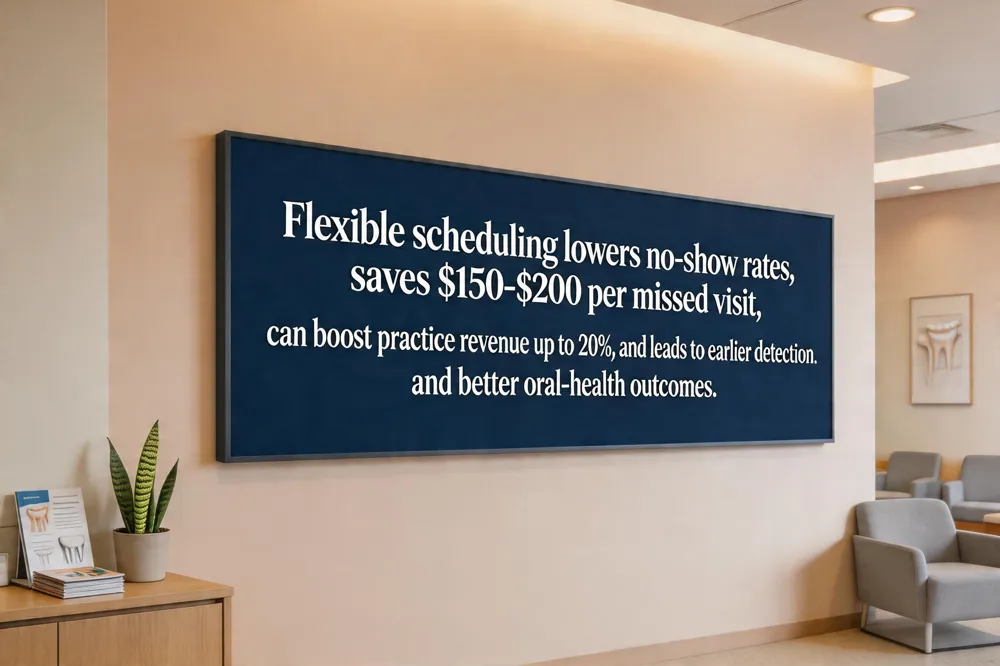
Flexible, patient‑centered scheduling delivers measurable economic and clinical benefits for dental practices and the communities they serve. By offering extended hours, online self‑booking, and automated reminders, practices reduce no‑show rates by 15‑30%, translating into direct cost savings—each missed appointment can cost a clinic $150‑$200 in lost revenue and staff time. The resulting increase in completed treatment plans boosts overall practice income, with studies showing up to a 20 % rise in revenue from higher chair utilization and fewer cancellations.
Beyond the balance sheet, flexible scheduling improves oral health outcomes. When patients can select convenient times, they are more likely to attend preventive cleanings and follow‑up visits, leading to earlier detection of cavities and periodontal disease and reducing the need for costly, invasive procedures. This, of care benefits the broader community by lowering the prevalence of untreated dental disease and its systemic health implications.
Impact of appointment scheduling in patient experience– Effective scheduling reduces wait times, empowers patients with online booking, and lowers frustration, enhancing satisfaction and loyalty.Appointment scheduling in healthcare– It balances provider availability with patient preferences, using tools like wave scheduling and self‑service portals to maximize resources and improve outcomes.How can patient scheduling be improved? – Implement online self‑scheduling, integrate with electronic health records, use automated reminders and wait‑listing, and apply data analytics to optimize staffing and slot availability.
Putting Flexible Scheduling into Practice
Flexible, patient‑centered scheduling is a proven driver of treatment adherence. When patients can choose early‑morning, evening or weekend slots that fit work, school or family commitments, missed or cancelled visits drop by 15‑30 % and no‑show rates fall by up to 22 %. The result is earlier detection of decay, fewer emergency procedures and lower overall costs for both the patient and the practice. To experience these benefits, simply visit our online booking portal, select the date and time that suit you, and receive automated reminders via text or email. Our real‑time system lets you reschedule with a click, keeping your care plan on track. Looking ahead, dental offices will increasingly integrate AI‑driven scheduling, tele‑dental triage and personalized reminder workflows, making convenience a permanent feature of oral‑health care. Embrace the flexibility today and stay ahead of your dental health.