Embracing Modern Technology for Healthier Gums
Periodontal disease is a widespread concern, affecting approximately 47% of American adults aged 30 or older according to research from UTSW Medical Center. Left unmanaged, this condition can progress beyond simple gum irritation to threaten the bone structure supporting your teeth, while potentially contributing to systemic health risks.
At sbdental.com, our practice prioritizes a patient-centered approach that integrates advanced technology to restore oral health. Unlike older methods that may rely on invasive tools, our use of Gentle Laser Periodontal Therapy allows us to target infection with high precision. This modern solution supports tissue regeneration and bone growth, offering a more comfortable experience than traditional surgical options that often involve scalpels and sutures as noted in dental literature.
Our commitment to minimally invasive dentistry means we focus on preserving your healthy gum tissue while effectively managing disease. By utilizing modern diagnostic tools like digital X-rays, our team ensures every treatment plan is tailored to the individual, helping you achieve lasting results with less discomfort and faster recovery times than conventional surgical alternatives.
Understanding Laser Technology in Periodontal Care
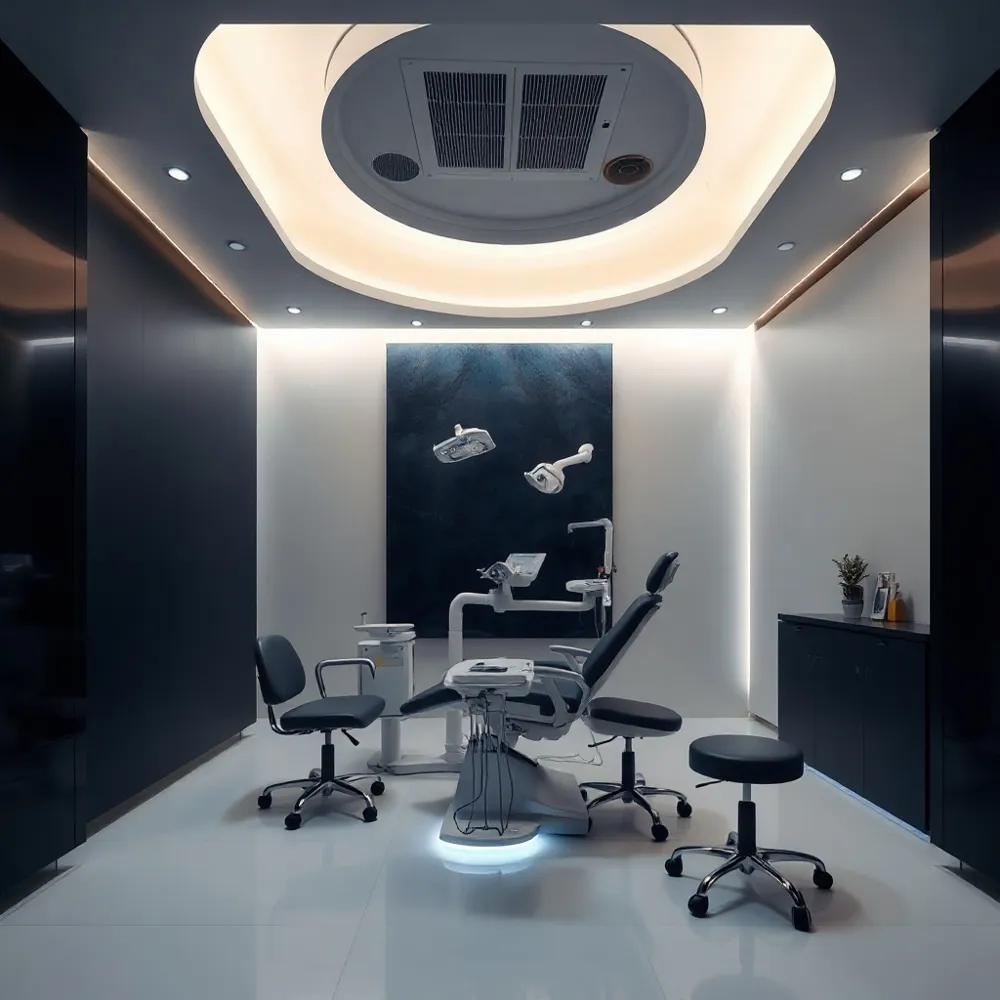 Laser periodontal therapy uses targeted light energy to remove diseased tissue and bacteria from the gum pocket. The American Academy of Periodontology notes that periodontitis is a major cause of tooth loss in adults, and laser treatment is recognized as an effective, modern option to help preserve the supporting structures around your teeth.
How does laser light distinguish between healthy and diseased tissue?
The core of this technology lies in its ability to identify tissue based on pigmentation. Diseased or inflamed gum tissue often contains higher concentrations of melanin, which results in a darker color compared to healthy surrounding areas. Because the laser is calibrated to target these specific darker tones, laser surgery can vaporize infected cells with remarkable precision while leaving the healthy, pink gum tissue entirely unharmed.
What is the sterilization effect of these advanced tools?
Beyond simply removing damaged tissue, the energy delivered by the laser performs a critical sterilization function. As the light reaches deep into periodontal pockets, it eliminates the vast majority of harmful oral bacteria on contact. At sbdental.com, we utilize this gentle laser periodontal therapy to neutralize pathogens, which significantly lowers the risk of post-operative infection compared to traditional mechanical methods. This process also cauterizes the treatment site during the procedure, which minimizes bleeding and promotes a much faster healing response for our patients.
| Feature | Traditional Surgery | Laser Therapy |
|---|---|---|
| Precision | Low (Scalpel) | High (Light) |
| Bleeding | Common | Minimal |
| Healing | 2-4 Weeks | Faster |
Comparing Laser Therapy to Traditional Dental Cleaning
Traditional deep cleaning, clinically known as scaling and root planing, serves as the standard mechanical therapy for managing early to moderate gum disease. This process involves the manual removal of tartar and plaque from tooth roots, followed by the smoothing of root surfaces to discourage future bacterial buildup. While effective, this mechanical approach can sometimes feel invasive due to the physical instrumentation required to reach deep into periodontal pockets.
Laser periodontal therapy offers a modern alternative that provides enhanced precision by utilizing targeted light energy to remove diseased tissue and neutralize bacteria. Unlike standard mechanical scraping, the laser surgery technique focuses specifically on inflamed areas, preserving more of your healthy surrounding tissue. By cauterizing the area as it works, the laser often leads to significantly less bleeding and swelling during the recovery phase.
How does laser gum treatment compare to traditional deep cleaning?
Laser therapy is rarely used as a complete replacement for all conventional care and instead functions as a powerful adjunct to traditional methods. By incorporating Gentle Laser Periodontal Therapy, your dental care provider can effectively address deep pockets that might be difficult to access with traditional tools alone. This integrated approach combines the proven benefits of thorough mechanical cleaning with the advanced restorative capabilities of laser light.
Deciding between these methods often depends on the specific progression of your gum disease. Patients seeking a less invasive experience may find that Gentle Laser Treatments minimize post-operative discomfort and support faster healing times. Our team at sbdental.com performs a comprehensive evaluation of your oral health to determine if laser therapy, conventional scaling, or a combined approach will best preserve your teeth and support long-term wellness.
Minimizing Discomfort During Your Dental Visit
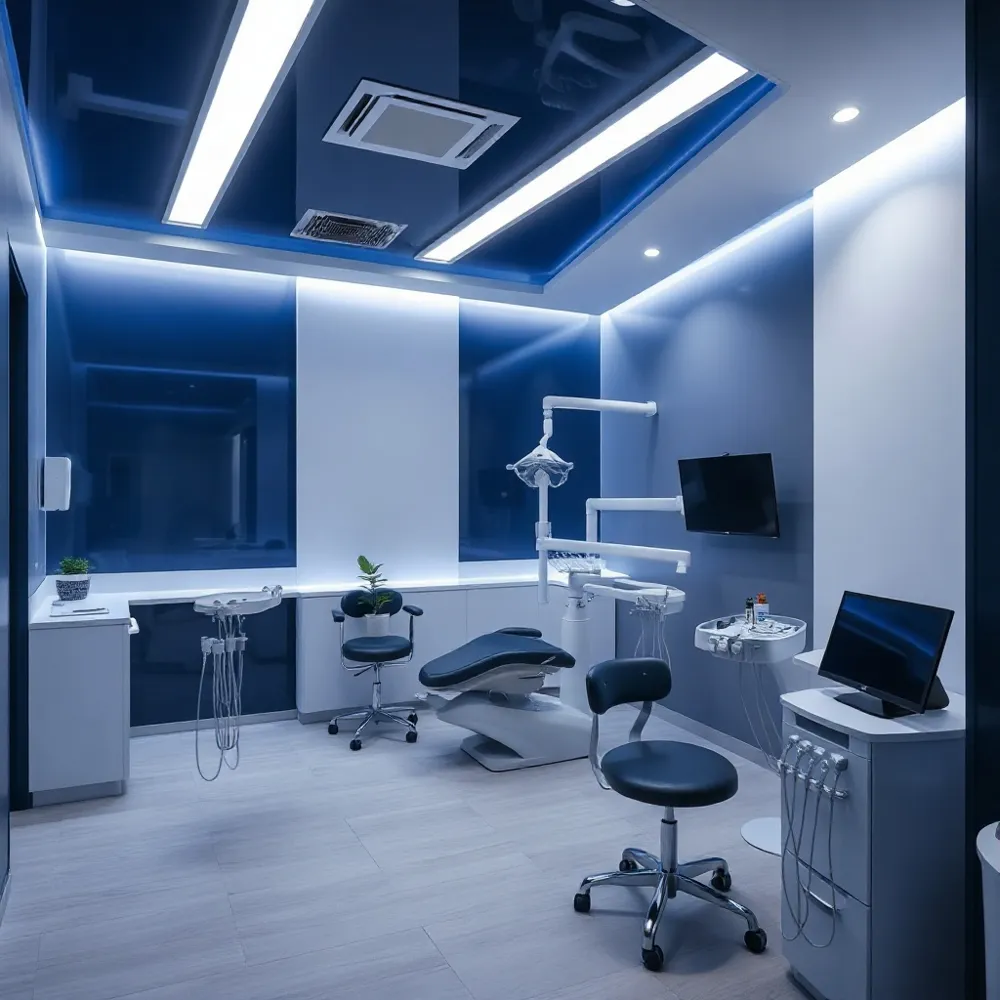 Many patients find laser gum treatment to be significantly more comfortable than traditional surgical methods, as it is a minimally invasive procedure that involves no cutting or stitching. While it is natural to feel some anxiety, dentists prioritize your comfort by using local anesthetics or sedation to ensure you remain relaxed throughout the process. During the treatment, most individuals report only a slight tingling sensation rather than pain. While you may experience mild swelling or minor sensitivity for a few days during the healing process, this discomfort is typically very manageable and does not disrupt your daily routine.
At sbdental.com, we prioritize a patient-centered environment to ensure that your experience is as stress-free as possible. Unlike conventional surgical approaches that rely on scalpels and sutures to remove infected tissue, advanced laser protocols avoid mechanical cutting entirely. By bypassing these invasive steps, we significantly reduce the trauma typically associated with periodontal work.
The technology itself contributes to this gentle experience. During the procedure, the laser energy simultaneously vaporizes diseased tissue and cauterizes the incision, which significantly limits bleeding per UTSW Medical Center. Furthermore, lasers are uniquely capable of sealing nerve endings during the treatment process. This action helps to diminish post-operative sensitivity, allowing you to return to your normal routine much faster than would be possible with traditional surgery.
Recovery Expectations and Healing Timelines
Laser gum treatment is a minimally invasive procedure, meaning most patients return to their normal routines, including work, the very next day per sbdental.com. You may experience mild soreness for the first few days, which is typically managed easily with over-the-counter pain relievers.
During the first week, it is important to follow a soft-food diet and avoid brushing directly over the treated areas to allow your gums to heal properly per UTSW Medical Center. As you move into weeks two through four, you will notice the gum tissue beginning to tighten and reattach, signaling that your pockets are shrinking and inflammation is resolving. While initial recovery is quick, the deeper process of tissue and bone regeneration continues over the following months, during which time we will monitor your progress to ensure excellent long-term results.
What can I expect during the recovery period after laser gum treatment?
The Gentle Laser Periodontal Therapy offered at sbdental.com prioritizes a comfortable healing experience by removing the need for scalpels or sutures often found in traditional surgical methods. By avoiding invasive cutting, patients see a significant reduction in post-operative swelling and discomfort compared to conventional approaches.
- Stick to soft foods for the first week to protect healing tissues.
- Avoid activities that create suction in the mouth, such as using straws or smoking, for 7 to 10 days.
- Keep your head elevated while resting the night after your procedure to minimize minor bleeding.
- Schedule regular maintenance visits every 3 to 6 months to monitor tissue health and long-term bone regeneration.
Essential Aftercare and Dietary Guidelines
 Prioritizing your recovery after laser gum treatment is just as important as the procedure itself. At sbdental.com, we emphasize a patient-centered approach to aftercare, helping you navigate the first few days with clear, actionable guidance. While laser therapy is far less invasive than conventional surgical methods, such as those involving scalpels or stitches, your body still requires time to regenerate tissue and stabilize the surgical site.
What should I avoid doing after receiving laser gum treatment?
To support optimal healing, avoid consuming spicy, crunchy, hard, or “chippy” foods, as these can easily irritate the surgical site. Do not use straws for the first few days, as the suction can disturb the healing tissue and dislodge essential blood clots. Carefully avoid chewing food in the treated area for at least one week, and refrain from applying pressure to the gums with your tongue or cheek. Additionally, reduce your physical activity for several hours following your procedure and avoid smoking for at least 48 hours to ensure a smooth recovery. Finally, do not brush or floss the treated area until your dentist specifically instructs you that it is safe to do so per UTSW Medical Center.
Maintaining proper hygiene requires a gentle touch. When you are ready to resume cleaning, use a soft-bristled toothbrush to protect the delicate area. Gentle salt water rinses, made by mixing one teaspoon of salt into half a cup of warm water, can effectively remove debris without the mechanical irritation caused by flossing or vigorous rinsing. Staying hydrated is also vital, though you should avoid extreme temperatures in your beverages during the initial recovery phase. If you have any questions about your specific recovery plan, the team at sbdental.com is ready to assist you in monitoring your progress and ensuring your long-term oral health.
Cosmetic and Regenerative Versatility of Lasers
Beyond treating periodontal disease, laser technology provides significant benefits for cosmetic and regenerative dental goals. Advanced laser surgery enables precise tissue modification without the need for scalpels or sutures, offering a comfortable alternative to traditional oral surgery.
Can laser treatment be used for gum recession or gummy smiles?
Yes, advanced laser technology is an excellent, minimally invasive solution for both gummy smiles and managing issues related to gum recession. For a gummy smile, our dental lasers allow us to gently remove excess gum tissue and sculpt your gum line with microscopic precision, often revealing more of your natural tooth in just a single, comfortable visit. This modern approach is a preferred alternative to traditional scalpels and sutures, offering a more precise, efficient experience with a shorter recovery time. For patients dealing with gum recession, laser treatment can also be used to manage tissue health and encourage a healthier, more secure gum attachment. If you are feeling self-conscious about your gum-to-tooth ratio, we invite you to discuss how our gentle, technology-driven approach can help restore balance and confidence to your smile.
Beyond addressing aesthetic concerns, the technology supports long-term structural health. The precision of these instruments helps stimulate the body's natural regenerative processes, which can encourage the growth of new, stable tissue fibers. At sbdental.com, we harness this capacity to trigger stem cell activity, which promotes the regeneration of damaged bone and gum tissues. This process not only improves the appearance of your smile but also enhances the stability of your teeth for years to come.
Investing in Your Periodontal Health
Periodontal care is an essential investment in your long-term wellness. Treating gum disease early according to research from UTSW Medical Center helps protect against tooth loss and systemic health risks, such as heart disease and diabetes. By utilizing advanced diagnostics like digital X-rays and intraoral cameras, the team at Southern Boulevard Dental can detect inflammation before it progresses, often allowing for more conservative and cost-effective treatment paths.
What factors influence the cost of laser gum treatment?
The final investment for laser gum treatment depends on several variables. The complexity of your condition, including the depth of periodontal pockets and the number of treatment quadrants required, plays a primary role in determining the total cost. Since every mouth is different, pricing varies based on the extent of infection and the specific regenerative needs of your gum tissue.
Insurance coverage is another factor that impacts your out-of-pocket expenses. Many dental plans now offer coverage for advanced, minimally invasive procedures, but it is important to review your specific benefits. Our team works with you to navigate your insurance coverage and discuss flexible payment options to ensure that advanced care remains accessible. Whether you are addressing early gingivitis or more advanced periodontitis, prioritizing treatment today helps avoid the higher costs and more invasive interventions often associated with long-term neglect.
Taking the Next Step Toward Healthier Gums
Prioritizing your oral health is about more than just your smile. Untreated periodontal disease is linked to systemic health concerns including heart disease and diabetes per research from UTSW Medical Center. Addressing these issues in their earliest stages is the most effective way to prevent permanent bone loss and protect your long-term wellness.
If you are concerned about your gum health, Southern Boulevard Dental in Rio Rancho is ready to help. Our team combines a patient-centered approach with modern diagnostics, such as digital X-rays and intraoral cameras, to identify potential issues before they require complex intervention. We invite you to contact our office to discuss whether laser periodontal therapy is the right path for your specific needs.
Consistent professional checkups remain the foundation of lasting results. By maintaining a schedule of cleaning and maintenance visits every three to six months, you give your gums the best opportunity to heal and stay healthy for years to come. Your journey toward a more confident, healthier smile starts with a simple conversation.