Introduction: The New Standard in Dental Crowns
Advancing Dental Care with Same-Day Crowns
Same-day crowns are transforming how dental restorations are delivered, becoming a popular choice for patients seeking quicker, more convenient treatments. Unlike traditional crowns that can take weeks and multiple visits, same-day crowns are designed, crafted, and placed in just one appointment.
Technology Behind the Transformation
Cutting-edge digital tools like 3D scanners and CAD/CAM software enable dentists to create highly accurate digital impressions. These impressions replace uncomfortable dental molds and allow for precise crown design tailored to each patient’s unique tooth structure.
An in-office milling machine then fabricates the crown from durable materials such as ceramic and zirconia, ready for immediate placement. This integrated technology streamlines the entire process, enhancing patient comfort and reducing waiting times.
Comparing to Traditional Procedures
Traditional crowns require at least two appointments, with temporary crowns assigned while the custom restoration is made in a dental laboratory. Although conventionally made crowns can offer excellent precision and material variety, they involve longer timelines and additional visits.
Same-day crowns offer a modern alternative that saves time and reduces inconvenience, without compromising on aesthetics or functionality for most cases.
Cutting-Edge Technology Behind Same-Day Crowns
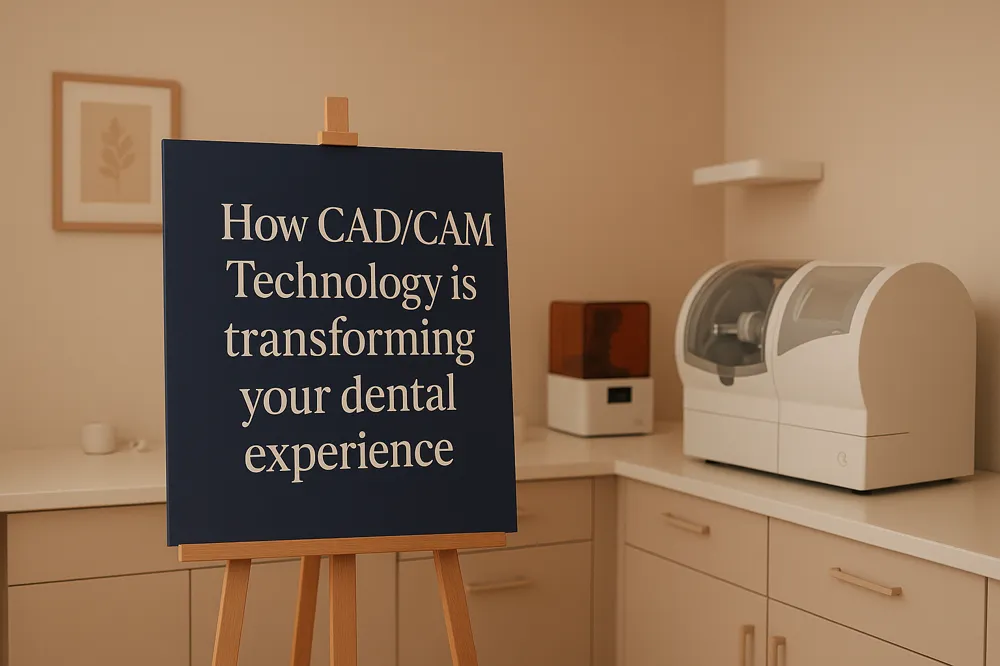
What is the technology behind same-day dental crowns?
Same-day dental crowns rely on state-of-the-art CAD/CAM Technology, which stands for computer-aided design and computer-aided manufacturing. This innovative system starts with an intraoral scanner that captures a detailed 3D Digital Tooth Scanning. This method replaces traditional dental impressions, often uncomfortable, and provides a more accurate representation of the tooth.
Using this digital image, dentists utilize Designing crowns with CAD software. The digital crown design is specifically tailored to match the patient’s tooth anatomy, ensuring a natural look and proper bite.
How do dentists create same-day crowns?
After designing the crown digitally, the data is sent to an in-office milling machine. This precision device fabricates the crown from durable materials such as ceramic dental crowns, porcelain dental crowns, or zirconia crowns in about 20-30 minutes. These materials are chosen for their strength, longevity, and ability to closely mimic the appearance of natural teeth.
Once crafted, the crown is immediately bonded to the tooth in the same dental visit. This means patients avoid multiple appointments, temporary crowns, and the discomfort often associated with Conventional dental crowns vs. same-day crowns.
How does this technology improve patient comfort and convenience?
The integration of digital scanning for dental crowns, digital crown design, and in-office milling machines streamlines the entire process, reducing both treatment time and the need for repeat visits. Patients benefit from a single, comfortable appointment without the need to wear temporary restorations. The technology delivers a precise fit and natural aesthetics, enhancing confidence and satisfaction.
This modern dentistry digital scanners represents a significant advance in dental care, balancing speed, convenience, and durability for busy patients seeking effective dental restorations.
Benefits and Practical Advantages of Same-Day Crowns
Can a dental crown be made the same day?
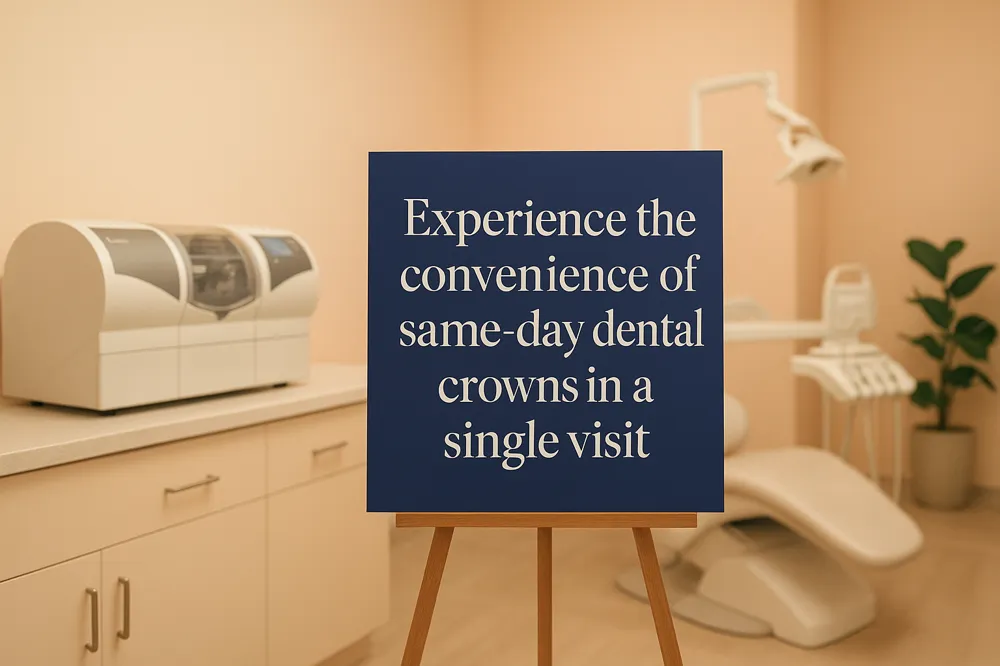
Yes, dental crowns can now be made and placed in a single appointment thanks to modern dentistry digital scanners such as CEREC. This system uses precise intraoral scanners to capture detailed 3D images of teeth, replacing traditional dental impressions that often cause discomfort. The digital crown design of the crown is then created using specialized CAD/CAM software for crowns, and an in-office milling machines fabricates the crown from a high-quality ceramic block within about 20-30 minutes. This streamlined process eliminates the need for temporary crowns and multiple visits, providing immediate restoration with a natural look and excellent fit.
What are the benefits of same-day dental crowns?
Same-day crowns offer several practical advantages that make them an appealing choice for patients:
-
Time savings and convenience: Completing the entire procedure in one session removes the usual waiting period involved with traditional dental crowns, which can take weeks between appointments.
-
Elimination of temporary crowns: Without the need for temporary restorations, patients avoid discomfort, the risk of shifting or damage, and additional dental visits.
-
Minimally invasive tooth preparation: Less natural tooth material needs to be removed compared to Traditional Crowns, which helps preserve the tooth’s structure and promotes better oral health.
-
Natural aesthetics and durability: Made from tooth-colored ceramics like porcelain dental crowns or zirconia crowns, same-day crowns blend seamlessly with surrounding teeth and offer strong, long-lasting performance.
-
Patient comfort and reduced anxiety: digital impressions benefits are more comfortable than impression putty, reducing gag reflexes and making the overall experience smoother and less stressful.
With proper care—including good oral hygiene and regular checkups—same-day crowns can last 10 to 15 years, matching the Longevity of Dental Crowns while providing a modern, patient-friendly solution.
Durability and Longevity: Are Same-Day Crowns Built to Last?

How long do same-day crowns typically last?
Same-day crowns generally last between 10 to 15 years, with some lasting even longer when cared for properly. Crafted from high-quality ceramic dental crowns or porcelain dental crowns using advanced technologies like CEREC crowns, these crowns are produced to ensure both precision and durability. Maintaining good oral hygiene, including regular brushing, flossing, and dental check-ups, significantly contributes to extending their lifespan.
Are same-day crowns as durable as traditional lab-made crowns?
Yes, same-day crowns are comparable in durability to traditional crowns. While conventional crowns are often made from materials such as gold or porcelain-fused-to-metal, providing robust longevity, same-day crowns utilize strong zirconia crowns blocks. Although traditional crowns can sometimes offer slightly better internal fit due to dental lab techniques for conventional crowns, same-day crowns benefit from modern CAD/CAM software for crowns digital precision and can achieve excellent strength and fit suitable for most cases.
Factors influencing crown durability
The lifespan and strength of any crown depend on several factors:
- Material type: Zirconia crowns offer superior strength; ceramic dental crowns and porcelain dental crowns prioritize aesthetics while also being durable.
- Oral hygiene: Regular care prevents decay at the crown margin and protects gums.
- Bite force and habits: Excessive grinding or biting hard objects can shorten crown life.
Maintenance tips to prolong crown lifespan
- Brush twice daily and floss regularly to reduce plaque buildup.
- Avoid biting or chewing very hard items like ice or nuts.
- Attend regular dental check-ups for early detection of issues.
- Use a nightguard if you grind your teeth.
With proper choice and adequate care, same-day crowns provide a reliable, durable restoration option that matches the longevity of traditional crowns, all while offering the convenience of immediate placement.
Comparing Same-Day and Traditional Crowns: What Patients Should Know
Differences in procedure time and number of visits
Same-day crowns are designed, fabricated, and placed in a single dental appointment, often lasting less than two hours. This efficient process uses advanced CAD/CAM Technology to capture Digital Impressions for Crowns and mill the crown onsite. In contrast, Traditional Crowns typically require at least two visits spaced weeks apart—one for impressions and tooth preparation, and another for crown placement. Patients wearing Traditional Crowns must use Temporary Crowns during the waiting period.
Variations in tooth preparation and material options
Same-day crowns generally require less removal of healthy tooth structure and do not involve uncomfortable putty impressions, as they rely on modern dentistry digital scanners. These crowns are mostly made from ceramic dental crowns, porcelain dental crowns, or zirconia crowns, which offer a natural appearance and good durability. Traditional crowns offer a wider range of materials such as gold, porcelain-fused-to-metal, stainless steel, and ceramic, allowing for more customized options based on strength and aesthetics. However, Traditional Crowns usually involve more extensive tooth shaping.
Pros and cons of each approach regarding fit, aesthetics, durability
Same-day crowns provide the advantage of convenience, eliminating multiple visits and temporary crowns, with aesthetics closely matching natural teeth due to precise digital crown design. However, their fit may be less precise in complex cases, and they might require more tooth removal. Traditional crowns, crafted in dental laboratories with techniques like lost wax and metal casting, tend to have superior internal fit and potentially greater durability, especially when made from precious metals, but involve longer treatment times and may require more aggressive tooth preparation.
Cost considerations and insurance impacts
Same-day crowns often involve higher costs due to the use of modern CAD/CAM software for crowns and potentially pricier ceramic materials. Traditional crowns may sometimes be less expensive but require multiple appointments and lab fees. Insurance coverage varies but typically assists with both types, acknowledging their durability and necessity. Patients should consult their provider and insurance plan to understand out-of-pocket expenses.
When same-day crowns are most appropriate vs. traditional crowns
Same-day crowns are ideal for patients seeking quick restoration with minimal visits, suitable for teeth with moderate damage, such as cracks, chips, or after root canal treatment, especially when healthy gums are present. Traditional crowns are better suited to complex cases requiring utmost precision, stronger materials, or specific aesthetic demands. Ultimately, the decision should be made collaboratively with the dentist, considering individual dental health, lifestyle, and preferences.
Addressing common patient questions:
What are some advantages and disadvantages of same-day crowns?
Same-day crowns provide fast, convenient restoration without the need for temporary crowns and significantly reduce appointment time. They support a natural look and feel, improving oral function immediately. However, they can be costlier and sometimes less durable than traditional crowns made with precious metals or porcelain-fused-to-metal. Tooth preparation might be more aggressive to accommodate the milling process. Consulting with your dental professional helps ensure the best choice for your needs.
Are same-day crowns more expensive than traditional crowns?
They can be. The technology and equipment needed for same-day crowns contribute to higher costs. Despite this, the convenience of a one-visit procedure and elimination of multiple appointments may balance expenses. Traditional crowns might have lower initial fees but incur additional costs with multiple visits and temporary restorations. Insurance often covers portions of both, making cost comparisons dependent on individual cases and local practices.
Essential Oral Care Practices to Maximize Crown Longevity
How does the 2-2-2 rule help maintain oral health?
The 2-2-2 rule is a simple yet effective guideline for maintaining oral health. It encourages brushing your teeth twice a day for two minutes each time and scheduling dental checkups twice a year. Brushing thoroughly removes plaque, preventing decay and gum disease, which are critical factors in preserving both natural teeth and dental crowns.
Why is good oral hygiene important for crowns?
Good oral hygiene prevents decay and gum disease around crowns. Even though crowns cover damaged teeth, the surrounding gum tissue and tooth structure still need proper care to avoid problems that could jeopardize the crown’s stability and lifespan.
How do routine dental checkups contribute?
Regular dental visits let your dentist detect early signs of issues like decay, gum inflammation, or crown damage. Early detection allows timely treatment, preventing complications and extending the life of your restoration.
What are tips for caring for crowns?
- Avoid hard or sticky foods that can damage or dislodge crowns.
- Maintain healthy gums through daily flossing and gentle brushing around crowns.
- Use non-abrasive toothpaste to prevent surface wear on crowns.
- Address any bite discomfort promptly with your dentist to avoid crown failure.
By following these practices and the 2-2-2 rule, you help ensure your crowns last their expected 10-15 years while keeping your smile healthy and comfortable.