

Why Seasonal Oral Care Matters
Climate Effects on Oral Health
Winter’s dry indoor heating reduces saliva flow, while summer’s humidity can accelerate plaque buildup. Both conditions raise the risk of cavities and gum disease if not managed proactively.
Year-Round Protective Habits
Regardless of season, sugary treats and acidic drinks challenge enamel. Staying hydrated supports saliva’s natural defenses. Using fluoride toothpaste and scheduling regular check‑ups help strengthen teeth and catch issues early, ensuring a healthy smile all year.
Winter Wellness: Guarding Teeth Against Cold‑Dry Air
How should I take care of my teeth in the winter?
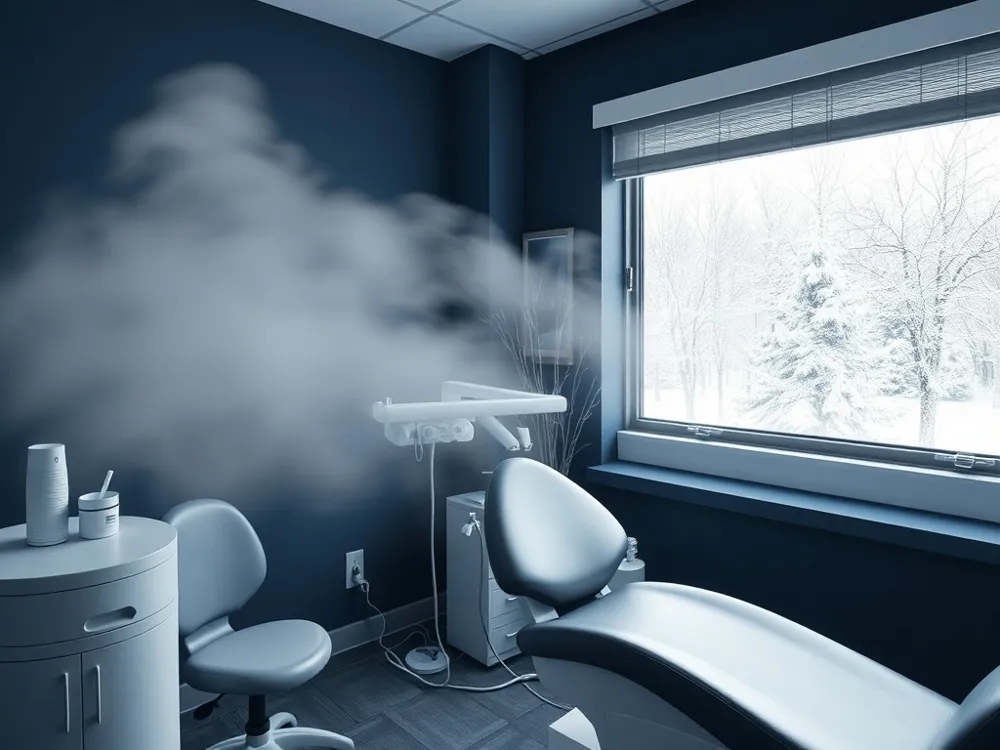
Winter's dry indoor air from heating systems can reduce saliva production, raising your risk of cavities and gum disease. Combat this by staying hydrated and using a humidifier at night. Cover your mouth with a scarf when outdoors to shield teeth from cold air that triggers sensitivity. Switch to a toothpaste for sensitive teeth and allow hot drinks to cool slightly to avoid sudden temperature changes. Limit sugary holiday treats and rinse your mouth with water after indulgence to wash away acids.
How can I relieve dry mouth during winter?
To relieve dry mouth, start by using a humidifier in your bedroom to add moisture to the air. Sip water throughout the day and chew sugar‑free gum or lozenges containing xylitol to stimulate saliva flow. Avoid alcohol‑based mouthwashes, caffeine, and antihistamines, which can worsen dryness. Focus on breathing through your nose to reduce moisture loss, and consider saliva substitutes if symptoms persist. Regular dental check‑ups help catch any issues early, especially as dry mouth increases decay risk. Keep your lips protected with an SPF balm to prevent chapping and irritation.
Summer Strategies: Keeping Teeth Strong Under the Sun

Combatting Sugary & Acidic Beverages
Summer often means more sugary sports drinks, sodas, and frozen treats. These can fuel plaque buildup and erode enamel. Additionally, hot weather can lead to dehydration, which reduces saliva production—your mouth’s natural defense against acids. Lower saliva flow increases the risk of cavities and gum disease.
Smart Summer Habits
Rinsing with water after consuming sugary or acidic drinks helps neutralize acids. Using a straw minimizes direct contact with teeth, and chewing sugar‑free gum stimulates saliva flow. Protect your lips from UV damage with an SPF lip balm to prevent chapping. For active days, always wear a custom‑fitted mouthguard during outdoor sports to shield teeth from trauma. Staying hydrated with plain water remains your simplest year‑round defense.
The Ideal Sequence: Brush, Floss, Then Mouthwash

Why Flossing Precedes Brushing
Flossing first removes plaque and trapped food from between teeth. This clears the way for fluoride in toothpaste to reach those areas more effectively.
The Two‑Minute Fluoride Brush
Brush for two full minutes with a fluoridated toothpaste. Cover all tooth surfaces gently to leave a protective fluoride reservoir on enamel.
Mouthwash as the Final Step
After brushing, use a therapeutic or fluoride mouthwash. Rinsing immediately after brushing would wash away the concentrated fluoride. Mouthwash as the last step keeps fluoride on teeth longer.
The 30‑Minute Waiting Period
Avoid eating or drinking for at least 30 minutes after your routine. This allows fluoride to fully absorb into enamel, maximizing cavity protection and strengthening teeth.
Flossing Twice Daily: A Small Habit, Big Benefits
Flossing twice daily may seem minor, but it is a powerful step for maintaining oral and overall health. This small habit reaches where your toothbrush cannot—about 40% of tooth surfaces—and delivers significant, lasting benefits.
Plaque removal from interproximal surfaces
Daily flossing dislodges plaque and food particles from between teeth, areas a toothbrush cannot reach. Regular removal prevents plaque from hardening into tartar, reducing the risk of cavities and gum disease.
Prevention of gum disease and tooth decay
Flossing helps prevent gingivitis and periodontitis by eliminating bacteria that cause inflammation. It also protects against interproximal decay, lowering the chance of more extensive dental treatments.
Bad‑breath control
Particles trapped between teeth are a primary cause of halitosis. Removing them with flossing twice daily leaves your mouth cleaner and breath fresher.
Systemic health connections
Good oral hygiene reduces harmful bacteria in the mouth, which can enter the bloodstream. This lowers your risk for serious conditions such as heart disease, stroke, diabetes, and respiratory infections, supporting your overall well‑being.
Efficiency in the Chair: The 20‑20‑20 Rule
What is the 20‑20‑20 rule for dental hygiene?
The 20‑20‑20 rule structures a one‑hour hygiene appointment into three focused segments. The first 20 minutes are handled by the dental assistant, who takes blood pressure, reviews medical history, and prepares the patient. This frees the hygienist to concentrate entirely on clinical care.
Roles of the dental team
During the middle 20 minutes, the hygienist performs charting, scaling, and patient education. Professional cleanings remove plaque and tartar that brushing alone cannot eliminate, while education helps patients maintain oral health between visits. The assistant’s preparatory work allows this clinical focus without interruption.
Examination and room turnover
The final 20 minutes are split between the dentist’s examination—using advanced tools like digital X‑rays for early detection—and disinfecting the room for the next patient. This structured approach maximizes efficiency while ensuring thorough, high‑quality care.
Cold‑Weather Protection & Gingivitis Concerns
How can I protect my teeth from cold weather?
Cold, dry air can trigger tooth sensitivity and dry mouth. Switching to a toothpaste for sensitive teeth (containing potassium nitrate or strontium chloride) helps block pain signals. Pair it with a soft‑bristled toothbrush to avoid irritating gums or enamel.
Wrap a scarf around your face to warm incoming air, and apply a lip balm with SPF to prevent chapping and reduce infection risk. Stay hydrated and use a humidifier indoors to maintain saliva flow. Regular dental check‑ups every six months allow early detection of decay or gum issues.
Can I kiss my boyfriend if I have gingivitis?
Gingivitis is caused by bacteria that thrive in plaque. These bacteria can be transferred through saliva, so kissing someone with active gum disease may spread the infection. It’s best to treat the gingivitis—with improved brushing, flossing, and a professional cleaning—before intimate contact. Once your gums are healthy, kissing poses no risk.
Putting It All Together for Year‑Round Oral Health
Tailor hydration, fluoride, and tool use to each season
Seasonal shifts affect your mouth in different ways. In winter, dry indoor air can reduce saliva flow. Combat this by drinking plenty of water and using a humidifier at night. Boost your enamel’s defenses with a fluoride toothpaste and alcohol‑free mouthwash. In summer, stay hydrated to keep saliva flowing and choose a soft‑bristled toothbrush to protect gums.
Schedule biannual cleanings and leverage digital diagnostics
Routine dental check‑ups every six months are your best bet for early detection. Professional cleanings remove plaque and tartar that brushing alone misses. Modern tools like digital X‑rays provide detailed images with minimal radiation, helping your dentist spot issues before they become serious.
Stay proactive with diet, lip care, and protective equipment
Limit sugary snacks and acidic drinks throughout the year. Apply a lip balm with SPF to shield lips from cold and sun. If you play sports, a custom‑fitted mouthguard protects teeth from injury. These simple steps keep your smile healthy no matter the season.