Embracing a New Era of Digital Dental Care
The evolution of digital dentistry marks a significant shift in how we approach oral health. By moving beyond traditional, often uncomfortable methods, this modern approach utilizes advanced 3D imaging, intraoral scanners, and digital diagnostic tools to capture highly detailed models of your teeth. At sbdental.com, we prioritize this transition because it places patient comfort at the front of every procedure, eliminating the need for messy plastic trays that frequently trigger gag reflexes.
Our commitment to a technology-driven practice allows us to offer more precise, efficient alternatives to outdated techniques. While older methods relied on physical molds prone to material distortion, our digital systems provide clinically reliable accuracy and real-time visualization. This empowers the team at sbdental.com to design custom restorations with unmatched precision, often reducing the waiting time you might face elsewhere. By integrating these innovations, we ensure that your care is not only faster and more comfortable but also grounded in the latest evidence-based advancements in dental science.
Defining the Modern Digital Dentistry Workflow
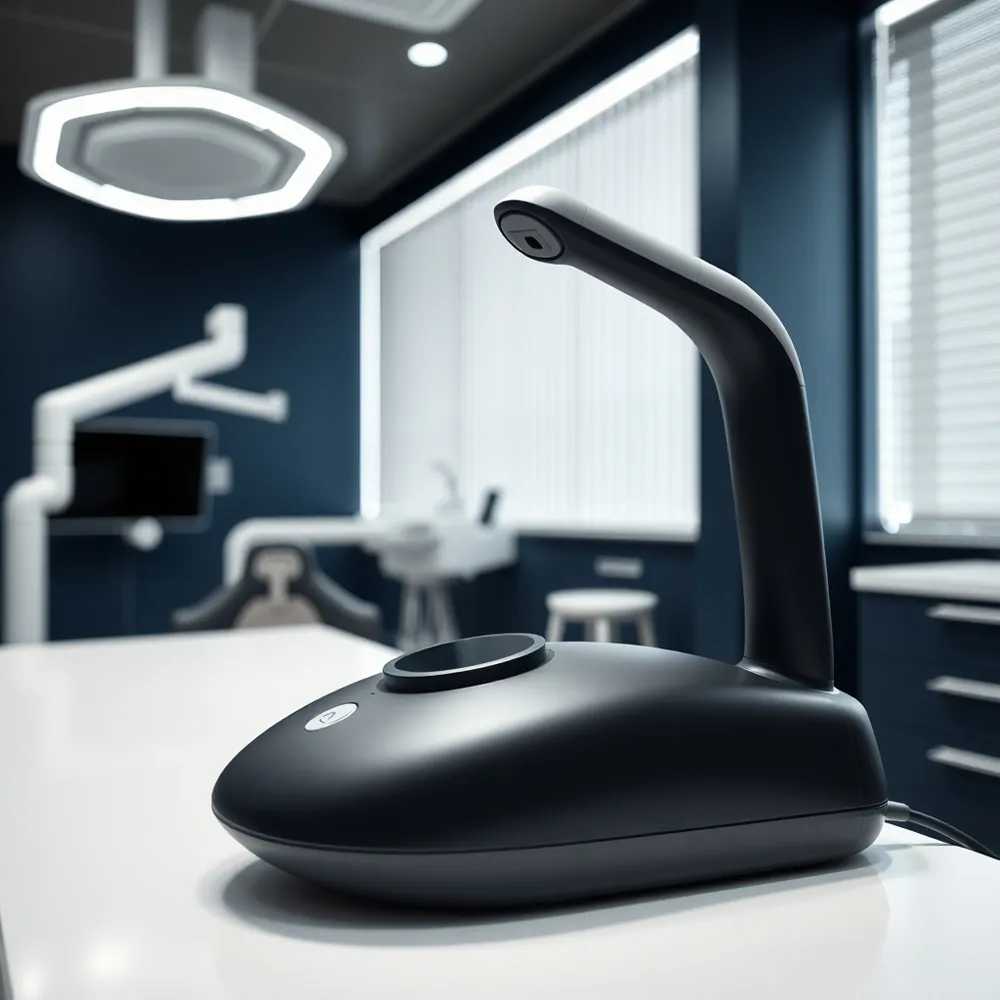 Digital dentistry refers to the use of advanced dental technologies or devices that incorporate computer-controlled components to carry out diagnostic and restorative procedures. By moving away from traditional mechanical tools, these integrated systems, such as intraoral scanners, 3D printing, and CBCT imaging, allow for greater precision and efficiency in patient care. This evolution has created a comprehensive digital workflow that connects every stage of treatment, from initial diagnosis and planning to the final clinical execution.
At sbdental.com, we use these modern advancements to enhance the overall patient experience and ensure the highest standards of care. Unlike practices still reliant on analog techniques that often require multiple physical impressions, our team uses digital scanning technology to capture highly accurate 3D models. This shift eliminates the discomfort of conventional putty while providing high-definition imagery for exact treatment planning.
This integrated approach links your diagnostic data directly to the fabrication of restorations. For example, digital restorative procedures allow us to design crowns and bridges with a precision often exceeding 20 to 30 microns, as noted in recent studies on veneer restoration accuracy. By adopting these methods, we provide more accurate, comfortable, and efficient treatments tailored to your unique anatomical needs.
Superior Patient Experiences with Digital Technology
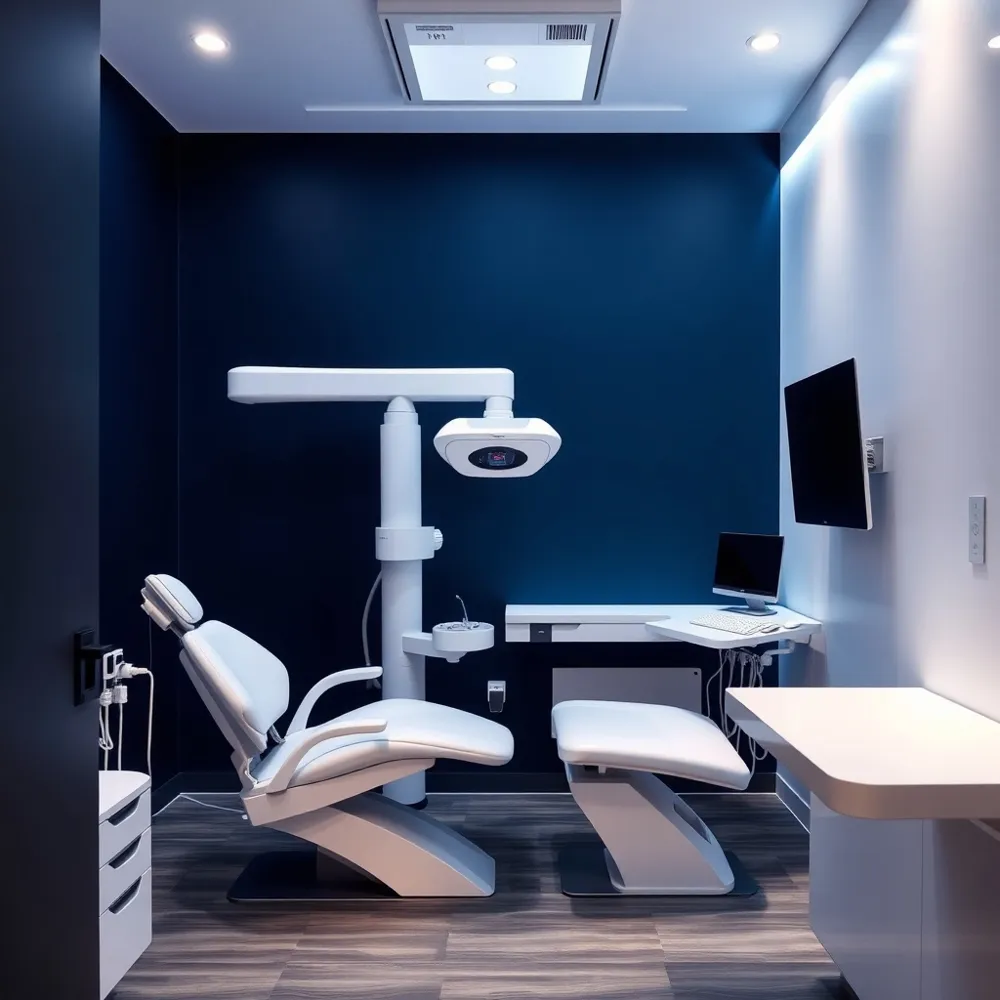 Digital dentistry marks a shift toward a more comfortable and transparent clinical experience. At sbdental.com, we prioritize these innovations to transform how families perceive their oral health care. By replacing traditional, putty-based impression materials with intraoral scanners, we eliminate common triggers like gag reflexes and discomfort during routine exams.
What are the primary benefits of digital dentistry for patients?
The transition to digital tools provides three main advantages centered on your comfort and time. First, visual diagnostic aids allow you to see high-resolution images of your teeth in real time, helping you understand your specific needs alongside your dentist. Second, these systems significantly reduce chair time and often allow for single-visit restorations such as crowns, which removes the need for multiple appointments or temporary dental fixes. Finally, the high precision of digital scans fosters greater confidence in your treatment outcomes.
While many practices still use traditional physical molds, sbdental.com utilizes advanced imaging to achieve greater accuracy and faster workflows for every patient. This commitment to technology ensures that your care is not only safer but also deeply integrated with modern diagnostic capabilities that keep your long-term oral health a primary focus.
Intraoral Scanners Versus Conventional Molding Techniques
For many, the memory of traditional dental impressions involves biting into bulky trays filled with putty, an experience often accompanied by discomfort and a triggered gag reflex. At sbdental.com, we prioritize your comfort by replacing these outdated methods with intraoral scanners. These devices move beyond manual trays, using high-definition sensors to capture thousands of data points that form precise, three-dimensional models of your dentition.
The mechanical difference centers on the underlying technology. While conventional methods rely on silicone or alginate materials that can distort during shipping or handling, digital scans utilize polygons to generate highly accurate 3D models. This digital approach allows clinicians to view your anatomy in real time on a screen, ensuring that every margin is captured correctly before the patient even leaves the chair. Studies indicate that digital impressions significantly reduce treatment time compared to traditional molding, moving from over 75 minutes down to approximately 12 minutes.
Beyond efficiency, accuracy remains a focal point for modern restorative dentistry. Research shows that digital impression systems consistently provide superior precision compared to manual techniques, measuring internal restoration gaps in microns to ensure a superior fit. By adopting this technology, sbdental.com provides a smoother, more reliable path toward crowns, veneers, and restorative care while eliminating the physical waste associated with traditional molds.
- Enhanced patient comfort by removing unpleasant putty materials that trigger gag reflexes.
- Increased clinical accuracy, with digital methods producing smaller internal gaps in prosthetic restorations.
- Rapid data transmission to laboratories via standard file formats (like STL) to speed up your treatment timeline.
Achieving Clinical Precision in Modern Restorations
Digital dental impressions have become a cornerstone of modern dentistry, offering high levels of accuracy that are well within clinically acceptable thresholds for most restorative procedures. Scientific research confirms that current intraoral scanning technology consistently delivers precise results, often measuring well under 100 micrometers in trueness and precision per a study published in the PMC9355861. While factors such as jaw anatomy and scanning technique can influence the final scan, the consistent reliability of these devices minimizes the margin for error compared to traditional methods as noted in Nature. This digital precision leads to dental restorations that fit more accurately, perform better, and offer a more comfortable, natural-feeling experience.
Factors Influencing Scanning Success
Achieving maximum precision requires more than just high-end hardware. The final data quality is highly dependent on careful calibration and consistent technique. At sbdental.com, our team manages moisture and ensures proper gingival retraction to capture the highly definition-rich imagery necessary for an exact fit. Because scanners cannot accurately capture wet surfaces, clinicians must maintain a dry field to ensure success for veneers, crowns, and implants as detailed in a comprehensive review of dental impressions.
- Digital methods significantly reduce internal gaps compared to manual impressions, dropping from an average of 152.77 microns to just 67.87 microns in some clinical settings per PMC9355861.
- Modern digital intraoral scanning allows for immediate, real-time visualization of the preparation, enabling our dentists to refine scans instantly.
- By utilizing digital dentistry workflows, we ensure that every restoration, whether it is a single crown or a full arch, is designed to meet strict tolerance levels for long-term survival.
Predictability remains the primary advantage at sbdental.com. While traditional methods are inherently sensitive to material distortion and manual handling, digital impressions offer a stable, reproducible record. This stability ensures that the final ceramic fabrication matches the restorative plan with micrometer-level accuracy, providing clinically acceptable precision that supports the longevity of your oral health treatments.
Efficiency and Timeline of Digital Impressions
The evolution of digital impressions has fundamentally transformed how dental practices approach restorative workflows. By replacing traditional, put-based molding with high-speed intraoral scanning, clinicians at sbdental.com can capture intricate anatomical details in a fraction of the time required by analog methods.
How long do digital dental impressions typically take?
Digital dental impressions are significantly faster and more comfortable than traditional physical molds. The scanning process typically takes just 3 to 5 minutes per arch, with the entire procedure for both the upper and lower teeth usually completed in under 10 minutes. Research indicates that digital intraoral scanning can reduce total treatment time to roughly 12 minutes, compared to over 75 minutes for conventional methods. Because this technology eliminates the need for messy impression materials, the overall chair time is reduced, allowing for a more efficient visit. Many patients find the experience much more pleasant and less anxiety-inducing than the older, manual approach. Our team uses this advanced technology to ensure your care is both precise and convenient.
Beyond saving time in the chair, digital workflows streamline data management and external communication. Unlike physical models that rely on slow, courier-based shipping, digital scan data is saved in standard formats like STL or PLY. This allows for near-instantaneous transmission to dental laboratories, effectively accelerating case turnaround for restorations such as crowns and veneers. At sbdental.com, this integration ensures that your treatment plan moves from digital design to final fabrication without the delays or material distortions often associated with traditional stone models.
Safety and Diagnostic Advantages of Digital Radiographs
Digital dental radiography transitions the focus of diagnostic imaging from chemical processes to precision sensor technology. By using high-sensitivity digital sensors instead of traditional film, your dental team provides a safer clinical environment with substantially reduced radiation exposure. These systems typically decrease radiation dosage by 50 to 80 percent, ensuring every diagnostic step remains well within the ALARA (As Low As Reasonably Achievable) principle for patient safety.
How does digital dental X-ray radiation exposure compare to traditional methods?
Digital dental X-rays offer a significant improvement in patient safety by substantially reducing radiation exposure compared to traditional film-based methods. While conventional X-rays require a higher dose to produce an image, digital sensors are highly sensitive, often decreasing patient exposure by 70–80%. A single digital dental X-ray typically results in an extremely low dose of about 0.005 millisieverts, which is comparable to the amount of natural background radiation one receives during a few hours of normal daily activity. Because this exposure is so minimal, modern technology allows your dental team to capture necessary diagnostic images with far greater care and efficiency. Ultimately, digital radiography provides a safer clinical experience while maintaining the high diagnostic accuracy required to protect your long-term oral health.
Beyond safety, the diagnostic clarity provided by digital systems allows for immediate evaluation. Files appear instantly on a monitor, where they can be zoomed, magnified, and enhanced for contrast. This makes the detection of small fractures or initial stages of decay much more precise than with static, analog film. While some systems on the market may use bulkier sensors that can cause minor discomfort, the practice prides itself on selecting modern, ergonomic equipment designed to prioritize your comfort alongside diagnostic quality.
The switch to digital also benefits the environment. Traditional film processing requires hazardous chemicals like fixers and developers that necessitate careful disposal. By adopting digital imaging, clinics eliminate this waste entirely. These digital files are also more efficient for record-keeping and sharing, as they can be transmitted electronically to specialists instantly. This eliminates the physical transport of images, reducing the chance of lost records and accelerating your treatment planning.
Practical Considerations of Digital Transitions
Transitioning to modern digital workflows requires dental teams to manage a distinct learning curve as they adopt new hardware and software tools. Proficient use of intraoral scanners is vital for clinicians to achieve precise outcomes, as successful scanning depends on standardized techniques and the careful management of soft tissues. Like managing complex imaging in 3D CBCT, staff must undergo specific training to master the operation of these systems and troubleshoot potential technical issues that may arise during daily use.
Device maintenance and handling requirements
Because these diagnostic tools rely on delicate electronic sensors and high-definition lenses, they require diligent care. Regular calibration and routine maintenance are essential to ensure the accuracy of digital impressions and avoid performance deviations. At sbdental.com, our team maintains strict protocols for equipment cleaning and protective handling, ensuring that every scan delivers the high-definition detail necessary for precise restoration design.
Addressing the initial investment for specialized technology
Adopting advanced dental technology involves a significant initial financial investment for hardware and software integration. While smaller practices might view these costs as a hurdle, the long-term benefits in efficiency, productivity, and patient satisfaction often offset those early expenditures. By moving away from traditional physical molds, sbdental.com eliminates the ongoing expenses of storage and shipping, allowing us to focus our resources on providing a superior, modern care environment.
- Are there any downsides to using digital imaging in dentistry? While digital imaging offers significant benefits like reduced radiation and higher clarity, there are a few practical considerations to note. Some patients may find that digital sensors are slightly thicker or more rigid than traditional film, which can occasionally cause discomfort for those with a sensitive gag reflex. Additionally, since the sensors are delicate pieces of high-tech equipment, they must be handled with great care to avoid costly damage. For dental offices, there is also an initial financial investment required to integrate the necessary computer technology into the treatment rooms. Despite these minor technical challenges, the precision and efficiency of digital imaging remain a standard of care that greatly enhances our ability to provide you with the best possible treatment.
Advanced Visualization with 3D Tools
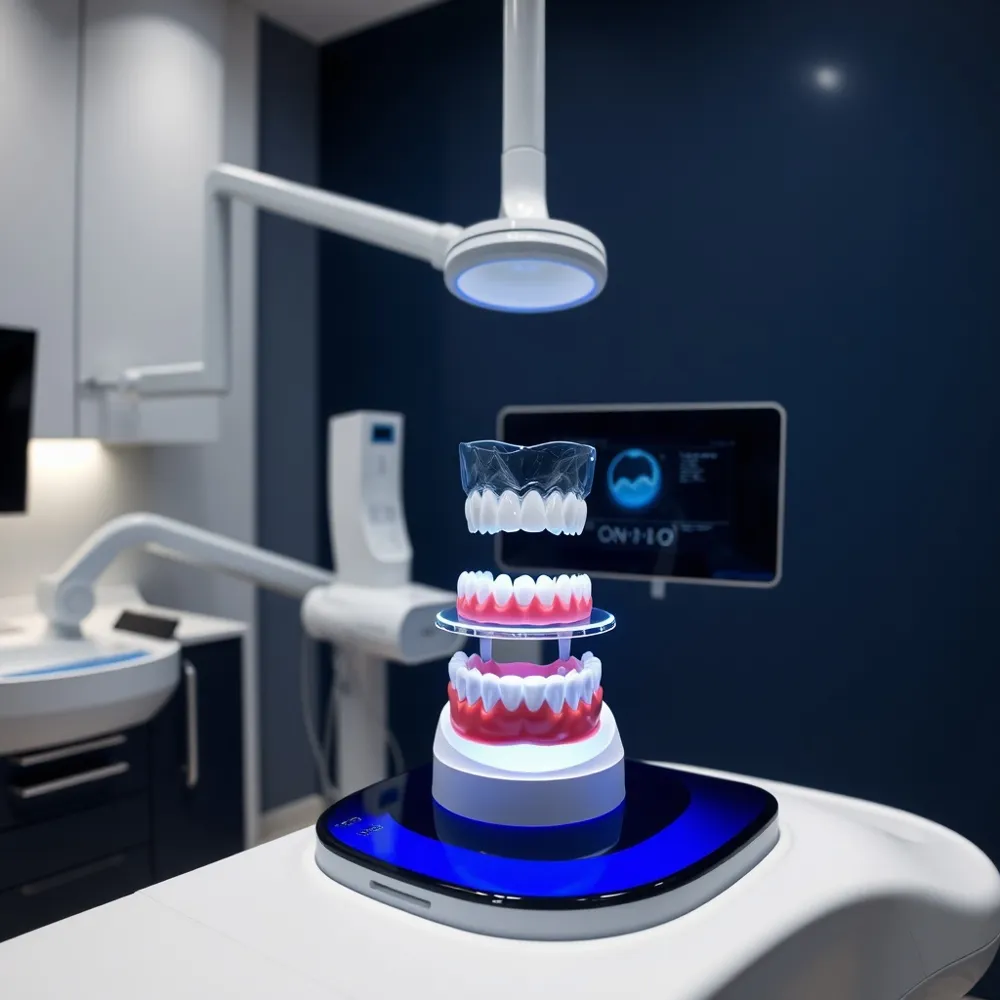 The integration of 3D facial scanning and advanced digital tools marks a significant step forward in personalized restorative planning. While traditional 2D photographs provide a flat view, these technologies capture detailed spatial data that allows our team at sbdental.com to visualize treatment outcomes in three dimensions. This insight enables the development of custom plans that harmonize perfectly with your natural anatomy, ensuring that final restorations are both aesthetically pleasing and functionally optimized.
Beyond surface aesthetics, layered diagnostic views provided by technologies like CBCT allow clinicians to look deeper into internal bone structures. This high-resolution imaging is essential for the precision required in complex cases, such as dental implant placement or surgical extractions, where understanding the relationship between teeth, bone, and soft tissue is vital. By leveraging these visual aids, we can offer more predictable results and prevent the guesswork often associated with traditional planning methods.
These tools also serve as powerful educational assets. By displaying high-quality 3D models on screen, we can explain complex conditions or proposed changes with far more clarity than manual diagrams ever could. This transparent approach helps patients feel more informed and confident in their treatment path. At sbdental.com, our investment in these sophisticated visualization technologies ensures your care is centered on accuracy, comfort, and long-term oral health.
Your Future in Digital Smile Excellence
Stepping into the world of modern dentistry means choosing a path defined by precision, comfort, and long-term oral stability. By utilizing advanced 3D imaging and digital scanners, we ensure that your care is tailored to your unique anatomical needs from the very first visit.
At sbdental.com, our commitment to innovation is rooted in the belief that technology should serve the patient experience. Unlike traditional practices that rely on manual impressions prone to distortions and human error, we integrate digital workflows to eliminate guesswork, reduce chair time, and provide you with a front-row seat to your own treatment planning. This high-precision approach means fewer return visits and better fitting restorations that last.
We invite you to experience how digital dental technology transforms routine exams into clear, proactive health conversations. Whether you are interested in aesthetic improvements like veneers or need a reliable plan for long-term restorative health, our team is ready to guide you. Contact sbdental.com today to schedule your consultation and discover the future of your smile.