Introduction to 3D CBCT Imaging in Dental Care
Overview of CBCT Technology
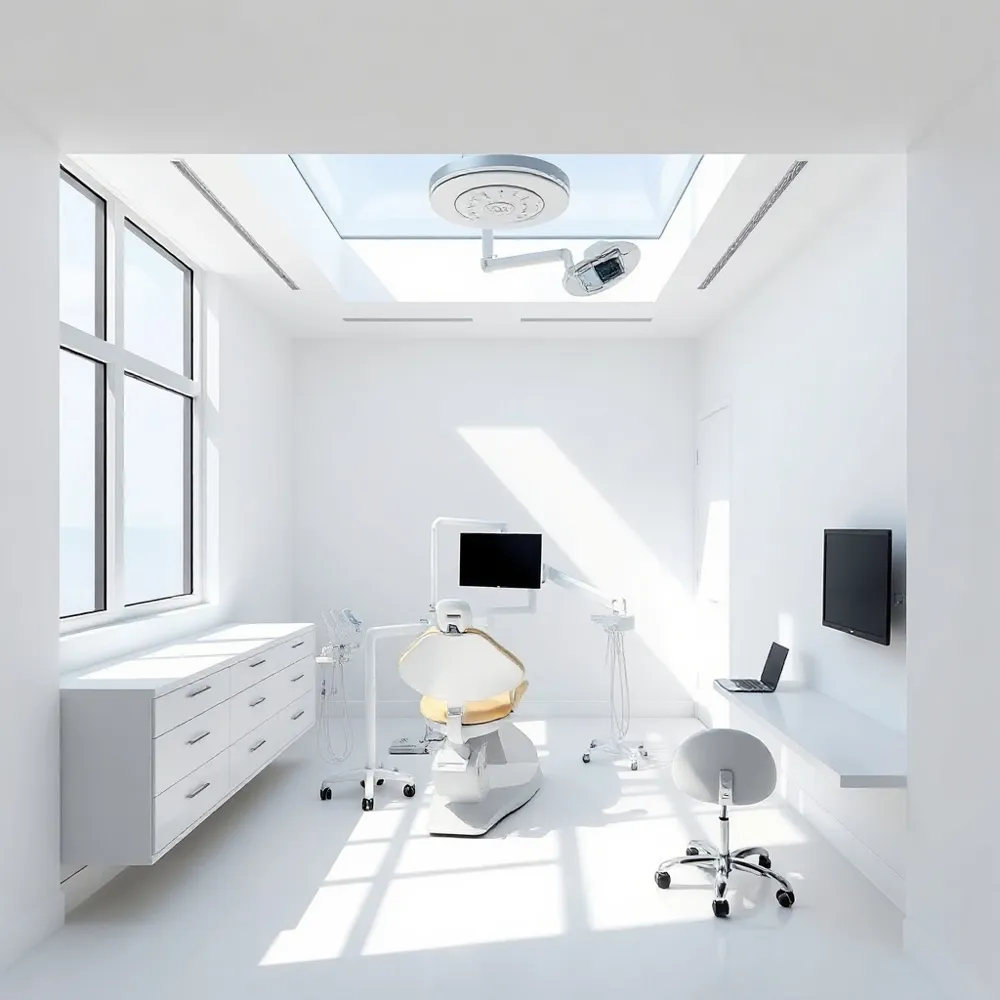
Cone Beam Computed Tomography (CBCT) is an advanced imaging technique that produces detailed three-dimensional images of the teeth, jawbone, and surrounding oral structures. Unlike traditional two-dimensional X-rays, CBCT rotates a cone-shaped X-ray beam around the patient's head, capturing hundreds of images from multiple angles. These images are then reconstructed into highly accurate 3D models, enabling dentists to visualize complex anatomical details with precision.
Importance in Modern Dentistry
CBCT has revolutionized dental diagnostics and treatment planning by providing clear views of bone density, nerve pathways, sinus anatomy, and tooth positions that are essential for procedures like dental implants, root canals, orthodontics, and oral surgery. This technology enhances safety by helping avoid critical anatomical structures during surgery and improves the predictability and success of treatments. Additionally, CBCT imaging uses significantly less radiation compared to traditional medical CT scans, aligning with modern standards of patient safety.
Patient-Centered Benefits
The use of CBCT facilitates minimally invasive treatments through precise surgical guides and restorative-driven planning that support optimal aesthetic and functional outcomes. The quick and painless scanning process reduces patient discomfort and streamlines clinical workflows. Moreover, 3D images help dentists educate patients visually, improving understanding and collaboration in treatment decisions. Overall, CBCT technology supports tailored, safer, and more comfortable dental care, reflecting a patient-first approach in today's practices.
Understanding CBCT Scans and Their Applications
What is a CBCT scan used for?
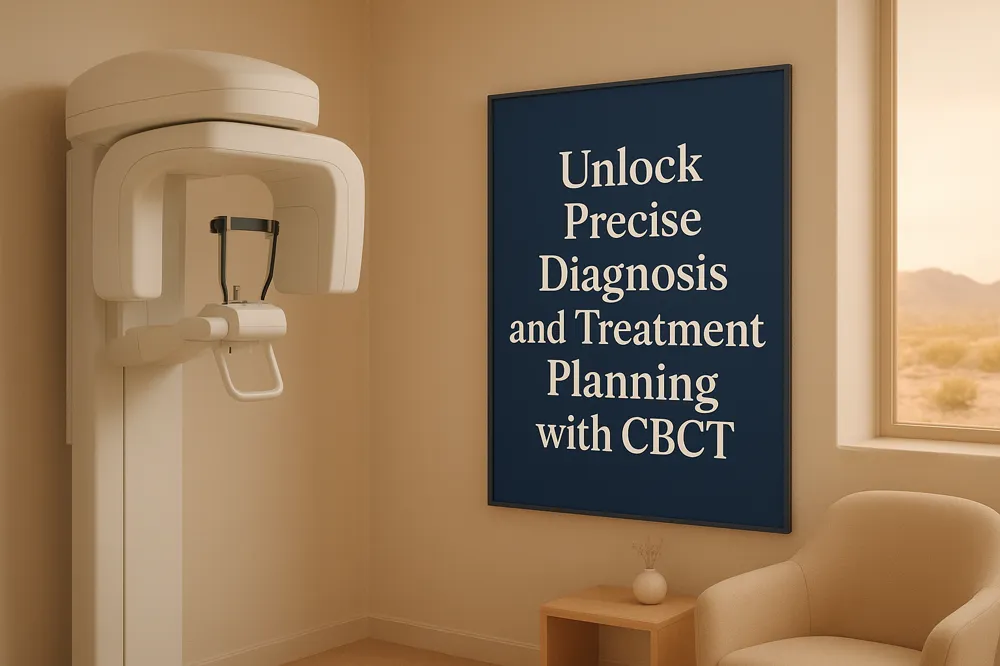
A CBCT (Cone Beam Computed Tomography) scan is an advanced dental imaging technology that produces detailed three-dimensional images of the teeth, jawbone, sinuses, nerves, and surrounding facial structures. Unlike traditional 2D dental X-rays, CBCT offers a comprehensive view to identify dental issues that might otherwise be missed, such as cavities, gum disease, abscesses, and impacted or embedded teeth. This imaging is especially important for complex dental treatments. It supports precise planning for dental implants by accurately measuring bone height, width, and density, while also safely locating critical structures like nerves and sinuses to prevent surgical complications (3D imaging technology in dentistry).
Detailed diagnostic capabilities
CBCT scans deliver high-resolution 3D images that allow dentists to visualize dental and facial anatomy with superior clarity. This capability enhances diagnosis and treatment planning for conditions such as impacted teeth, jaw pathologies, root canal complexity, and TMJ disorders. The technology detects elusive problems, including tiny fractures and hidden infections, with millimeter precision. Additionally, CBCT imaging exposes patients to significantly less radiation compared to traditional medical CT scans, ensuring safety during repeated diagnostic assessments (3D dental imaging advantages).
Role in implant planning and endodontics
In dental implant procedures, CBCT is integral for treatment success. It provides precise measurements and mapping of bone quality and important anatomical features, enabling virtual implant placement and customized surgical guides. This reduces risks and improves implant stability, aesthetics, and long-term outcomes. In endodontics, CBCT aids in locating infection sources and complex root canal anatomy, guiding effective treatment while minimizing unnecessary procedures. Its quick, non-invasive scanning improves patient comfort and confidence, supporting more predictable and efficient dental care (CBCT imaging in endodontics).
Advantages and Patient Benefits of 3D CBCT Imaging
Diagnostic accuracy and safety
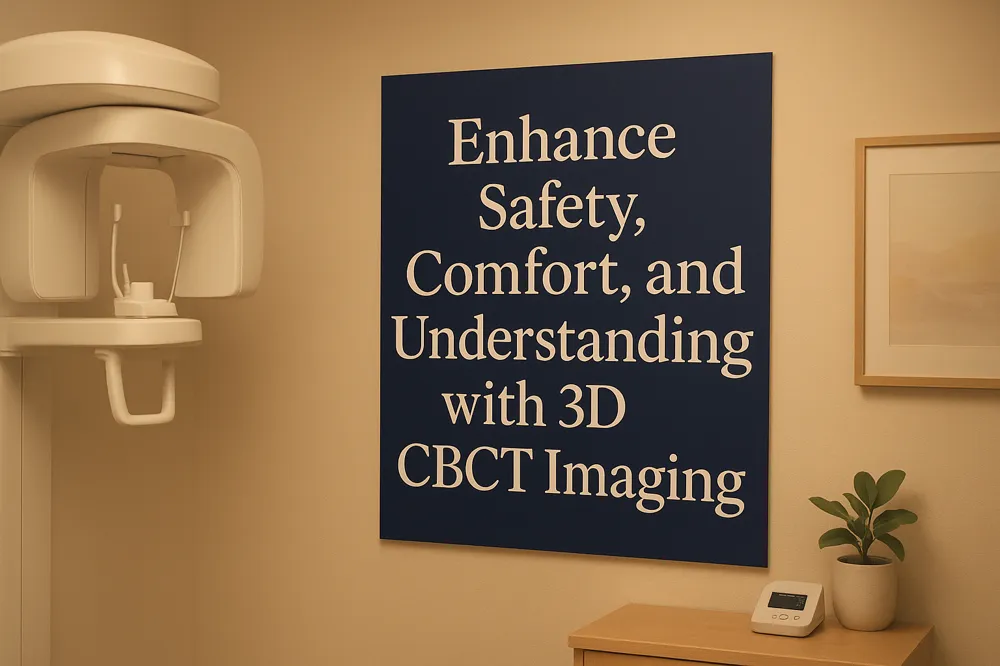
Cone Beam Computed Tomography (CBCT) provides detailed three-dimensional images of the teeth, jawbone, and surrounding structures. This level of detail surpasses traditional 2D X-rays and is crucial for accurate diagnosis and precise treatment planning. CBCT allows dentists to visualize bone quality, nerve pathways, and sinus anatomy, enhancing safety during complex procedures such as dental implant placement, impacted tooth management, and orthodontics. Its ability to measure distances and angles accurately supports better surgical outcomes and reduces risks of complications.
Reduced radiation exposure
One major advantage of CBCT imaging is its significantly lower radiation dose compared to conventional medical CT scans. Although it delivers more radiation than standard dental X-rays, its exposure level is still minimal and safer for patients, often comparable to natural background radiation. The quick scan time—usually under a minute—also minimizes patient discomfort and motion artifacts. Advanced ultra-low dose protocols further reduce radiation, aligning with safety guidelines like the ALARA principle to protect patients during repeated imaging.
Improved patient communication
CBCT images offer a clear and comprehensive 3D view that dentists use to educate patients effectively about their dental conditions. By visualizing detailed anatomy, patients can better understand their diagnosis and the rationale behind recommended treatments. This transparency fosters trust and collaboration, increases case acceptance, and empowers patients to make informed decisions about their care. The use of digital planning tools and surgical guides derived from CBCT data also allows patients to visualize treatment outcomes before procedures begin, enhancing comfort and confidence.
| Aspect | Benefit | Details |
|---|---|---|
| Diagnostic Accuracy | Enhanced visualization of anatomy | Enables precise implant positioning, nerve mapping, and bone assessment via precise jawbone measurements with CBCT |
| Radiation Safety | Lower dose than medical CT | Quick scans, ultra-low dose options, radiation dose in millisieverts for dental scans, ALARA compliance |
| Patient Understanding | Better education and treatment acceptance | 3D images clarify complex conditions, support informed decisions with patient education with 3D images |
Radiation Exposure and Safety Considerations in CBCT
How much radiation is involved in a dental cone beam CT scan?
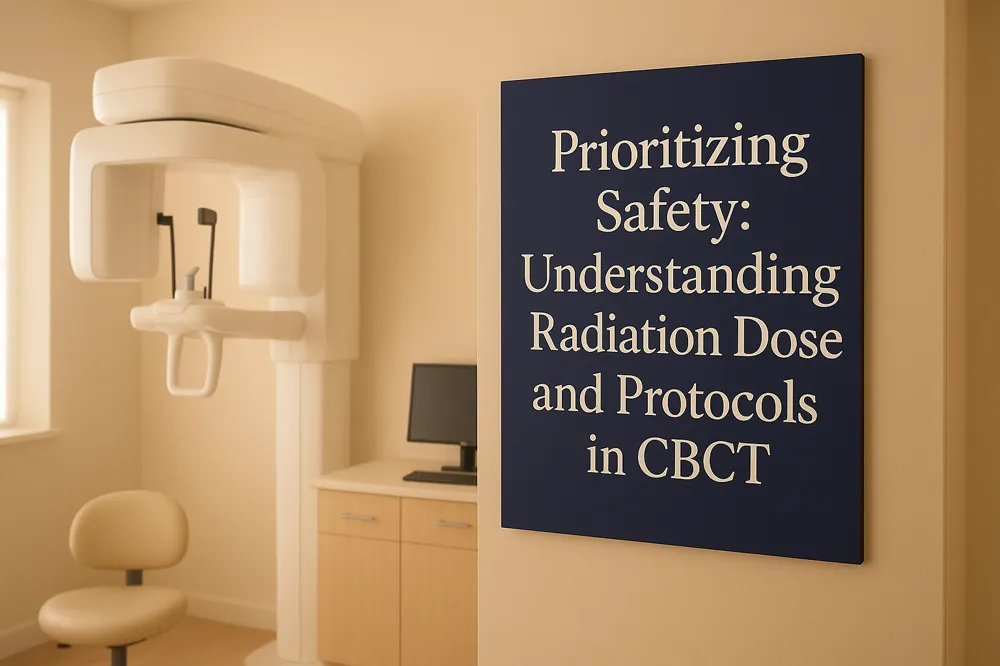
A dental cone beam CT (CBCT) scan typically exposes patients to a radiation dose between 0.1 and 0.3 millisieverts (mSv). This level is considerably lower than traditional medical CT scans, which can exceed 2 mSv. To put this in perspective, a typical CBCT scan delivers radiation roughly equivalent to six days of natural background radiation in the United States. For more details on the radiation dose in CBCT, see this comprehensive overview.
Radiation dose levels compared to other scans
CBCT technology offers a significant reduction in radiation exposure compared to conventional medical CT scans—often up to 10 times less. It also usually emits more radiation than traditional dental X-rays but stays well within safe limits thanks to modern imaging protocols and equipment. Furthermore, CBCT radiation is substantially lower than other medical imaging tools like mammograms or chest X-rays. This reduced dosage does not compromise image quality, ensuring dentists can obtain highly detailed 3D dental imaging essential for accurate diagnosis and treatment planning. Learn about the advantages of CBCT over traditional X-rays.
Safety protocols and the ALARA principle
The ALARA (As Low As Reasonably Achievable) principle guides CBCT use to minimize radiation exposure. Dentists adhere to this principle by tailoring scan settings based on the smallest field of view necessary, optimizing image parameters, and only recommending CBCT imaging when clinically justified. Proper patient positioning and device calibration further reduce unnecessary radiation exposure. More on radiation safety in dental imaging and ALARA principles.
Patient safety in repeated imaging
CBCT scans are designed to be quick, painless, and utilize low radiation doses, making them safe for repeated use when needed. However, clinicians carefully evaluate each case to avoid unnecessary scans. This approach ensures that while patients receive the crucial diagnostic benefits of 3D imaging for dental health, their cumulative radiation exposure remains minimal, supporting long-term health and safety.
By balancing diagnostic needs with rigorous safety standards, CBCT imaging has become an indispensable tool in modern dentistry, offering precise and safe insights into oral health conditions. For a broader understanding of CBCT diagnostic use and clinical benefits, please refer to this resource.
Comparing CBCT to Other 3D and Digital Imaging Technologies
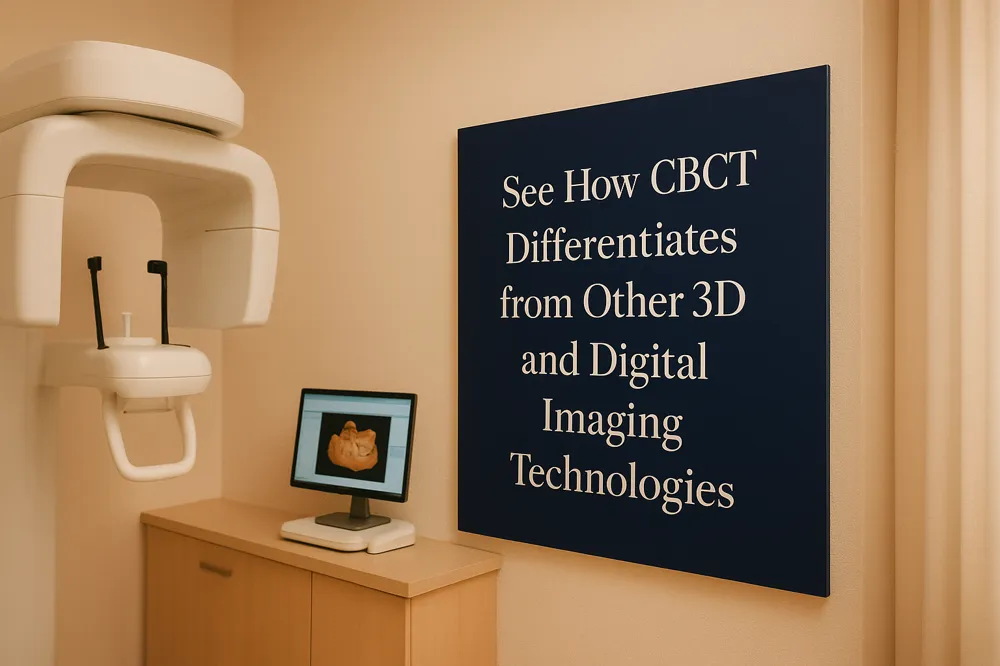
What is the difference between 3D digital scans and CBCT scans?
3D digital scans and Cone Beam Computed Tomography (CBCT) both offer valuable imaging in dentistry but differ significantly in scope and application. 3D digital scans mainly capture highly detailed surface images of teeth and gums, which are excellent for routine dental assessments, cosmetic treatments like crowns and veneers, and orthodontic planning such as Invisalign.
In contrast, CBCT scans go beyond surface imaging by producing comprehensive three-dimensional views of hard and soft tissues. This includes detailed visualization of the jawbone, nerves, sinuses, and facial structures, which 3D surface scans cannot capture. CBCT imaging is essential for complex dental procedures such as implant placement, oral surgeries, endodontics (root canal treatments), and TMJ assessments because it reveals underlying bone density and anatomical relationships.
CBCT technology works by rotating a cone-shaped X-ray beam technology around the patient's head, capturing multiple angles in a quick, non-invasive scan, usually under a minute. It exposes patients to significantly less radiation compared to traditional medical CT scans, emphasizing safety while providing highly precise data.
Scope of anatomical imaging
| Imaging Type | Structures Visualized | Typical Uses |
|---|---|---|
| 3D Digital Scans | Teeth surfaces, gums, soft tissues | Cosmetic dentistry, orthodontics, digital impressions |
| CBCT Imaging | Teeth, jawbone, nerves, sinuses, TMJ | Implant planning, oral surgery, endodontics, airway and sinus evaluation |
Applications in advanced dental procedures
CBCT's ability to deliver precise 3D images directly supports advanced dental treatments. It enables clinicians to measure bone quality and quantity accurately, identify nerve locations to avoid during surgery, and create surgical guides for minimally invasive implant placement. This leads to greater surgical safety, better implant positioning, and improved long-term outcomes.
Meanwhile, 3D digital scans enhance patient comfort by eliminating the need for traditional molds and support the fabrication of custom restorations through CAD/CAM technologies. However, they don’t provide the deep anatomical insights necessary for complicated interventions.
By integrating both technologies, dental practices can offer comprehensive care—3D digital scans for routine and cosmetic treatments and CBCT imaging for complex diagnostics and surgical planning. This synergy improves diagnostic precision, augments patient education, and ensures safer, more predictable treatments across a range of dental specialties.
The Integration of 3D Printing and Surgical Guides with CBCT for Implant Precision
What are the advantages of using 3D printing in dental implants?
3D printing technology has become an essential part of modern dental implant procedures, delivering significant benefits for both patients and practitioners. By leveraging 3D printing alongside detailed CBCT imaging, dental professionals can create highly personalized implants designed specifically for an individual's unique jawbone structure. This customization ensures an excellent fit and optimal comfort.
One of the primary advantages of 3D printing in dental implants is its ability to produce precise surgical guides. These guides are crafted based on CBCT scans that provide detailed three-dimensional anatomical maps of the jaw, nerves, and sinuses. Using these guides reduces surgical time and enhances accuracy during implant placement since the dentist can follow exact, pre-planned positions, angles, and depths.
Additionally, integrating 3D printing in treatment promotes minimally invasive surgeries. It minimizes tissue trauma by allowing smaller incisions, which helps speed up healing and reduces post-operative discomfort. The overall treatment process is streamlined, decreasing total procedure times from imaging to final restoration.
Ultimately, the combination of CBCT imaging and 3D printed surgical guides optimizes patient safety, ensures more predictable outcomes, and increases the long-term success rate of dental implants. This technology-driven approach represents a significant advancement in precision dental care, elevating the standard of implant therapies through improved efficiency, accuracy, and patient satisfaction.
Cost, Insurance, and Accessibility of CBCT Imaging
What is the typical cost range for CBCT scans?
The cost for a dental Cone Beam Computed Tomography (CBCT) scan generally falls between $100 and $500, depending on the provider and the scan's complexity. For more advanced 3D imaging in dental implant planning—such as detailed planning for implants or comprehensive facial assessments—costs can rise to between $600 and $800. Various factors influence the price, including the geographic location of the dental practice, the technology used, and the necessity of the scan based on the patient’s dental condition. Despite the cost variation, CBCT scans are quick, typically completed within 20 to 30 seconds, and involve minimal radiation exposure, making them a valuable tool for patient safety in dental imaging.
Are CBCT scans covered by dental insurance?
Coverage of CBCT scans by dental insurance depends largely on the specific insurance plan and the clinical justification for the scan. Most insurance providers are inclined to cover CBCT imaging when it is medically necessary—for example, to plan complex procedures such as dental implants, oral surgeries, or to evaluate impacted teeth. Conversely, scans done as part of routine dental exams or without clear therapeutic reasons may be classified as elective and thus not covered. It is recommended that patients check with their insurance provider for pre-authorization to understand their coverage options fully. Many dental offices, including those equipped with Advanced dental technology in Statesboro GA, assist patients with insurance processes to maximize benefits.
How accessible are CBCT scans in dental practices?
CBCT imaging has become increasingly accessible in dental practices across the U.S., thanks to technological advancements that have made the units affordable and compact. More dental offices now incorporate CBCT into their diagnostic and treatment planning arsenal, ensuring precise imaging close to home. Practices that utilize modern CBCT systems can offer safer, more accurate dental procedures, ultimately improving patient comfort and outcomes. If patients need CBCT imaging, most modern dental offices or specialized dental imaging centers provide this service, often integrating it within comprehensive care plans to facilitate efficient and effective treatment.
Conclusion: Advancing Precision and Patient Care with 3D CBCT Imaging
Comprehensive Advantages of 3D CBCT Imaging
3D Cone Beam Computed Tomography (CBCT) transforms dental care by delivering detailed three-dimensional views of teeth, bone, nerves, and soft tissues unlike conventional 2D X-rays. This high-resolution imaging significantly improves diagnostic accuracy while reducing radiation exposure compared to traditional medical CT scans.
Enhanced Treatment Outcomes
CBCT's precision allows dentists to plan dental implants, endodontic treatments, and orthodontic procedures with greater confidence by visualizing critical anatomy such as nerve pathways and sinus structures. This leads to safer, less invasive surgery, minimized complications, and improved long-term success for patients.
Looking Ahead: Innovation in Dentistry
As dental technology advances, integration of CBCT with digital planning software, 3D printing, and AI diagnostics will continue enhancing personalized care. These tools promise to streamline workflows, elevate patient comfort, and foster better communication, marking a new era of precision and patient-centered dental treatments.