

Understanding the Value of Modern Dental Implants
Restoring a missing tooth is more than a cosmetic choice. Leaving gaps in your smile can trigger a chain reaction that compromises your oral health, including the shifting of neighboring teeth, an uneven bite, and significant jawbone deterioration. At sbdental.com, we believe every patient deserves a solution that preserves their natural facial structure and chewing function.
The gold standard for modern tooth replacement is the dental implant. Unlike traditional bridges that rely on anchoring to adjacent natural teeth, a process that requires the irreversible removal of enamel, implants act as independent units. They replace the entire structure of the missing tooth, from the crown down to the root.
This technology relies on a titanium post that fuses directly to your jawbone through osseointegration. By acting as a prosthetic root, the implant provides the necessary stimulation to keep your bone density healthy and strong. At sbdental.com, our approach centers on ensuring this integration is successful by utilizing precise diagnostic tools and advanced techniques tailored to your unique anatomy. By prioritizing biological health, we help our patients secure a durable, long-term restoration that functions with the stability of a natural tooth.
Advantages and Disadvantages of Selecting Dental Implants
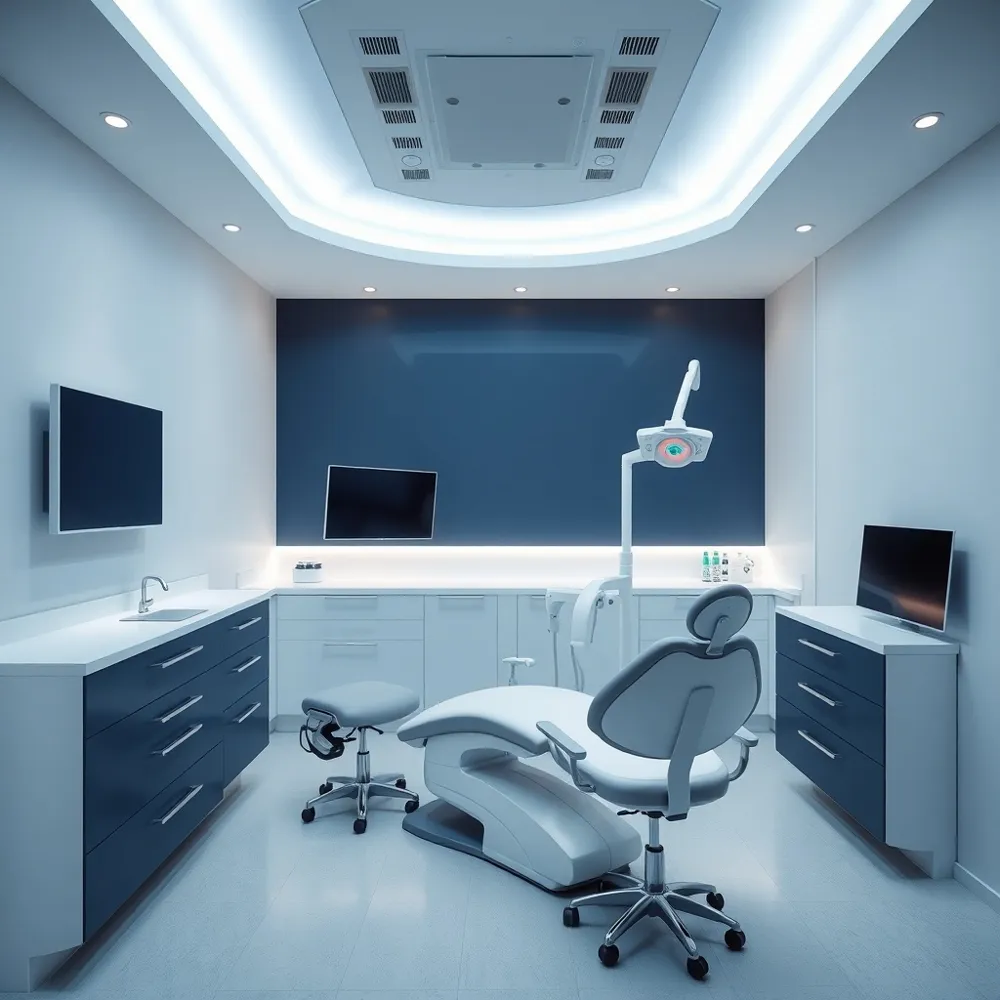
When deciding how to replace a missing tooth, patients often weigh the benefits of dental implants against traditional restorative options such as dental bridges. At sbdental.com, we prioritize treatments that promote long-term oral health by replacing both the crown and the root. Unlike bridges, which require the aggressive reduction of healthy adjacent teeth for support, implants stand independently. This preserves your natural tooth structure, preventing the potential decay or damage associated with relying on neighbors for anchorage.
Efficiency and stability are hallmarks of the implant placement process. While traditional bridges can often be completed in just two visits, they typically require replacement every 5 to 15 years. Implants serve as a permanent fix, yet they demand a longer commitment from patients, often requiring several months of healing to allow for successful osseointegration. This vital biological bond between the titanium post and the jawbone is what gives implants their superior longevity and prevents the bone resorption that leads to facial sagging.
Success in restorative dentistry is not just about the technology, but the precision with which it is applied. As noted in a study in the Journal of Oral and Maxillofacial Surgery, clinical outcomes rely heavily on the diagnostic expertise and surgical skill of the dental team. Patients should consider that while the upfront investment for an implant may be higher than for a dental bridge, the ability to avoid repeated replacement costs and the protection of adjacent teeth often provide greater value over a lifetime.
- Preserves jawbone density through consistent functional stimulation.
- Eliminates the need to modify healthy, adjacent natural teeth.
- Offers high durability with long-term success rates typically exceeding 97% cited by organizations like the American Academy of Implant Dentistry.
- Requires a multi-stage process involving assessment, surgery, and a dedicated healing period.
Longevity and Comparative Value in Restorative Dentistry
When deciding between tooth replacement methods, understanding the long-term clinical value of your choice is essential. While traditional solutions like dental bridges or dentures may carry lower initial costs, they often initiate a recurring cycle of expenses. Bridges commonly require replacement every 5 to 15 years, and their installation necessitates filing down adjacent healthy teeth, which compromises their structural integrity over time.
Conversely, dental implants function as an independent, permanent replacement that mimics your natural tooth root. Because they integrate directly with your jawbone through osseointegration, they provide the necessary physical stimulation to prevent bone resorption. This biological preservation distinguishes implants from dentures and bridges, which fail to stimulate the underlying bone, often leading to ongoing changes in facial structure.
How do dental implants compare to dental bridges and dentures in terms of long-term value and effectiveness?
Dental implants offer superior stability and chewing efficiency, frequently cited with success rates around 97 percent over 10 years. At sbdental.com, we prioritize these long-term benefits by offering comprehensive dental implant restoration tailored to your oral health. While temporary solutions require frequent adjustments, implants are designed to last a lifetime with consistent professional care and daily hygiene.
We invite you to visit our Rio Rancho practice for a personalized consultation. Our team can evaluate your bone density and health to determine if you are a candidate for this gold-standard treatment, ensuring you receive a solution that remains effective and comfortable for years to come.
Exploring Specialized Implant Technologies for Your Needs
Selecting the right dental implant approach requires a deep understanding of your unique oral anatomy. While many patients are familiar with traditional methods, modern dentistry offers tailored solutions for varied bone density and arch restoration requirements.
What are the common types of dental implants available for patients today?
Dental implants are a highly effective solution for replacing missing teeth, and the most common type used today is the endosteal implant, which is surgically placed directly into the healthy jawbone. When a patient lacks sufficient bone height for traditional implants, a subperiosteal implant may be used, as it rests on top of the jawbone but beneath the gum line. For patients experiencing severe bone loss in the upper jaw, zygomatic implants serve as a specialized alternative by anchoring into the cheekbone rather than the jaw. Additionally, restorative options like the All-on-4 technique allow for a full-arch replacement using fewer implants, providing stability for dentures or bridges. At sbdental.com, we evaluate your unique oral health needs to determine which of these modern, reliable solutions will best restore your smile and confidence.
Technological progress now allows specialists to provide stable foundations even in cases where past constraints might have ruled out treatment. Unlike traditional dental bridges that necessitate the alteration of perfectly healthy neighboring teeth, these specialized implant platforms function as independent units. By integrating directly with the bone structure, these advanced options mimic natural root stimulation, preventing the bone resorption that often contributes to the shifting of remaining teeth.
Every patient presents with specific structural needs, which is why clinical diagnostics such as 3D imaging are essential for mapping the optimal placement site. Recent data published in the Journal of Oral and Maxillofacial Surgery confirms that precise case selection and surgical skill are the most reliable indicators of long-term success. By opting for advanced, evidence-based dental implant technology, patients at sbdental.com can achieve a level of chewing function and aesthetic consistency that is largely unmatched by traditional restorative appliances.
The Biological Success and Longevity of Implants
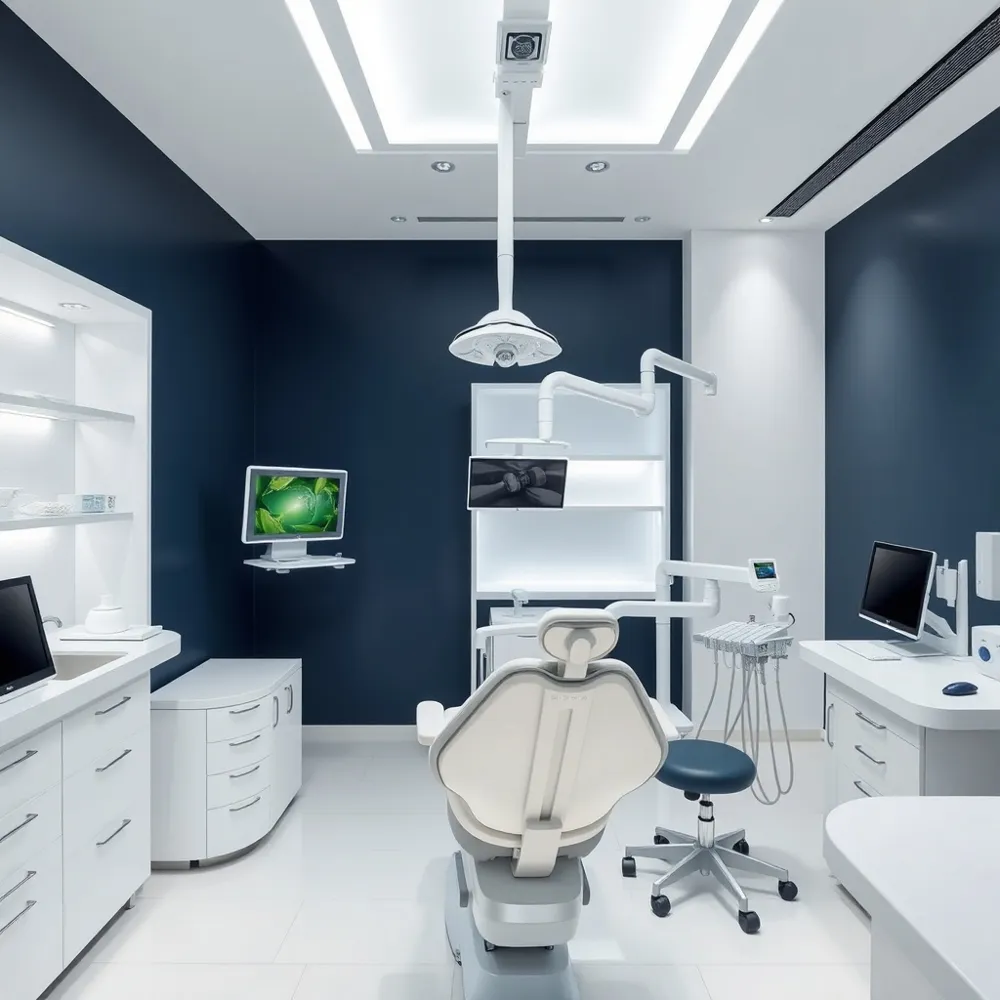
The long-term clinical success of dental implants is primarily attributed to a biological process known as osseointegration. During this phase, the titanium post fuses directly with the jawbone, creating a stable foundation that mimics the functionality of a natural tooth root. This integration prevents the bone resorption that often follows tooth loss, providing structural support that traditional bridges cannot offer.
What is the expected long-term success rate of dental implants, and what factors contribute to their longevity? Modern clinical research shows that dental implants are a highly predictable restorative option, boasting a success rate that often exceeds 95% in healthy patients. At sbdental.com, we understand that this reliability depends on meticulous surgical placement and patient commitment to maintenance. While implant failures are rare, they can sometimes occur due to peri-implantitis or systemic health factors. Ensuring the health of your implant involves consistent, daily oral hygiene, such as thorough brushing and flossing, to prevent plaque accumulation around the restoration.
- Consistent cleaning reduces the risk of peri-implantitis, a primary cause of late-stage complications.
- Regular dental check-ups allow for the early detection and management of potential issues before they impact the stability of the implant.
- Avoiding tobacco use is a critical factor, as smoking can disrupt the healing process and jeopardize long-term integration.
- For patients with a history of teeth grinding, a custom-fitted nightguard may be recommended to protect the prosthetic crown from excessive, uneven force.
While removable dentures are a common alternative, they lack the permanent stability that makes implants a preferred long-term solution. Our team at sbdental.com utilizes advanced diagnostic imaging to ensure each patient has the bone density required for successful integration, often achieving outcomes that last a lifetime rather than the shorter 5 to 15-year lifespan common with traditional dental bridges.
Evaluating Candidacy and Health Considerations
When assessing if you are a candidate for dental implant surgery, prioritize a thorough discussion regarding your health history with your dental provider. While sbdental.com utilizes advanced imaging to assess oral anatomy, systemic factors often play a critical role in long-term success. Smoking remains a significant risk factor, as it can disrupt osseointegration and heighten the risk of postoperative infection. Similarly, patients managing uncontrolled diabetes or other conditions that compromise immune function may require extra screening to ensure their bone can properly mend.
Are there specific medical conditions or lifestyle factors that affect candidacy for dental implant surgery?
While most adults are excellent candidates for dental implants, certain medical conditions and lifestyle factors require careful evaluation by our professional team. Factors like smoking, uncontrolled diabetes, and systemic autoimmune conditions can impact the body’s healing process and the integration of the implant with your jawbone. Additionally, patients undergoing radiation therapy for head or neck cancer may face challenges regarding bone health that warrant a specialized approach. Even if you have concerns regarding bone density or health history, many patients can still successfully receive implants through tailored planning and preparatory care. We welcome you to schedule a comprehensive evaluation at our office to determine the best path forward for your unique smile.
For patients where bone resorption has occurred, addressing density is a frequent part of the clinical journey. If your jawbone lacks the volume to support a titanium post, preparatory grafting procedures can help reconstruct the foundation before the actual implant is placed, a common alternative to the limitations seen with traditional dental bridges.
At sbdental.com, we emphasize personalized care for every health profile. While conventional practices might offer one-size-fits-all timelines, our approach includes adjusting the sequence of care to match your specific healing capacity. Consistent professional monitoring both before and after surgery is the standard for maintaining strong outcomes in complex cases.
Assessing the Financial Investment in Your Future Smile

When considering the financial investment of dental implants compared to other restorative options, it is helpful to view them as a long-term strategy for your total oral health. While traditional dental bridges may present a lower initial price tag, they often require the irreversible removal of enamel from adjacent healthy teeth. This difference in approach is significant, as AAID-Credentialed Dentists note that conventional bridges frequently require replacement every 5 to 15 years, whereas implants are designed to function as a permanent root structure.
The long-term value extends beyond just the restoration itself. Because implants replace the lost root, they provide the necessary physical stimulation to the jawbone, which helps prevent the bone resorption that often leads to facial sagging. By choosing this path, patients often avoid the recurring expenses and health risks associated with the eventual failure of bridge supports or the ongoing instability of removable dentures.
At sbdental.com, we prioritize transparency in our treatment planning. We understand that your smile is a personal asset, and we ensure you have a clear understanding of the projected clinical outcomes before beginning any procedure. Our team works with you to evaluate your specific anatomy and long-term goals, ensuring that every dollar invested supports a healthy, functional, and natural-looking smile that lasts for years to come.
Taking the Next Step Towards a Restored Smile
Selecting a long-term solution for missing teeth involves weighing clinical durability against daily quality of life. Dental implants remain the gold standard in modern dentistry because they replicate the structure of a natural tooth, from the prosthetic root to the custom crown. By integrating directly with your jawbone, these implants prevent the bone resorption and shifting associated with dental bridges or dentures.
At sbdental.com, we prioritize a patient-centered approach that combines advanced technology with a gentle, family-oriented environment. While traditional methods may seem faster or cheaper upfront, they often require recurring replacements and can involve damaging healthy adjacent teeth. By choosing an implant-based restoration, you are investing in a proven, biocompatible foundation designed to last a lifetime with proper hygiene and routine monitoring.
Achieving your ideal smile starts with a comprehensive evaluation of your oral anatomy and health history. We invite you to contact sbdental.com today to learn whether you are a candidate for dental implants. Our team looks forward to helping you restore your comfort, confidence, and chewing function through a personalized treatment plan.