

Why Lifelong Oral Health Matters Importance of Oral Health to Overall Wellness Maintaining good oral health is fundamental to overall wellness. Healthy teeth and gums enable effective eating, clear speech, and a confident smile, all contributing to quality of life. Good oral hygiene reduces the risk of cavities, gum disease, and tooth loss, preventing discomfort…

Understanding the Vital Link Between Oral Health and Wellbeing Oral health is a fundamental component of overall wellbeing, influencing not only essential functions such as eating, speaking, and social interaction but also signaling broader systemic health conditions. Maintaining a diligent oral hygiene routine and adopting healthy lifestyle habits can reduce the risk of chronic diseases,…
The Vital Role of Oral Health in Overall Wellbeing Understanding the Importance of Oral Health for Overall Health Maintaining good oral health is essential not only for a bright smile but also for supporting overall wellbeing. The mouth serves as a gateway to the body, and poor oral hygiene can lead to harmful bacteria entering…

Introduction to Oral Hygiene and Its Impact on General Wellbeing Importance of Oral Hygiene Maintaining good oral hygiene is fundamental not only for healthy teeth and gums but also for overall health. Proper oral care removes dental plaque—a sticky film of bacteria—that causes tooth decay and gum disease. Establishing daily habits like brushing, flossing, and…
Understanding Patient-Centered Care in Modern Dentistry Patient-centered care (PCC) is reshaping the landscape of dentistry by placing patients’ unique needs, values, and preferences at the core of treatment decisions. This holistic approach not only fosters stronger dentist-patient relationships but also integrates advanced technologies and interdisciplinary collaboration to enhance overall health outcomes. As dentistry evolves, embracing…

From Chair to Choice: Redefining Your Dental Experience Traditionally, dental care often followed a provider-focused model where the dentist held primary control over treatment decisions. The patient’s role was largely passive, receiving expert recommendations. While clinically sound, this model sometimes felt impersonal and didn’t always account for a patient’s personal preferences, lifestyle, or unique goals…

The Life-Changing Impact of Restorative Dental Care Your smile serves as a primary form of nonverbal communication, frequently influencing how others perceive your sociability and self-assurance. When dental issues like missing teeth impact that smile, it can create significant psychological stress and lower self-esteem. Clinical research confirms that addressing these concerns can lead to tangible…
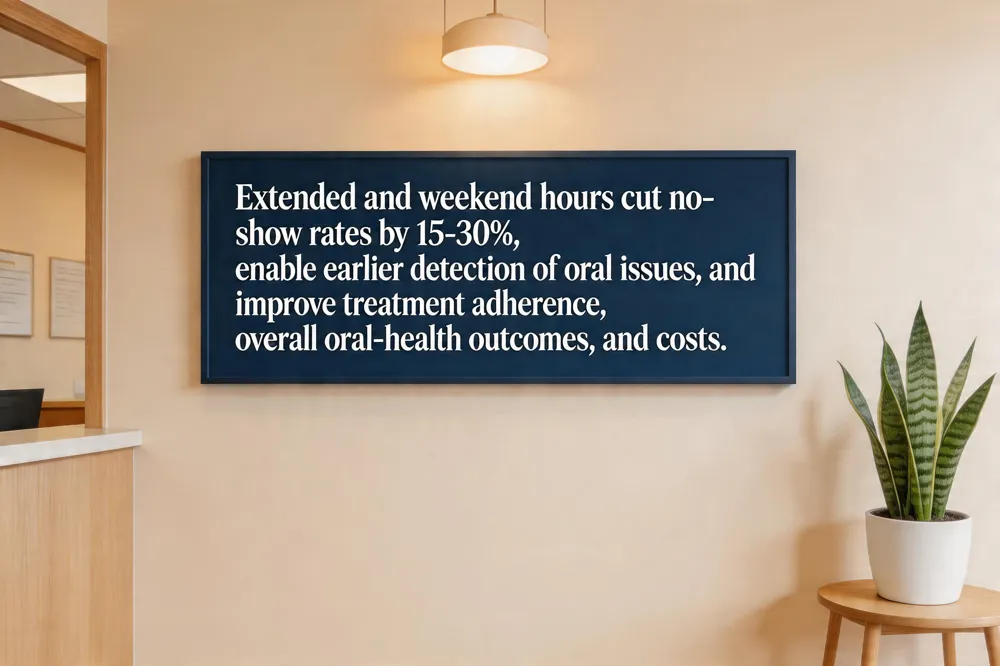
Understanding Patient‑Centered Scheduling Patient‑centered scheduling puts the patient’s personal rhythm at the core of appointment planning, allowing individuals to choose times that fit work, school, family, or transportation constraints. In dentistry, flexible office hours—early mornings, evenings, and weekend slots—expand access for working adults, students, caregivers, and retirees, reducing the need to take time off or…

Introducing Personalized Dental Care Importance of Personalization in Dentistry Personalized dentistry revolves around tailoring dental care to each patient’s unique needs, history, and preferences. Practices like Liberty Family Dentistry in Rio Rancho, NM, emphasize understanding the individual story behind every smile. This approach allows dental professionals to monitor changes over time, sometimes detecting health issues earlier than…
Why Personalized Dental Care Matters Personalized dental care puts the patient’s unique oral health profile, lifestyle, and goals at the center of every decision. By tailoring treatments—whether a simple cleaning, a crown, or a full‑arch implant—dentists can address the most pressing issues first, reduce unnecessary procedures, and improve long‑term outcomes. Advanced tools such as digital…