

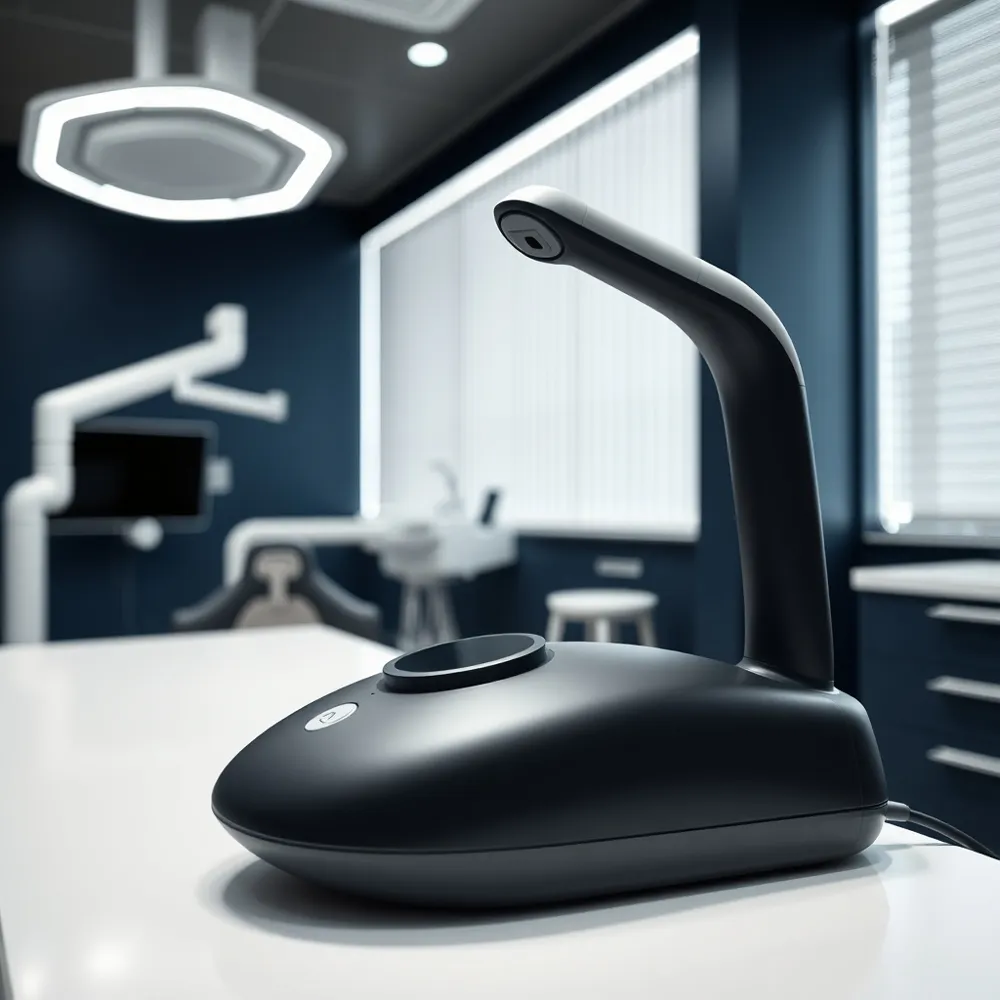
Embracing a New Era of Digital Dental Care The evolution of digital dentistry marks a significant shift in how we approach oral health. By moving beyond traditional, often uncomfortable methods, this modern approach utilizes advanced 3D imaging, intraoral scanners, and digital diagnostic tools to capture highly detailed models of your teeth. At sbdental.com, we prioritize…

Introduction to Same-Day Crowns at Southern Boulevard Dental Overview of Same-Day Crowns Same-day crowns are a modern dental solution designed to restore and strengthen damaged or weakened teeth efficiently. Unlike traditional crowns, which require multiple visits and waiting periods, same-day crowns allow patients to receive a durable, custom ceramic crown in just one appointment, typically…

Introduction: The Power of Smiles Recent research, including a large international study of 3,878 participants published in Nature Human Behavior, confirms that intentionally forming a smile can modestly boost happiness—supporting the facial‑feedback hypothesis. Studies also show that a natural‑looking, aesthetically pleasing smile releases dopamine, serotonin, endorphins and reduces cortisol, linking dental appearance directly to mood,…
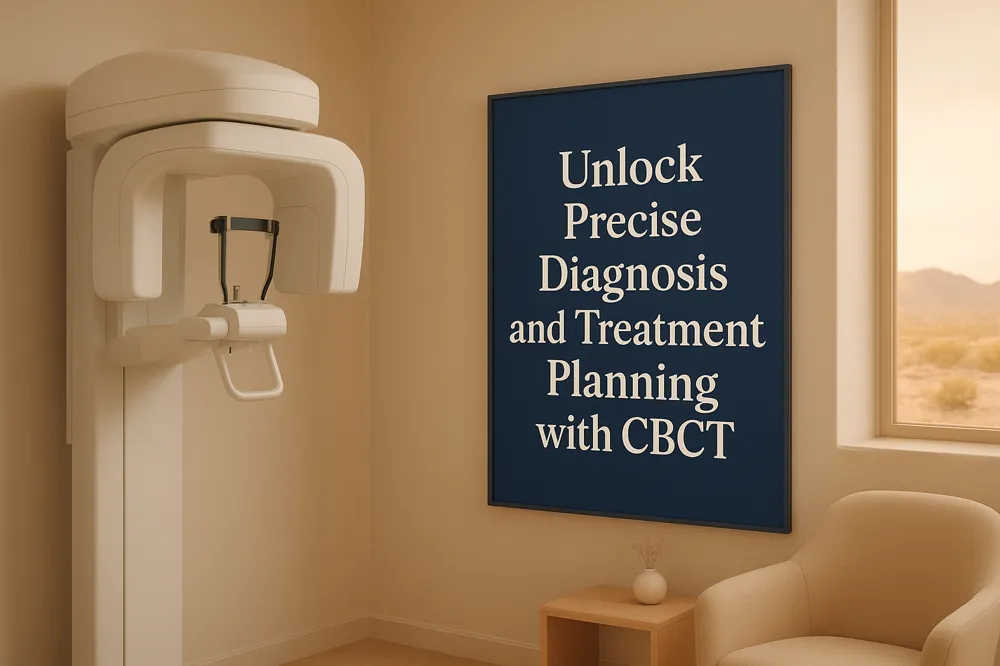
Introduction to 3D CBCT Imaging in Dental Care Overview of CBCT Technology Cone Beam Computed Tomography (CBCT) is an advanced imaging technique that produces detailed three-dimensional images of the teeth, jawbone, and surrounding oral structures. Unlike traditional two-dimensional X-rays, CBCT rotates a cone-shaped X-ray beam around the patient’s head, capturing hundreds of images from multiple…
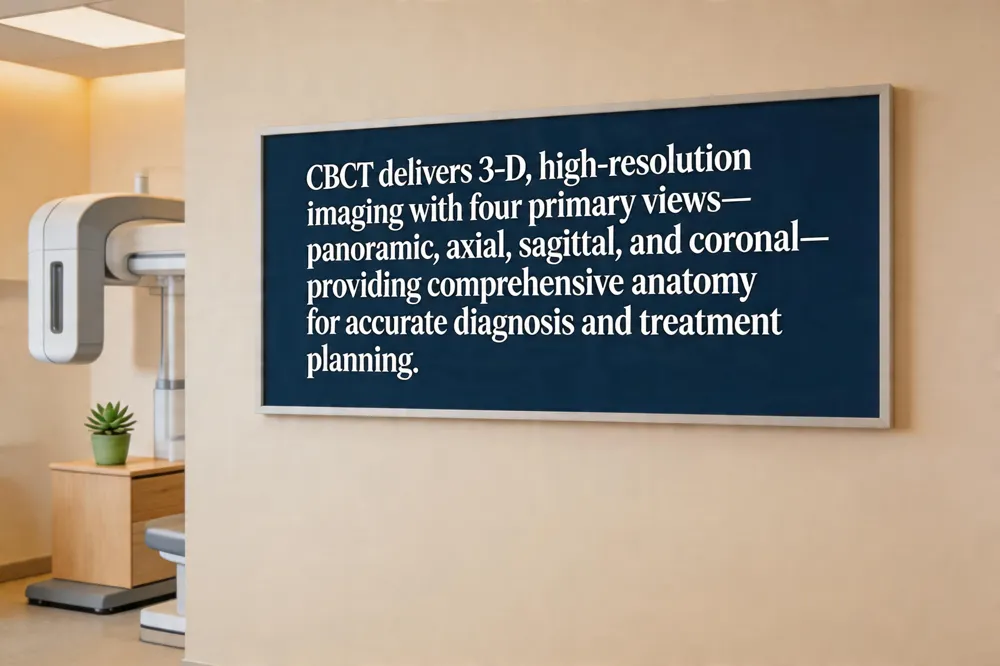
Welcome to Southern Boulevard Dental’s AI-Driven CBCT Era Artificial intelligence has become a game‑changer for dental imaging. Modern AI algorithms—especially deep‑learning convolutional neural networks—can automatically segment teeth, bone, nerves and lesions in Cone Beam Computed Tomography (CBCT) scans, reducing manual tracing from minutes to seconds. These models achieve diagnostic accuracy exceeding 90 % for periapical lesions,…
Transforming Smiles with Precision The advent of digital scanning technology has ushered in a new era in dental care, fundamentally changing how dentists capture, diagnose, and treat oral conditions. This article explores the pivotal role digital scans play in enhancing dental procedures, providing insights into how advanced tools are improving accuracy, patient comfort, and overall…

The Digital Turn in Dentistry Digital dentistry began in 1973 when CAD/CAM technology was first introduced, allowing computer‑aided design and manufacturing of restorations. Over the past five decades, intraoral scanners, digital radiography, and cone‑beam CT have replaced analog impressions, film‑based X‑rays, and manual model fabrication. Today, a single appointment can include a high‑resolution 3‑D scan,…

Understanding the Vital Role of Fluoride in Modern Dentistry Dental caries remains a prevalent chronic disease, affecting millions globally. However, this condition is largely preventable through consistent, evidence-based habits. At sbdental.com, we prioritize proactive care to help our patients avoid the discomfort and high costs of restorative procedures. Fluoride is a vital tool for long-term…

Introduction to Laser Dentistry and Sensitivity Management Dental laser technology delivers concentrated light energy that can precisely cut, reshape, or vaporize both hard (enamel, dentin, bone) and soft (gums, mucosa) tissues. By targeting only diseased tissue, lasers preserve healthy structures, seal dentin tubules, and coagulate blood vessels, which minimizes inflammation, bleeding, and thermal trauma. This…

Modern Aesthetic Solutions for a Natural Looking Smile Composite resin has transformed cosmetic dentistry by offering a highly esthetic, versatile, and conservative alternative to traditional restorative materials. This material, which blends fine glass or ceramic particles with plastic, allows dentists to achieve results that mirror the natural translucency and shade of your enamel. Per NIH…