

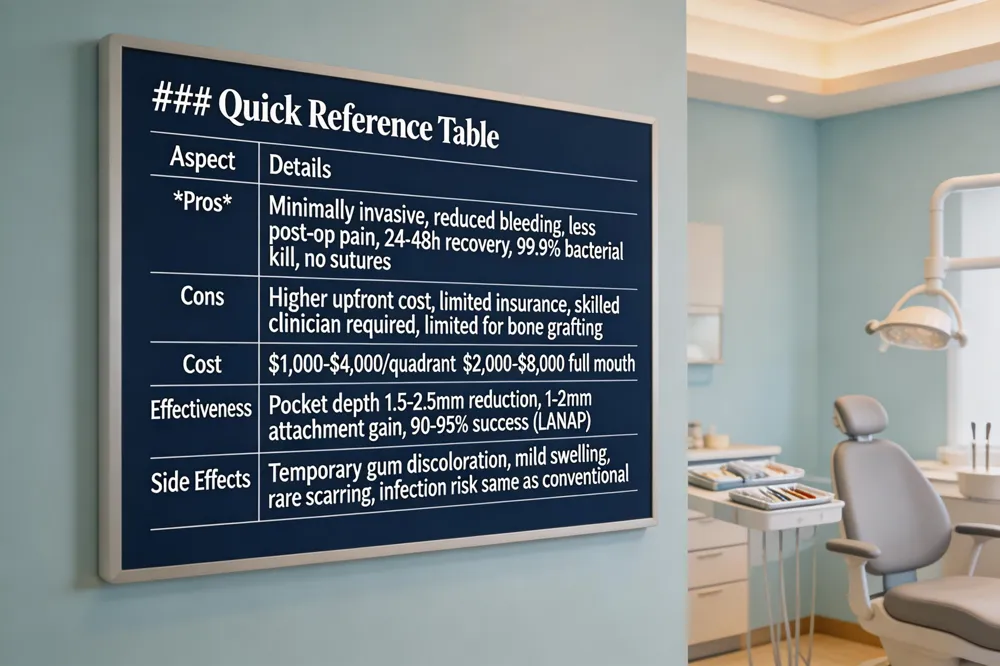
Understanding Gentle Laser Periodontal Therapy Laser technology is employed in gum‑disease care because specific wavelengths (diode 810‑980 nm, Nd:YAG 1064 nm, Er:YAG 2940 nm) can selectively vaporize inflamed tissue and pathogenic biofilm while sparing healthy structures. The photothermal and photobiomodulatory effects lower bacterial load, achieve hemostasis, and stimulate fibroblast activity, which together promote faster, more comfortable healing. Key…
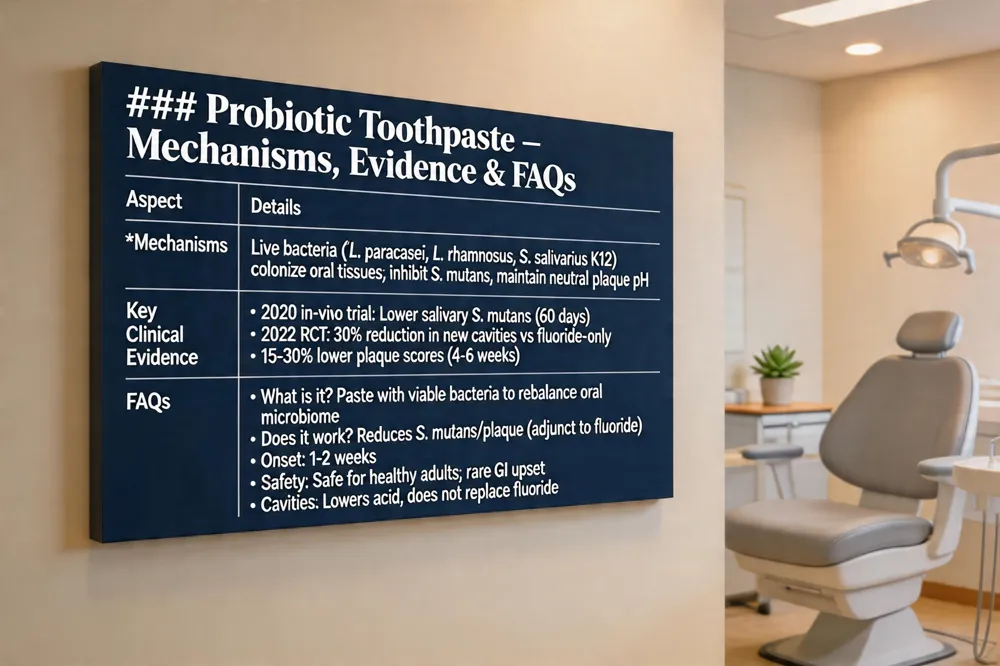
The Rise of Microbiome‑Friendly Oral Care Dental caries, the most common chronic disease, arise when acid‑producing Streptococcus mutans dominates the oral biofilm, demineralizing enamel. Traditional toothpastes rely on fluoride and broad‑spectrum antimicrobials to kill bacteria, but they also disrupt beneficial microbes. Recent research shows that probiotic, prebiotic, synbiotic, and postbiotic approaches can selectively suppress S….

Streamlining Dental Restorations: An Overview Same-day dental crown procedures have emerged as a groundbreaking advancement in restorative dentistry, offering patients a rapid and efficient alternative to traditional multi-appointment crown treatments. Utilizing state-of-the-art digital technology, these procedures significantly reduce treatment time while maintaining high standards of durability and aesthetic appeal. This article explores the time-saving benefits…

Understanding the Journey: Dental Implant Healing from Start to Finish Healing after dental implant surgery is a multi-stage process that involves both soft-tissue recovery and bone integration. When a biocompatible titanium post is surgically placed into the jawbone, your body immediately initiates a natural biological response designed to secure the new artificial root. The visible…

Understanding Preventive Dental Care Preventive dental care is a cornerstone of maintaining not only oral hygiene but also overall health. By embracing regular dental visits, proper home care, and community support, individuals can significantly reduce their risk of oral diseases such as cavities and gum disease. This article explores the multifaceted benefits, practices, and broader…

Understanding Personalized Dental Care: The Key to Your Best Smile What Is Personalized Dental Care? Personalized dental care is an approach tailored specifically to each individual’s unique oral health needs, medical history, lifestyle, and personal preferences. This patient-centered practice ensures that dental treatments are customized rather than generic, promoting safer and more effective care. Why…

Why Choosing the Right Family Dentist Matters Oral health is a cornerstone of a family’s overall well‑being. Untreated cavities, gum disease, or infections can cause pain, affect nutrition, and even influence chronic conditions such as diabetes and heart disease. Regular preventive care keeps children’s teeth developing properly, helps teens avoid orthodontic problems, and allows adults…
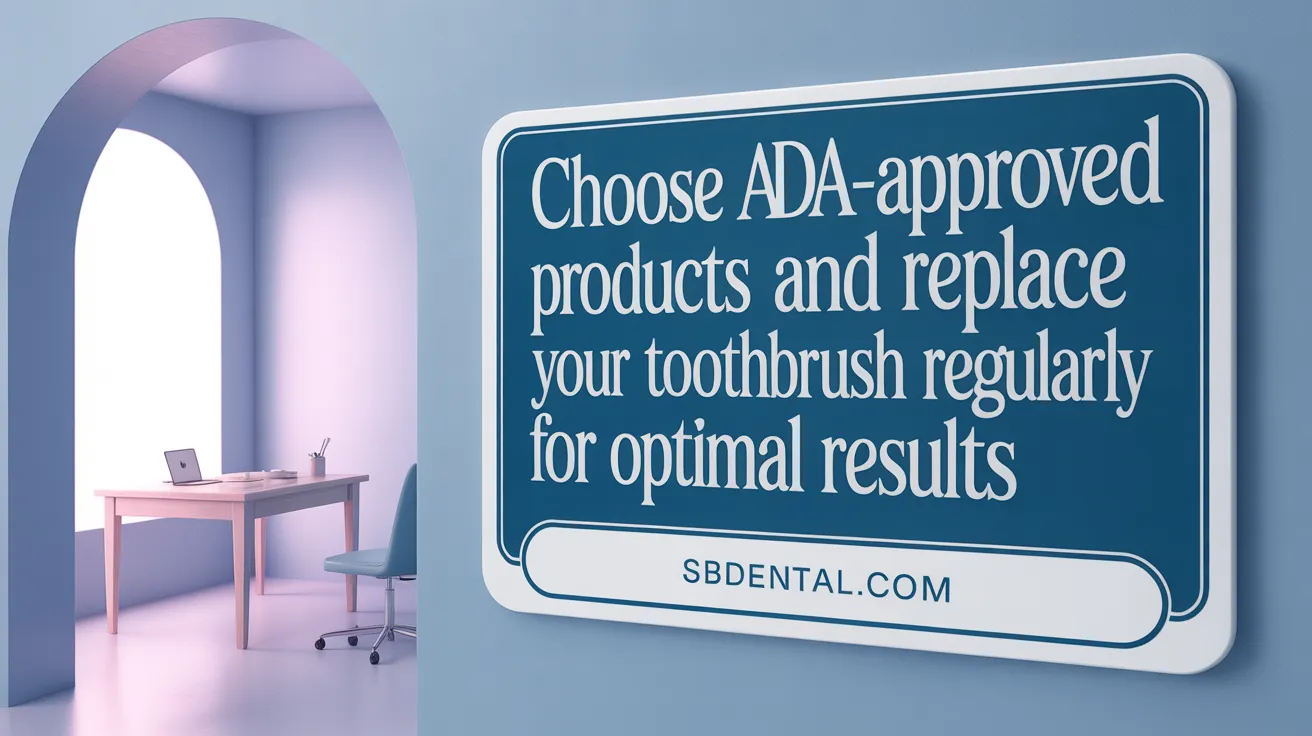
Why Oral Health is Foundational to Wellbeing Connection between oral health and overall health Your mouth is a gateway to your body’s overall wellness. Maintaining good oral hygiene isn’t just about having a bright smile; it helps prevent harmful bacteria from entering the bloodstream through your mouth. These bacteria can contribute to serious health issues…

Why Managing Dental Costs Matters Unexpected dental procedures can quickly become a financial burden, often forcing patients to delay care or incur high out‑of‑pocket expenses. Regular preventive visits—cleanings, exams, sealants, and fluoride—catch problems early, reducing the need for costly restorations such as crowns, root canals, or implants. Leveraging insurance benefits (especially 100% covered preventive services),…
Why a Compatibility Check Matters A child’s oral health begins long before the first bite of a school‑lunch sandwich. In fact, the American Academy of Pediatric Dentistry (AAPD) recommends a first dental visit by age one or within six months of the first tooth. This early start is not just about checking for cavities—it sets…