Introduction
Dental anxiety touches a significant portion of the U.S. population—up to 20 % of adult patients report moderate to severe fear, and an additional 15 % experience extreme anxiety or phobia. This widespread apprehension can lead to missed appointments, poorer oral health, and heightened stress for both patients and staff. A personalized, patient‑centered approach directly addresses these challenges by first identifying each individual's triggers through validated questionnaires or pre‑visit interviews, then tailoring communication, pacing, and comfort measures—such as visual aids, gentle breathing exercises, or customized sedation options. When patients feel heard, understand every step, and retain control over their care, anxiety drops by up to 30 %, adherence improves, and the dental team enjoys greater job satisfaction.
Understanding Dental Anxiety and Its Roots
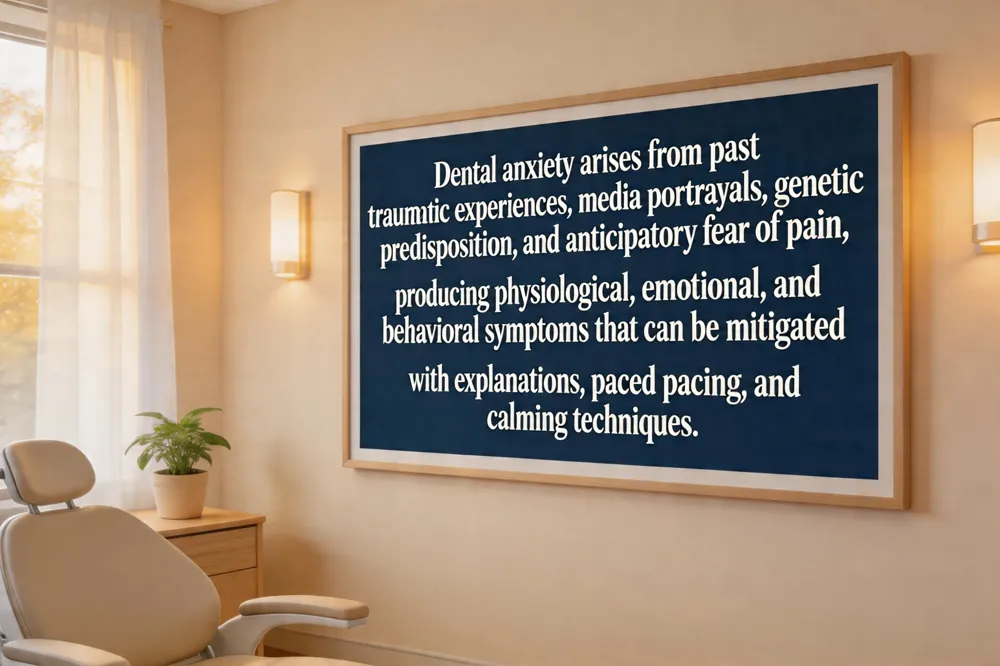 Dental anxiety is a common response that can turn a routine check‑up into a stressful event. The body’s fight‑or‑flight system kicks in when the mouth is perceived as vulnerable, producing rapid heartbeat, sweating, and a “nervous stomach.” Past traumatic experiences—such as drills, needle pain, or a harsh dentist’s tone—leave lasting memories that resurface with each visit. Media portrayals of terrifying dentists and stories of dental trauma further amplify these fears, while genetic predisposition and a history of anxiety can heighten sensitivity.
Typical symptoms include physiological signs (elevated heart rate, trembling, dizziness), emotional reactions (intense dread, crying, humor to mask fear), and behavioral patterns (avoidance, missed appointments, excuses). Patients often report intrusive thoughts about pain, loss of control, or previous negative experiences.
Why does anxiety spike before a dental visit? The combination of a stress response, remembered pain, negative social cues, and individual anxiety proneness creates a perfect storm. Recognizing these triggers allows the dental team to use explanations, paced pacing, and calming techniques—such as breathing, music, or a “pause” signal—to restore a sense of control and reduce fear.
Assessing Anxiety: Tools, Standards, and Medication Options
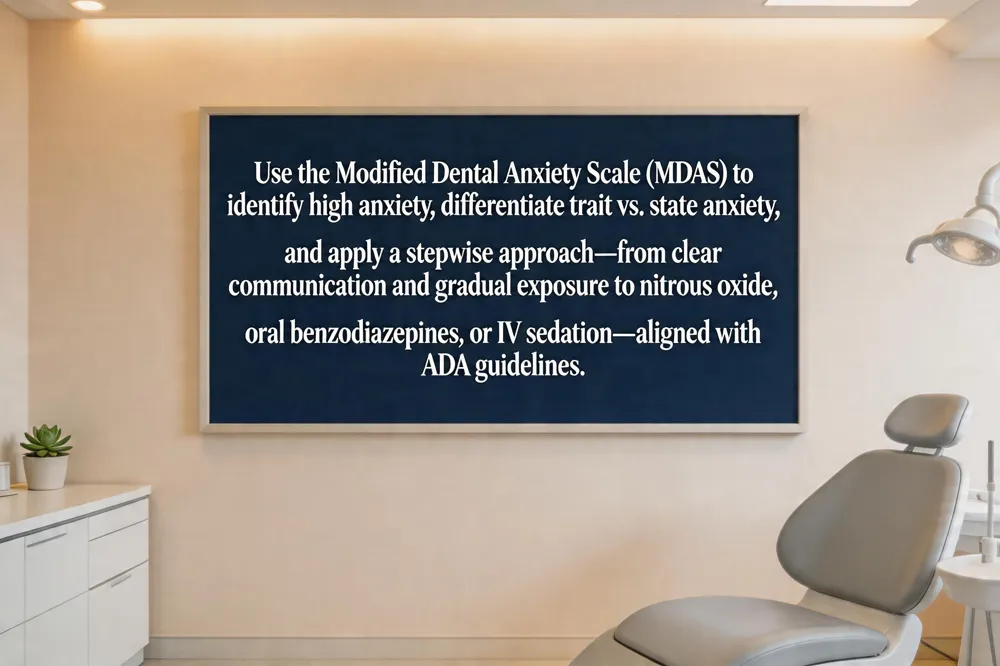 Dental anxiety is most reliably screened with the Modified Dental Anxiety Scale (MDAS), a five‑item questionnaire that asks patients to rate fear of a dental visit, waiting room, drilling, scaling, and anesthetic injection on a 1‑5 scale. Scores range from 5 to 25; a total of 19 or higher signals high anxiety or possible phobia. Early identification allows clinicians to apply clinical standards that start with a thorough assessment of trait versus state anxiety, medical history, and personal preferences. First‑line interventions include clear, patient‑centered communication, tell‑show‑do, gradual exposure, and trauma‑informed techniques. When anxiety remains moderate to severe, pharmacologic options are introduced in line with ADA guidelines. Nitrous oxide (laughing gas) is inhaled through a nasal mask, offering rapid, titratable sedation with minimal recovery time and is ideal for most anxious patients. Oral benzodiazepines (e.g., diazepam, lorazepam) provide longer‑lasting calming effects, while intravenous agents such as midazolam allow precise depth control for deeper sedation. All medication plans are customized to the patient’s anxiety level, procedure length, and health status, ensuring safety, comfort, and a positive dental experience.
Patient‑Centered Communication and Shared Decision‑Making
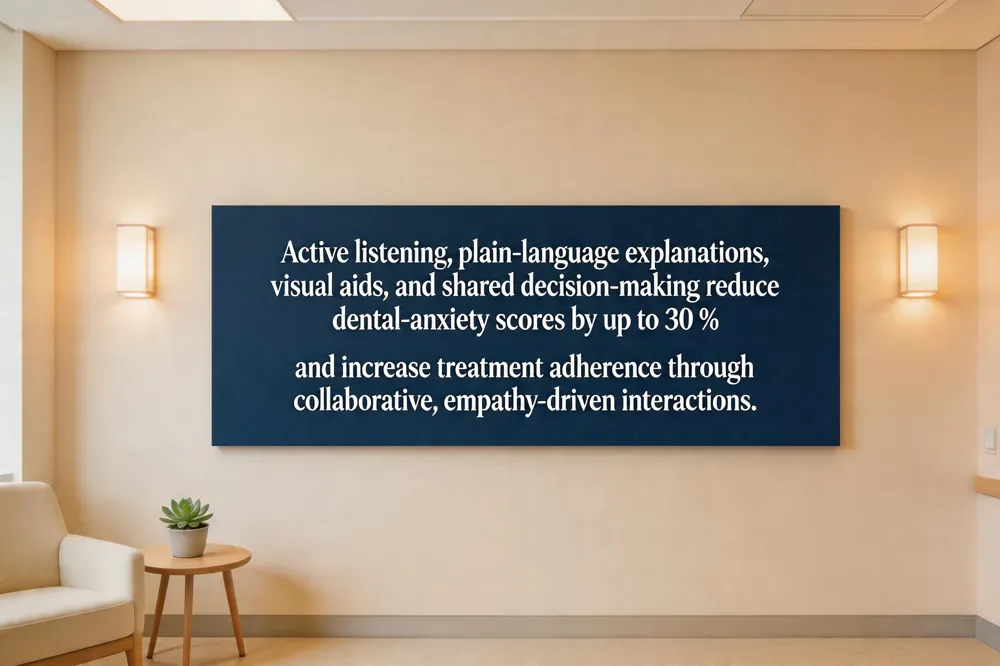 Patient‑centered care in dentistry places each individual's preferences, needs and values at the core of every clinical decision. It relies on clear, compassionate communication that demystifies diagnoses and treatment options, allowing patients to choose evidence‑based pathways that fit their lives. Effective communication begins with active listening—maintaining eye contact, nodding, and asking clarifying questions—to demonstrate empathy and reduce anxiety. Open‑ended questions such as “What concerns do you have about today’s procedure?” invite patients to share fears and goals, fostering rapport and a collaborative atmosphere. Evidence‑based strategies include using plain‑language explanations, visual aids (intra‑oral scans, 3‑D models), and confirming understanding by having patients repeat key points. A recent literature review shows that such techniques lower dental‑anxiety scores by up to 30 % and increase treatment adherence. A narrative review highlights the need for a standardized PCC model that integrates shared decision‑making, individualized treatment planning and continuous digital communication, guiding practices like Southern Boulevard Dental to embed these principles into everyday workflow and improve both patient comfort and clinical outcomes.
Putting Personalization into Practice: Real‑World Strategies
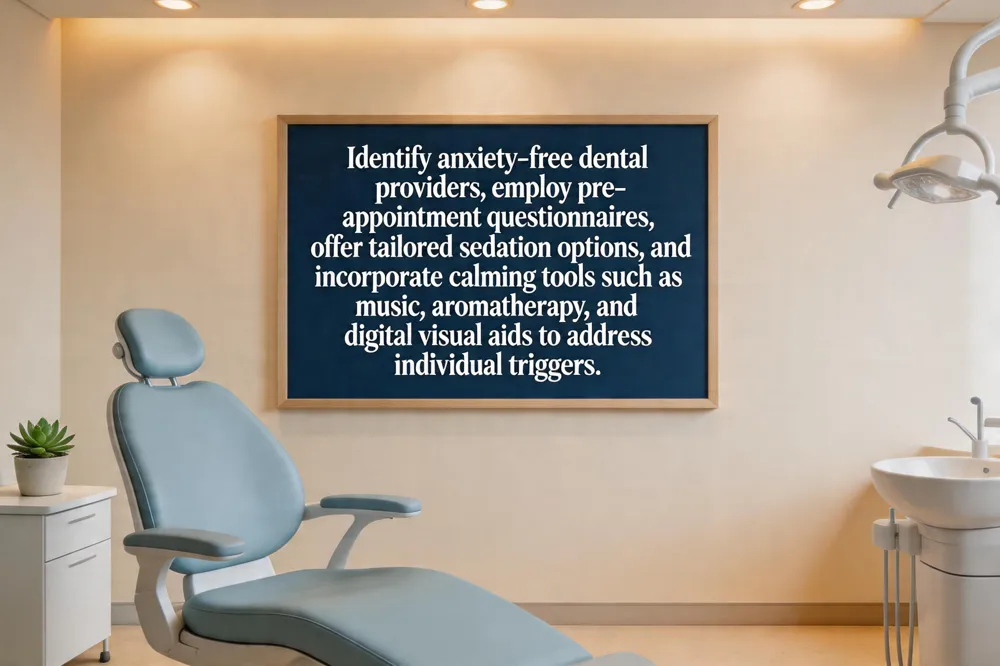 Finding a dentist who specializes in anxiety‑free care
When you search for a "dental anxiety dentist near me" in Rio Rancho, look for practices that offer gentle environments, nitrous‑oxide or oral conscious sedation, and visual aids like warm blankets, headphones, and calming décor. Clinics such as Rio Rancho Dental Associates, Fife Dental Care, and Southwest Dental provide personalized “meet‑and‑greet” sessions that the team to learn your triggers and tailor the visit accordingly.
How common is dental anxiety
Dental anxiety affects up to 20 % of U.S. adults, with 22 % of women and 4 % of men reporting sexual‑assault‑related fear, and 10‑20 % of men and up to 10 % of women having combat‑related trauma. Surveys of Texas hygienists show 20 % of patients experience significant fear, underscoring why personalized care matters.
Dental anxiety articles
Recent literature (JADA 2014, JDR 2022) highlights cognitive‑behavioral therapy, deep‑breathing, music distraction, aromatherapy, and digital visual aids (intra‑oral scans, 3‑D simulations) as effective anxiety‑reduction tools that lower cortisol and heart rate.
How do I get over dentist anxiety?
Start with a pre‑appointment questionnaire to identify triggers, then work with your dentist on a customized plan: clear step‑by‑step explanations, a hand‑signal for breaks, and optional sedation. Practice diaphragmatic breathing or progressive muscle relaxation before the visit.
Dental anxiety management PubMed
PubMed studies report 10‑20 % prevalence and support CBT, systematic desensitization, and sedation (nitrous oxide, oral anxiolytics). Emerging digital interventions—VR distraction and smartphone exposure apps—also show promise in reducing physiological stress markers.
Long‑Term Benefits of Active Participation
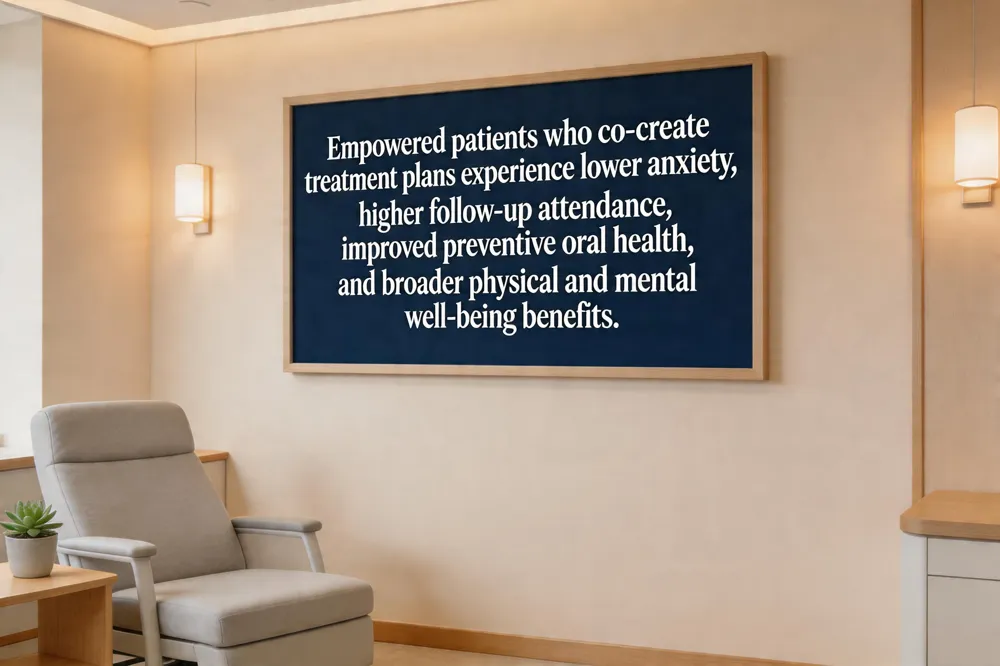 Empowering patients to direct their oral health builds confidence and improves outcomes. When individuals share fears, choose coping strategies, and co‑create a personalized treatment roadmap, they experience greater control, which lowers dental‑anxiety scores by up to 30 % (Journal of Dental Research, 2022). Shared decision‑making also boosts adherence; patients with a written, step‑by‑step plan are twice as likely to attend follow‑up visits (Survey of 1,200 patients, 2023). Preventive care reinforced by explanations and visual aids such as intra‑oral scans reduces invasive procedures, cuts costs, and lessens systemic risks linked to gum disease. Attendance enables detection, leading to oral‑health outcomes and reduced anxiety.
How does active participation in oral care benefit an individual? Active participation in one’s own oral care leads to better health outcomes by preventing cavities, gum disease, and related systemic conditions. Brushing, flossing, and dental check‑ups build confidence and preventive habits. Oral health supports speech, a smile, and eating, enhancing interactions. Preventing disease significantly reduces costly treatments, missed work or school days, preserving productivity stability. Engaged oral care contributes to physical, mental, well‑being, enabling individuals to thrive professionally.
Conclusion
Personalized dental treatment plans empower patients by identifying specific anxiety triggers, offering clear step‑by‑step explanations, and integrating tailored coping tools such as breathing techniques, music, or sedation options. This patient‑centered approach boosts perceived control, lowers physiological stress markers, and improves treatment adherence, resulting in up to a 30 % reduction in dental anxiety scores and higher satisfaction. Residents of Rio Rancho, we invite you to experience a calmer, more confident visit at our practice. Call today to schedule a “meet‑and‑greet” consultation, share your concerns, and let us design a customized care roadmap that puts your comfort and oral health first.