Embarking on Your Journey to Better Oral Health
Your path to a restored smile begins with a dedicated consultation. At sbdental.com, we approach this initial visit as a supportive, diagnostic session rather than a procedure. It is a strictly informational meeting designed to create a personalized treatment roadmap that honors your specific functional needs and aesthetic goals.
We understand that visiting a dental office can feel overwhelming. Our team prioritizes a low-pressure environment where you can freely discuss your concerns, review your medical history, and ask questions about the dental implant surgery process. Unlike impersonal clinics that may push standardized solutions, our approach focuses on your comfort and long-term oral health.
During your visit, we use advanced imaging to evaluate your jawbone density and structural requirements. Because this foundational assessment is critical for dental implants, we ensure every step is clearly explained before you move forward. By choosing a team that emphasizes patient-centered planning, you can feel confident that your roadmap is tailored specifically to your anatomy, supporting better outcomes and a more comfortable healing experience.
Comprehensive Clinical Assessment and Planning
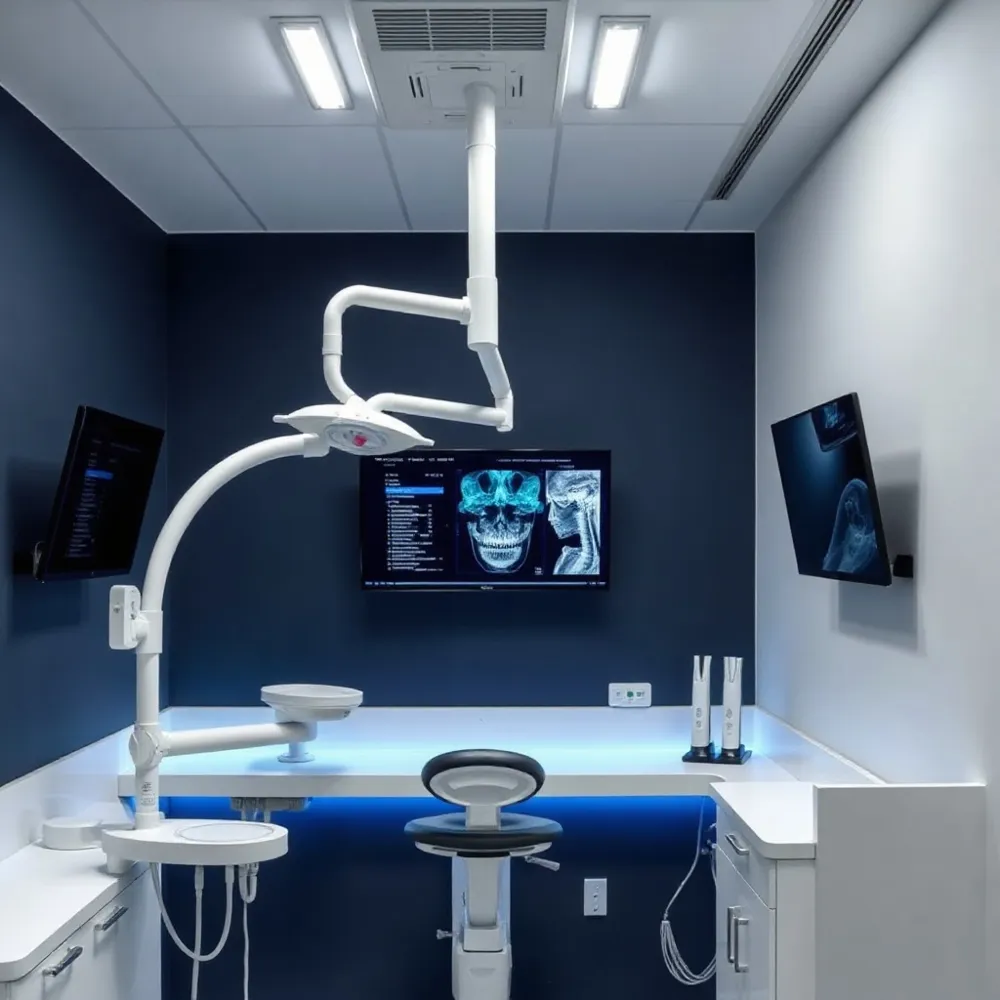 Your path to a restored smile begins with a dedicated consultation, a diagnostic session that prioritizes your comfort and health rather than actual surgical intervention. The foundation of successful dental implant surgery starts with analyzing your unique oral environment to ensure long-term stability and function.
Determining your candidacy for dental implants involves a comprehensive evaluation centered on long-term health and stability. At sbdental.com, we use advanced 3D imaging to precisely measure your bone's width, height, and density to ensure there is a sturdy foundation for the implant. Our team also carefully assesses your gum health, overall bite forces, and the proximity of vital structures like nerves and sinus cavities to plan for safety and comfort. We review your dental history, including any bone loss patterns or previous extractions, to determine if the site is ready for an implant or if a preliminary procedure like a bone graft would better support your success. Ultimately, our goal is to partner with you in creating a treatment plan that provides reliable, functional, and natural-looking results tailored to your unique needs.
Evaluating Patient History and Health Factors
A thorough medical and dental history review is essential to identify factors that might impact your healing process. Your dentist will inquire about underlying conditions like diabetes or osteoporosis, alongside a current list of all medications, because these can influence how your body integrates with the dental implant post. In contrast to practices that follow standardized, one-size-fits-all protocols, sbdental.com creates a customized safety roadmap for every patient, accounting for systemic health markers that may require special adjustments before proceeding.
Clinical Protocols for Precision Placement
Are there specific clinical guidelines, such as the 3x3x3 rule, involved in implant placement? Yes, clinical protocols like the 3x3x3 rule are used to ensure proper implant positioning. This includes placing implant platforms 3 mm apical to the predetermined gingival margins and ensuring the centers are placed at least 3 mm palatal to the restoration line to maintain structural integrity and aesthetic results. By adhering to these exacting standards during the initial dental implant consultation, your care team is able to verify how the final crown will look and perform within your natural bite.
Navigating the Timeline and Surgical Process
 The journey toward a prosthetic tooth replacement is a structured sequence that prioritizes long-term stability and health. This dental implant surgery process is typically divided into distinct phases designed to ensure the highest success rate, supporting excellent outcomes for patients in good health.
What is the step-by-step process for getting a dental implant?
The patient journey begins with a comprehensive consultation, where we use advanced imaging to assess oral health and create a personalized treatment plan. During the primary procedure, a titanium implant is surgically placed into your jawbone to serve as a sturdy, artificial root. Over the next three to six months, your jaw undergoes a natural healing process called osseointegration, where the bone fuses securely with the implant. Once this foundation is solidified, a small connector piece known as an abutment is attached to the post. Finally, your custom-made, natural-looking crown is secured, completing your treatment and restoring your smile’s function and beauty.
Understanding osseointegration is central to grasping why the treatment timeline spans several months. This biological fusion is the foundation of the implant's durability. Rushing this phase can impact the long-term success of the restoration. While some dental practices suggest rapid timelines, a cautious, biology-first approach remains the gold standard for lasting results.
Professional expectations for treatment duration are essential for a clear patient experience. While the full process usually takes three to nine months, individual factors such as the density of your jawbone or the necessity of preliminary procedures like bone grafting can influence this schedule. During your initial dental implant consultation, your dentist will outline a tailored roadmap. This ensures that every stage, from the initial evaluation through implant placement and final crown restoration, is clearly mapped out so you know exactly what the path ahead looks like.
Patient Considerations and Health Factors
Achieving long-term success with dental implant surgery requires a clear understanding of your unique biological needs. While systemic conditions like diabetes or osteopenia influence how your body heals, these factors do not automatically disqualify you from treatment. Every patient at sbdental.com receives a custom assessment that accounts for bone density and physical health to provide a safe, stable foundation for your implants.
Can patients with conditions like osteopenia receive dental implants?
Yes, patients with conditions like osteopenia or osteoporosis can generally receive dental implants. While these conditions affect bone density, they do not automatically disqualify you from enjoying the benefits of a restored smile. Successful placement simply requires a personalized, patient-centered approach to ensure your jawbone can properly support the implants. Our team will carefully evaluate your bone health and may adjust your treatment plan to include longer healing periods or additional support if necessary. We invite you to schedule a consultation at our Rio Rancho office so we can assess your specific needs and create a plan tailored to your long-term dental health.
What are the common side effects or considerations a patient should know before undergoing dental implant surgery?
Undergoing dental implant surgery is a highly successful procedure, but it is important to be prepared for the typical recovery process. Patients may experience minor side effects, such as swelling of the gums and face, bruising of the skin, pain at the implant site, and minor bleeding as noted by the Mayo Clinic. To support healing, our team provides personalized post-operative instructions, which may include dietary adjustments or specific oral hygiene techniques to keep the surgical area clean. If additional steps like tooth extraction or bone grafting are required, the overall recovery timeline may be longer, allowing your jawbone sufficient time to strengthen. At Southern Boulevard Dental, we are dedicated to your comfort and will guide you through every stage of your treatment to ensure a smooth and successful transition to a restored smile.
Open communication regarding your health is the most critical preparation you can make. You must disclose all current medications, including blood thinners, and be prepared to pause habits like smoking, as nicotine can actively disrupt the delicate osseointegration process. Being transparent about your history allows us to manage risks proactively and adjust your treatment roadmap to protect your long-term results.
Structuring Your Consultation and Post-Operative Care
Preparing for your dental implant surgery begins with gathering the necessary information. To maximize your time during the initial visit, bring a list of your current medications, any relevant medical history, and past dental records. Consultations are important for building a foundation of trust, so come prepared to clarify your personal goals for your smile's function and aesthetics.
How long does a dental implant consultation typically take?
Most dental implant consultations typically last between 45 and 60 minutes. This dedicated time allows your dentist to thoroughly review your medical and dental history, including any current medications or underlying health conditions. You will also undergo a comprehensive oral examination and advanced imaging to assess your jawbone density and overall gum health. During this appointment, we encourage you to discuss your aesthetic goals and ask questions about the treatment process, potential recovery timelines, and financing options. By the end of the session, our team will work with you to develop a personalized, clear treatment plan tailored to your unique smile restoration needs.
- What specific type of training or ongoing programs has the lead surgeon completed?
- Do you use 3D digital imaging to guide the placement of the dental implants?
- Will the professional who manages the surgery also oversee the final restoration phase?
- Are there clear financial breakdowns available that include diagnostics, anesthesia, and the final prosthesis?
What are the common dietary restrictions and recovery guidelines following dental implant surgery?
Following dental implant surgery, it is essential to prioritize a soft-food diet and avoid hot, hard, or crunchy items to protect the surgical site while it heals. During the first 48 hours, patients should rest, apply ice packs to manage swelling, and avoid smoking or using straws, as these can dislodge blood clots necessary for recovery. As healing progresses over the initial weeks, you may gradually reintroduce semi-soft foods, though it remains important to maintain gentle oral hygiene and use saltwater rinses as recommended by your dental team. Throughout the entire osseointegration process, which can last several months, avoid putting direct pressure on the implant area. Always follow the specific post-operative instructions provided by our team, as individualized care is essential to ensuring a comfortable recovery and a successful long-term outcome.
Investment, Transparency, and Choosing Your Provider
 Understanding the cost of dental implant surgery requires clear communication and professional guidance. At sbdental.com, we prioritize financial transparency by providing detailed estimates that account for your unique needs, including necessary imaging, surgical fees, and final restorations.
Selecting a qualified provider is as important as the procedure itself. Experienced clinicians possess the training to handle complex cases safely, often performing both surgery and restoration to ensure proper alignment and function. Unlike practices that use low-cost advertising to attract patients, our approach at sbdental.com relies on diagnostic precision to avoid hidden fees.
How do the types of dental implants influence the overall cost of treatment?
Choosing the right dental implant is a factor in determining your investment, as options cater to specific clinical needs. Titanium posts are the industry standard for durability, while zirconia implants offer a metal-free alternative that may reflect different material costs. The complexity of the procedure, such as opting for same-day solutions versus a multi-stage approach, also influences the total price. When bone grafting is required to ensure stability, this adds steps to the clinical timeline. Our team at sbdental.com works to help you balance your aesthetic goals with your long-term oral health and budget.
Taking the Next Step Toward Your Confident Smile
Your journey toward a restored, functional, and confident smile is a deeply personal process that begins with professional guidance. A thorough consultation is the foundation for success, providing the clarity you need regarding your unique oral health requirements and the roadmap for your treatment.
At sbdental.com, we prioritize a patient-centered approach that balances advanced technology with compassionate care. Whether you are exploring options for a single tooth replacement or a more comprehensive restorative plan, our team is ready to help you navigate each stage of your treatment with precision.
Maintaining long-term oral health is a lasting commitment that extends well beyond the final restoration. Reach out to our office to schedule your initial evaluation and discover how we can support your goals for a stronger, more resilient smile.