The Evolution Toward Gentle and Conservative Oral Health Care
Modern dentistry is undergoing a significant transformation by moving away from traditional, aggressive surgical models toward a philosophy focused on prevention and the conservation of your natural teeth. Historically, procedures often followed an extension-for-prevention approach, which required removing substantial portions of healthy tooth structure. Today, clinical practice prioritizes a systematic respect for the original tissue to ensure that your smile remains healthy and functional for a lifetime per a 2014 study in JADA.
At sbdental.com, we embrace this shift by placing your comfort and long-term oral health at the center of every treatment plan. Unlike some conventional practices that may default to invasive extractions or traditional drilling, we rely on advanced diagnostic and restorative tools that allow us to address dental decay at its earliest, microscopic stages. This enables our team to utilize techniques that require minimal intervention, ensuring as much of your enamel and dentin is preserved as possible.
Adopting these minimally invasive methods does more than just protect your teeth. It fundamentally changes the patient experience by reducing the need for anesthesia, noise, and vibration, which are primary sources of dental anxiety for many. By fostering a patient-centered environment, we work to build lasting trust, replacing the fear of intensive surgical sessions with comfortable, precision-driven care that supports your overall wellness.
Defining Minimally Invasive Dentistry and Its Clinical Benefits
Minimally invasive dentistry is a modern approach to dental care that prioritizes the health and longevity of your natural teeth by removing only the absolute minimum amount of tooth structure necessary. Rather than waiting for decay to become extensive enough for traditional drilling and large fillings, this method uses advanced diagnostic technology to detect and address issues in their earliest stages. By focusing on prevention and conservative treatment, we can stop disease progression before it causes significant damage. This strategy is preferred because natural tooth structure performs better than any artificial replacement, and preserving it ensures your smile remains strong and healthy. Ultimately, this philosophy leads to a more comfortable patient experience, reduced anxiety, and better long-term outcomes for your oral health.
The Shift Toward Tissue Preservation
The field has evolved significantly since the early definition proposed by Dan Ericson, who characterized this care as a systematic respect for the original tissue to ensure minimal loss during treatment 1. Historically, dentistry relied on the extension for prevention model, where practitioners removed significant amounts of perfectly healthy enamel to prevent adjacent decay. Today, sbdental.com emphasizes a more precise, conservative strategy that addresses the underlying bacterial disease process instead of simply reacting to mechanical cavities.
Traditional restorative techniques often weaken a tooth, potentially increasing the risk of future fractures and leading to suboptimal aesthetic results 2. By moving away from these invasive habits, modern practices like those at sbdental.com utilize biomimetic materials and advanced adhesives that bond directly to the tooth. This bond helps restore both the functional and structural integrity of the tooth, mirroring the natural properties of enamel and dentin in ways metal-based restorations cannot.
- Focus on early, accurate diagnosis before cavitation occurs.
- Utilization of remineralization agents to arrest early-stage decay.
- Selection of biomimetic materials that integrate with surrounding tooth structure.
- Minimal removal of healthy tissue compared to traditional drill-based interventions.
Technological Breakthroughs Enabling Precision and Patient Comfort
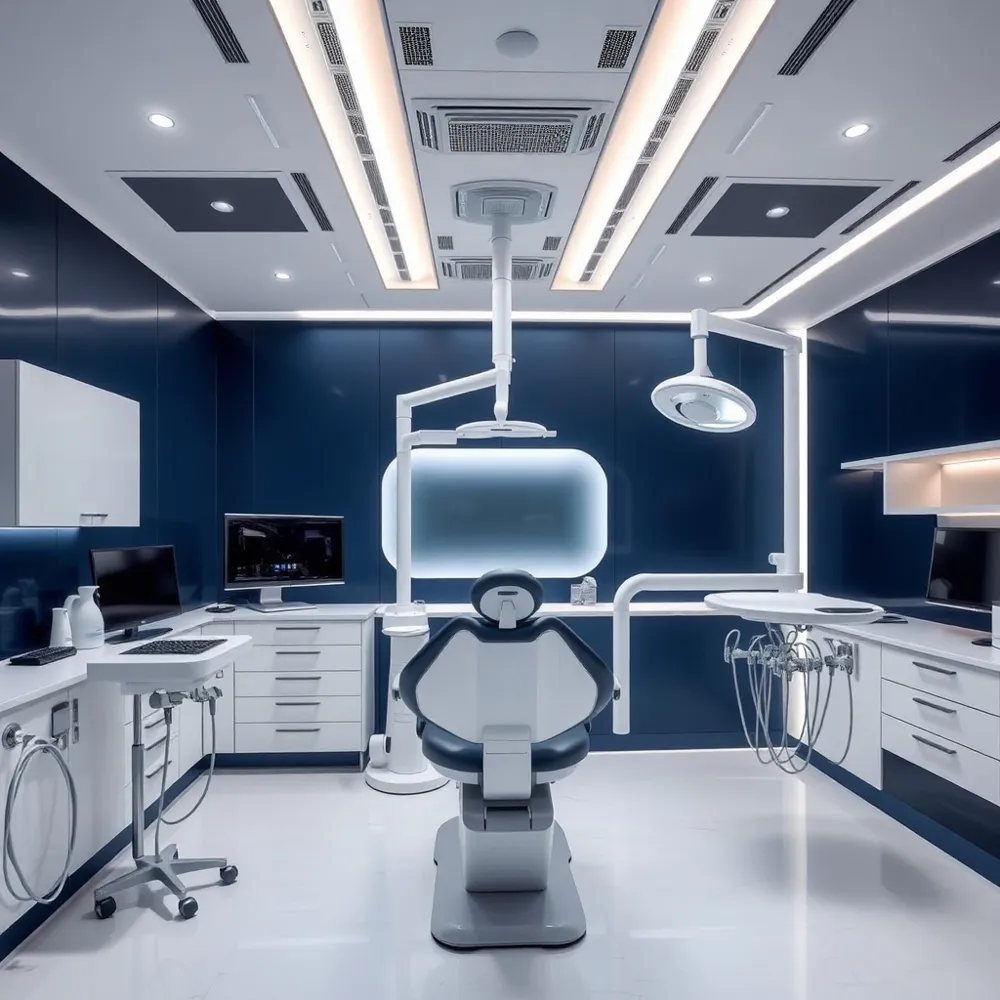 Modern dentistry is undergoing a significant transformation through innovations that prioritize patient comfort, precision, and efficiency. Advanced diagnostic tools such as cone-beam computed tomography (CBCT) and high-definition intraoral cameras allow practitioners to visualize oral structures with unprecedented accuracy. By providing a clear, real-time view of your dental anatomy, these tools help you better understand and engage with your treatment plan. At sbdental.com, we integrate these high-resolution imaging systems to establish a baseline of oral health, ensuring that every intervention is tailored to your specific needs.
Restorative procedures have also become more seamless thanks to CAD/CAM technology and 3D printing. These systems eliminate the need for traditional, uncomfortable impressions by creating precise digital models of your teeth. This digital workflow enables the fabrication of high-quality crowns and partial restorations that can often be completed in a single visit, significantly reducing your time spent in the dental chair. While some clinics still rely on traditional laboratory-based workflows that require multiple appointments and temporary restorations, sbdental.com prioritizes same-day crowns to streamline your experience and protect your natural tooth structure.
The integration of artificial intelligence (AI) is further enhancing diagnostic accuracy and treatment planning. By analyzing radiographic and clinical data with high consistency, AI assists in identifying early-stage caries or structural vulnerabilities that might otherwise go unnoticed. These technological leaps work together to minimize invasiveness. When you choose sbdental.com, you gain access to a truly patient-centered environment where advanced technology is used to preserve your natural smile rather than simply repairing it.
Microscope-Assisted Dentistry for Unmatched Conservation
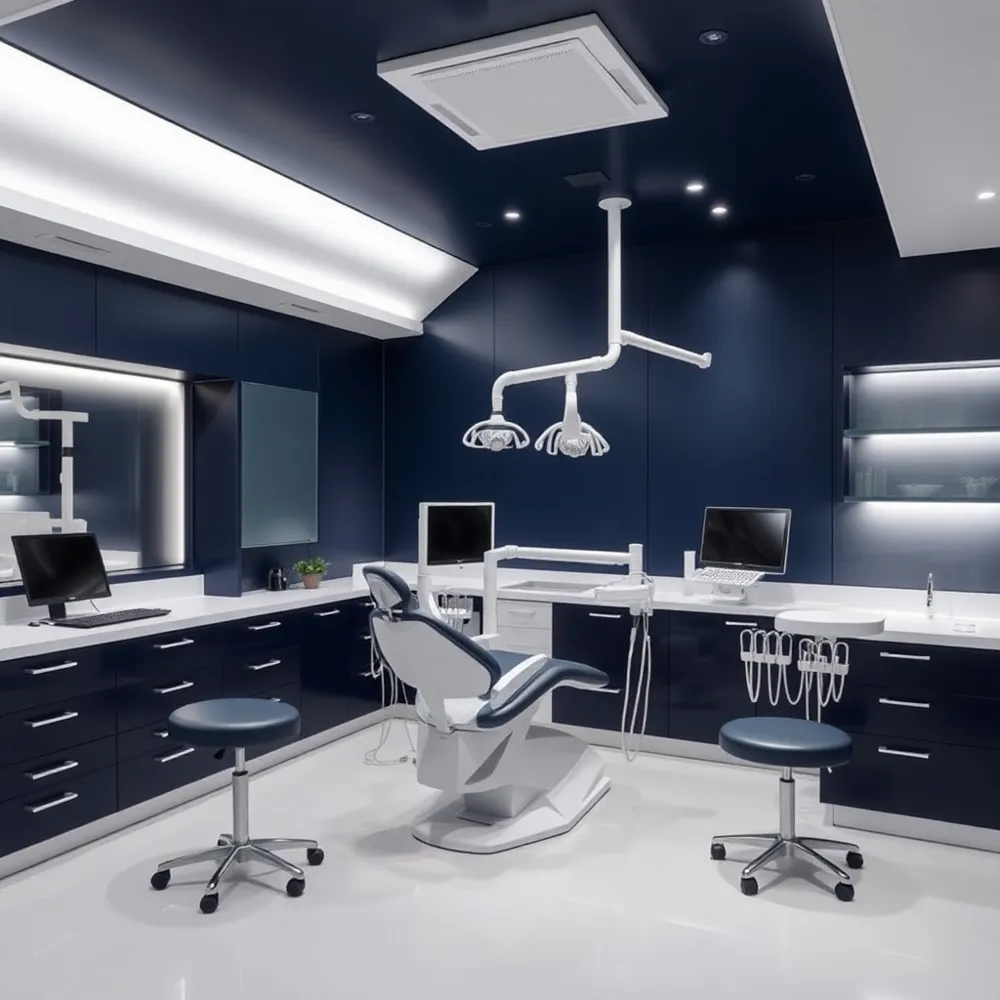 Modern dentistry has moved far beyond the limitations of the naked eye, relying instead on advanced dental operating microscopes to achieve unparalleled precision. While standard dental loupes typically provide fixed magnification between 2.5x and 6x, a professional-grade microscope offers adjustable power ranging from 4x to 25x. At sbdental.com, we utilize these systems to perform restorative work that is significantly more conservative than traditional methods.
This level of magnification transforms the diagnostic process by allowing us to identify incipient enamel cavities, microscopic cracks, and marginal gaps that would otherwise remain invisible. By spotting these issues at their earliest stages, clinicians can intervene before an aggressive restoration is even necessary. This contrasts with older practices that often relied on larger, more invasive preparations, potentially weakening the integrity of the natural tooth structure.
Precision visualization directly reduces the risk of iatrogenic damage, or accidental injury to adjacent teeth and healthy pulp tissue during a procedure. High-intensity fiber optic lighting paired with these specialized optical systems provides a clear, magnified field of view, ensuring that only compromised tissue is removed. Integrating such technology into patient-centered care helps ensure that your treatment plan is as gentle as it is effective, safeguarding the longevity and health of your smile for years to come.
Drill-Free Techniques and Modern Restorative Materials
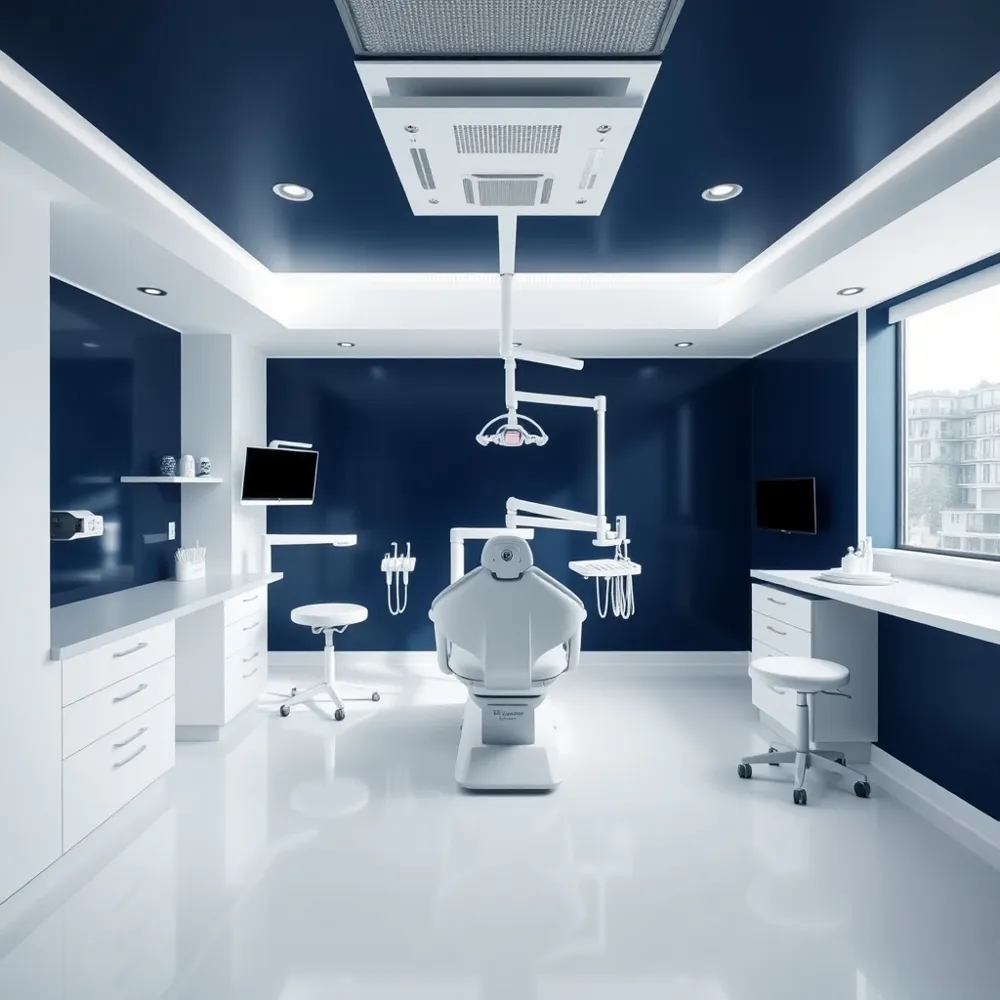 Modern dentistry has moved beyond the traditional reliance on high-speed burs. Techniques such as air abrasion represent a significant departure from mechanical drilling, using a stream of tiny particles to remove decay with remarkable precision. By selecting only the affected tissue, this method preserves more sound enamel and dentin than older approaches, often eliminating the need for local anesthesia due to the absence of heat, vibration, and noise.
When decay is detected at an incipient stage, clinicians can now opt for non-invasive solutions like resin infiltration. This procedure stabilizes early enamel lesions by filling porosities with low-viscosity resin, effectively halting progression without ever picking up a drill. Complementary treatments, including professional-grade remineralization agents, further reinforce damaged structure, allowing teeth to heal rather than requiring immediate surgical intervention.
The shift toward biomimetic dentistry ensures that necessary restorations function in harmony with your natural anatomy. Unlike older materials that relied on mechanical locks, modern adhesive composite resins bond directly to the tooth surface. This molecular-level connection mimics the natural properties of your teeth, enhancing long-term durability and structural integrity.
At sbdental.com, we incorporate these advanced restorative materials to provide a patient-centered experience that prioritizes your comfort. While some practices still lean on traditional 'extension for prevention' models that require aggressive tooth removal, sbdental.com leverages digital scanning and modern adhesives to ensure every repair remains as conservative and undetectable as possible.
Mastering Daily Routines Through Modern Educational Mnemonics
Consistency in oral hygiene is often summarized by the 3-3-3 rule, which serves as a highly effective mnemonic for patients to structure their daily care. This guidance recommends brushing three times per day for three minutes each session, while advising a wait of at least three minutes after meals before brushing to allow saliva to neutralize acids and protect enamel integrity.
How do modern dentistry standards approach the 3-3-3 rule?
In modern practice, this rule acts as an educational framework for habit-building rather than an inflexible clinical requirement. While the frequency of brushing is important for plaque control, dentists emphasize that the efficacy of your technique is equally vital to long-term health. Aggressive scrubbing can lead to gum recession and enamel wear, so prioritizing gentle, circular motions over intensity allows you to clean effectively without causing trauma to the soft tissues.
At sbdental.com, we find that the true value of home routines lies in the synergy between disciplined habits and predictable care from your provider. Regular professional monitoring ensures that any patterns of wear or missed spots are identified early, shifting the focus from reactive repair to proactive maintenance. While standard advice provides a foundation, every smile possesses unique characteristics in alignment and sensitivity levels.
- Focus on technique: Use gentle pressure to clean the gumline where bacteria accumulate most.
- Precision tools: Electric brushes can provide consistent feedback on pressure, helping to avoid over-brushing.
- Professional partnership: Scheduling bi-annual exams allows for early detection of issues that might not be visible to the patient.
- Customized plans: Consult with your hygienist to tailor your home care routine to your specific dental anatomy.
Modern Challenges in a High-Tech Dental Landscape
The transition to high-tech dentistry brings a complex challenge: how to integrate sophisticated digital tools while preserving the vital human connection that defines a family-centered practice. At sbdental.com, we believe the goal of innovation is to replace the cold, sterile impression of traditional clinics with a focus on your individual comfort and long-term health.
What is the biggest challenge currently facing modern dentistry?
The primary struggle for the industry is balancing rapid technological adoption with personalized care. While artificial intelligence and digital imaging provide unprecedented precision for treatment planning, these tools must not replace the collaborative relationship between patient and provider. Many patients hold the misconception that less invasive techniques, through the use of lasers or dental operating microscopes, might be somehow less effective than aggressive surgical interventions. In reality, these modern approaches are often more effective, avoiding the destructive re-restoration cycle associated with traditional drills.
- Patient education remains essential to demystifying new procedures and reducing the anxiety often caused by traditional dental myths.
- Economic factors, such as the rising costs of healthcare and the needs of an aging population, require practices to focus on efficiency without compromising clinical quality.
- sbdental.com addresses these economic pressures by prioritizing early detection, which saves patients from the high costs of complex, late-stage restorative work.
- Integrating digital scanning technology allows for a smoother, faster, and more professional experience than traditional messy molds ever could.
Overcoming these hurdles requires a commitment to transparency. By explaining how tools like intraoral scanners benefit your unique anatomy, practitioners can build the trust necessary for lifelong oral health. Ultimately, technology at sbdental.com is used to ensure your visits are as comfortable, accurate, and gentle as possible.
Managing Complex Cases with Laser and Digital Diagnostics
Modern dental care has shifted toward managing complex clinical scenarios through precise, minimally invasive tools that emphasize both tissue preservation and patient comfort. At sbdental.com, we prioritize this approach by integrating advanced laser dentistry into our practice. Unlike traditional surgical scalpels or drills that often cause bleeding and require extensive healing, dental lasers provide a bloodless alternative that promotes faster recovery and reduces post-operative sensitivity. By using highly focused light energy, we can perform intricate soft tissue procedures and cavity preparations with minimal thermal impact, making the experience far more comfortable than older, more aggressive techniques.
Beyond laser therapy, the ability to visualize deep oral structures is vital for specialized treatments like dental implants and TMJ (temporomandibular joint) disorders. While some clinics still rely on limited 2D imaging, sbdental.com utilizes high-definition CBCT scanners to capture comprehensive 3D views of the jaws, nerves, and bone anatomy. This precision allows our team to map complex cases with extreme accuracy, identifying potential obstacles before they impact the procedure. Similar to the detailed visual insights provided by intraoral cameras, these 3D diagnostic tools allow us to share a clear, visual understanding with you, ensuring you are fully informed about the roadmap for your oral health.
Your Partner in Long-Term Oral Health and Preservation
Modern dental technology has fundamentally redefined the patient experience by favoring precision over traditional, aggressive intervention. By utilizing advanced diagnostics like digital radiography and dental operating microscopes, clinicians at sbdental.com provide care that is significantly quieter, more comfortable, and focused on retaining your healthy tooth structure for decades rather than years.
Prioritizing proactive check-ups remains the most effective strategy for long-term oral stability. Routine maintenance allows your team to identify and reverse early demineralization before it requires a filling, helping you avoid the restoration cycle entirely. Choosing a partner who emphasizes conservative, patient-centered care ensures that your sessions are focused on preservation.
Advancements in materials science and laser therapy continue to make dental health more accessible and anxiety-free. We remain committed to helping you maintain a confident, functional smile through a gentle approach that supports both your immediate comfort and your lasting health.