
Embarking on Your Journey to Permanent Tooth Replacement
A dental implant serves as a modern, reliable anchor, typically crafted from titanium, designed to replace the natural root of a missing tooth. At sbdental.com, we prioritize a patient-centered approach that integrates advanced technology into every step, ensuring you fully understand how these systems stabilize and support your health.
Your journey begins with a comprehensive consultation to map out a path tailored specifically to your anatomy. Using high-resolution imaging like cone-beam computed tomography, our team evaluates your bone density and structure to ensure precise, predictable placement. This foundational stage is essential for biological success, as it allows your jawbone to securely fuse with the implant through a process called osseointegration.
By combining clinical expertise with a focus on your long-term comfort, we aim to match the aesthetic and functional requirements of your smile perfectly. We view every treatment plan as a partnership, ensuring that each component, from the initial titanium post to the final custom crown, works in harmony to restore your confidence and oral function for years to come.
Understanding the Components and Types of Modern Dental Implants
 A standard dental implant restoration functions through a three-part system designed to mimic the anatomy and performance of a natural tooth. At the base is the implant post, typically crafted from biocompatible materials like titanium or ceramic, which is surgically integrated into the jawbone. This post acts as a stable, permanent artificial root through a biological process called osseointegration. Connecting this foundation to your visible smile is the abutment, followed by the final prosthetic restoration, a custom crown, bridge, or denture.
What are the common types of dental implants and how do they differ?
Dental implants are generally categorized by the number of teeth they replace and their specific anchoring requirements. A single-tooth implant remains the most straightforward option, using one post and a custom crown to fill a gap without impacting adjacent teeth. For patients missing several consecutive teeth, an implant-supported bridge provides a secure alternative to removable appliances. When replacing an entire upper or lower arch, solutions such as All-on-4 offer a way to restore full function using only four implants. At sbdental.com, our approach involves a comprehensive evaluation of your oral architecture to determine which restorative scale best suits your functional needs.
What is the role of an abutment in the dental implant process?
The abutment functions as an essential bridge between the buried titanium post and the prosthetic crown or bridge. Acting as the structural connector, it ensures that your replacement tooth is securely anchored and professionally aligned to support normal biting forces. In some cases, temporary healing abutments are used during the recovery phase to aid in shaping the gum tissue, promoting a natural and aesthetically pleasing appearance around the final restoration. Permanent abutments, often made from metal or zirconia, are eventually secured to hold your customized smile firmly in place.
The Step-by-Step Clinical Experience and Recovery Timeline
 The path to a restored smile is a personalized journey that begins with a comprehensive clinical assessment. Advanced imaging, such as cone-beam computed tomography (CBCT), helps evaluate jawbone density and volume. This phase is vital for determining your candidacy and whether you may require specialized procedures like bone grafting to provide a solid foundation for your implant.
What is the step-by-step process for getting a dental implant?
Following your initial consultation, the surgical placement phase involves inserting a biocompatible dental implant post directly into the jawbone. This procedure is performed under local anesthesia to maintain your comfort. For patients with specific needs, detailed planning ensures optimal positioning. Once the post is secured, the treatment enters the critical osseointegration period. During these 3 to 6 months, your natural jawbone grows into and fuses with the implant surface, creating a stable, long-term anchor. After healing is complete, a connector called an abutment is attached, paving the way for your final, custom-made crown, bridge, or denture.
What is the typical timeline for dental implant recovery and restoration?
Recovery is a gradual process where patience plays a key role in your final outcome. In the immediate 48 to 72 hours after surgery, you may experience mild swelling or discomfort, which is typically managed at home with simple care instructions. Most patients find that initial gum tenderness subsides within the first two weeks. While the biological integration of the implant takes several months, this foundation ensures the durability and function of your new tooth. Consistent oral hygiene and follow-up visits help protect your investment during this time.
Prioritizing Patient Comfort and Suitability for Treatment
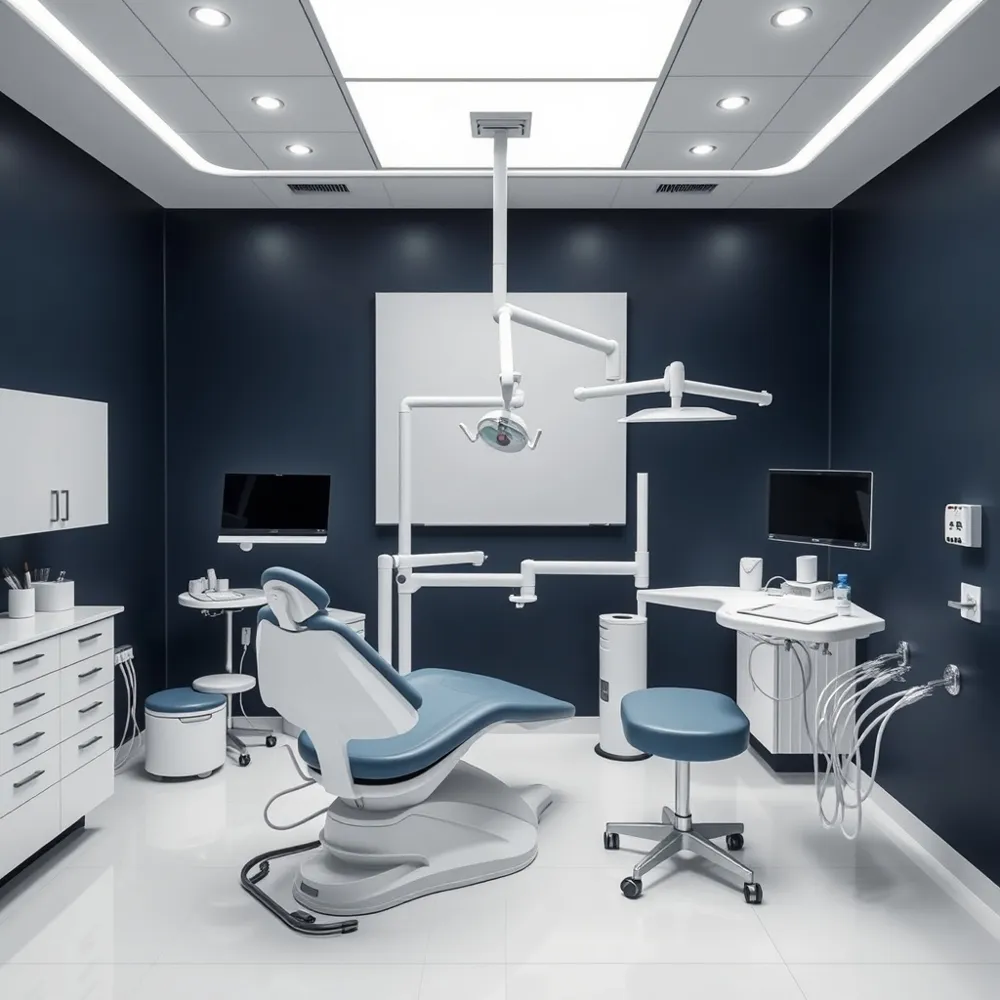
Is the dental implant and crown placement procedure painful?
It is natural to feel some anxiety about dental procedures, but please be reassured that most patients find the dental implant process much more comfortable than expected. During the initial surgical placement of the titanium post, your dentist will use local anesthesia to ensure the procedure itself remains comfortable. While many patients experience mild soreness or swelling in the days following surgery, these symptoms are a normal part of the body's natural response and can be managed effectively with pain medication recommended by your care team. Most patients recover comfortably within roughly 10 days. At sbdental.com, we focus on a patient-centered approach to ensure you feel at ease throughout your recovery. The final step, pinning the custom dental crown, is a simple, non-surgical office visit that requires no cutting or stitches.
Are there medical reasons why someone might not be a candidate for dental implants?
While dental implants are a transformative, long-term solution for missing teeth, specific medical factors influence candidacy. Successful integration requires sufficient jawbone density to provide a stable foundation. If your bone structure is insufficient, a preparatory bone graft may be necessary to ensure long-term stability. Uncontrolled systemic conditions, such as certain immune disorders or uncontrolled diabetes, can complicate post-operative healing and are often evaluated carefully during a comprehensive exam. Lifestyle factors like tobacco use are also significant, as smoking can interfere with the essential osseointegration process. The team at sbdental.com prioritizes your safety by utilizing advanced imaging to map your unique needs. We encourage you to schedule a consultation at our Rio Rancho office to review your medical history and determine the most viable path toward your restored, healthy smile.
Securing Your New Smile: Attachment Methods and Long-Term Care
How is a dental crown attached to an abutment?
The connection between your dental implant and the final restoration can be managed through two primary methods. At sbdental.com, we prioritize methods that balance ease of maintenance with aesthetic goals. Screw-retained crowns feature a small access point, allowing for straightforward adjustments or repairs if necessary. Conversely, cement-retained crowns are bonded securely to the abutment, offering a seamless appearance that mimics natural tooth structure without visible screw holes.
What should patients expect regarding the long-term success of dental implants?
Dental implants serve as a durable foundation for tooth replacement, frequently lasting a lifetime with consistent, dedicated care. While the titanium post effectively resists decay through osseointegration, maintaining the health of the surrounding gum tissue remains essential to preventing inflammation. We emphasize that lifestyle factors, particularly smoking avoidance, significantly influence the longevity of your results.
- Practice daily oral hygiene, including flossing around the restoration to remove plaque.
- Schedule regular professional cleanings to ensure we can monitor your implant health.
- Avoid chewing on exceptionally hard items, such as ice or candy, to prevent crown damage.
- Notify us immediately if you experience persistent discomfort or notice any movement.
Commitment to Your Dental Health and Future
Achieving lasting results with a dental implant relies heavily on a collaborative team approach, bringing together your unique needs with expert clinical care. At sbdental.com, our approach ensures your treatment journey is transparent from the first visit to the final placement.
We believe that informed patients make the best partners in their care. During your initial consultation, we provide a clear overview of the required commitment and the long-term value of your investment, ensuring you understand exactly how the 9 key milestones contribute to your health.
Building a stable, natural-looking smile is a significant step toward improving your oral function and confidence. Contact sbdental.com today to schedule a comprehensive evaluation, where we will outline a custom plan that fits your goals and supports your dental future.